Artwork
Abraham Francen, Apothecary
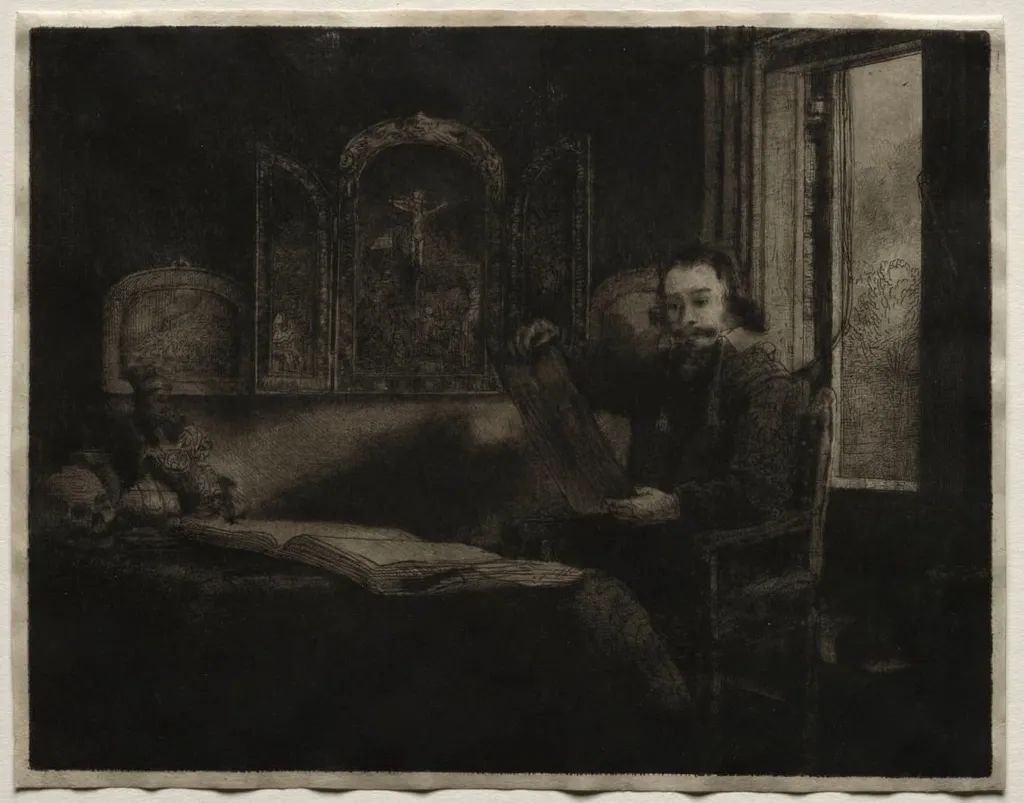
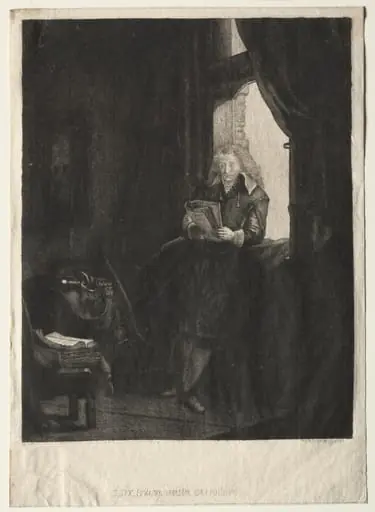
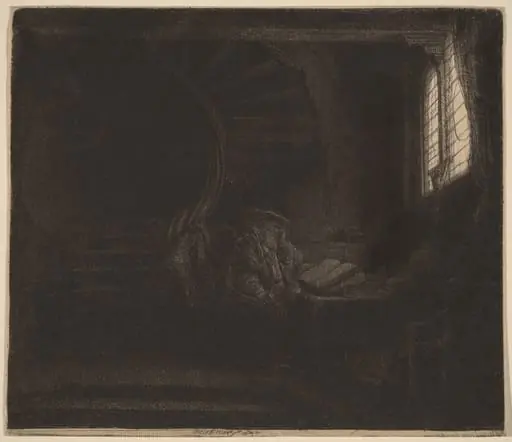
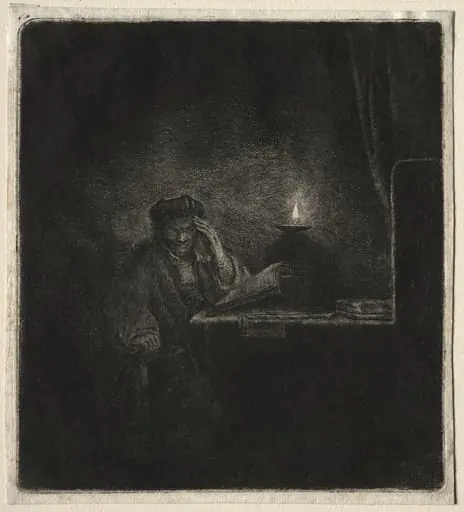
Abraham Francen, Apothecary is a print by the Baroque artist Rembrandt. It dates from 1657 and is held in the collection of the Cleveland Museum of Art.
About this work
Overview
The work is part of the collection at The Cleveland Museum of Art, where it is valued for its intimate portrayal and technical refinement.
Created around 1657, this print by Rembrandt van Rijn portrays Abraham Francen, a Dutch apothecary, in a moment of quiet stillness. Executed in etching and drypoint, it captures the subject seated before a table, surrounded by objects associated with his profession. The work is part of the collection at The Cleveland Museum of Art, where it is valued for its intimate portrayal and technical refinement.
Subject & Meaning
Abraham Francen, a practicing apothecary in Amsterdam, is depicted not as a merchant but as a scholar engaged in reflection. His dark clothing, long beard, and the open book suggest intellectual pursuit rather than commercial activity. The sparse interior and focused gaze imply a life devoted to study and quiet diligence, aligning the figure with the humanist ideals of the time.
Technique & Style
Rembrandt employed etching and drypoint to achieve rich tonal contrasts and textured surfaces. The play of light across Francen’s face and hands draws attention to his contemplative expression, while the loose, expressive lines of the background suggest depth without detail. The technique emphasizes atmosphere over precision, characteristic of Rembrandt’s mature graphic style.
History & Provenance
The print was made during Rembrandt’s later years, a period marked by personal hardship and artistic experimentation. It entered The Cleveland Museum of Art’s collection in the 20th century, likely through a major acquisition of Dutch prints. Its provenance reflects the enduring interest in Rembrandt’s portraiture among collectors of Old Master prints.
Context
In mid-17th century Amsterdam, apothecaries occupied a respected position between science and commerce. Portraits of such figures often emphasized their knowledge and moral character. Rembrandt’s depiction aligns with a broader trend of portraying professionals with psychological depth, moving beyond mere status symbols to reveal inner life.
Legacy
This print exemplifies Rembrandt’s ability to convey dignity through understated realism. It influenced later generations of printmakers who sought to capture individual character with emotional nuance. Though not widely reproduced in his lifetime, it remains a key example of his late graphic work and the quiet power of his portraiture.
Artist & collection
Artist
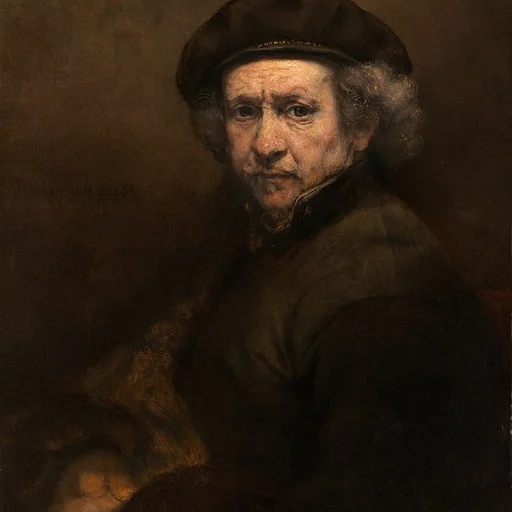
Rembrandt Harmenszoon van Rijn (15 July 1606 – 4 October 1669), known mononymously as Rembrandt, was a Dutch Golden Age painter, printmaker, and draughtsman.