Artwork
Copy of Student at a Table by Candelight
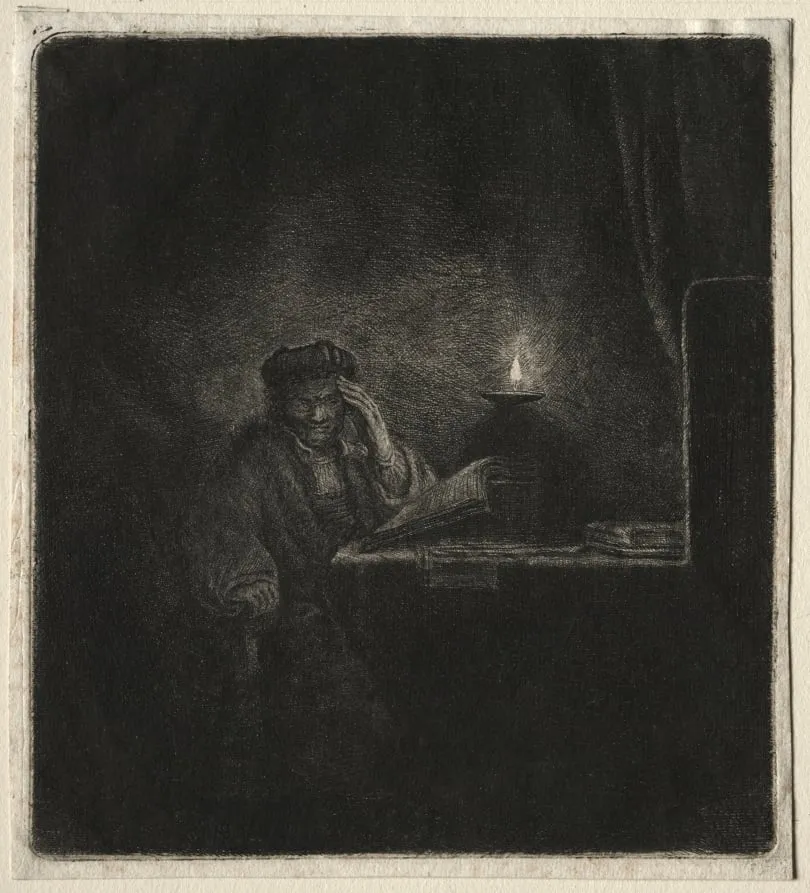
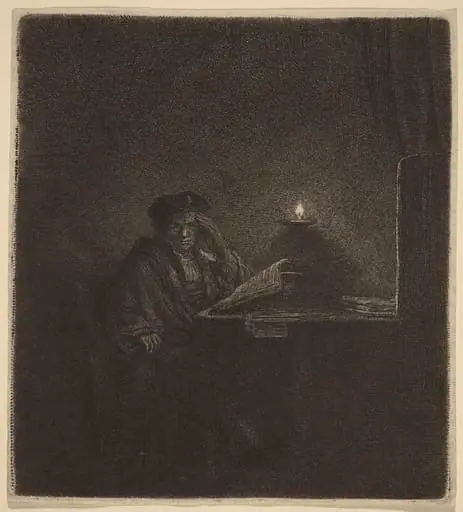
Copy of Student at a Table by Candelight is a print by the Baroque artist Rembrandt. It dates from 1654 and is held in the collection of the Cleveland Museum of Art.
About this work
Overview
Executed in etching and drypoint, it captures a solitary figure in quiet concentration, illuminated by a single light source.
This print, dated 1654, is a study by Rembrandt van Rijn derived from his larger painting Student at a Table by Candelight. Executed in etching and drypoint, it captures a solitary figure in quiet concentration, illuminated by a single light source. The work was not intended as a final piece but as a preparatory exploration of form and atmosphere, reflecting Rembrandt’s methodical approach to composition and mood.
Subject & Meaning
The figure, hunched over a table, appears absorbed in study or contemplation, one hand supporting the head, the other resting on the surface. The dim candlelight suggests late-night labor, evoking themes of introspection and intellectual solitude. The enclosed space, with its dark walls and narrow window, amplifies the sense of private focus, reinforcing the quiet dignity of scholarly pursuit.
Technique & Style
Rembrandt employed chiaroscuro with restrained precision, using deep shadows and minimal light to define form and space. The candle’s glow is rendered through subtle etching lines and selective ink tone, creating a luminous core that fades into near-blackness. Drypoint burr adds softness to the edges of light, enhancing the tactile quality of the scene and the intimacy of the moment.
History & Provenance
The print entered the collection of The Cleveland Museum of Art in the 20th century, having passed through several private European collections since its creation. It is one of multiple studies Rembrandt made for his larger painting of the same subject, part of a series exploring nocturnal scenes and human concentration. Its survival in good condition reflects its early recognition among collectors of Dutch graphic art.
Context
In mid-17th century Amsterdam, depictions of scholars in private study were common, reflecting broader cultural values around learning and piety. Rembrandt’s focus on modest interiors and single light sources aligned with a growing interest in psychological realism. This print exemplifies how artists used etching not only for reproduction but as a medium for intimate, experimental observation.
Legacy
Though a study, this print influenced later generations of printmakers drawn to Rembrandt’s mastery of light and emotional nuance. Its unembellished realism and technical economy became benchmarks for expressive etching. Today, it remains a key example of how preparatory works can embody the same depth and humanity as finished paintings.
Artist & collection
Artist
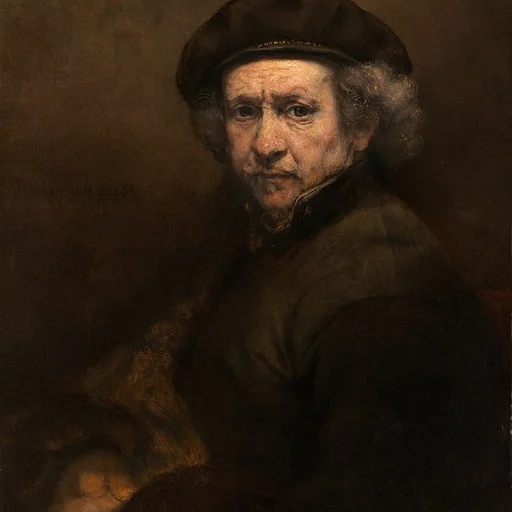
Rembrandt Harmenszoon van Rijn (15 July 1606 – 4 October 1669), known mononymously as Rembrandt, was a Dutch Golden Age painter, printmaker, and draughtsman.

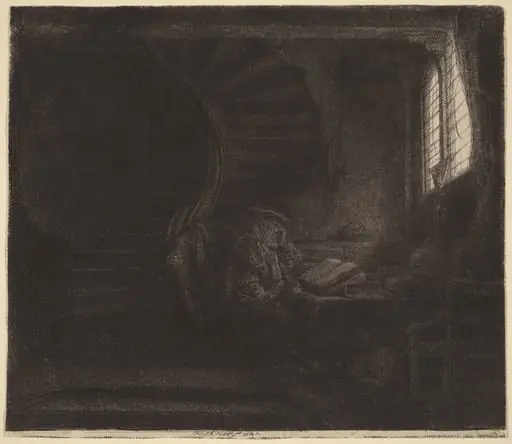 Saint Jerome in a Dark Chamber
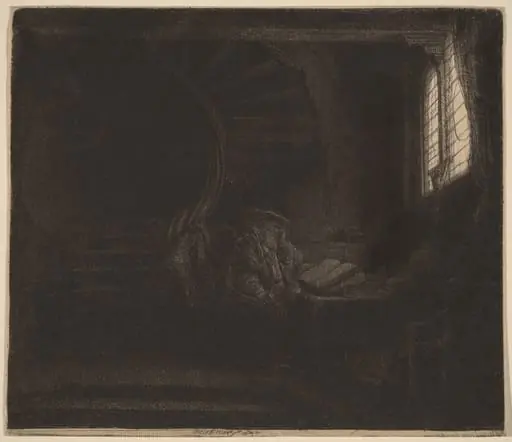 St. Jerome in a Dark Chamber
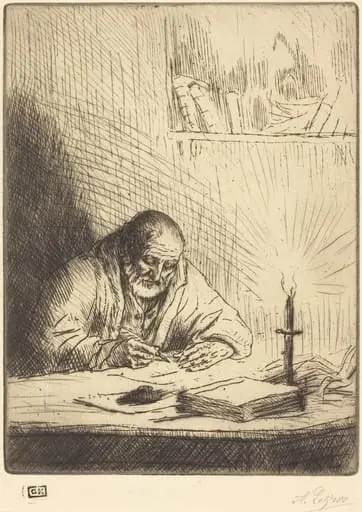 Archeologist (L'archeologue)
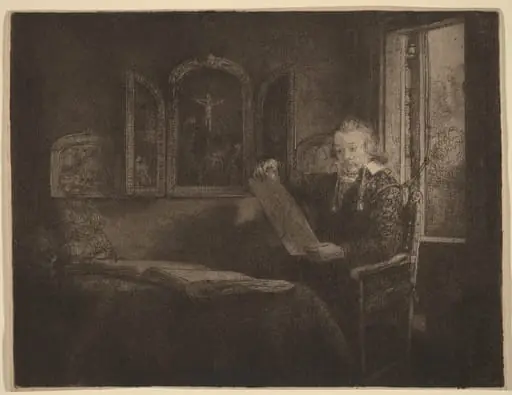 Abraham Francen
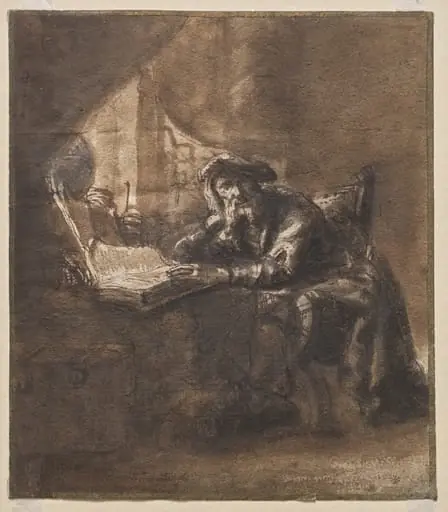 An Old Man Seated at a Table, His Head Resting on His Right Hand (recto)
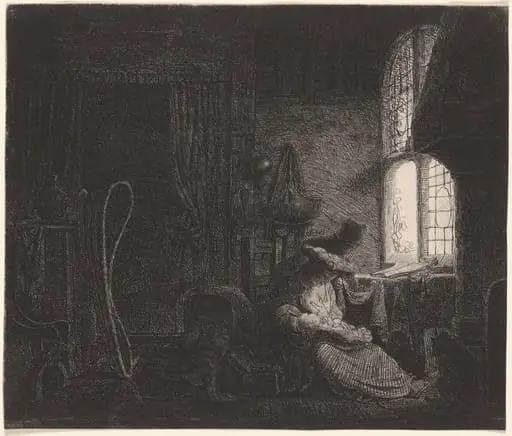 The Holy Family in an Interior
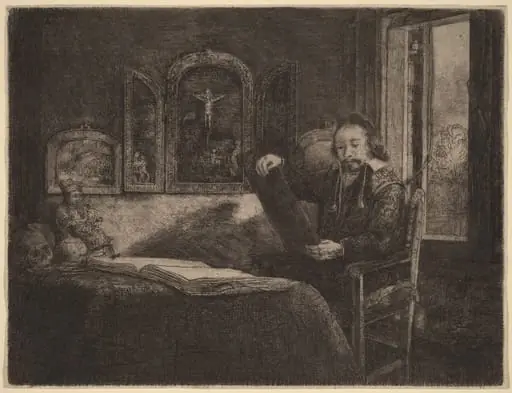 Abraham Francen
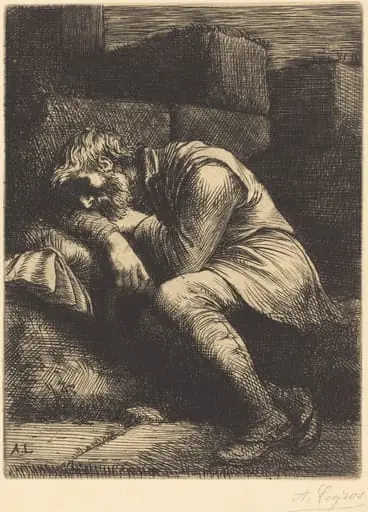 Sleeping Beggar (Mendiant endormi)
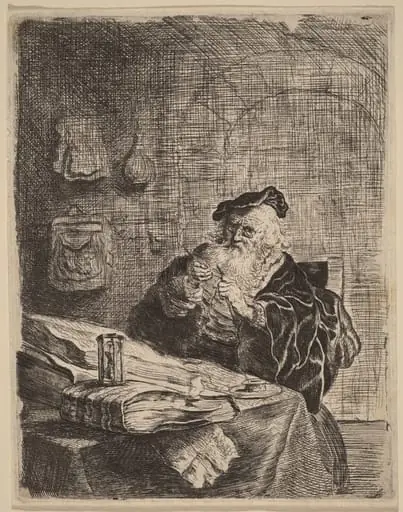 Man with a Penknife
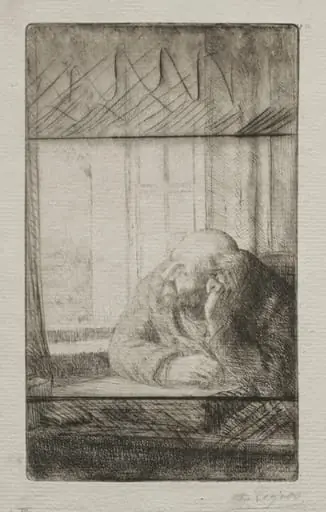 Evening at the Window
 The Reader (Le liseur)
 Student at a Table by Candlelight