Artwork
Studies of the Head of Saskia and Others
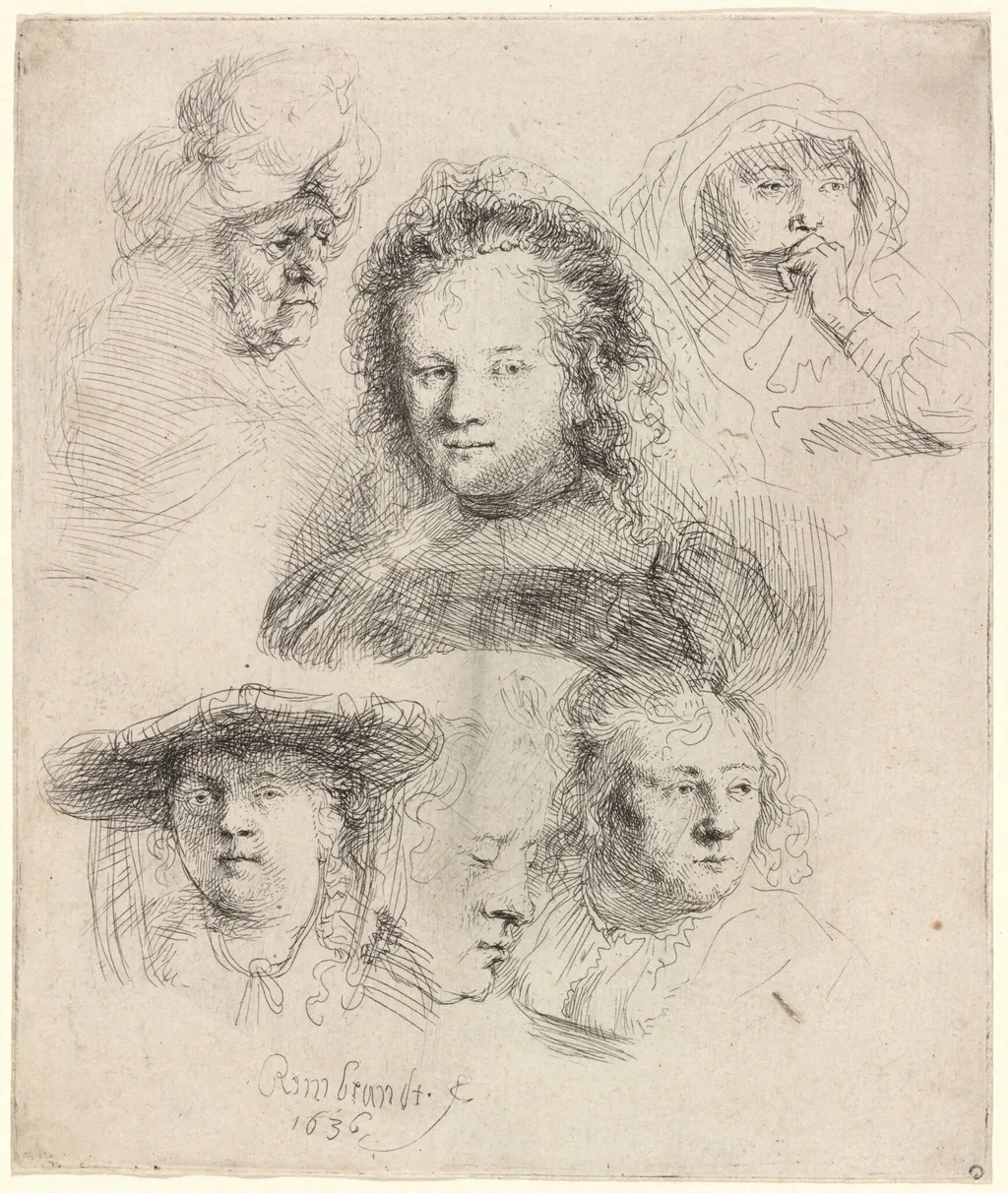
Studies of the Head of Saskia and Others is an ink print by the Baroque artist Rembrandt. It dates from 1636 and is held in the collection of the National Gallery of Art.
About this work
Overview
Created in 1636, this etching by Rembrandt van Rijn presents six distinct head studies, each rendered with varying angles and expressions. The figures are depicted without full bodies, focusing solely on facial features and headwear. The work reflects Rembrandt’s interest in human diversity and psychological presence, captured through incised lines on copper rather than paint.
Subject & Meaning
The six heads represent a range of ages, genders, and social types, possibly drawn from life or memory. Some wear caps or headscarves suggesting regional or occupational identities, while others gaze directly or avert their eyes, conveying individual temperament. Rather than idealized portraits, these are observational studies, emphasizing character over status or narrative.
Technique & Style
Rembrandt employed fine, varied etching lines to model form and texture—hatching for shadow, loose strokes for hair, and delicate contours for facial structure. The absence of tone or wash highlights the precision of his line work. Each head is treated differently, demonstrating his adaptability and sensitivity to individual features without uniformity of style.
History & Provenance
The etching was produced during Rembrandt’s early Amsterdam years, a period of intense printmaking activity. It likely served as preparatory material for larger compositions or as independent studies. No definitive early ownership records exist, but it circulated among collectors and artists familiar with his graphic work by the late 17th century.
Context
In 1630s Holland, portraiture and character studies were in demand among the rising middle class. Rembrandt’s focus on individuality aligned with broader cultural interests in human psychology and social diversity. Unlike formal commissions, these studies reveal his personal engagement with observation, independent of patronage.
Legacy
This etching exemplifies Rembrandt’s influence on the tradition of the artist’s sketchbook as a space for exploration. Later generations of printmakers and realist artists looked to such works for their unidealized humanity and technical economy. It remains a key example of how line alone can convey presence and individuality.
Artist & collection
Artist
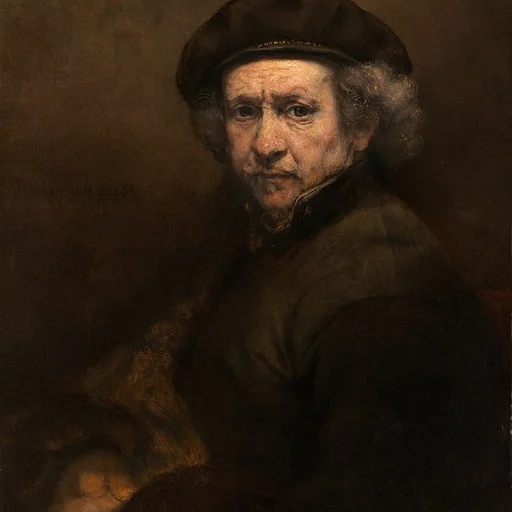
Rembrandt Harmenszoon van Rijn (15 July 1606 – 4 October 1669), known mononymously as Rembrandt, was a Dutch Golden Age painter, printmaker, and draughtsman.

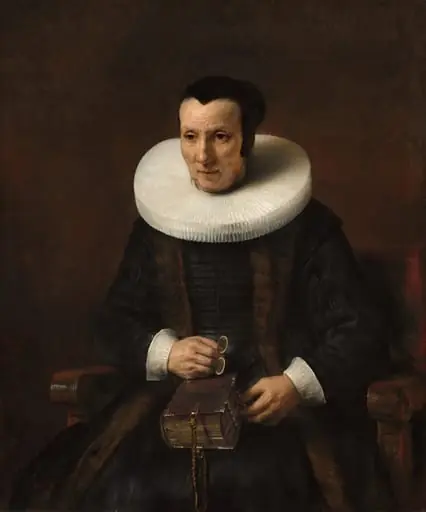
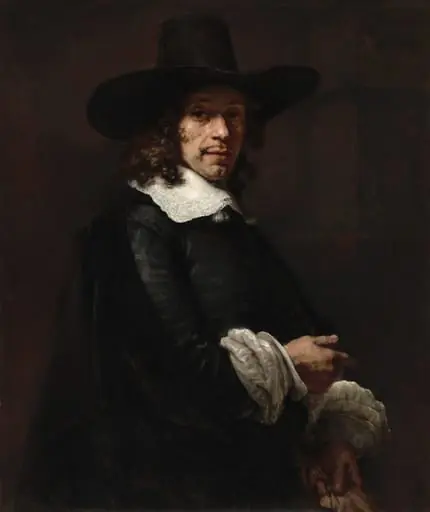
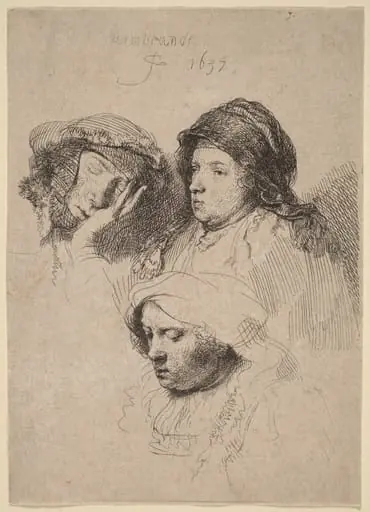 Three Heads of Women, One Asleep
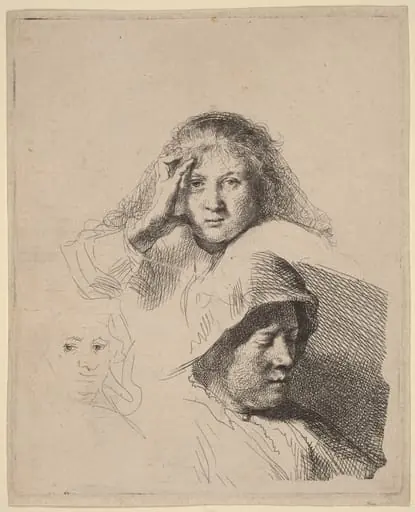 Three Heads of Women, One Lightly Etched
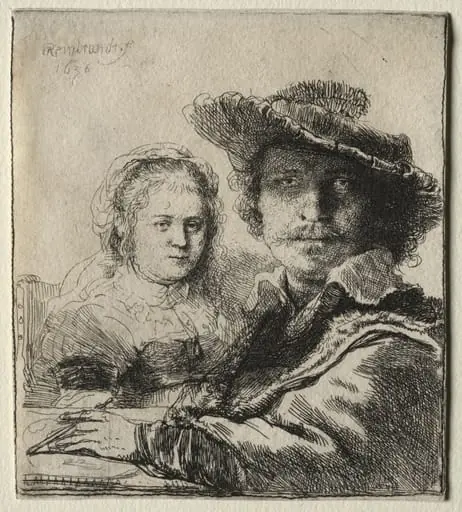 Rembrandt and His Wife Saskia
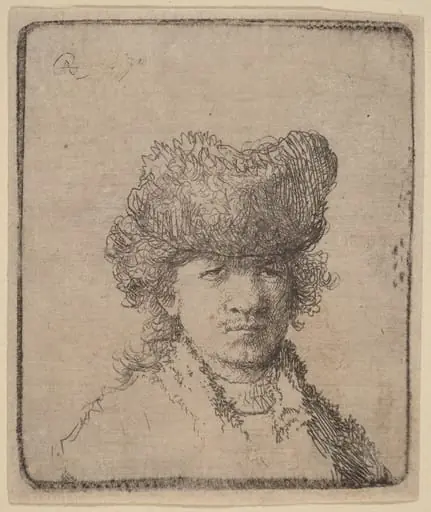 Self-Portrait in a Fur Cap
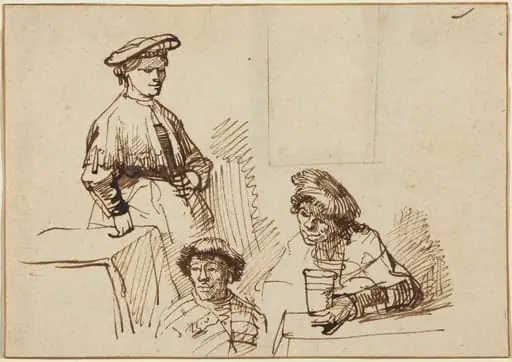 Sketches from a Tavern: Woman Standing and Two Men Seated
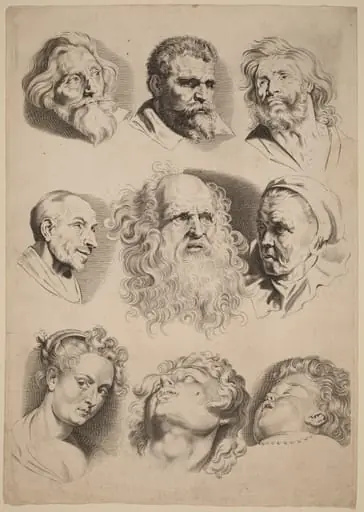 Nine Heads
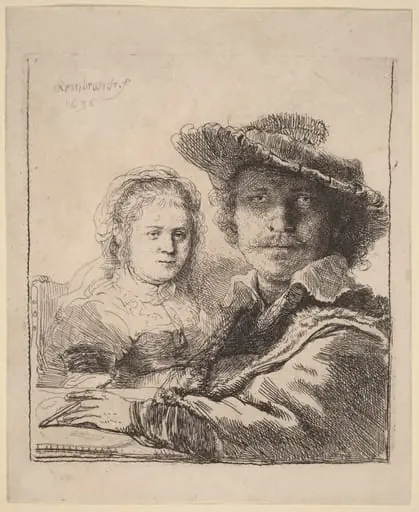 Self-Portrait with Saskia
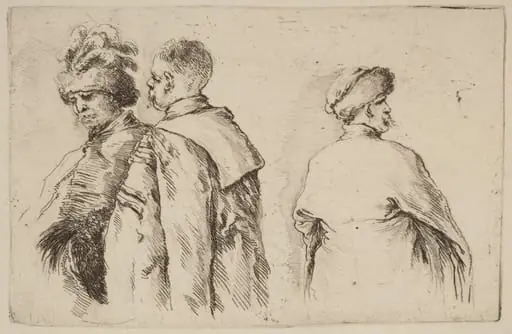 Three Hungarians
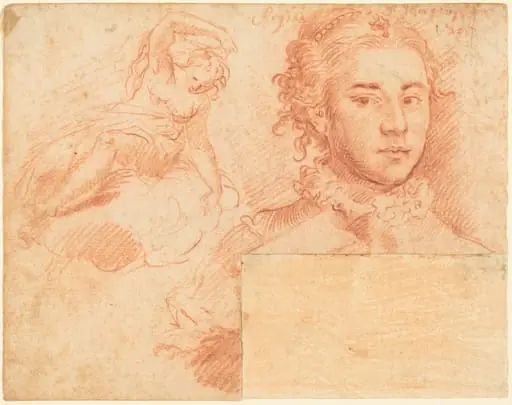 A Portrait of a Queen and a Study of a Woman Seated on a Cloud; verso, Sleeping Figure