Artwork
Stone with Three Sketches (La pierre au trois croquis)
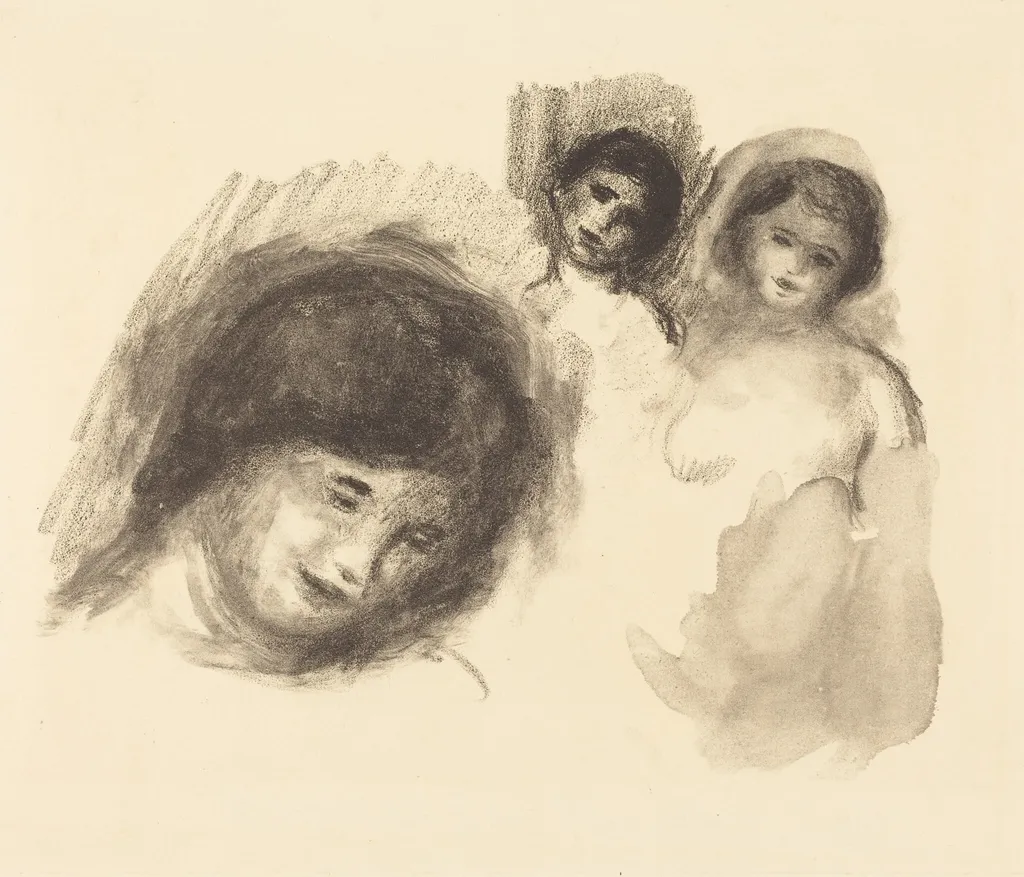
Stone with Three Sketches (La pierre au trois croquis) is a print by the Impressionist artist Auguste Renoir. It dates from 1904 and is held in the collection of the National Gallery of Art.
About this work
Overview
Unlike finished portraits, these figures appear as spontaneous notations, suggesting a moment of informal observation rather than a deliberate composition.
Created in 1904, Stone with Three Sketches is a lithotint by Auguste Renoir, produced by drawing directly onto a limestone surface. The work captures three facial studies rendered with minimal, fluid lines, their forms softened by the medium’s inherent blurring. Unlike finished portraits, these figures appear as spontaneous notations, suggesting a moment of informal observation rather than a deliberate composition.
Subject & Meaning
The three faces, rendered in varying degrees of visibility, seem to emerge and recede within the stone’s texture. The central figure dominates, while the others are partially obscured, as if glimpsed in passing. This layering implies a fleeting engagement with human presence—perhaps studies from life, or impressions gathered during a walk, recorded without pretense or formal intent.
Technique & Style
Renoir employed lithotint, a process where greasy drawing materials attract ink to the stone while water repels it from blank areas. The resulting tones are muted and diffuse, allowing the faces to dissolve slightly into the ground. The soft edges and smudged contours mirror the immediacy of pencil sketches, translating the spontaneity of drawing into a print medium.
History & Provenance
This work belongs to Renoir’s later period, when he increasingly turned to intimate, experimental formats. Likely made at his home in Cagnes-sur-Mer, it reflects his habit of sketching on unconventional surfaces. The stone itself may have been a found object, repurposed as a canvas, underscoring his interest in immediacy over traditional materials.
Context
In his final years, Renoir faced physical limitations but remained prolific in drawing. His sketches from this time often abandoned detail for gesture, favoring rhythm over precision. Stone with Three Sketches aligns with this shift, echoing his broader move toward expressive simplicity and the acceptance of imperfection as part of artistic truth.
Legacy
The work exemplifies Renoir’s enduring belief in the value of the unpolished mark. Though not widely exhibited, it reveals his quiet devotion to observation over grandeur. Later artists and printmakers recognized in such pieces a precedent for expressive, non-idealized figuration in printmaking, where the artist’s hand, not the final product, held primary significance.
Artist & collection
Artist
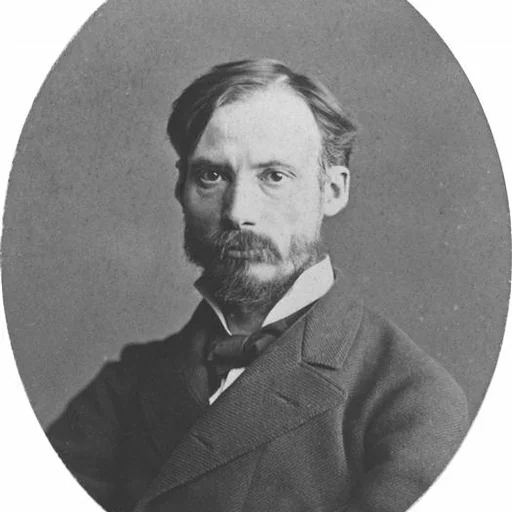
Pierre-Auguste Renoir was born on 25 February 1841 in Limoges, the son of a tailor and a seamstress.

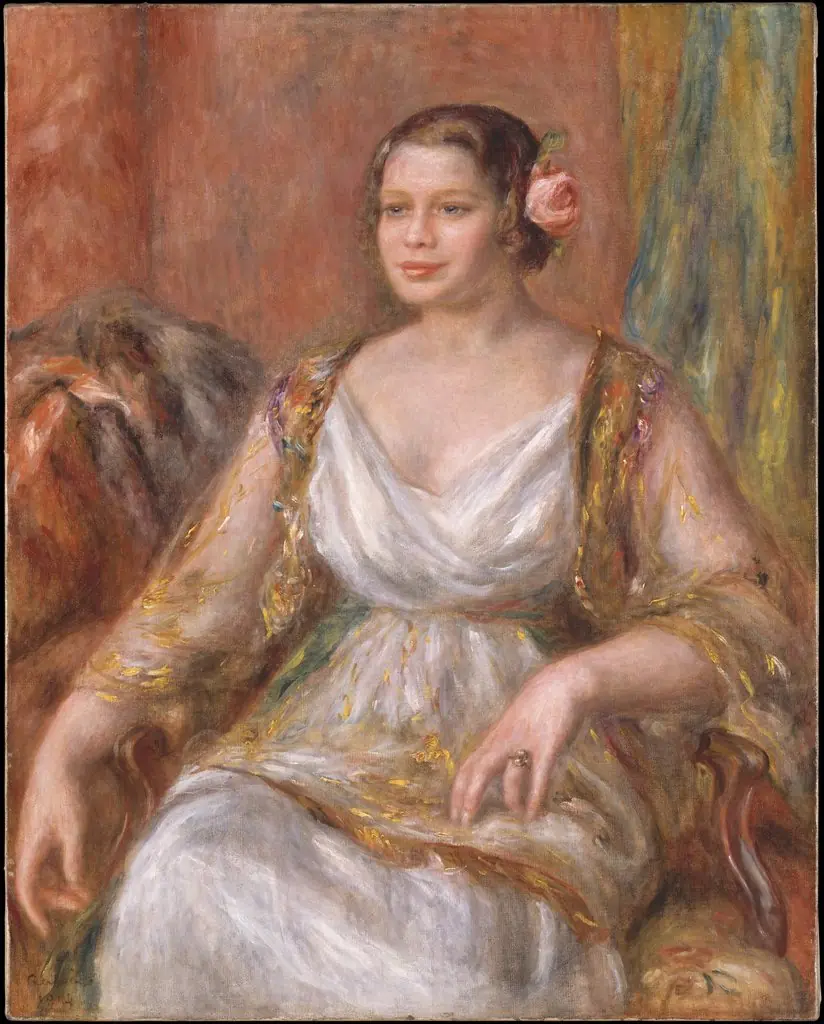
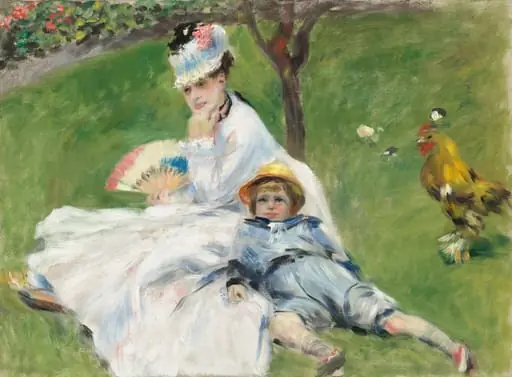
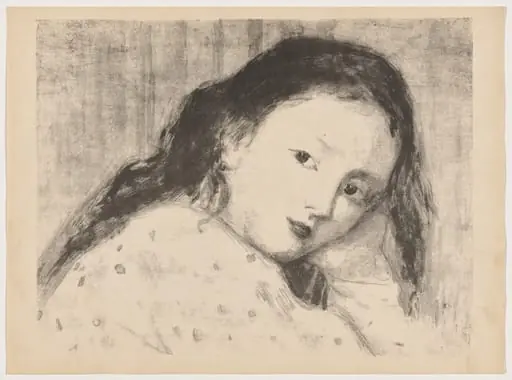 Etude d'enfant (Study of a Child)
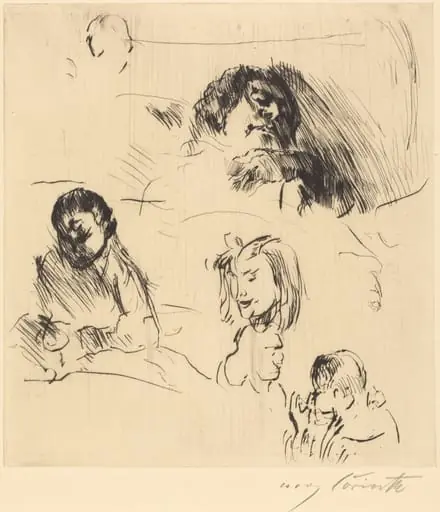 Verschiedene Bilnisstudien (Portrait Sketches)
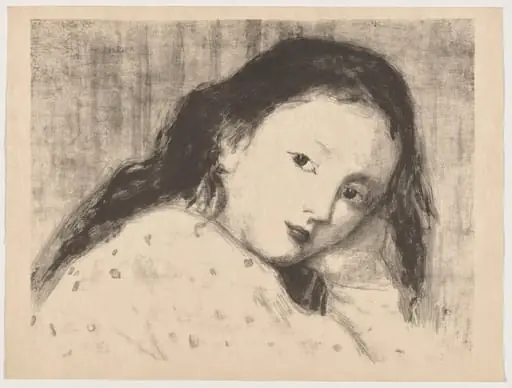 Etude d'enfant (Study of a Child)
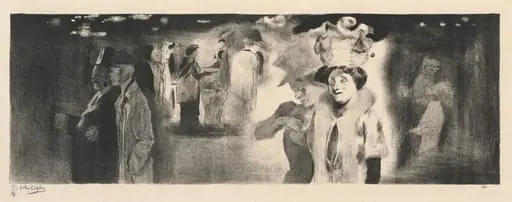 A Night Scene
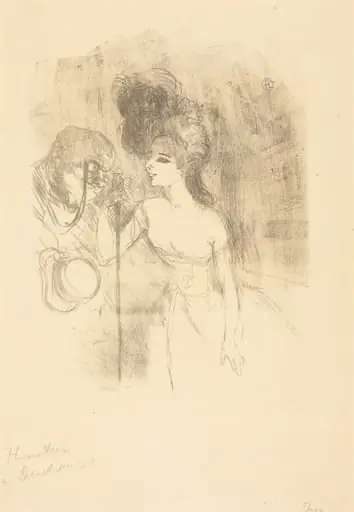 Anna Held and Baldy (Anna Held et Baldy)
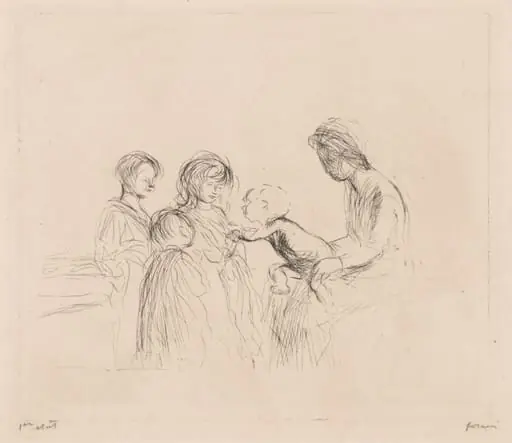 Madonna and Children
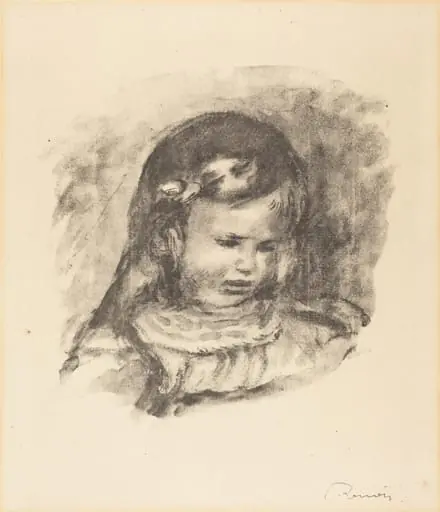 Claude Renoir, with Lowered Head
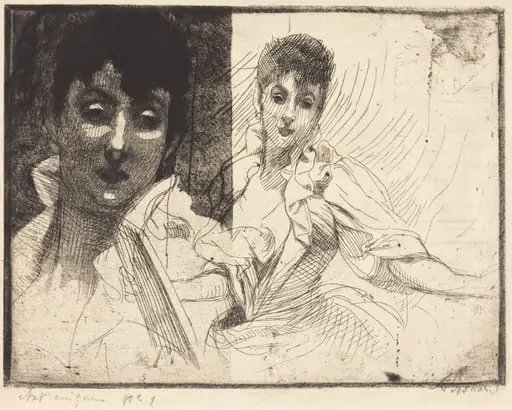 Madeleine Lemaire
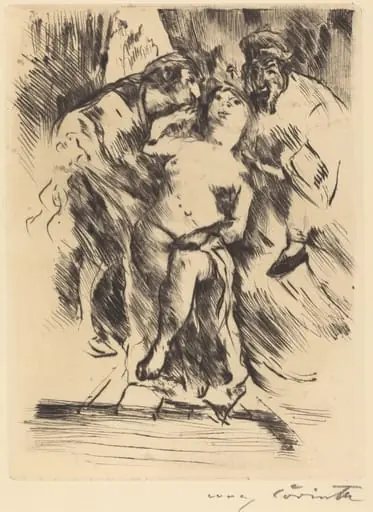 Susanna im Bade (Susanna in the Bath)
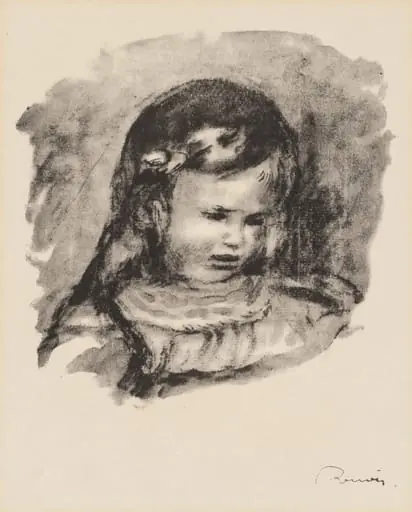 Claude Renoir, the Head Lowered (Claude Renoir, la tête baissée)
 Weary
Weary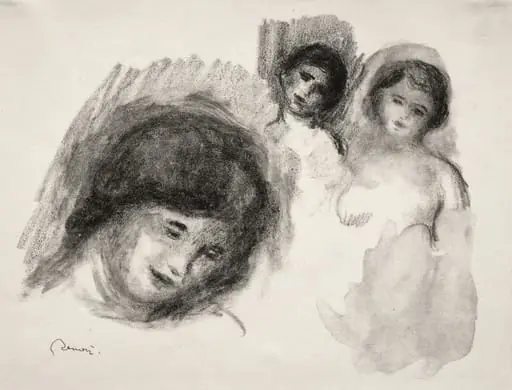 Stone with Three Sketches