Artwork
Studies of Trees
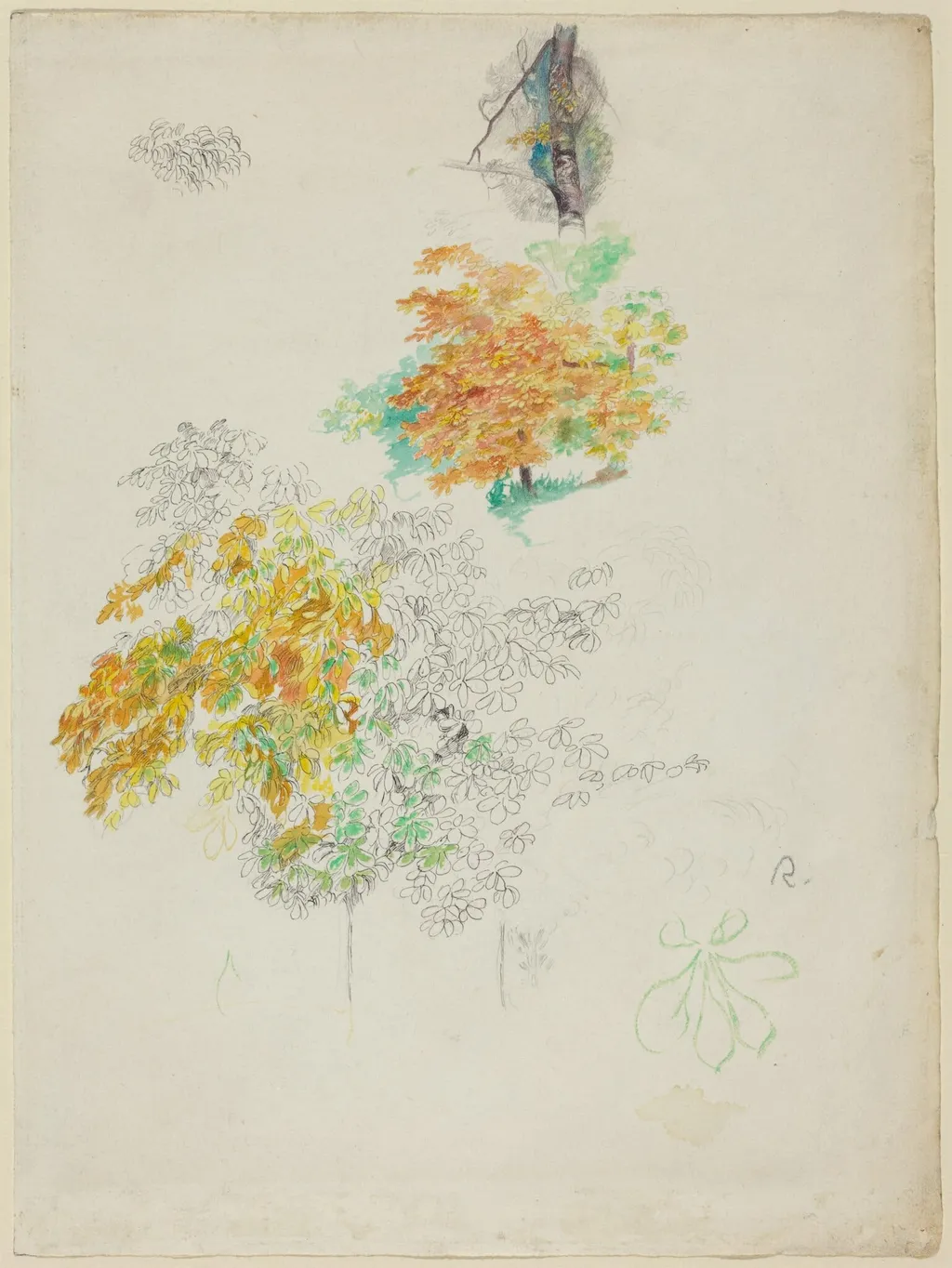
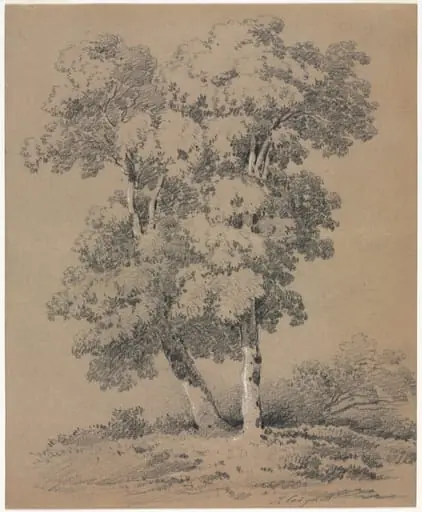
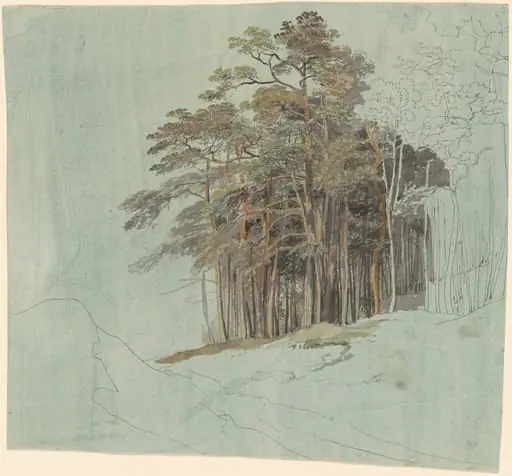
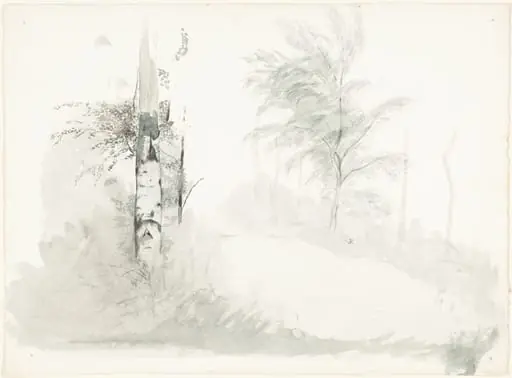
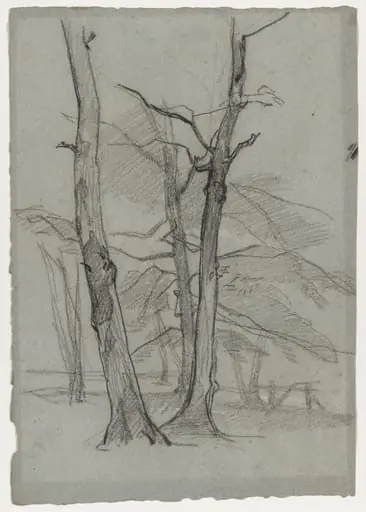
Studies of Trees is an ink drawing by the Impressionist artist Auguste Renoir. It dates from 1886 and is held in the collection of the National Gallery of Art.
About this work
Overview
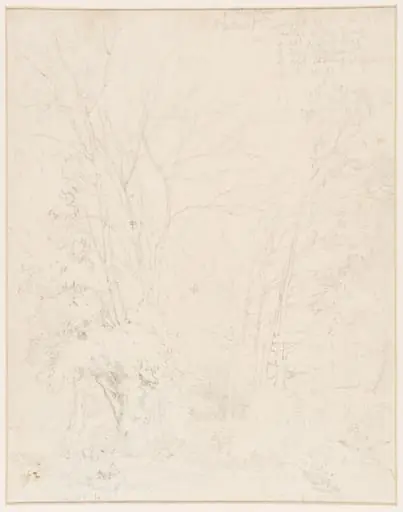
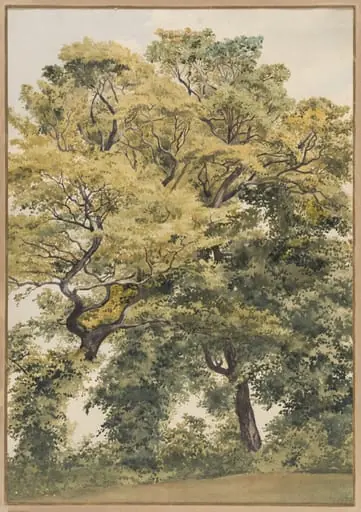
Created in 1886, "Studies of Trees" is a drawing by Auguste Renoir executed on J. Whatman wove paper. The work combines pen and black ink, graphite, and watercolor, producing a compact study that records a handful of trees in an autumnal setting. Its modest size and swift execution suggest a preparatory purpose rather than a finished composition.
Subject & Meaning
The composition presents several trees rendered in loose, gestural lines, their branches alternating between faint pencil sketches and washes of orange, green, and yellow. A solitary bird rests on a barren twig near the upper right, adding a fleeting element of life. The piece captures a momentary observation of seasonal change, emphasizing the transitory quality of light and color.
Technique & Style
Renoir employed a mixed-media approach, laying down ink and graphite to define forms before applying transparent watercolor washes. The thin, layered application allows the paper’s texture to show through, creating a luminous effect. The rapid, sketch-like handling reflects the artist’s interest in capturing the immediacy of nature, a practice common in his plein‑air studies.
History & Provenance
The drawing originates from Renoir’s late‑1880s period, a time when he frequently produced on‑site studies to inform larger oil paintings. While specific ownership details are scarce, the work has been documented in catalogues of Renoir’s drawings and is held in a private collection, illustrating its role as a working document rather than a public exhibition piece.
Artist & collection
Artist
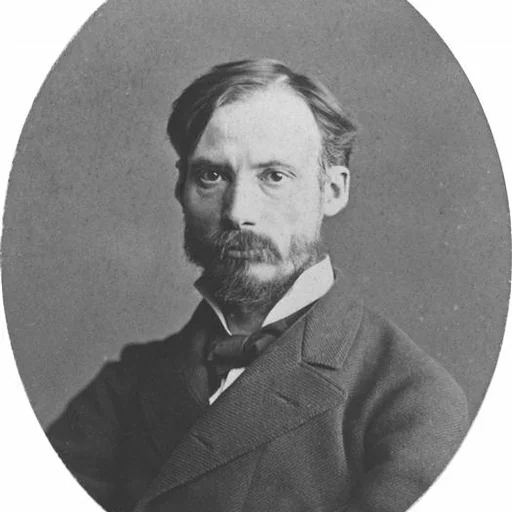
Pierre-Auguste Renoir was born on 25 February 1841 in Limoges, the son of a tailor and a seamstress.