Artwork
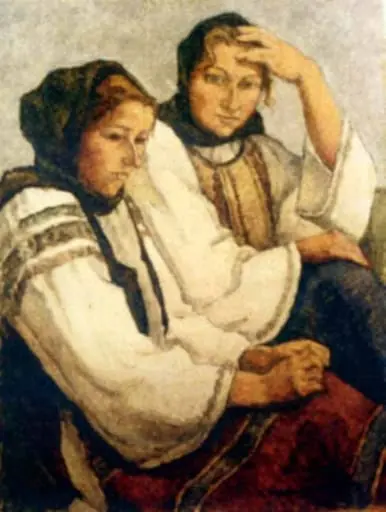
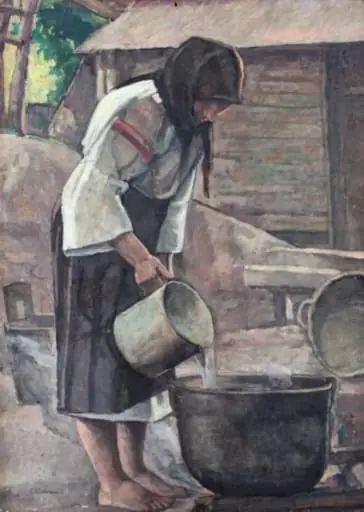
Portret de fată
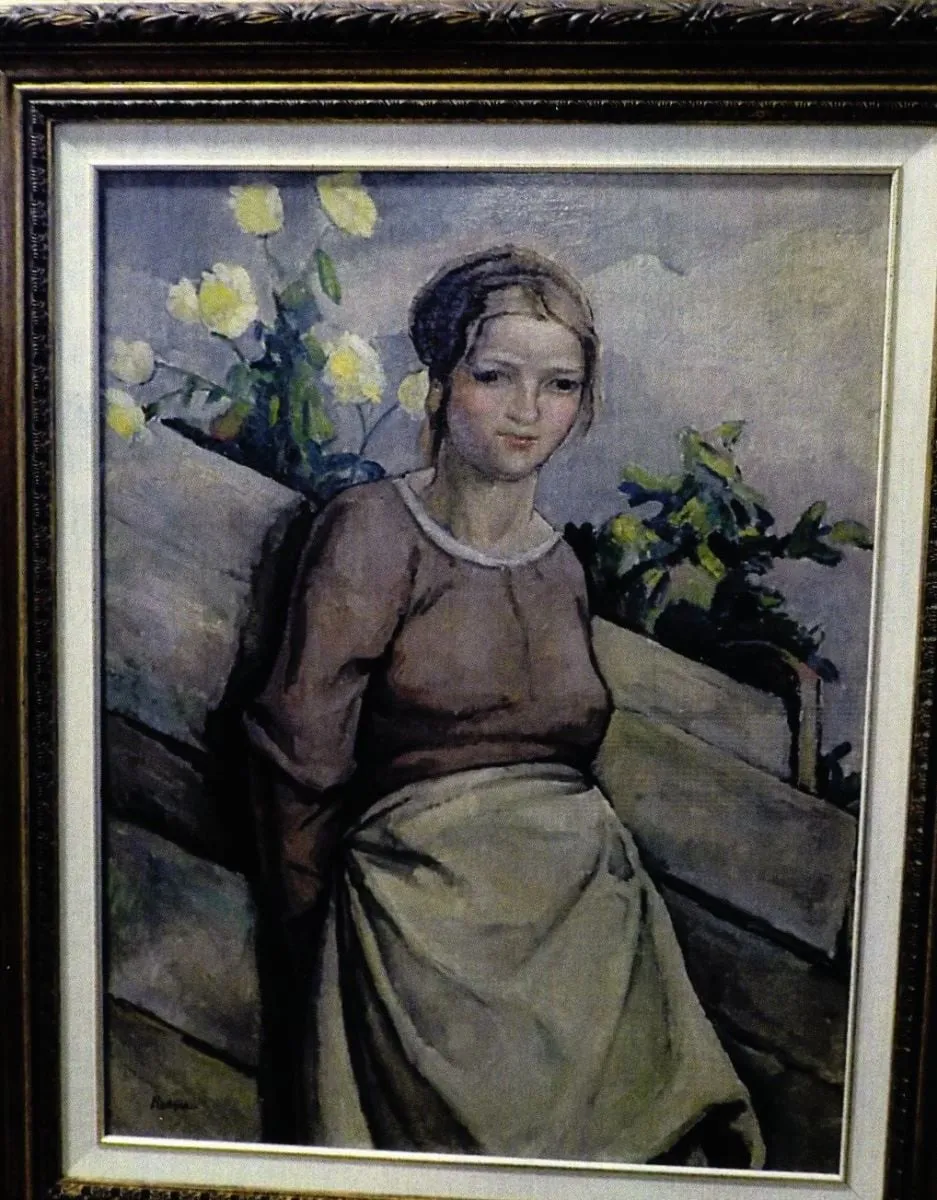
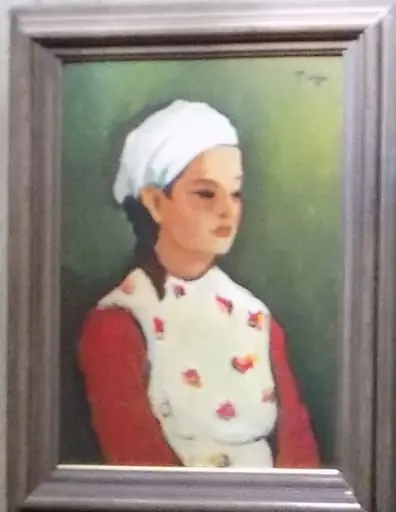
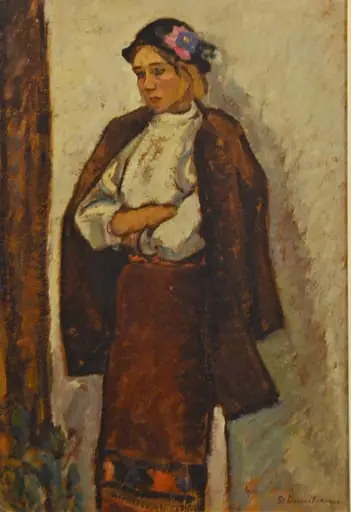
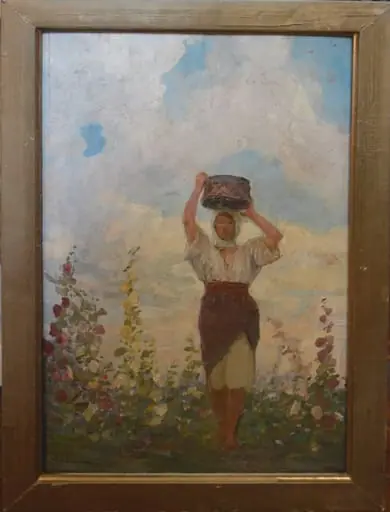
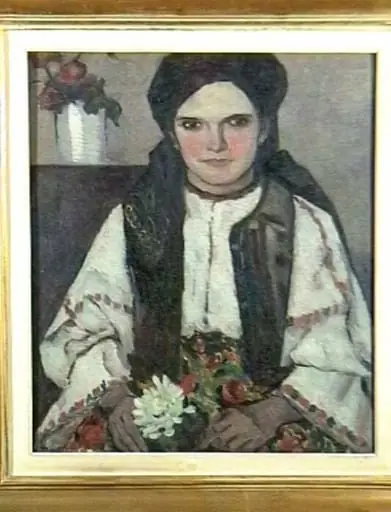
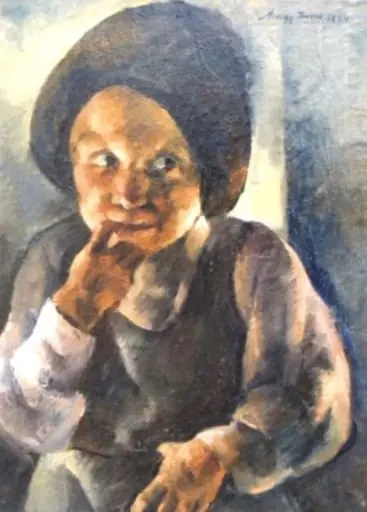
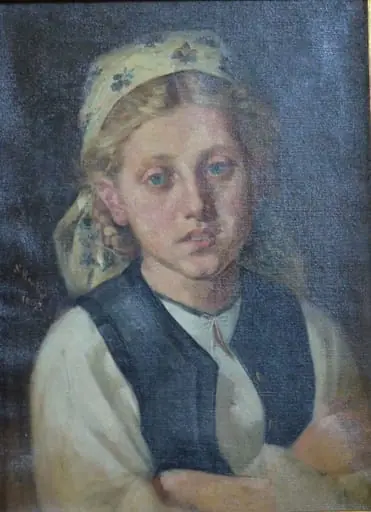
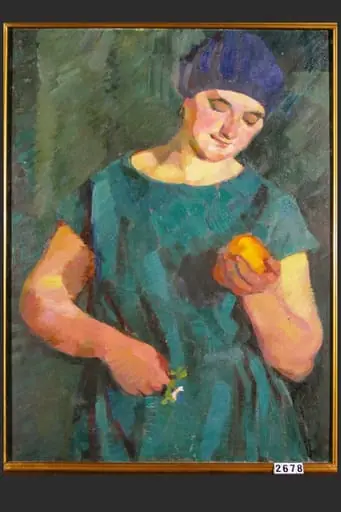
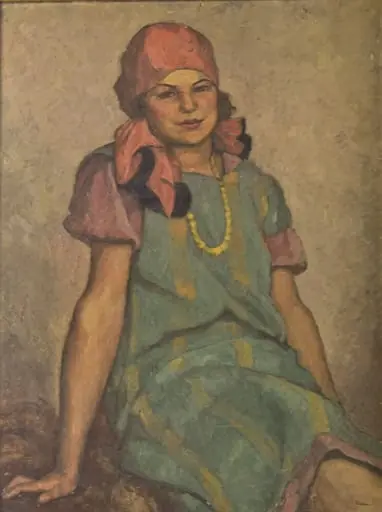
Portret de fată is a print by Camil Ressu. It dates from 1930 and is held in the collection of the Bucharest Municipality Museum.
About this work
Overview
Painted around 1930 by Romanian artist Camil Ressu, this portrait depicts a young woman in an outdoor setting. The work is part of the collection at the Museum of Ethnography. Its quiet composition and attention to natural light reflect Ressu’s interest in capturing everyday moments with emotional subtlety, avoiding theatricality in favor of intimate realism.
Subject & Meaning
The subject is a seated woman, her posture relaxed against a stone wall, suggesting a moment of stillness amid daily life. Her simple clothing and unadorned appearance point to rural or working-class origins. The absence of narrative detail invites contemplation rather than storytelling, emphasizing presence over identity, and grounding the figure in a timeless, quiet dignity.
Technique & Style
Ressu employs loose, visible brushwork, particularly in the background, to create atmospheric depth. Light and shadow model the woman’s face and garments with chiaroscuro, giving them volume without harsh definition. The contrast between the soft, blurred surroundings and the more defined figure draws focus to her stillness, reinforcing the painting’s meditative tone.
History & Provenance
The painting entered the Museum of Ethnography’s collection in the mid-20th century, likely through acquisition or donation linked to Ressu’s broader engagement with Romanian folk culture. Its preservation in an ethnographic context suggests its value as a record of regional dress and domestic life, rather than as a formal portrait of a named individual.
Context
Created during a period when Romanian artists were increasingly turning to local subjects, this work aligns with a national movement to document rural life.
Created during a period when Romanian artists were increasingly turning to local subjects, this work aligns with a national movement to document rural life. Ressu, influenced by both academic training and modernist trends, balanced realism with emotional restraint. The painting reflects a broader cultural interest in authenticity, away from urban sophistication toward the quiet rhythms of the countryside.
Legacy
Though not widely exhibited outside Romania, the portrait remains a representative example of Ressu’s mature style. Its inclusion in an ethnographic museum underscores its role as a cultural document. The work continues to be studied for its synthesis of traditional portraiture and modernist simplification, offering insight into early 20th-century Romanian visual culture.
Artist & collection

Artist
Camil Ressu was a Romanian painter and academic, one of the most significant art figures of Romania.