Artwork
Guy Little Theatrical Photograph
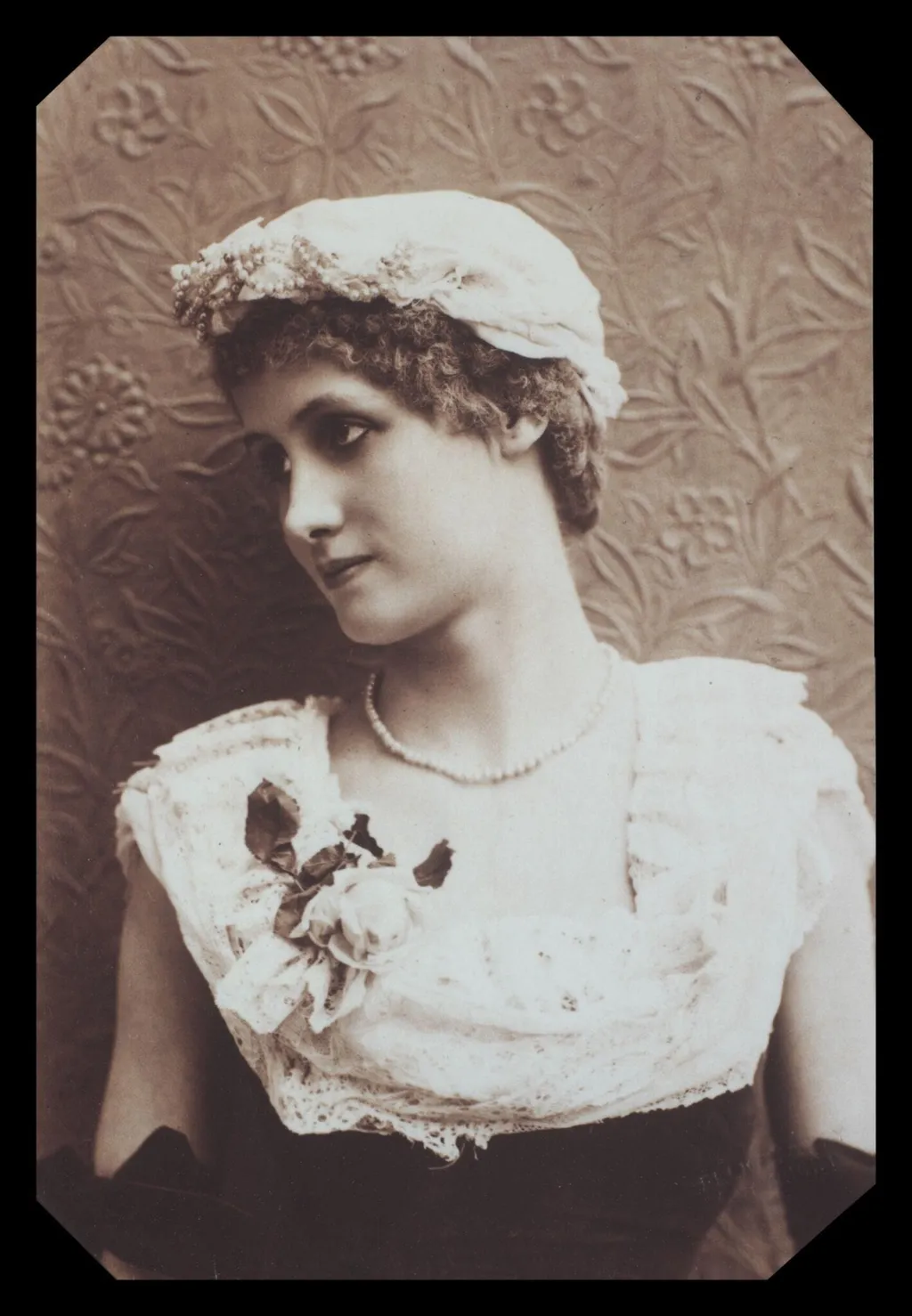
Guy Little Theatrical Photograph is a photographic photography by the Impressionist artist Elliott & Fry. It dates from 1880 and is held in the collection of the Victoria and Albert Museum.
About this work
Overview
His bequest to the V&A significantly enriched the museum’s holdings of 19th-century performance photography.
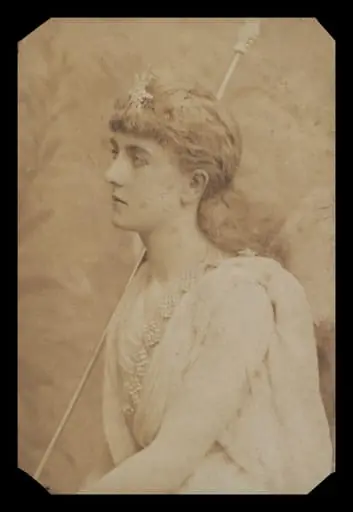
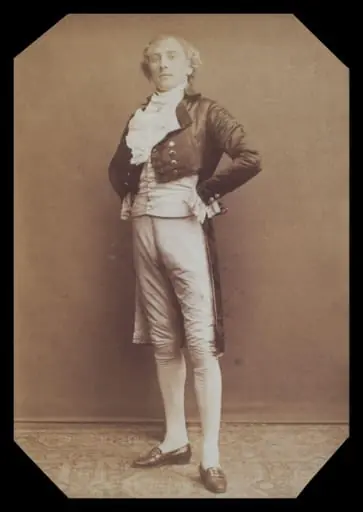
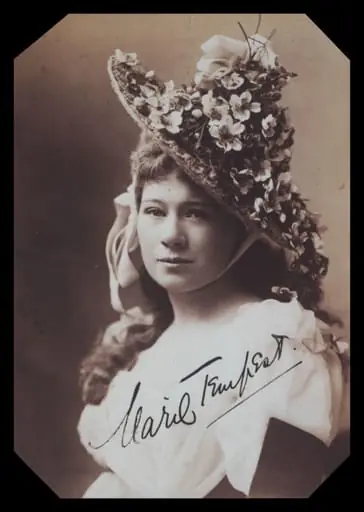
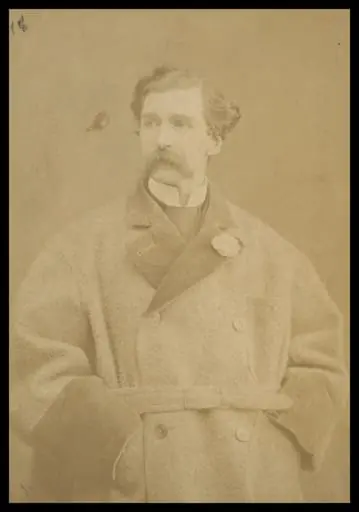
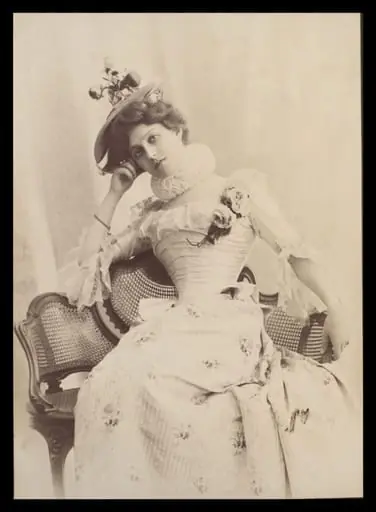
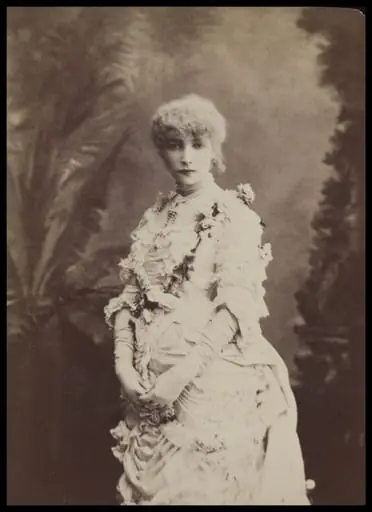
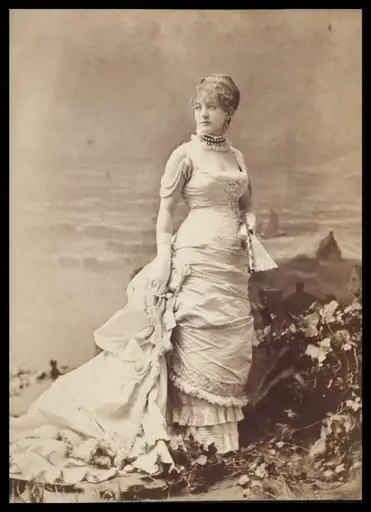
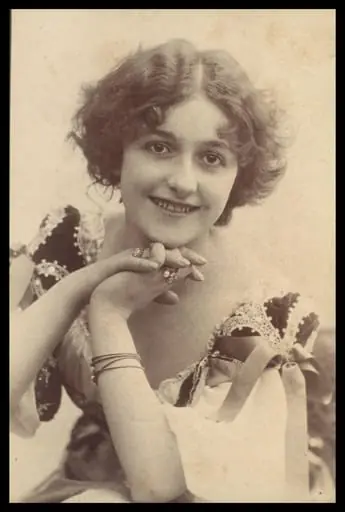
This photograph of actress Alice Lethbridge was produced by the London studio Elliott & Fry as a cabinet card, a larger and more durable format that replaced the smaller carte de visite in the late 1870s. Made using the albumen printing process on paper mounted to a stiff card, it belongs to a personal collection assembled by Guy Tristram Little, a solicitor and avid collector of theatrical memorabilia. His bequest to the V&A significantly enriched the museum’s holdings of 19th-century performance photography.
Subject & Meaning
Alice Lethbridge, a prominent stage performer of the Victorian era, is depicted in theatrical costume, capturing her in a character role rather than as a private individual. Such portraits served as both promotional tools and fan souvenirs, bridging the gap between stage and public life. The image reflects the era’s fascination with celebrity and the growing market for accessible, mass-produced images of performers, reinforcing the cultural presence of theatre in domestic spaces.
Technique & Style
The photograph is an albumen print derived from a glass negative, a standard method in late 19th-century studio photography. The image’s tonal range and fine detail reflect the technical precision of Elliott & Fry, a leading London firm known for its portrait work. Though the subject is staged, the lighting and composition avoid overt theatricality, favoring a restrained realism that aligns with contemporary photographic conventions rather than painterly styles.
History & Provenance
The photograph was once part of Guy Tristram Little’s personal album, where it was removed from its original card backing and remounted alongside hundreds of other theatrical portraits. Little, a partner in a legal firm and executor of Gabrielle Enthoven’s estate, inherited and expanded her extensive collection of performance-related materials. His donation to the V&A in the 20th century became foundational to the museum’s Theatre and Performance collections.
Context
Cabinet cards emerged as the dominant format for theatrical portraiture after the 1870s, offering greater detail and durability than the earlier carte de visite. Their popularity coincided with the rise of professional acting as a public profession and the expansion of print culture. These images were exchanged, collected, and displayed in homes, functioning as both personal mementos and markers of cultural taste among the middle classes.
Legacy
Little’s collection preserved thousands of images that might otherwise have been discarded, offering scholars a rich archive of Victorian and Edwardian performance culture. The photograph of Alice Lethbridge, like others in the collection, provides insight into how actors were visually constructed for public consumption. Today, it remains a key artifact in understanding the intersection of photography, theatre, and collecting practices in the late 19th century.
Artist & collection
Artist
These London guys snapped the 19th century’s biggest stars in quick, bright portraits you’d see outside the stage door.

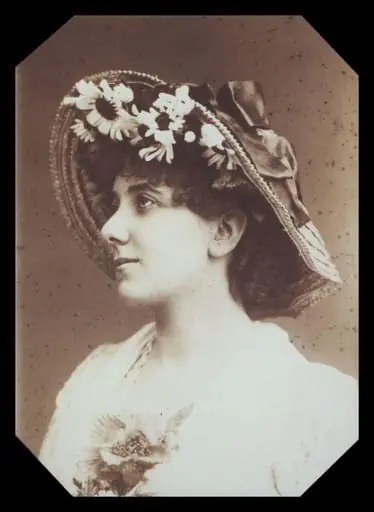
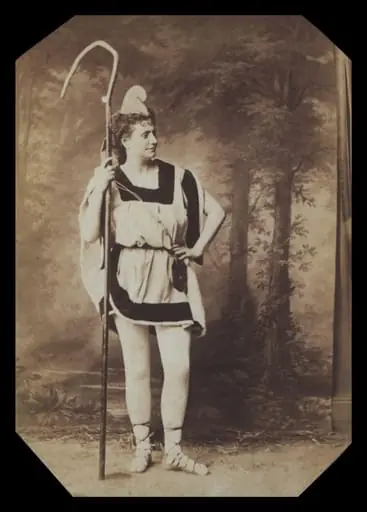
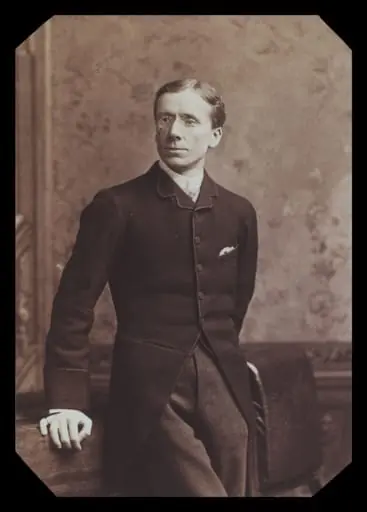
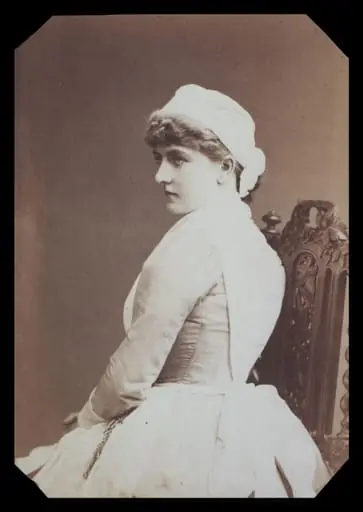
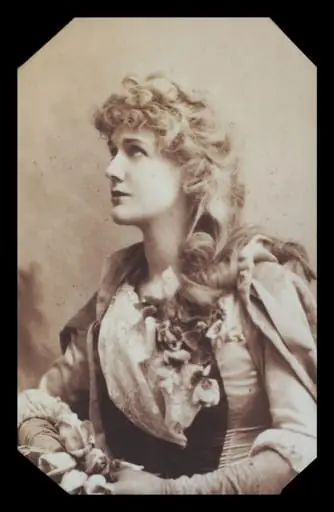 Guy Little Theatrical Photograph
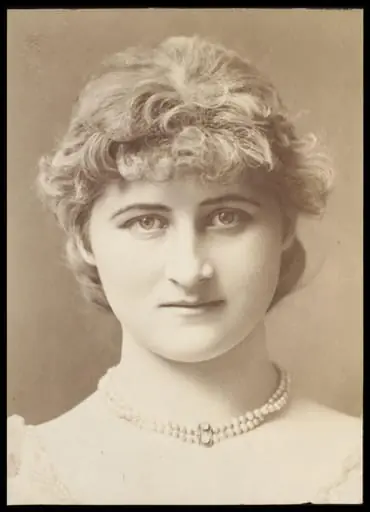 Guy Little Theatrical Photograph
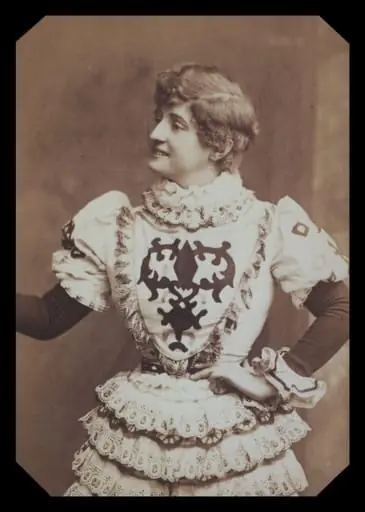 Guy Little Theatrical Photograph
 Guy Little Theatrical Photograph
 Guy Little Theatrical Photograph
 Guy Little Theatrical Photograph
 Guy Little Theatrical Photograph
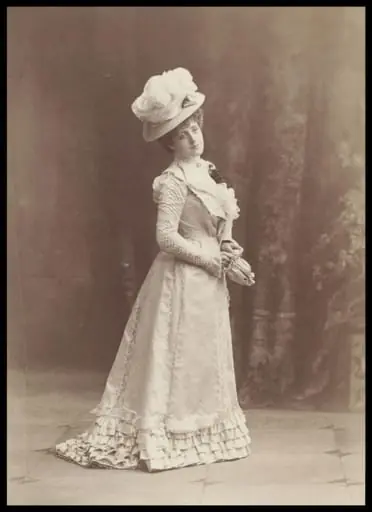 Guy Little Theatrical Photograph
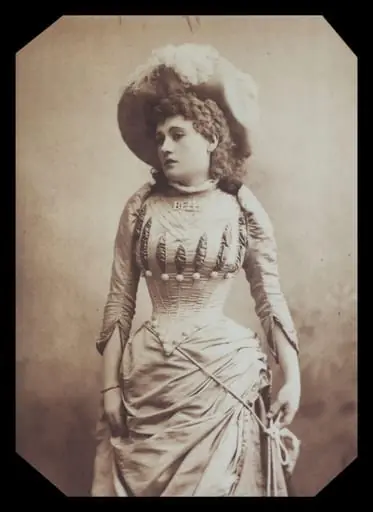 Guy Little Theatrical Photograph
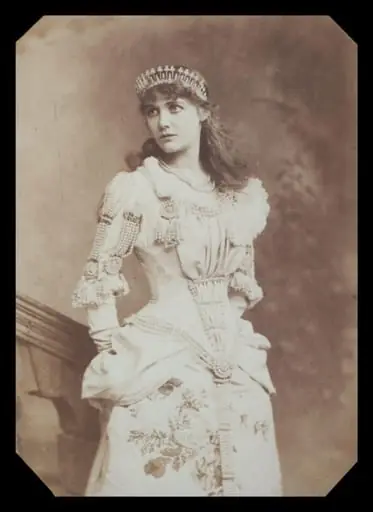 Guy Little Theatrical Photograph