Artwork
La Batalla de Almansa
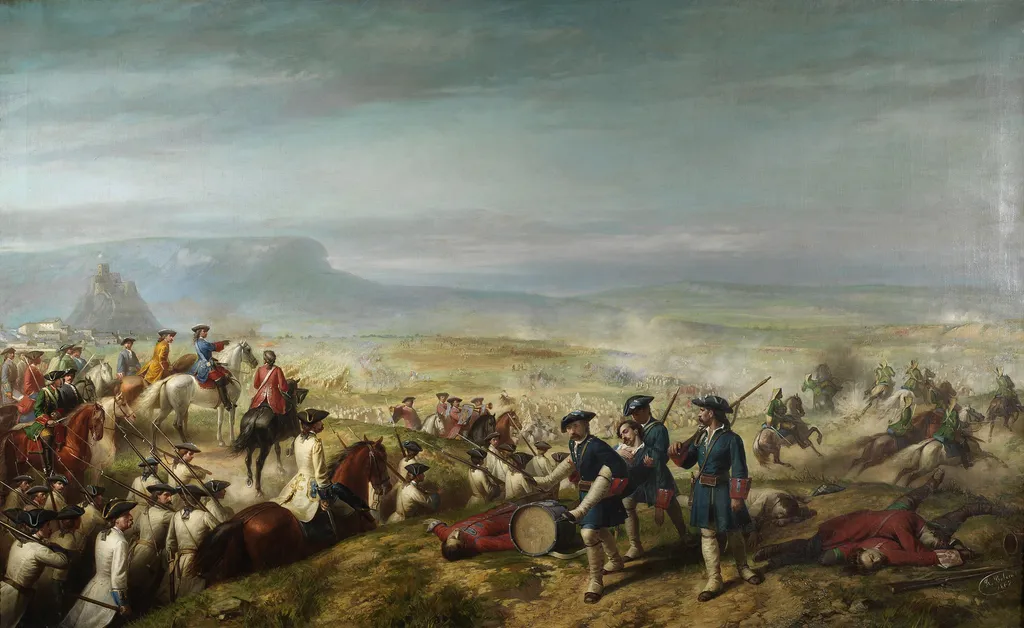
La Batalla de Almansa is an oil painting by Ricardo Balaca. It dates from 1862 and is held in the collection of the Museo del Prado.
About this work
Overview
Ricardo Balaca’s 1862 oil painting *La Batalla de Almansa* portrays a tumultuous 18th‑century battlefield. The canvas is dominated by a dense mass of cavalry and infantry, interspersed with weapons, a trumpet, and a fallen drummer. A distant hilltop castle looms behind a plume of smoke, while the composition is rendered in muted greens and browns punctuated by vivid red coats and white horses.
Subject & Meaning
The work captures the ferocity of the Battle of Almansa, a decisive clash in the War of the Spanish Succession. By emphasizing the chaos—soldiers on horseback, men on foot, and the scattered instruments of war—Balaca conveys the disorder and human cost of the encounter rather than celebrating a victorious outcome.
Technique & Style
Balaca employs a loose, dynamic brushwork that heightens the sense of movement. The palette is restrained, allowing the bright red uniforms and the stark white of the horses to emerge as focal points. Light and shadow are used to model forms and suggest depth, while the smoky atmosphere adds atmospheric perspective.
History & Provenance
Created in 1862, the painting entered the collection of Madrid’s Museo del Prado, where it remains on display. Balaca, a specialist in military subjects, came from an artistic family; his brother Eduardo Balaca was also a painter, though Ricardo is chiefly remembered for his battle scenes.
Context
During the mid‑19th century, Spanish art saw a renewed interest in historic and patriotic themes, often rendered with dramatic realism. Balaca’s focus on military episodes aligns with contemporary efforts to document national history through vivid visual narratives.
Own this work as a print
Artist & collection
Artist
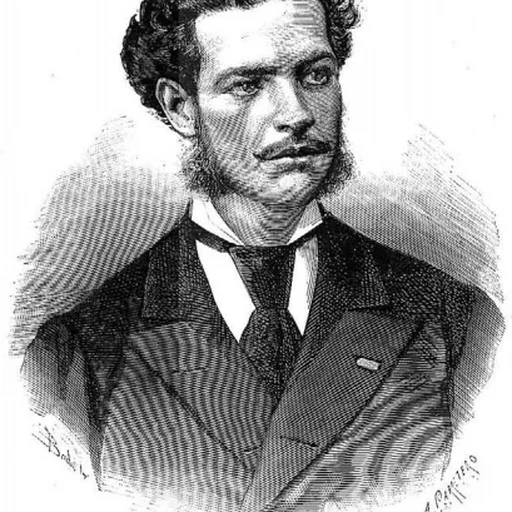
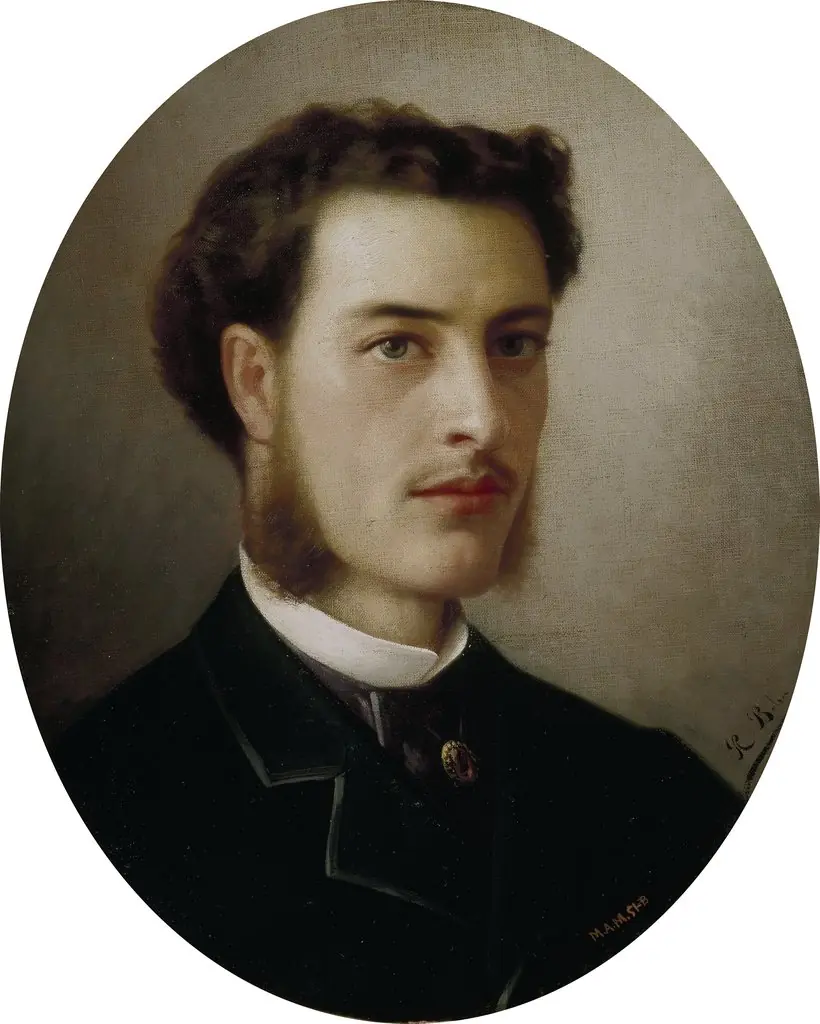
Ricardo Balaca y Orejas-Canseco (31 December 1844 – 12 February 1880) was a Spanish painter and illustrator who specialized in battle scenes. His brother, Eduardo, was also a well-known painter.

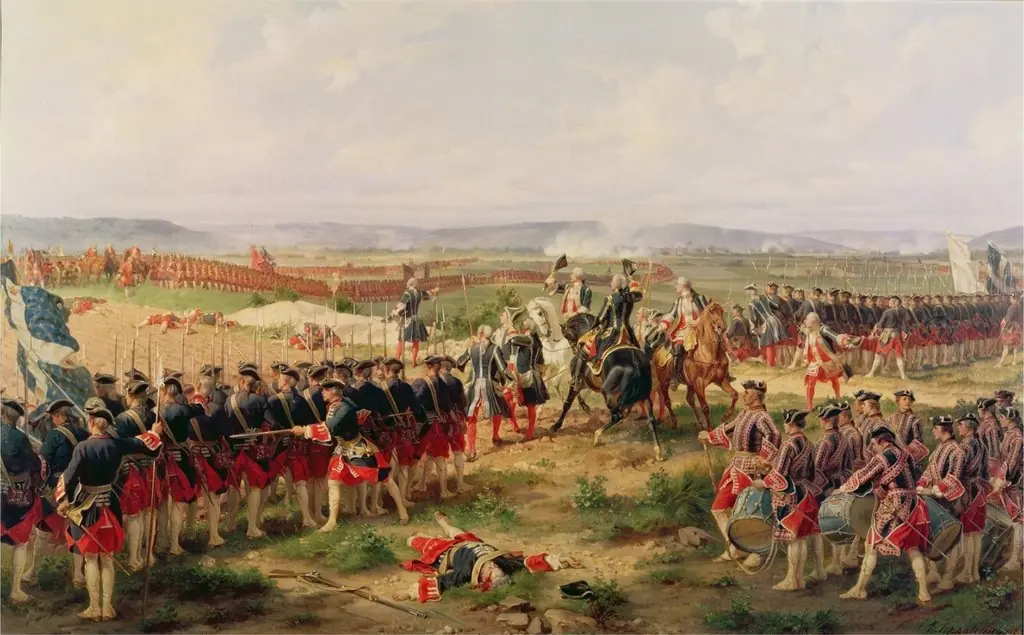 The Battle of Fontenoy, 1745: The French and the Allies Confronting Each Other
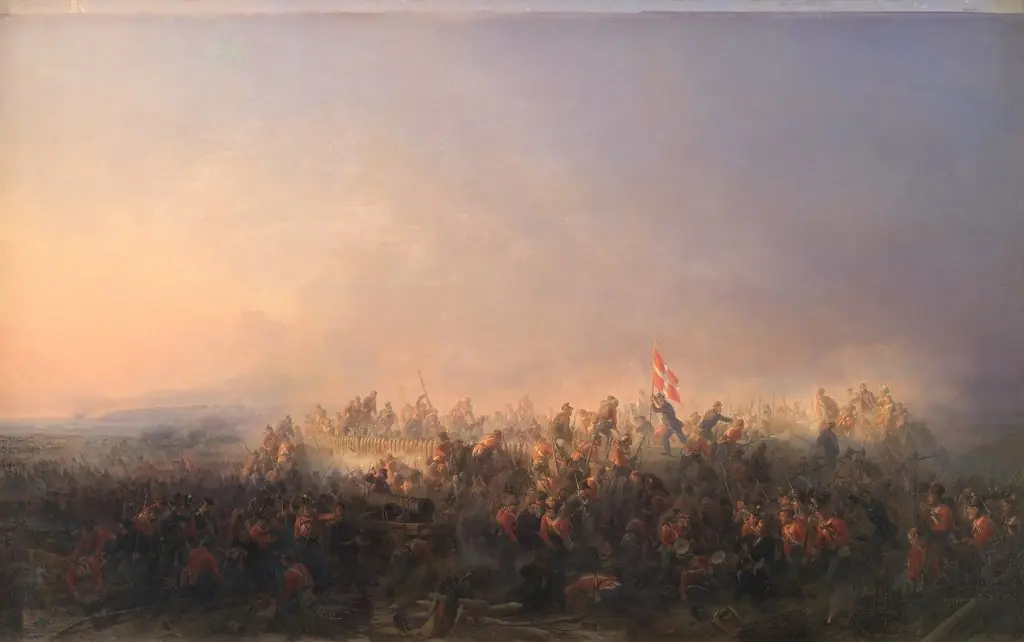 Slaget ved Fredericia den 6. juli 1849
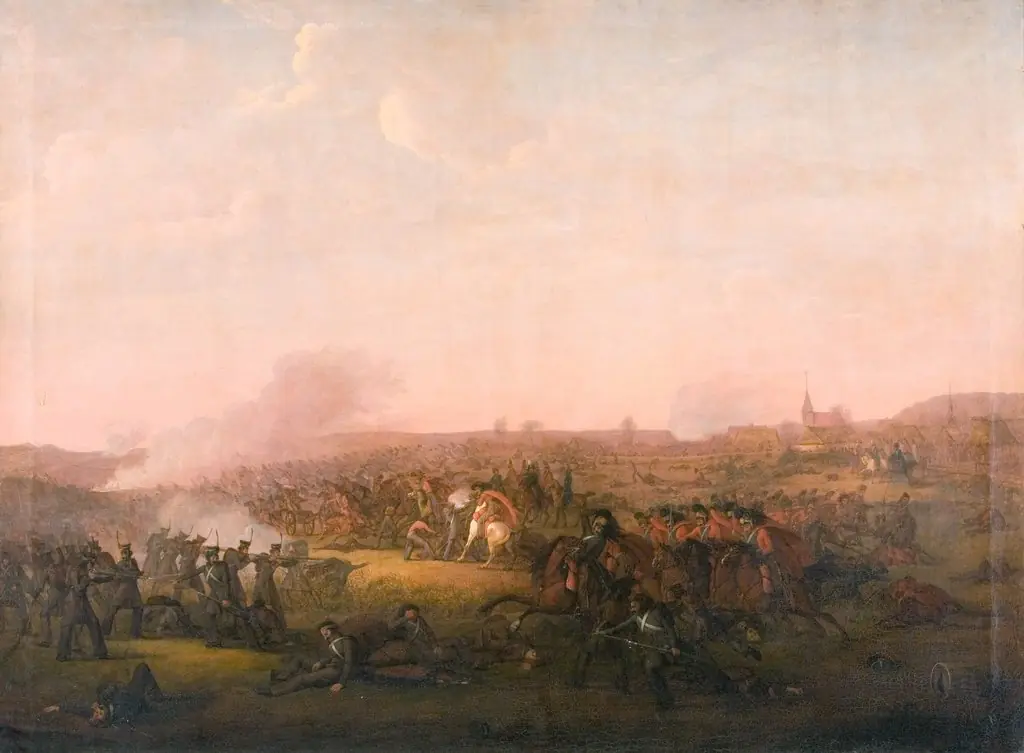 Slaget ved Sehested
 De Slag bij Bautersem, gedurende de Tiendaagse Veldtocht
 Battle Scene
 The Battle of Mount Tabor
 The Grand Attack on Valenciennes
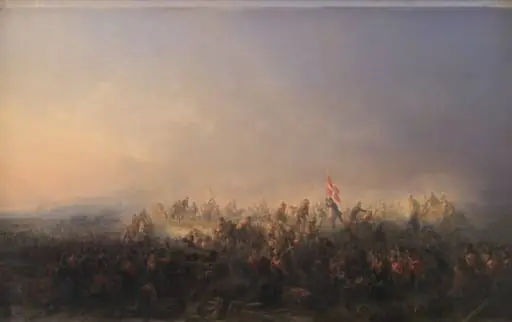 Slaget ved Fredericia den 6. juli 1849
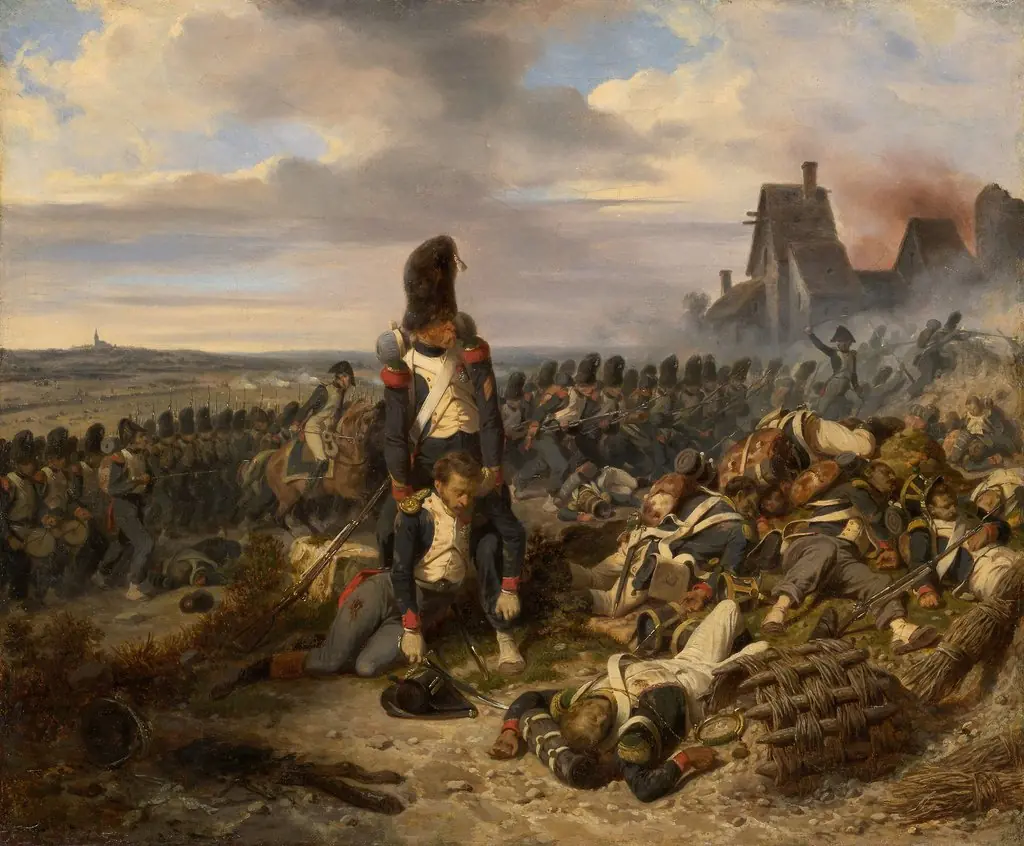 Battle Scene
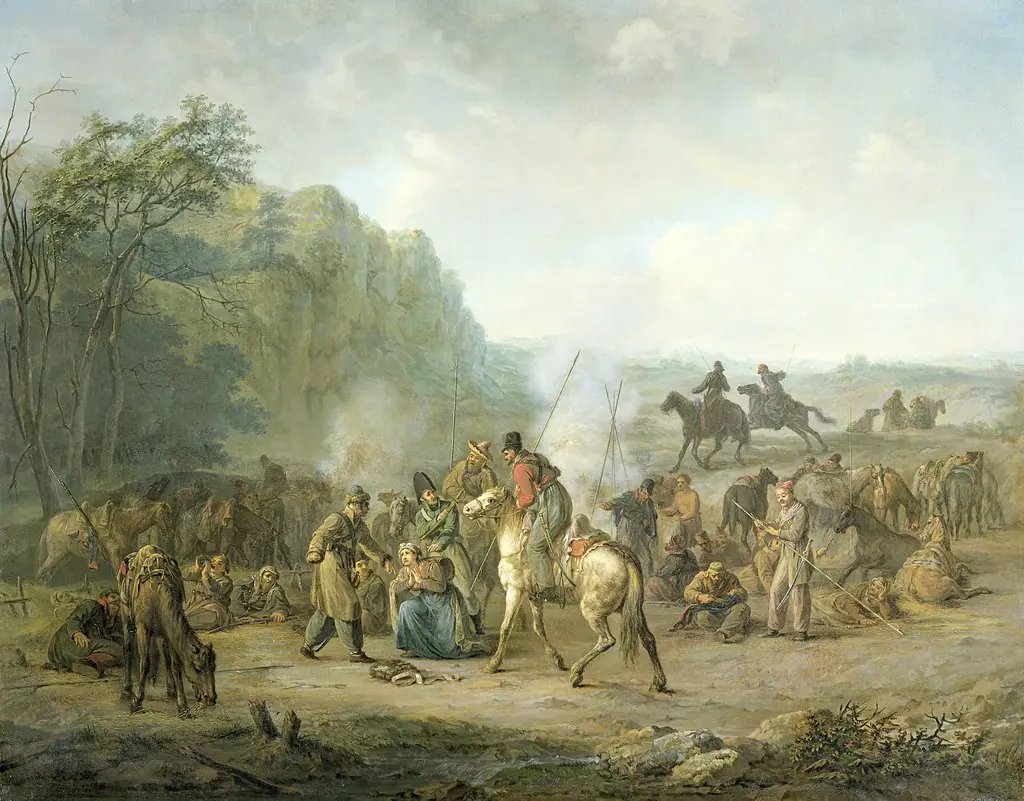 Cossack Camp, 1813
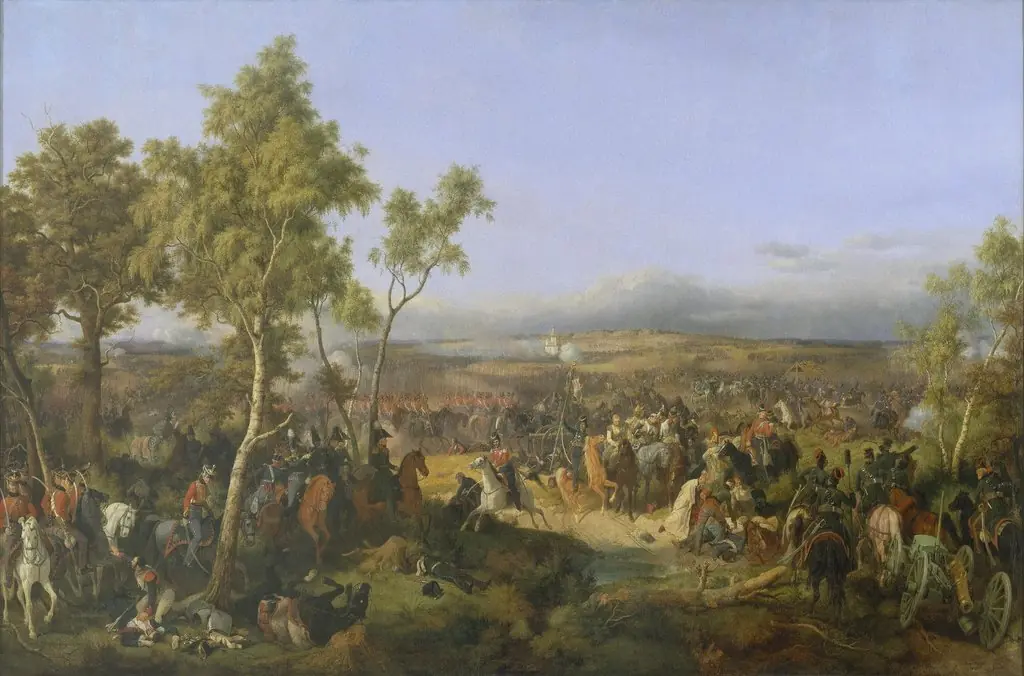 Battle of Tarutino on 6 (18) October 1812