Artwork
Voyages pittoresques et romantiques dans l'ancienne France, Normandie: Église de Saint Gervais et Saint Protais à Gisors
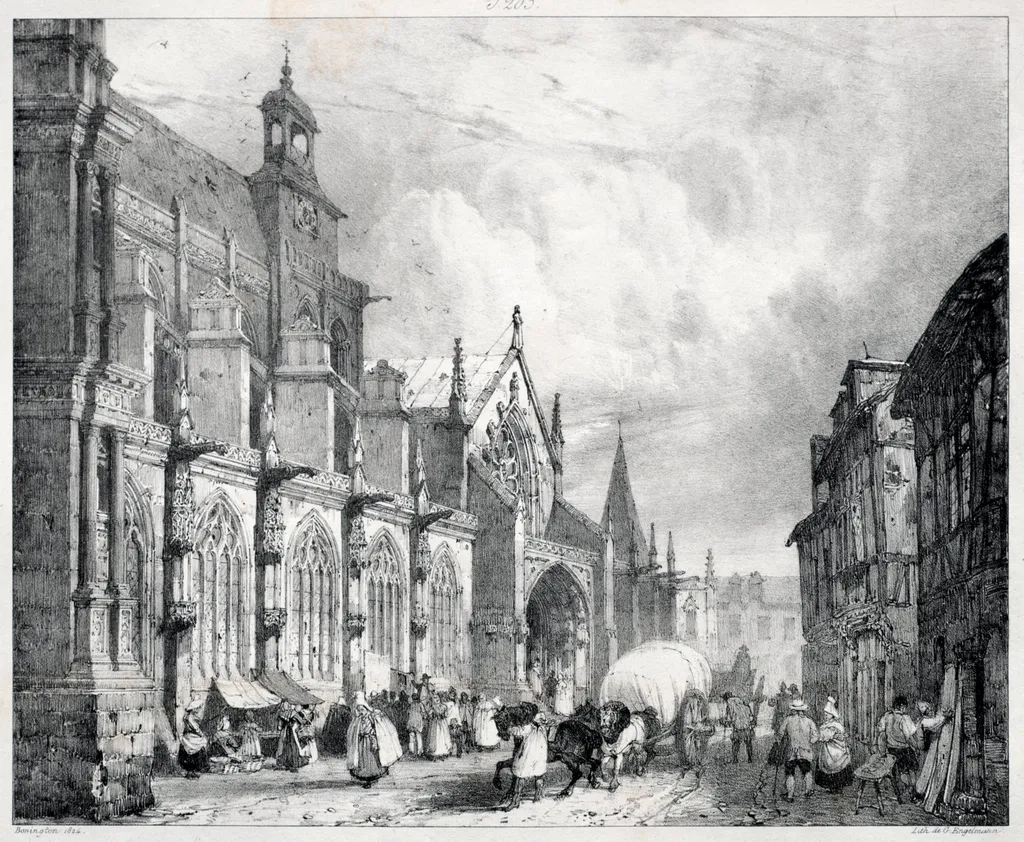
Voyages pittoresques et romantiques dans l'ancienne France, Normandie: Église de Saint Gervais et Saint Protais à Gisors is a print by the Romanticist artist Richard Parkes Bonington. It dates from 1824 and is held in the collection of the Cleveland Museum of Art.
About this work
Overview
The work reflects his engagement with French Romanticism and his ability to merge English watercolor techniques with continental subject matter.
Created in 1824 by English artist Richard Parkes Bonington, this print is part of a series documenting historic sites in France. Bonington, who lived and worked extensively in Normandy, captured the church of Saint-Gervais-et-Saint-Protais in Gisors with keen attention to daily life and architectural detail. The work reflects his engagement with French Romanticism and his ability to merge English watercolor techniques with continental subject matter.
Subject & Meaning
The scene portrays the medieval church surrounded by ordinary urban activity—pedestrians, vendors, and artists at work. Rather than idealizing the structure as a monument, Bonington situates it within a lived environment, suggesting the continuity of sacred space within secular life. The presence of fellow artists underscores the act of observation itself as a form of cultural preservation.
Technique & Style
Bonington employed delicate watercolor washes and precise ink linework to render texture and atmosphere. Light falls unevenly across stone facades and cobblestones, creating depth and movement. The figures are rendered with minimal detail but clear gestures, enhancing the sense of spontaneity. His technique balances topographical accuracy with emotional resonance, characteristic of Romantic landscape practice.
History & Provenance
The print was produced as part of a multi-volume publication commissioned to illustrate France’s architectural heritage. Bonington contributed several views of Normandy, drawn during his travels in the early 1820s. The series was widely distributed among collectors and scholars, helping to popularize regional historic sites beyond academic circles. This particular plate remains among the best-documented works from the project.
Context
In the 1820s, France experienced a surge of interest in medieval architecture, fueled by antiquarianism and the rise of Romanticism. Artists and writers sought to capture structures perceived as symbols of national identity before industrialization altered them. Bonington’s depiction aligns with this movement, presenting the church not as a relic but as a living part of its community.
Legacy
Bonington’s prints influenced later generations of landscape artists in both Britain and France, particularly in their integration of everyday life into architectural studies. His approach to light and atmosphere helped shape the development of plein air painting. The Gisors print endures as a record of early 19th-century visual culture and the evolving relationship between art and historical memory.
Artist & collection
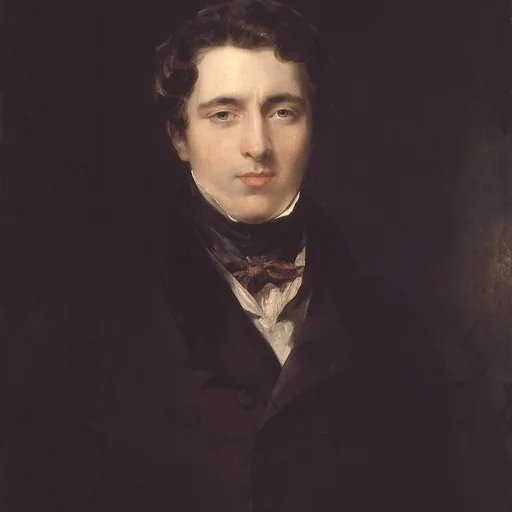
Artist
Richard Parkes Bonington (25 October 1802 – 23 September 1828) was an English Romantic landscape painter.

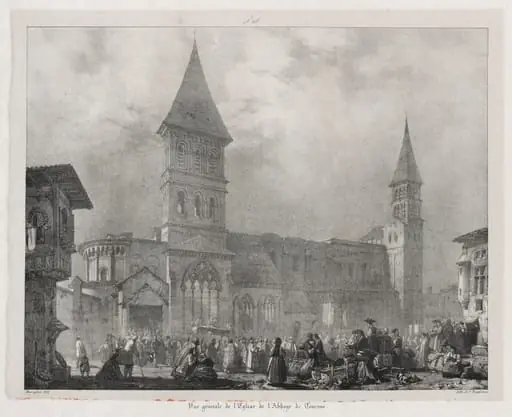 Voyages pittoresques et romantiques dans l'ancienne France, Franche-Comté: Église de l'abbaye de Tournus
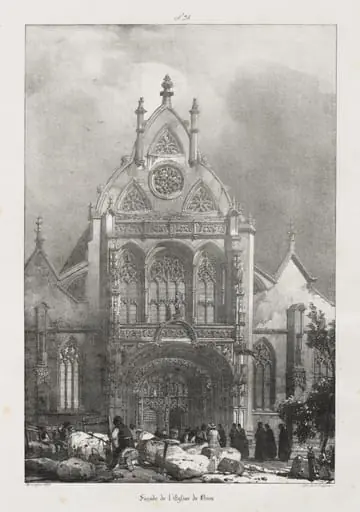 Voyages pittoresques et romantiques dans l'ancienne France, Franche-Comté: Façade de l'église de Brou
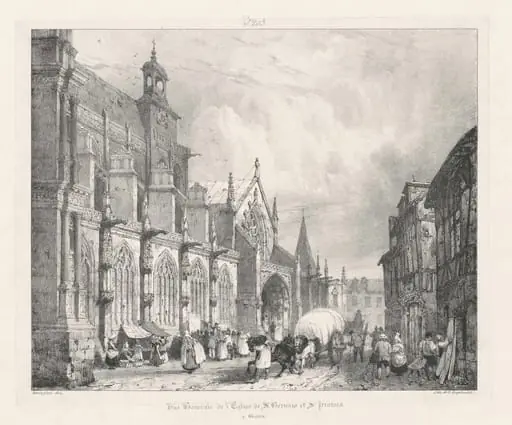 Vue general de l'Église St. Gervais et St. Protais à Gisors
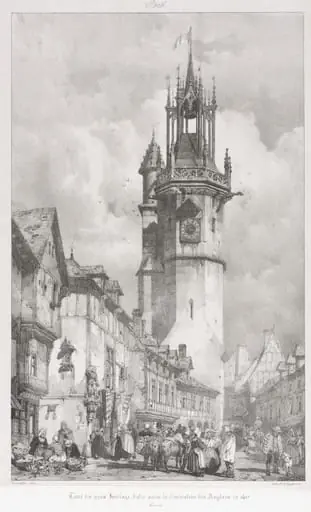 Voyages Pittoresques et Romantique dans l'Ancienne France, Normandie: Tour du Gros-Horlage, Évreux
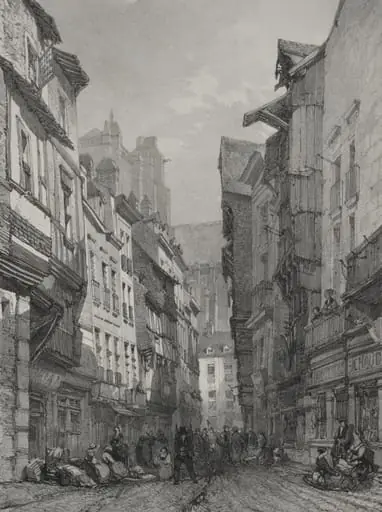 Voyages pittoresques et romantiques dans l'ancienne France. Bretagne: Grande rue vieille à Nantes
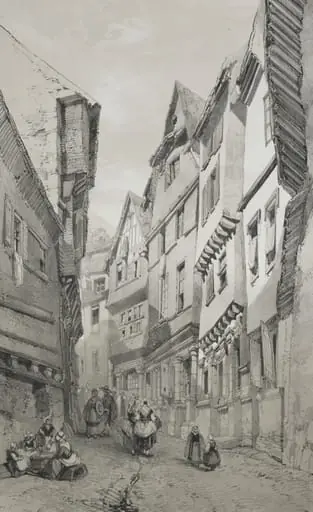 Voyages pittoresques et romantiques dans l'ancienne France. Bretagne: Morlaix