Artwork
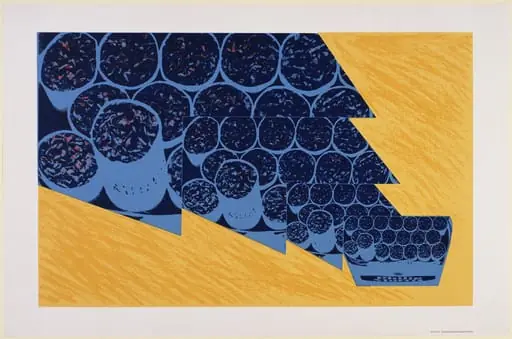
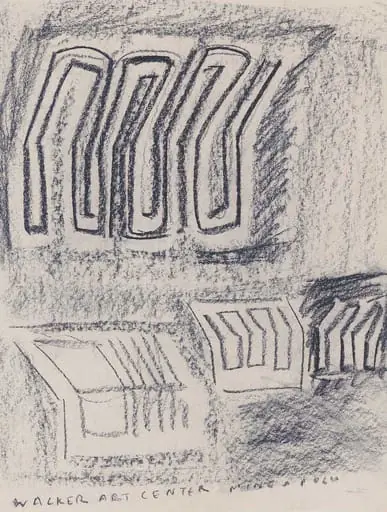
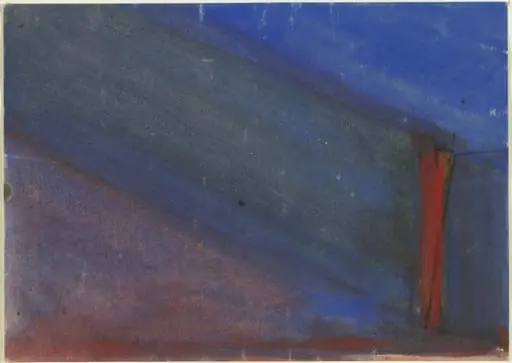
study for silkscreen print
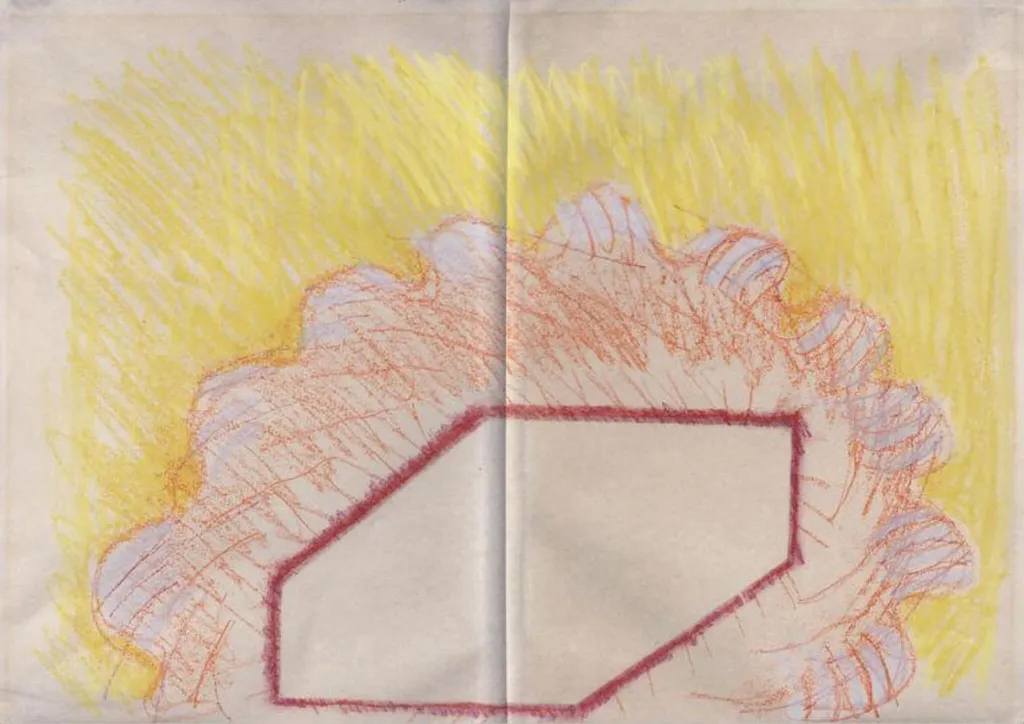
study for silkscreen print is a drawing by Richard Smith. It dates from 1963 and is held in the collection of the Victoria and Albert Museum.
About this work
Overview
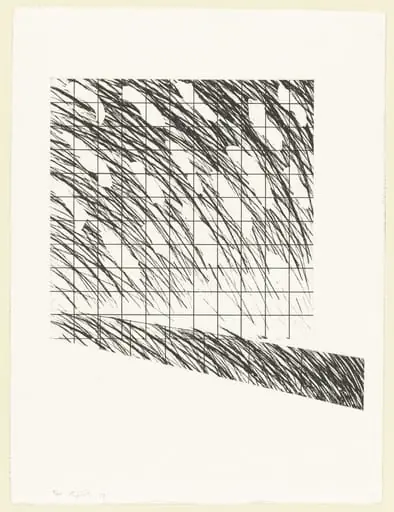
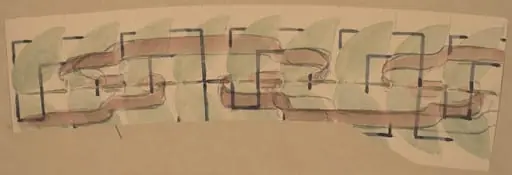
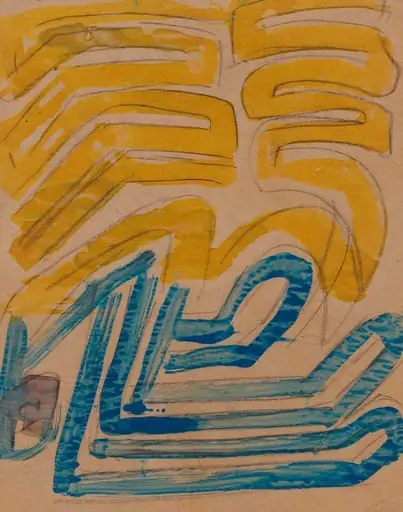
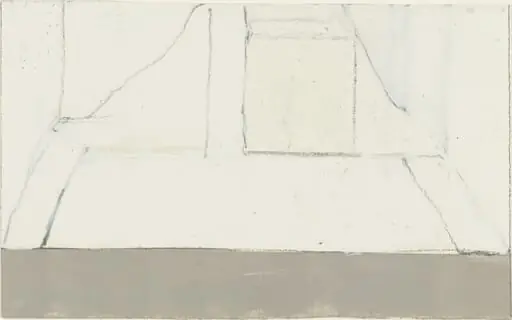
Created in 1963, this drawing by Richard Smith functions as a preparatory study for a silkscreen print. Executed in crayon on paper, it reflects the artist’s exploration of form and color before translating ideas into a printed medium. The work is part of the Victoria and Albert Museum’s collection, representing Smith’s engagement with the boundaries between drawing and industrial printmaking.
Subject & Meaning
The drawing depicts a hand gripping a rectangular object, its fingers curled around the form. The object’s geometric simplicity contrasts with the organic rendering of the hand, suggesting a tension between the human and the manufactured. This interplay may reflect Smith’s interest in everyday objects and their transformation through artistic intervention.
Technique & Style
Crayon in red and yellow is applied with deliberate pressure, creating layered textures and uneven edges. The rectangular shape is defined by a bold red outline, while the background is built from loose, gestural marks. The medium’s physicality emphasizes tactile qualities, distinguishing the study from the flatness typical of finished silkscreens.
History & Provenance
The drawing entered the Victoria and Albert Museum’s collection as part of its broader documentation of 20th-century British art. Its preservation as a study rather than a final print underscores the museum’s interest in artistic process. No public record of prior ownership exists beyond its acquisition by the V&A.
Context
In the early 1960s, British artists like Smith were redefining painting and printmaking by incorporating elements of popular culture and commercial design. This study aligns with a broader movement that blurred distinctions between fine art and mass-produced imagery, using familiar forms to question artistic hierarchy.
Legacy
Though not a finished print, this study reveals Smith’s method of working through visual problems in a direct, material way. It contributes to understanding how his later silkscreens achieved their distinctive color relationships and formal clarity, positioning the drawing as a key link in his evolving practice.
Artist & collection