Artwork
Untitled
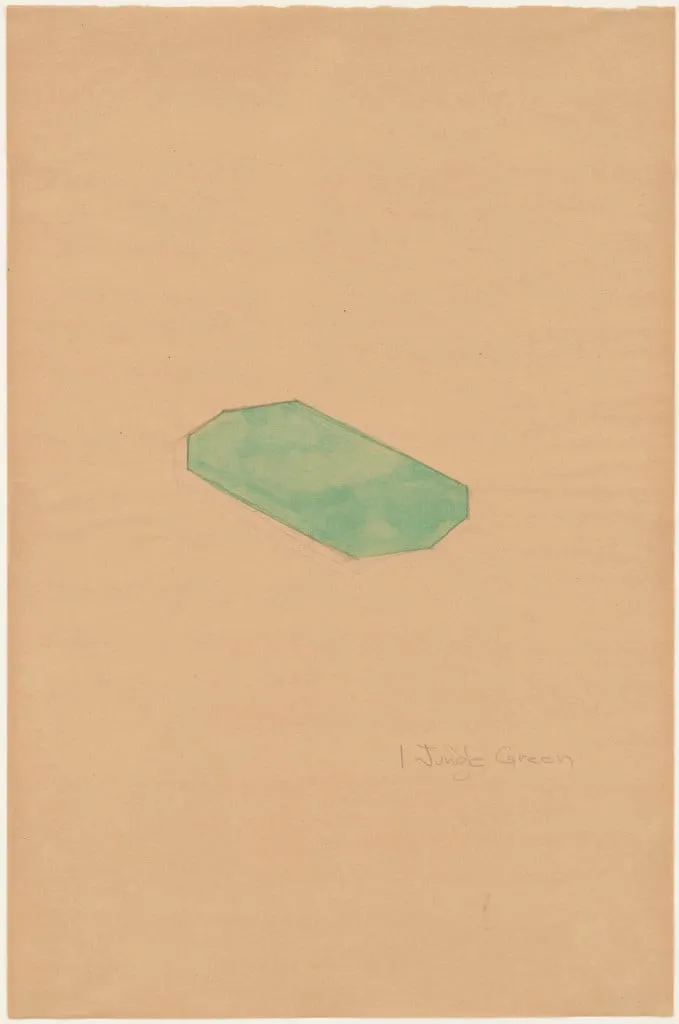
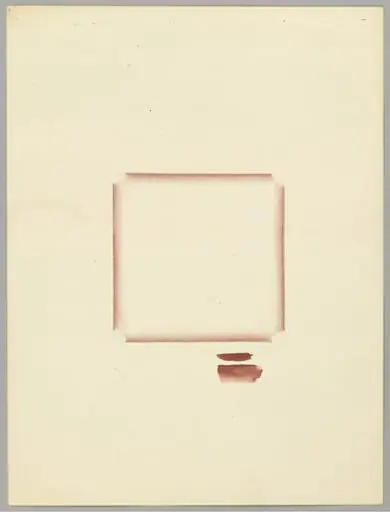
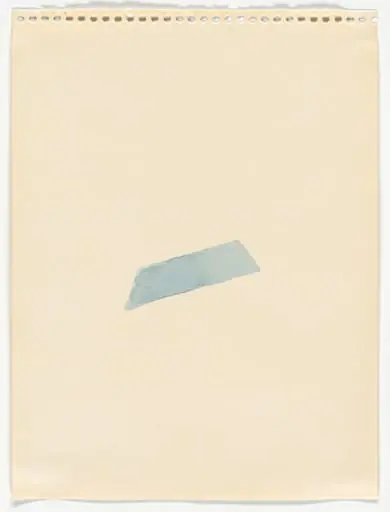
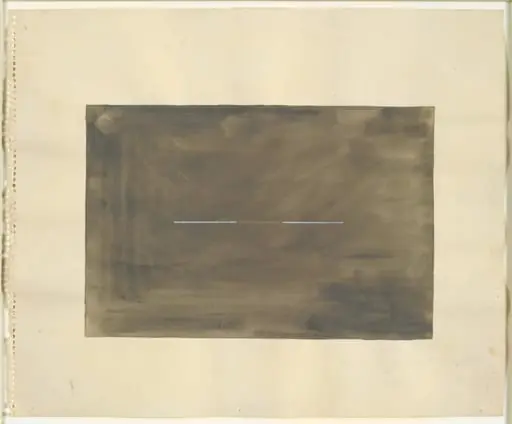
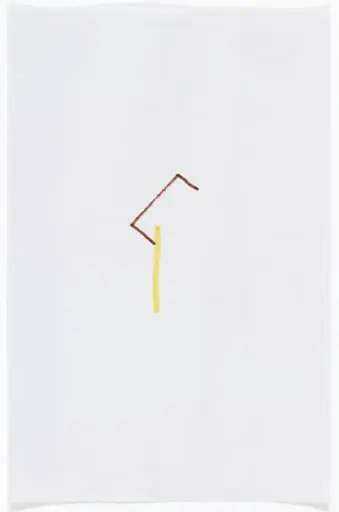
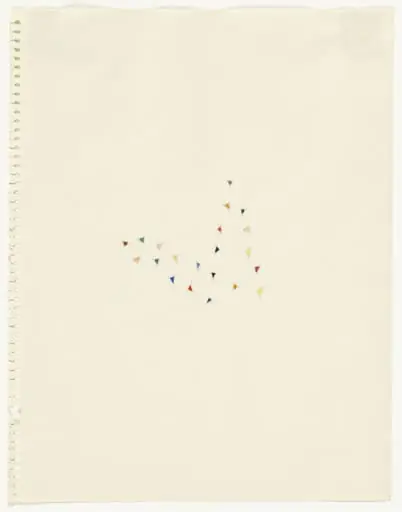
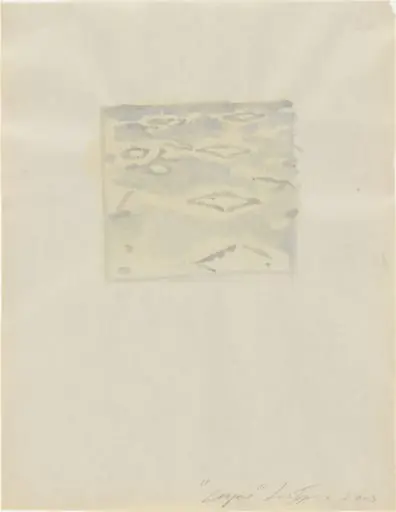
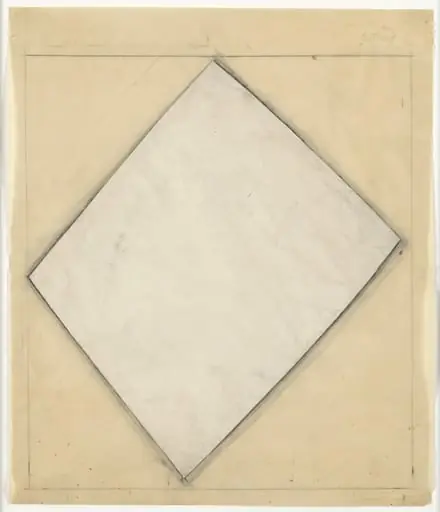
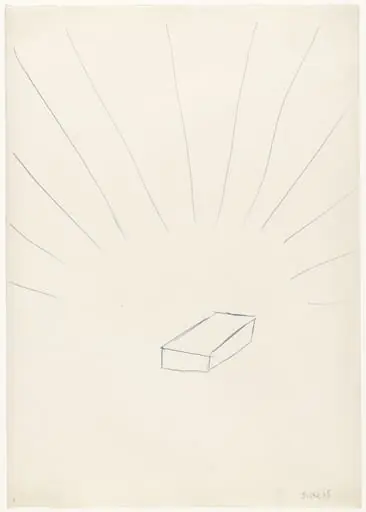
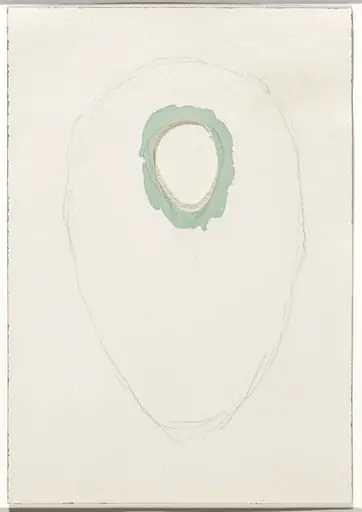
Untitled is a watercolor drawing by Richard Tuttle. It dates from 1967 and is held in the collection of the Museum of Modern Art.
About this work
Overview
Executed on paper, the piece is modest in size and quiet in presence, reflecting his shift away from monumental forms toward delicate, intimate gestures.
Created in 1967, this watercolor and pencil drawing by Richard Tuttle belongs to his early body of work, where scale and restraint define his approach. Executed on paper, the piece is modest in size and quiet in presence, reflecting his shift away from monumental forms toward delicate, intimate gestures. It resides in The Museum of Modern Art’s collection as an example of postminimalist inquiry into material and perception.
Subject & Meaning
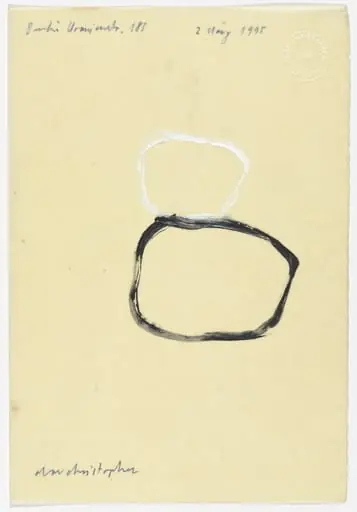
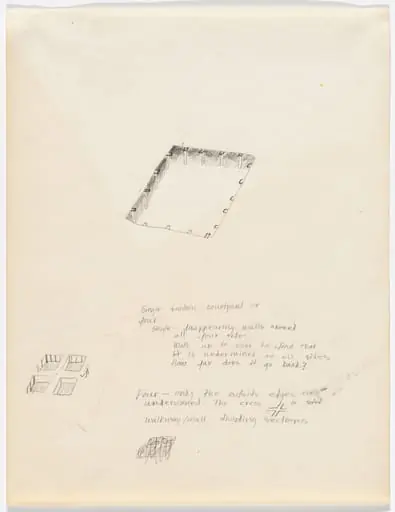
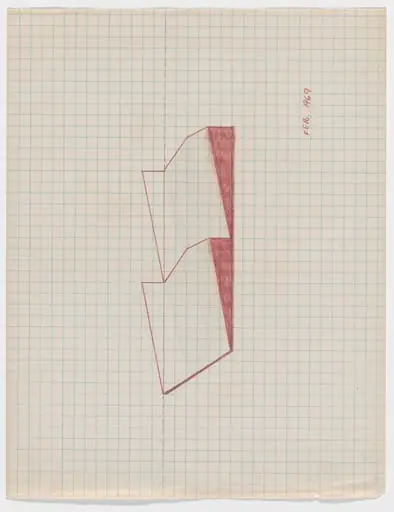
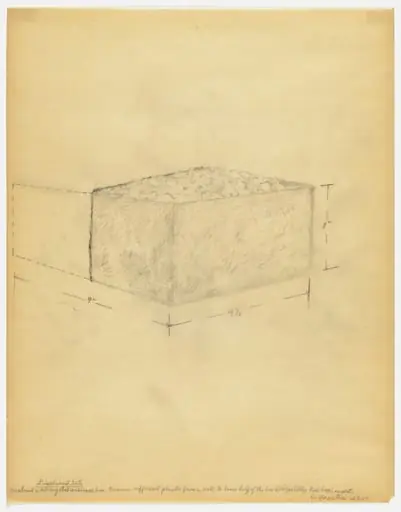
The drawing depicts a pale green octagon, its edges softened by smudged pencil, appearing to hover lightly against the white paper. It was not intended as a finished image but as a preparatory study for a three-dimensional work in fabric and wood. The form’s simplicity invites attention to its presence rather than its symbolism, emphasizing the act of making and the vulnerability of materials.
Technique & Style
Tuttle employed watercolor in a restrained, almost imperceptible manner, allowing the pigment to settle faintly on the paper’s surface. Pencil lines were deliberately blurred, reducing definition and avoiding sharp boundaries. This technique, akin to glazing, creates a sense of transience, aligning with his interest in art that feels ephemeral rather than fixed or authoritative.
History & Provenance
This work emerged during a period when Tuttle was exploring the relationship between drawing and sculpture, testing forms before translating them into larger materials. It was retained by the artist and later acquired by The Museum of Modern Art, where it is held as a significant document of his process and conceptual evolution in the late 1960s.
Context
In the mid-to-late 1960s, artists were redefining sculpture by rejecting industrial grandeur in favor of humble materials and personal scale. Tuttle’s work responded to this shift, using drawing not as a sketch but as a site of experimentation. His approach challenged distinctions between finished work and study, foregrounding process over product.
Legacy
The drawing exemplifies Tuttle’s enduring influence on contemporary art’s embrace of subtlety and material sensitivity. By treating a preparatory mark as worthy of display, he expanded the boundaries of what constitutes a finished artwork. His insistence on lightness and impermanence continues to inform artists working with minimal intervention and quiet presence.
Artist & collection
Artist
Richard Dean Tuttle (born July 12, 1941) is an American postminimalist artist known for his small, casual, subtle, intimate works.