Artwork
Untitled
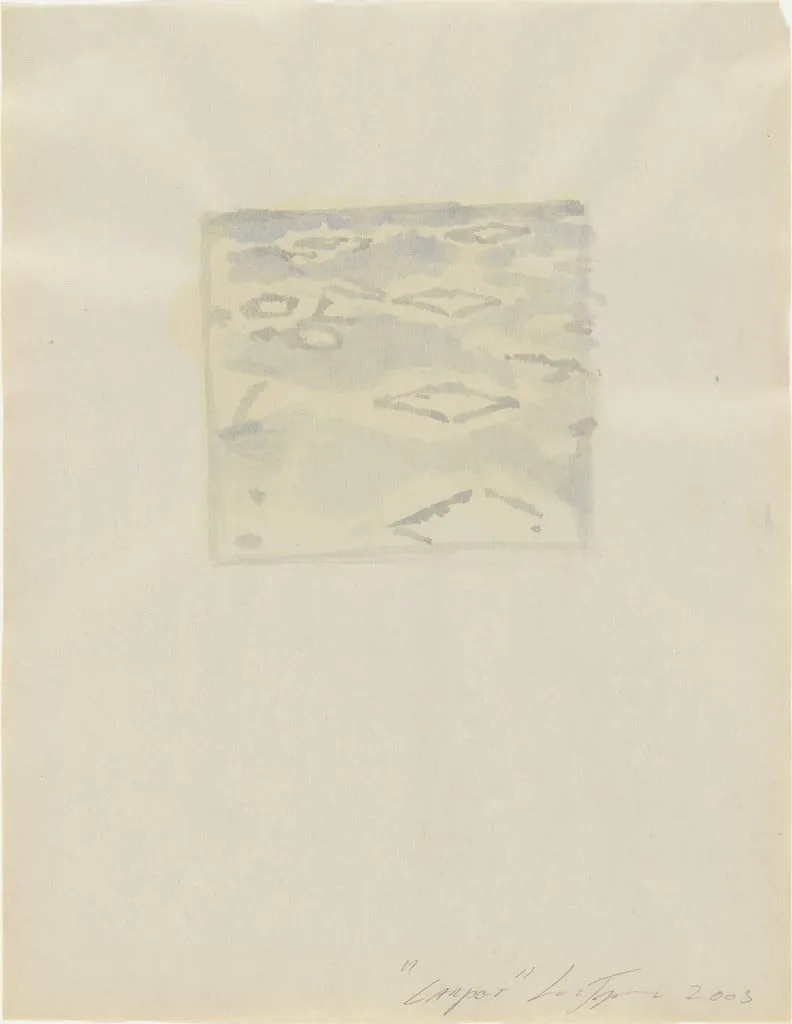
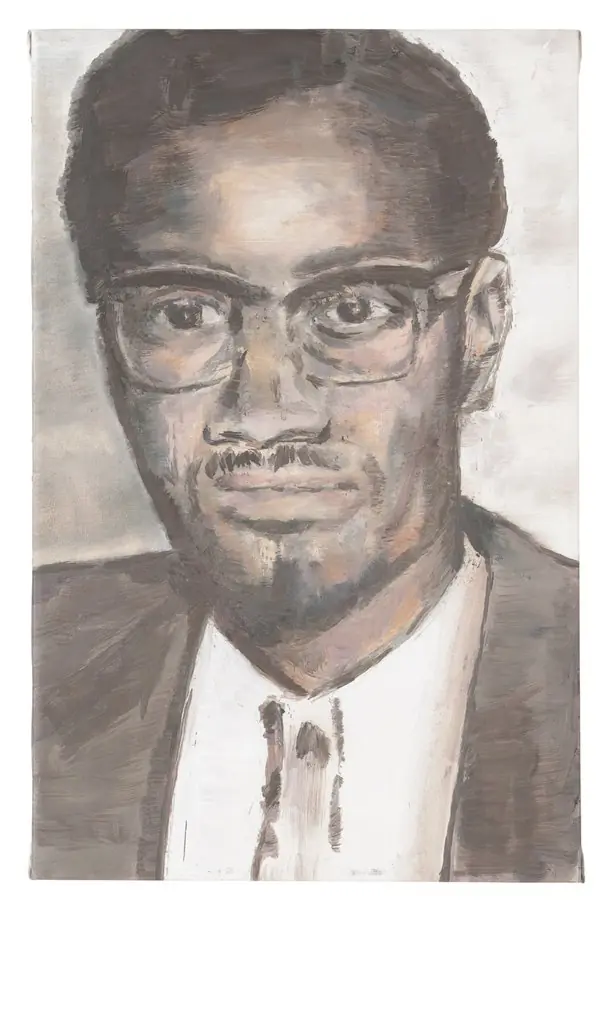
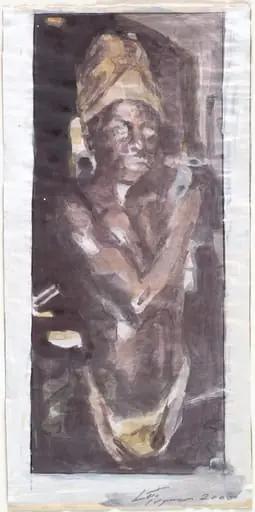
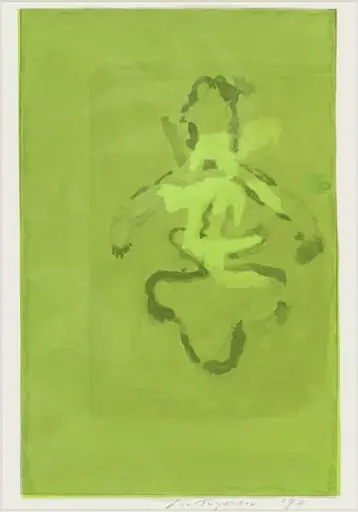
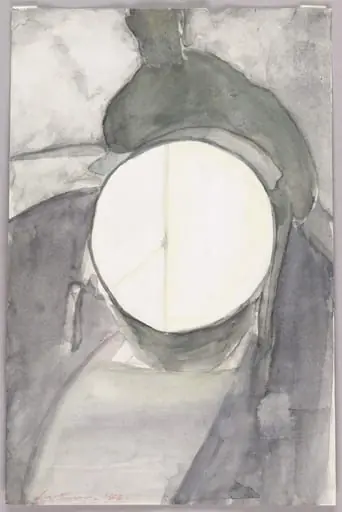
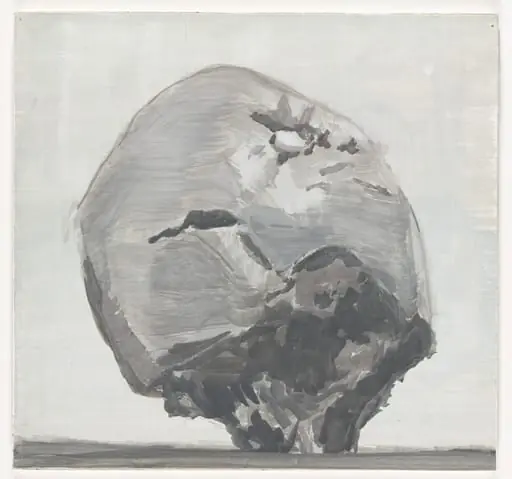
Untitled is a gouache drawing by Luc Tuymans. It dates from 2003 and is held in the collection of the Museum of Modern Art.
About this work
Overview
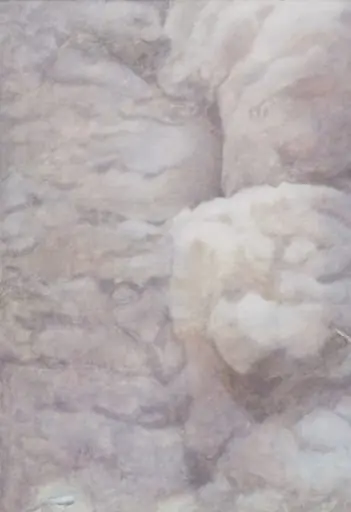
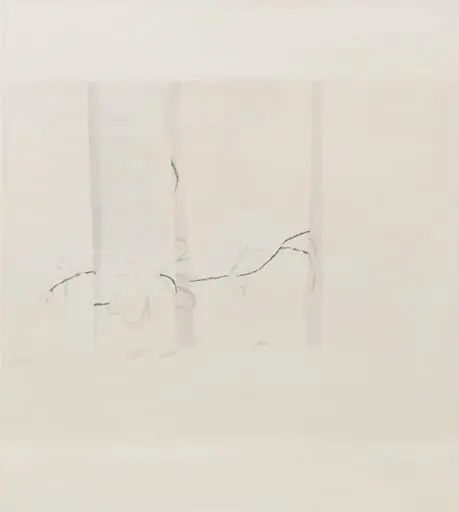
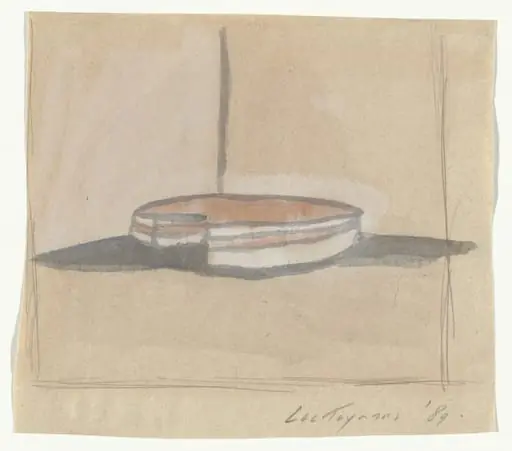
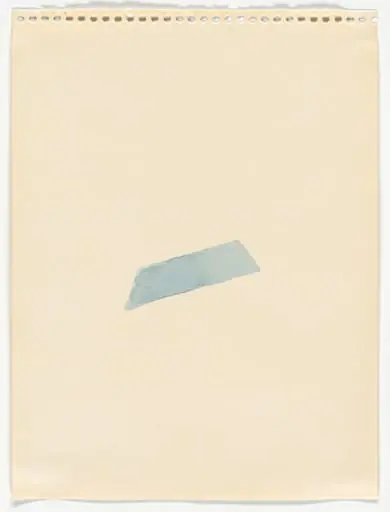
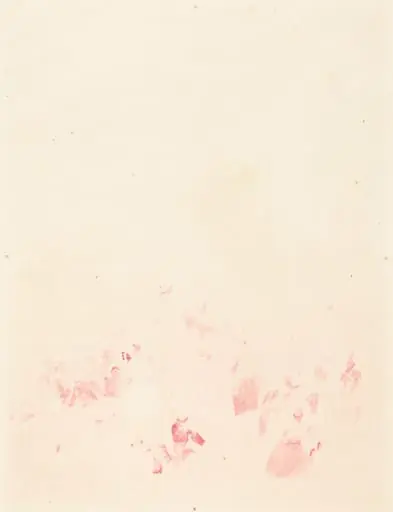
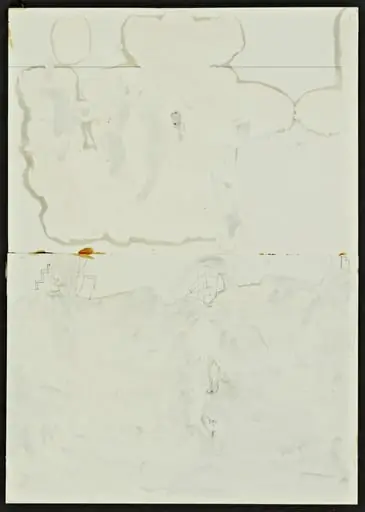
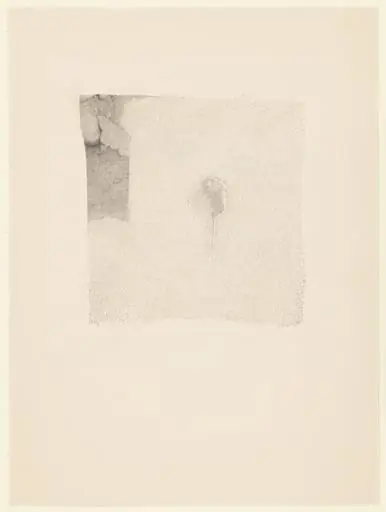
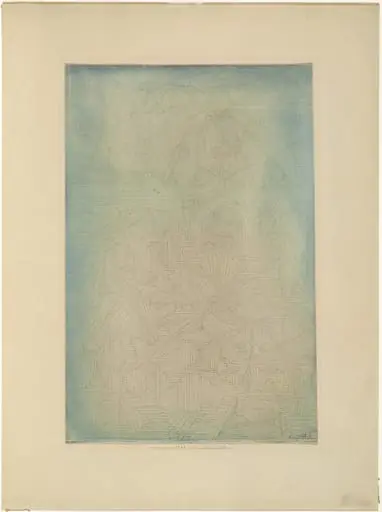
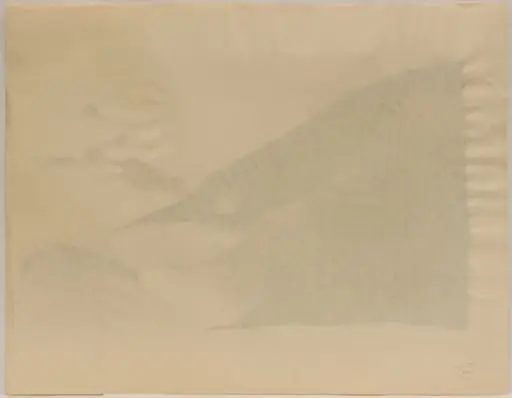
Created in 2003, this small gouache drawing by Belgian artist Luc Tuymans presents a muted, almost translucent window frame that opens onto an indistinct landscape of faint shapes rendered in soft blues and grays. The work’s limited palette and blurred edges give it a hazy, provisional quality, suggesting a scene observed through distance or memory.
Subject & Meaning
The image offers a vague interior‑exterior juxtaposition, inviting contemplation of what is seen and what remains concealed. By reducing the view to barely discernible forms, Tuymans foregrounds the ambiguity inherent in perception, a recurring concern in his practice that often links everyday details to broader moral and historical questions.
Technique & Style
Tuymans employs gouache, a medium that sits between watercolor and acrylic in opacity, allowing layers of pigment to merge smoothly while retaining a matte finish. The artist’s application is loose and rapid, creating a smudged, ghost‑like surface where colors bleed into one another, reinforcing the sense of a work in a state of becoming.
History & Provenance
The drawing belongs to the period when Tuymans, alongside other European figurative painters, reaffirmed the relevance of painting amid the growing dominance of digital imagery. It reflects his ongoing engagement with themes of historical memory, particularly the lingering presence of World War II in contemporary consciousness.
Context
Within Tuymans’s broader oeuvre, the piece exemplifies his strategy of addressing complex subjects through seemingly simple, understated compositions. The faint, almost erased visual information mirrors his interest in how societies recall, obscure, or reinterpret past events, especially those marked by moral ambiguity.
Artist & collection
Artist
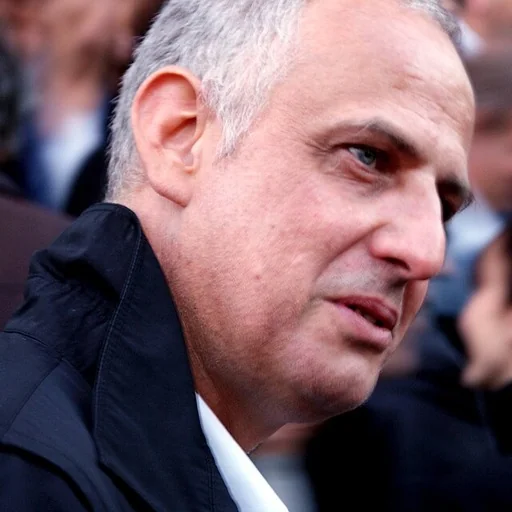
Luc Tuymans (born 14 June 1958) is a Belgian visual artist best known for his paintings which explore people's relationship with history and confront their ability to ignore it.