Artwork
H Beard Print Collection
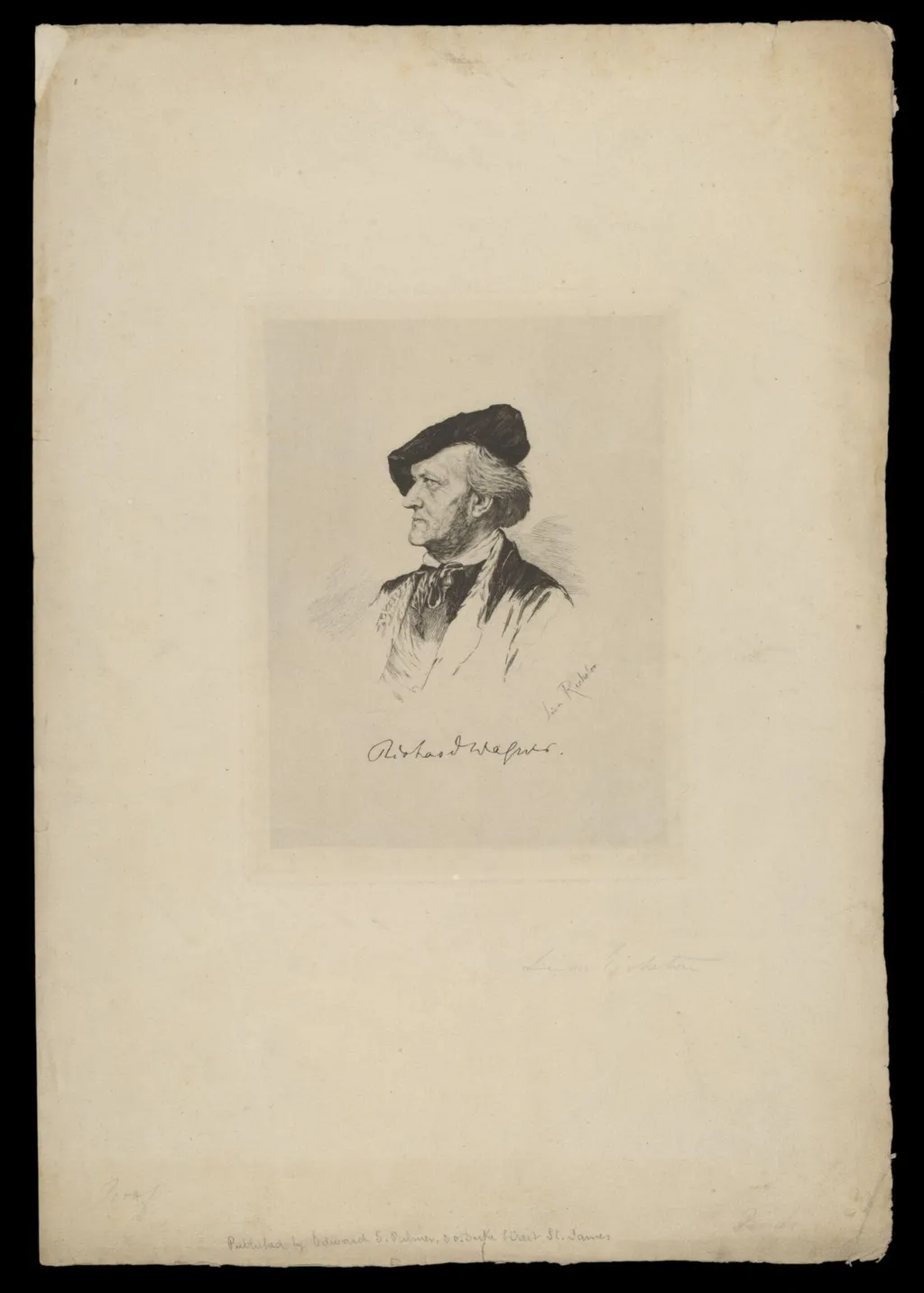
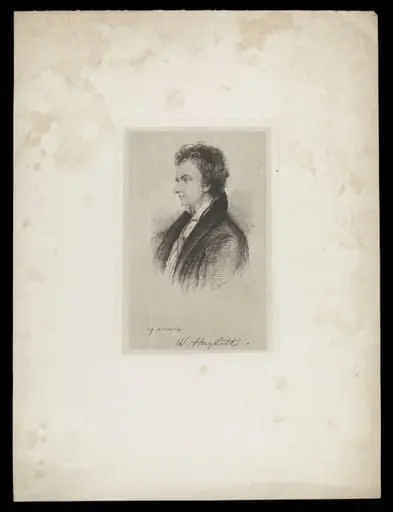
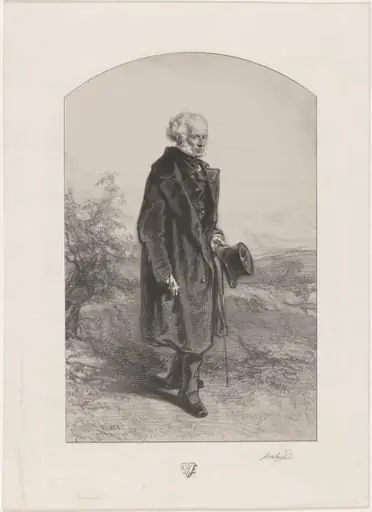
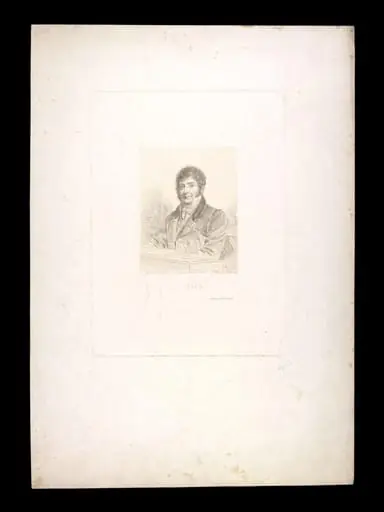
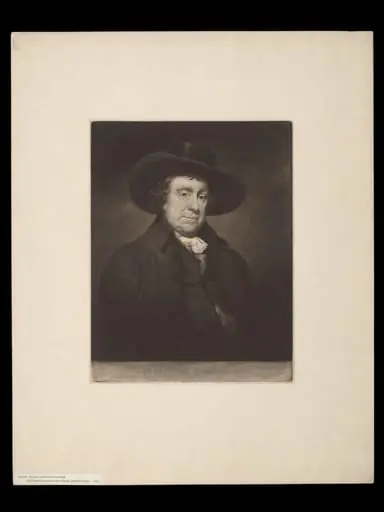
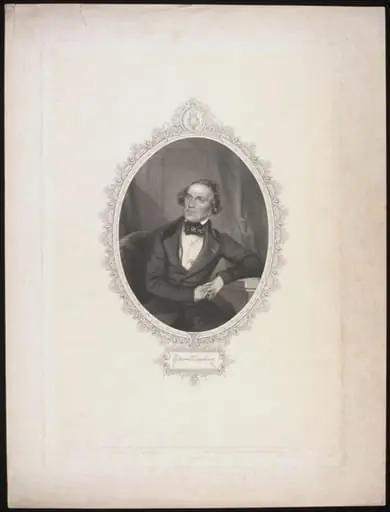
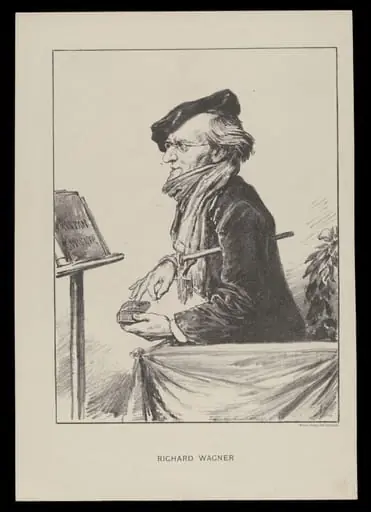
H Beard Print Collection is a print by Lèon Richeton. It dates from 1850 and is held in the collection of the Victoria and Albert Museum.
About this work
The H Beard Print Collection is a print from the late 19th century.
It's a portrait, which is a type of art that focuses on a person.
The portrait is of Richard Wagner, a notable figure, and this fact makes the print interesting because it shows a connection to music history.
You can learn more about the artist behind this work, Richeton, Lèon.
Overview
This print, part of the H Beard Print Collection, dates from the late 19th century and depicts the German composer Richard Wagner. As a portrait print, it serves as a visual record of a prominent cultural figure during a period when his influence on music and opera was at its peak. The work reflects the era’s interest in commemorating artistic luminaries through reproductive prints.
Subject & Meaning
Richard Wagner, the subject of the portrait, was a transformative figure in 19th-century music, known for his operatic cycles and innovative compositional techniques. The image captures him in a contemplative pose, aligning with his public persona as a visionary artist. The print functions as a tribute, reinforcing his status in the cultural imagination of the time.
Technique & Style
Executed as a print, likely an engraving or lithograph, the work employs fine lines and tonal contrasts to render Wagner’s features with precision. The style is formal and restrained, typical of portraiture in printed media of the period. Details in his attire and facial expression convey dignity without overt dramatization.
History & Provenance
The print originates from the H Beard Print Collection, a compilation of 19th-century portraits assembled by the British print dealer and publisher Henry Beard. Attributed to the artist Léon Richeton, the piece was likely produced for public distribution, reflecting the widespread demand for images of celebrated composers during the Victorian era.
Context
In the decades following Wagner’s rise to fame, his image circulated widely in printed form, appearing in newspapers, programs, and private collections. This portrait emerged amid a broader trend of visualizing cultural icons, helping to solidify his public identity beyond the concert hall and into domestic spaces across Europe and beyond.
Legacy
Though not widely known today as a standalone artwork, the print contributes to the visual archive of Wagner’s legacy. It represents how reproductive prints helped shape public perception of composers before the age of photography and mass media, preserving a likeness that continues to inform historical understanding.
Artist & collection
Artist
Lèon Richeton made late-19th-century prints, leaving behind a small set of black-and-white images.