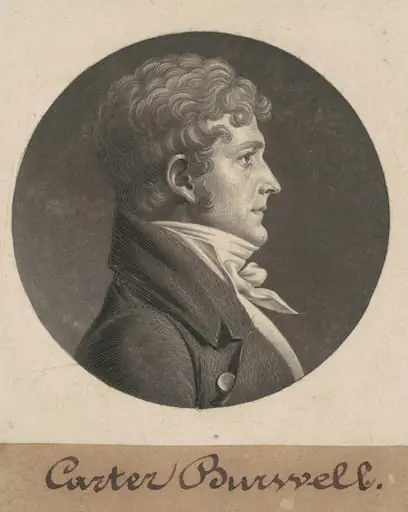
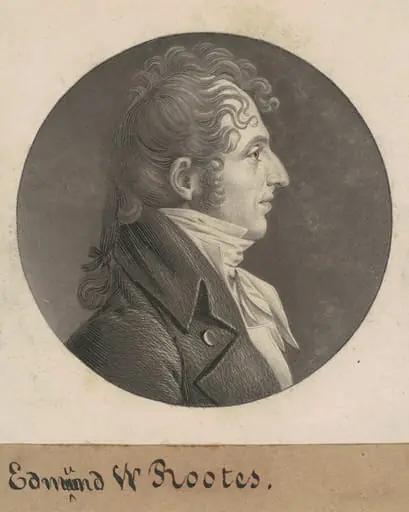
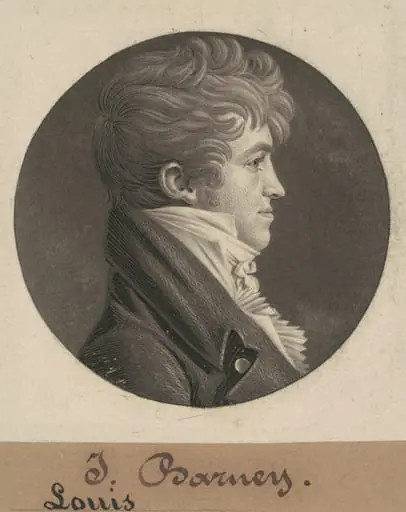
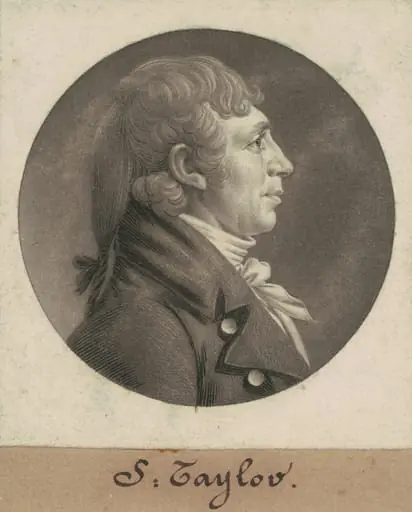
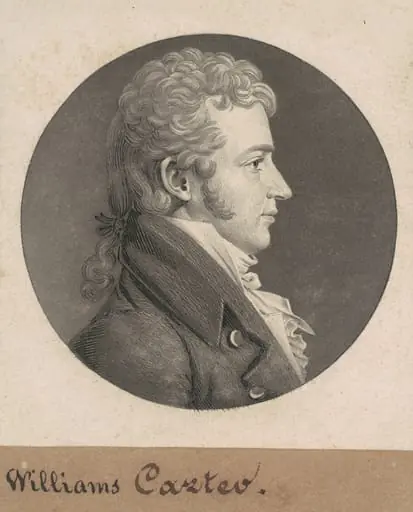
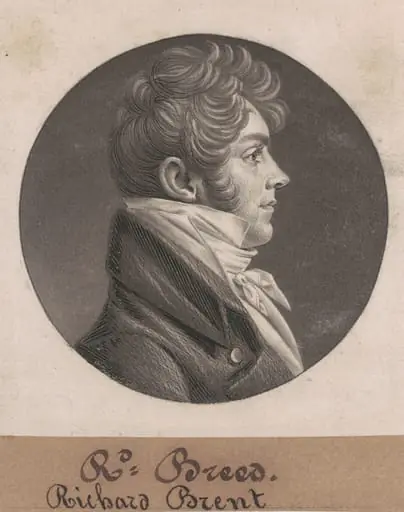
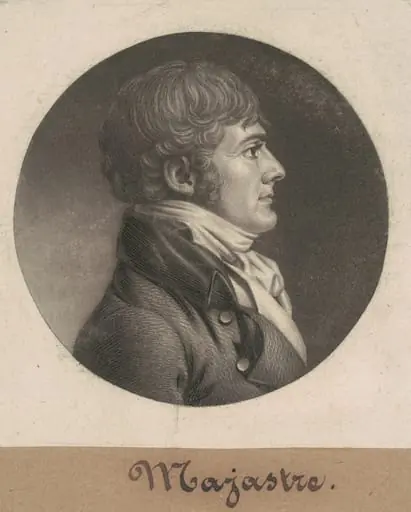
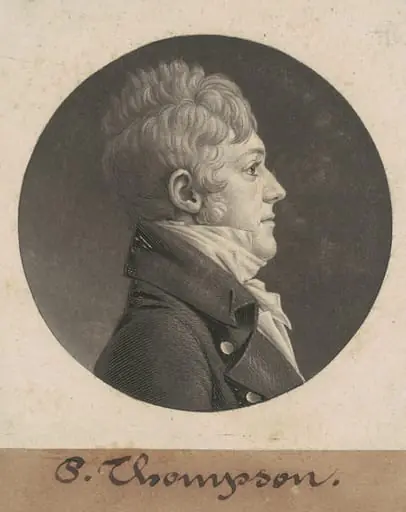
Artwork
William MacRea
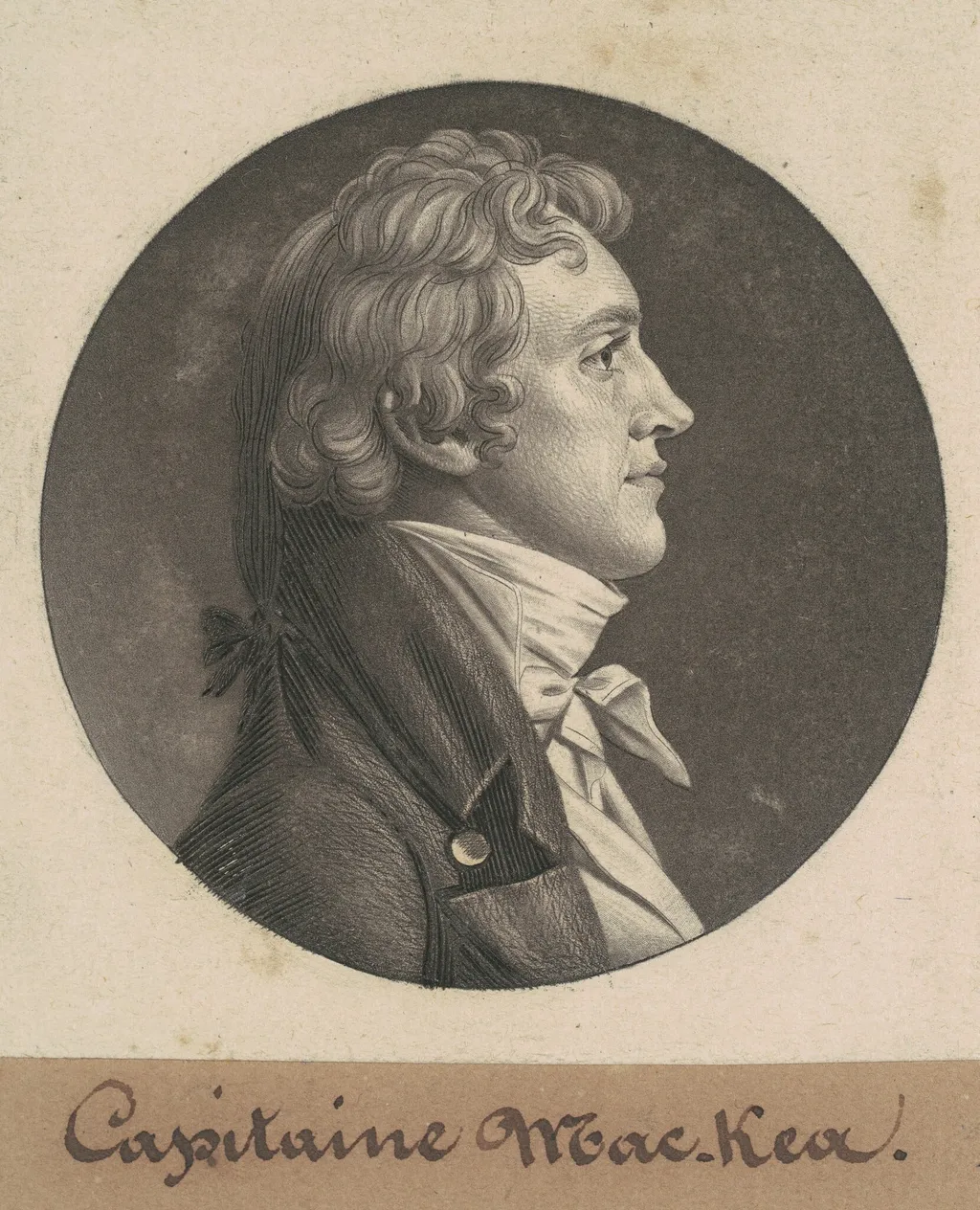
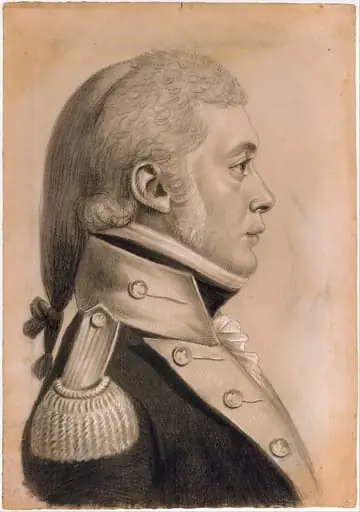
William MacRea is an ink print by the Romanticist artist Charles Balthazar Julien Févret de Saint-Mémin. It dates from 1804 and is held in the collection of the National Gallery of Art. Created in 1804, this small mezzotint and engraving by Charles B.
About this work
Overview
Created in 1804, this small mezzotint and engraving by Charles B. J. Févret de Saint‑Mémin depicts William MacRea. The print measures roughly 5.7 cm square and is mounted on brown wove paper, giving it a compact, oval‑cut format that emphasizes the figure’s face.
Subject & Meaning
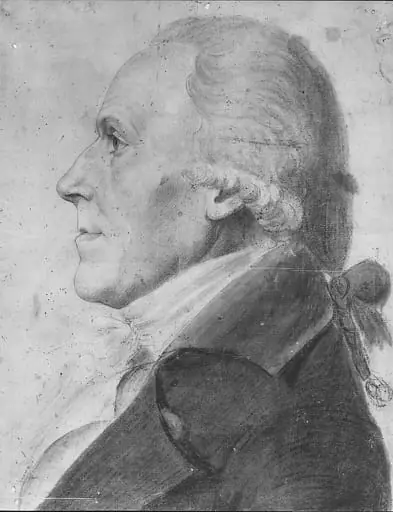
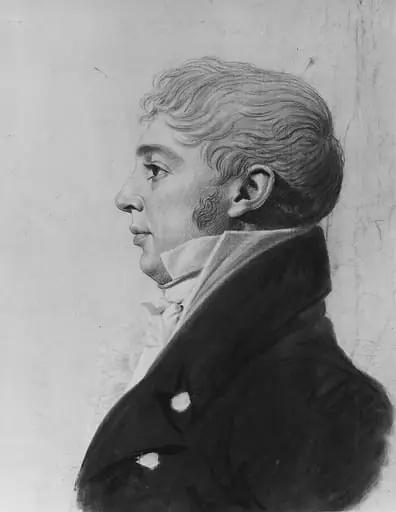
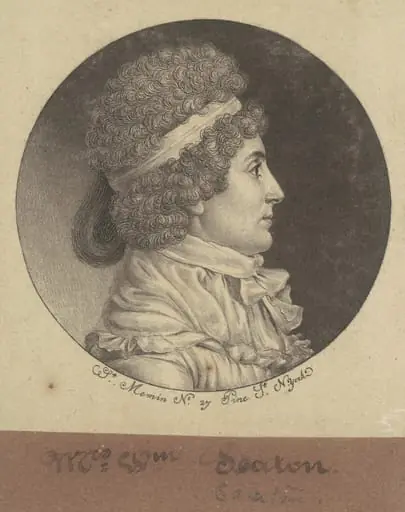
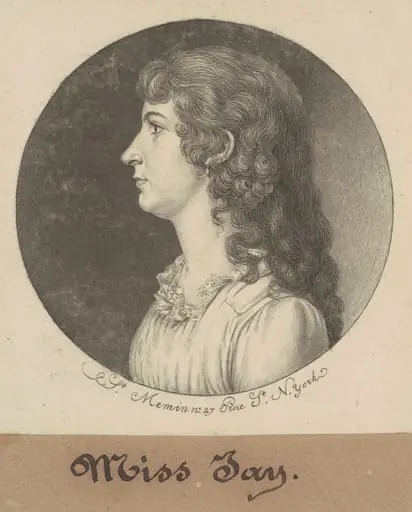
The portrait shows a gentleman in a dark coat and white cravat, his features rendered with sharp contrast against a dark background. The illuminated facial plane suggests a focus on personal identity, while the modest attire reflects early‑19th‑century genteel fashion.
Technique & Style
Saint‑Mémin employed the mezzotint process to achieve smooth tonal transitions, complemented by fine cross‑hatching for detail. Minute lines define the collar and facial contours, creating a subtle gradation of light that gives the image a three‑dimensional presence despite its minute scale.
History & Provenance
The work originates from the artist’s series of portrait prints produced during his American exile after the French Revolution. It was likely commissioned by or for MacRea, a figure of some standing in the early United States, and has remained in private collections before entering its current institutional setting.
Context
In the early 1800s, mezzotint portraiture offered a portable, affordable alternative to painted likenesses. Saint‑Mémin, a French émigré trained in engraving, applied his European techniques to an American clientele, bridging transatlantic artistic practices.
Artist & collection

Artist
Charles Balthazar Julien Févret de Saint-Mémin
Charles Balthazar Julien Févret de Saint-Mémin (French pronunciation: ; 1770–1852) was a French portrait painter and museum director.