Artwork
H Beard Print Collection
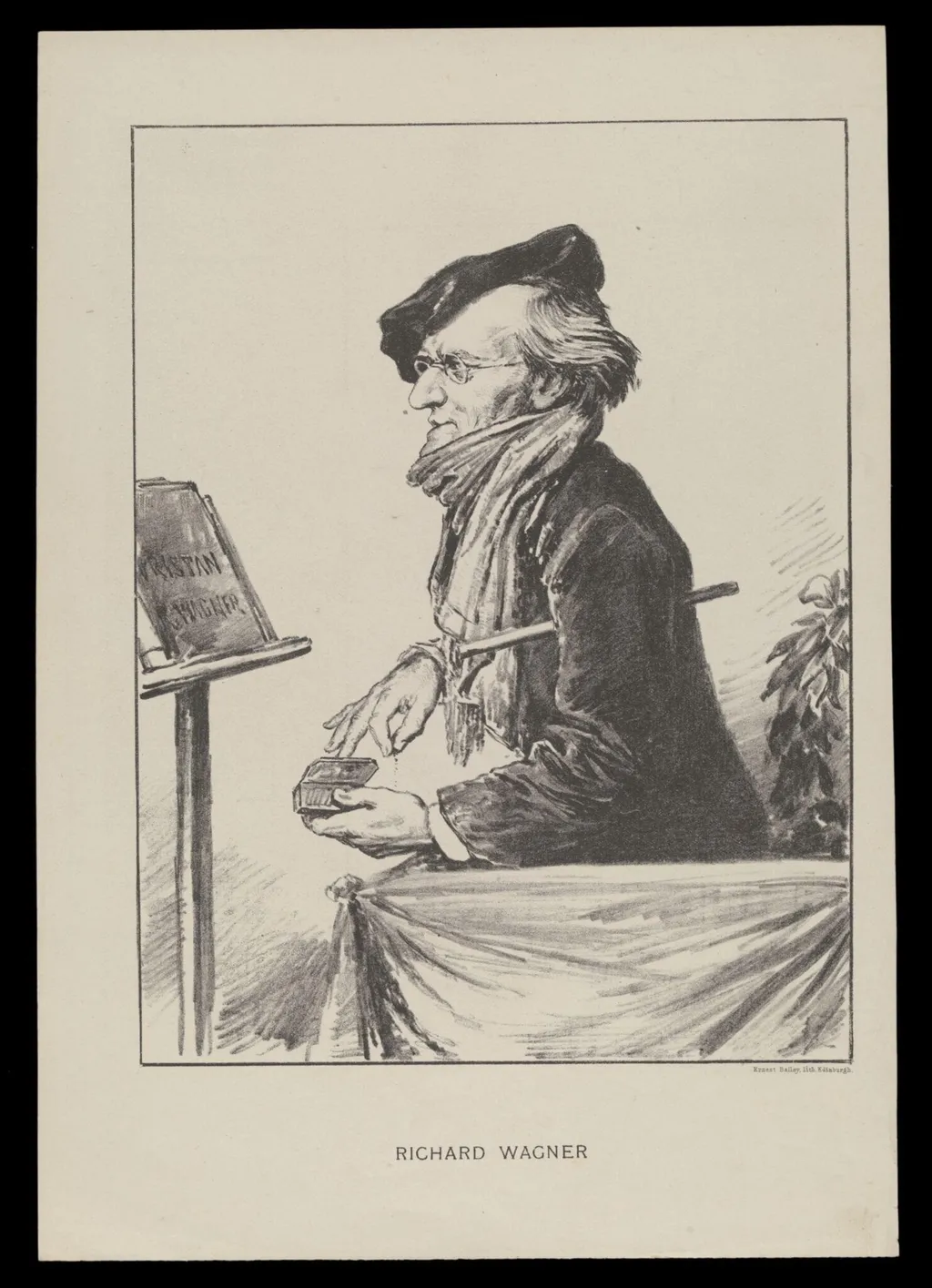
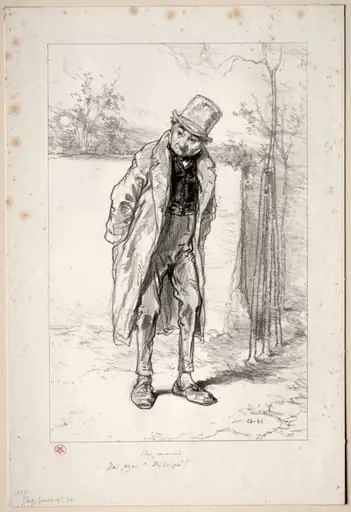
H Beard Print Collection is a print by Ernest Bailey. It dates from 1850 and is held in the collection of the Victoria and Albert Museum. This print is part of the H.
About this work
Overview
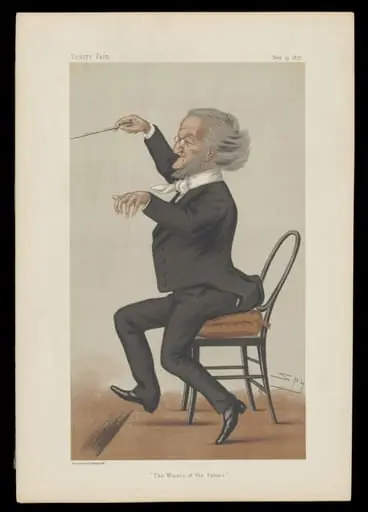
Unlike formal portraiture, the image emphasizes exaggerated physical traits to convey humor and critique, reflecting the era’s popular press culture.
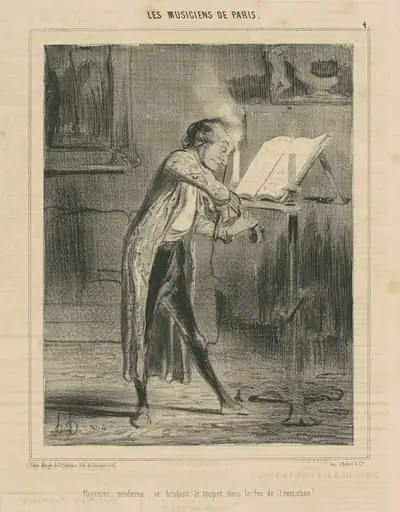
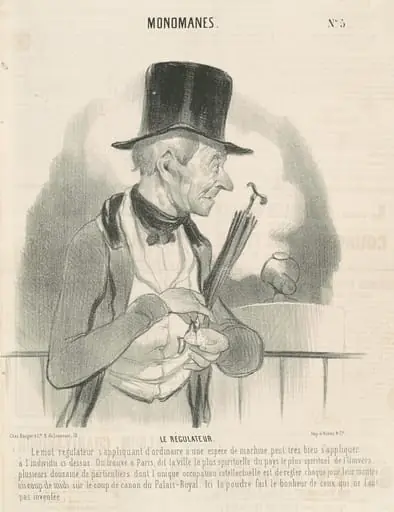
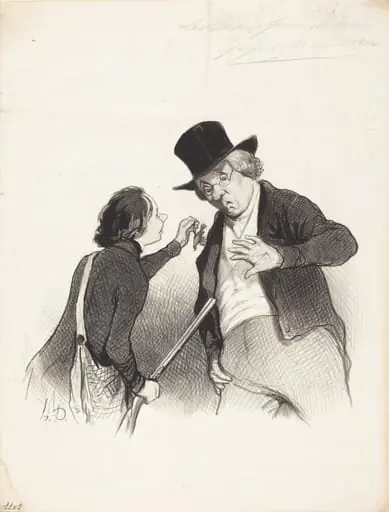
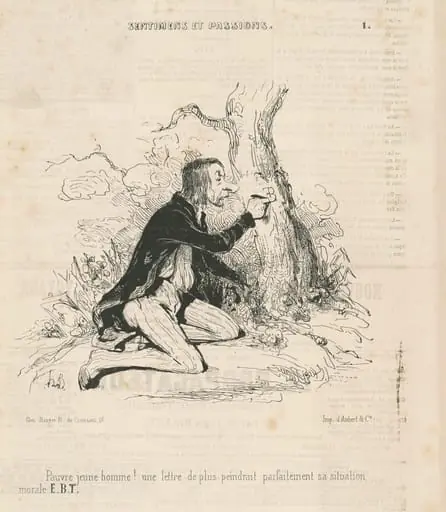
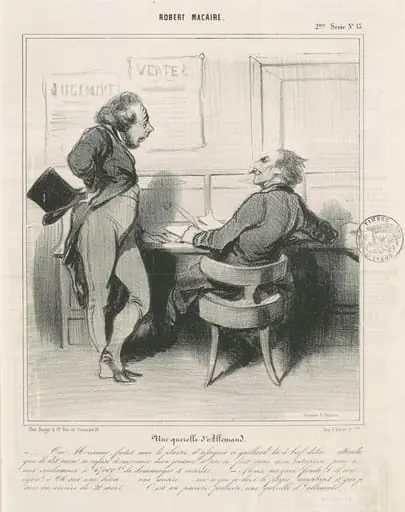
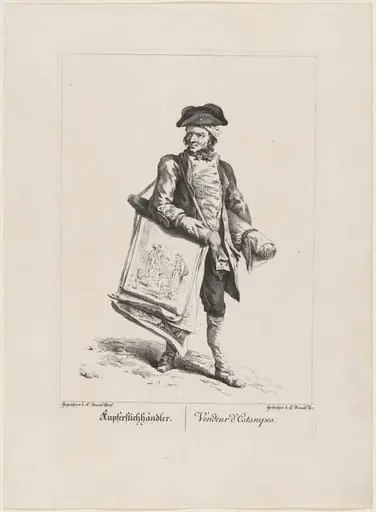
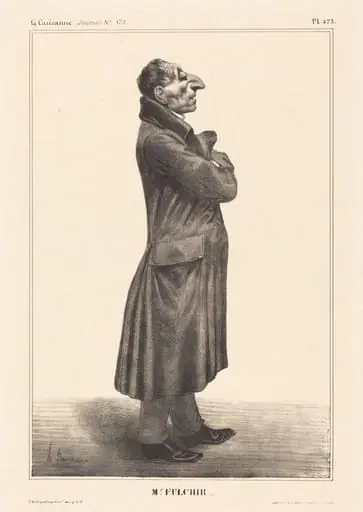
This print is part of the H. Beard Print Collection at the Victoria and Albert Museum, a curated group of 19th-century satirical illustrations. Created by Ernest Bailey in the late 1800s, it depicts the composer Richard Wagner through the lens of caricature. Unlike formal portraiture, the image emphasizes exaggerated physical traits to convey humor and critique, reflecting the era’s popular press culture.
Subject & Meaning
The subject is Richard Wagner, the German composer known for his operas and controversial persona. The caricature distorts his facial features—prominent brow, thick beard, intense gaze—to amplify perceptions of his domineering personality and artistic intensity. Rather than celebrating his musical legacy, the image mocks his public image, aligning with contemporary British satire that viewed him as both brilliant and overbearing.
Technique & Style
Executed in ink and wash, the print employs bold lines and tonal contrasts to heighten expressive distortion. Bailey uses simplified forms and rhythmic shading to direct attention to Wagner’s most recognizable features. The style is typical of Victorian-era newspaper illustrations—quick, graphic, and designed for mass reproduction—prioritizing immediate recognition over detail or realism.
History & Provenance
The print entered the Victoria and Albert Museum through the H. Beard Collection, assembled by the 19th-century theatrical illustrator and publisher Henry Beard. His archive, acquired by the museum in the 1930s, includes hundreds of satirical prints focused on cultural figures. This piece remains part of that collection, preserved as a record of how public figures were visually negotiated in popular media.
Context
In late 19th-century Britain, Wagner’s music was both admired and ridiculed. His operas sparked intense debate, and caricaturists often targeted his appearance and perceived arrogance. Bailey’s print reflects this cultural tension, situating Wagner within a broader tradition of British satire that used visual exaggeration to question authority, celebrity, and artistic pretension.
Legacy
The print endures as a historical artifact of how public figures were mediated through popular visual culture. It offers insight into the intersection of music, media, and satire in Victorian society. While not a work of fine art in the traditional sense, it remains a valuable document of contemporary attitudes toward one of the most polarizing composers of the era.
Artist & collection
Artist
Ernest Bailey kept a small print shop in a London alley where the smell of ink and damp paper never faded.