Artwork
Mr. Lewis
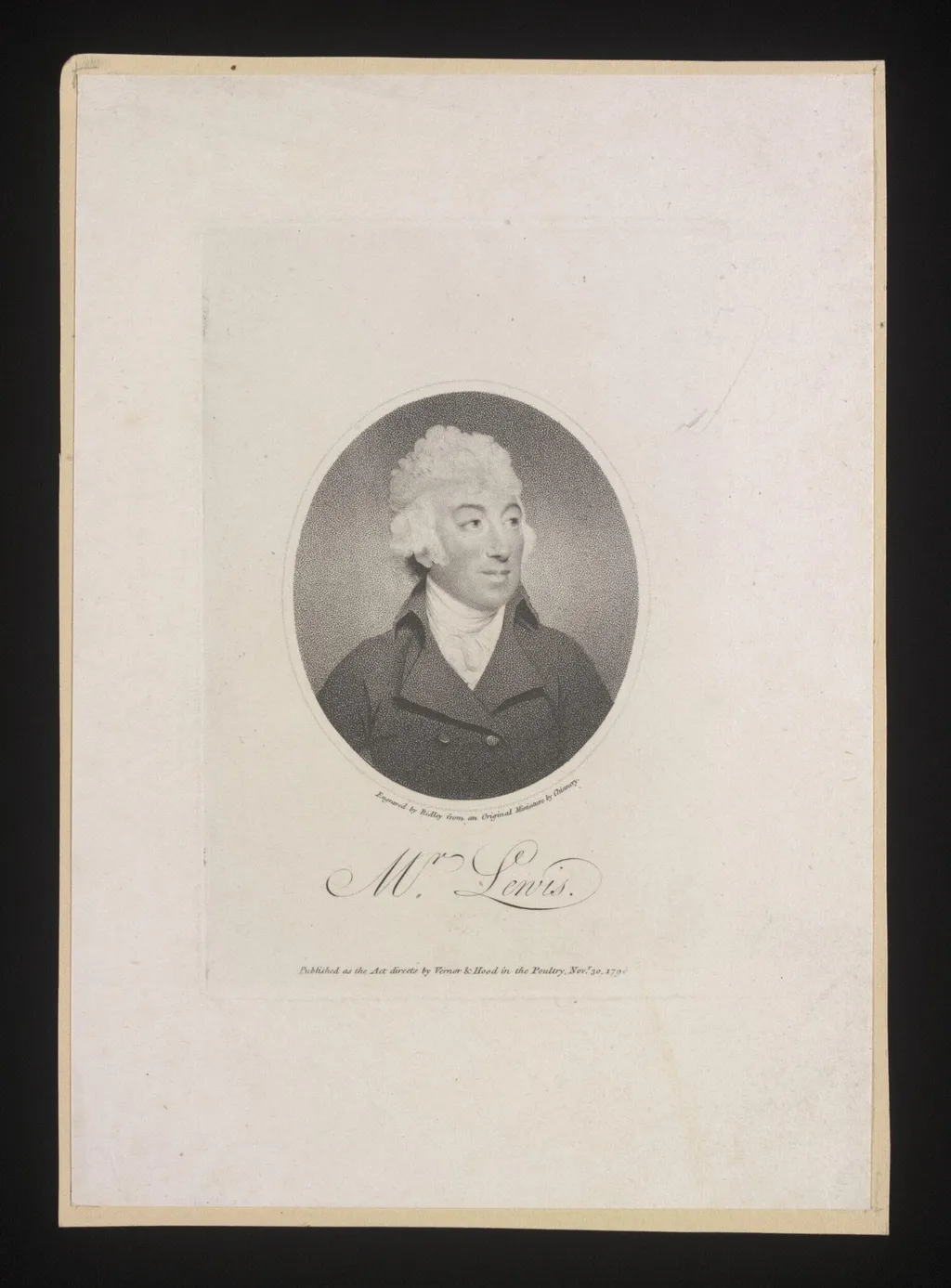
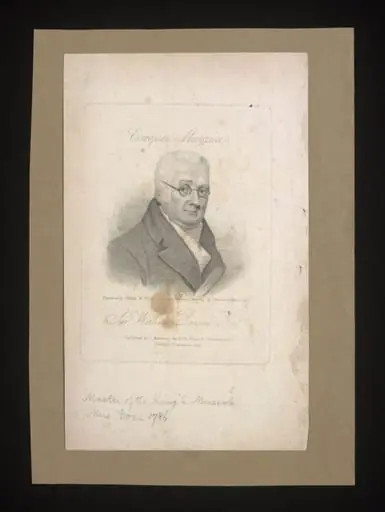
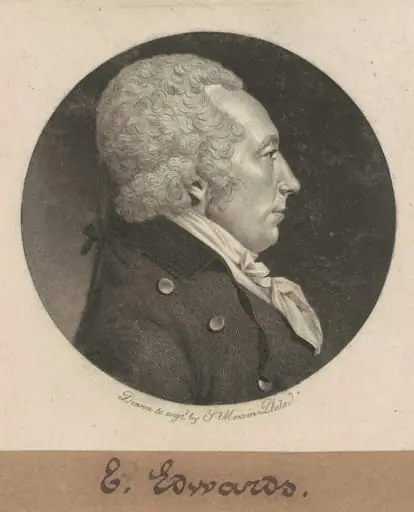
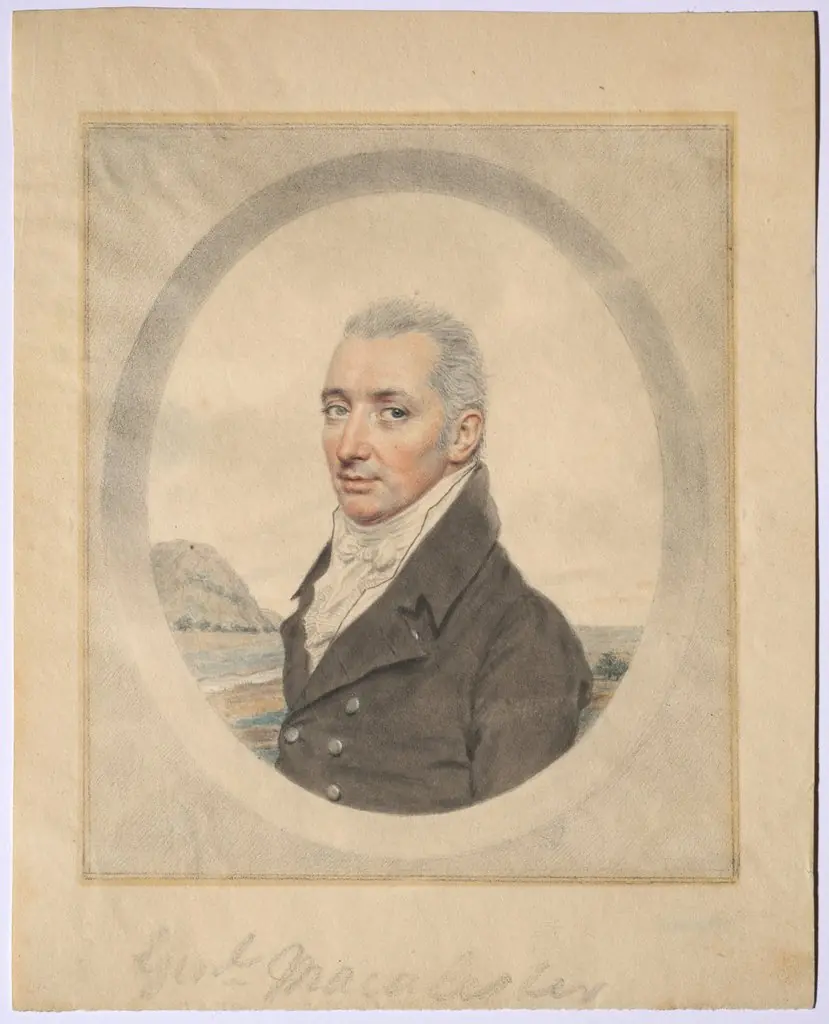
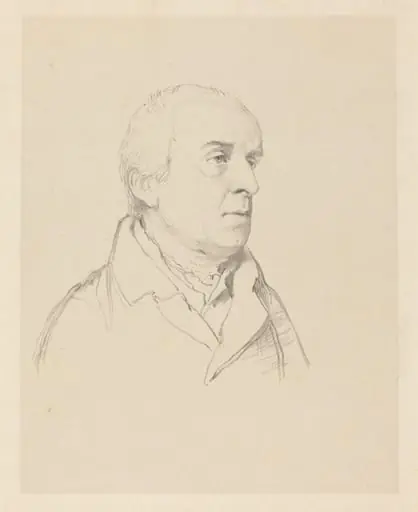
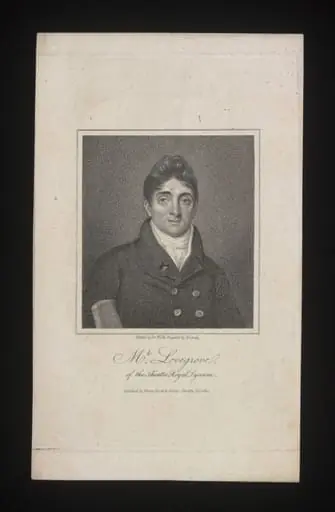
Mr. Lewis is a print by the Romanticist artist Ridley. It dates from 30 and is held in the collection of the Victoria and Albert Museum. This print portrays William Thomas Lewis, a prominent actor and theatre manager of the late 18th century.
About this work
Overview
As a print, it reflects the era’s practice of circulating visual portraits of cultural figures for public consumption.
This print portrays William Thomas Lewis, a prominent actor and theatre manager of the late 18th century. Produced in London by the publishing firm Vernor & Hood, it was released on November 30, 1798. The image belongs to the Harry Beard Collection, a significant assemblage of theatrical memorabilia. As a print, it reflects the era’s practice of circulating visual portraits of cultural figures for public consumption.
Subject & Meaning
William Thomas Lewis was known for his commanding stage presence and leadership in London’s theatre scene. The portrait likely served to reinforce his public persona, capturing him in a moment of dignified composure. Such images were not merely decorative but functioned as tools of reputation, aligning the actor with the cultural authority of the theatre during a time when performance was gaining social legitimacy.
Technique & Style
The print employs standard engraving techniques of the period, with fine lines defining facial features and costume details. The composition is formal, emphasizing stillness and poise, typical of theatrical portraiture. Background elements are minimal, directing focus to the subject’s attire and expression. The style reflects the conventions of late 18th-century British printmaking, prioritizing clarity and likeness over dramatic flair.
History & Provenance
Published by Vernor & Hood, a known London firm specializing in theatrical prints, the work entered the Harry Beard Collection, which was later acquired by the Victoria and Albert Museum. Its survival through the centuries speaks to the enduring interest in theatre history. The print’s date and publisher confirm its origin in a period of active theatrical documentation and public fascination with stage personalities.
Context
In the late 1790s, London’s theatre culture was thriving, with actors becoming public figures akin to modern celebrities. Prints like this one circulated among theatre patrons and collectors, serving as both souvenirs and status objects. The rise of print media allowed performers to extend their influence beyond the stage, shaping how audiences perceived and remembered them.
Legacy
The print remains a tangible record of an actor whose career bridged the Georgian and Regency eras. It contributes to the historical understanding of how theatrical identity was constructed and disseminated before photography. As part of a major collection, it continues to inform research into 18th-century performance culture and the visual representation of artists.
Artist & collection
Artist
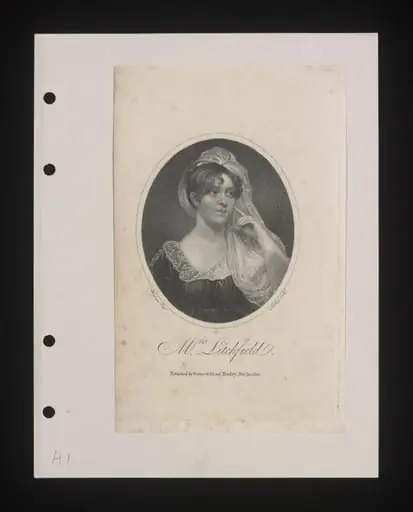
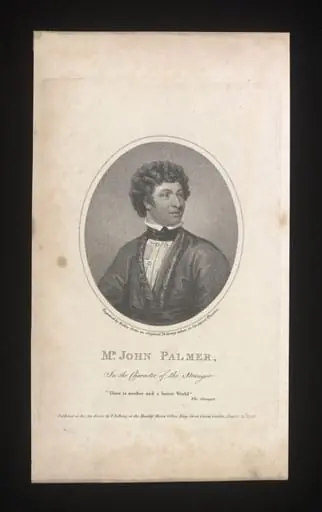
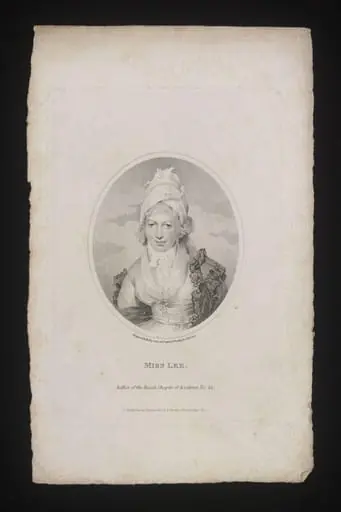
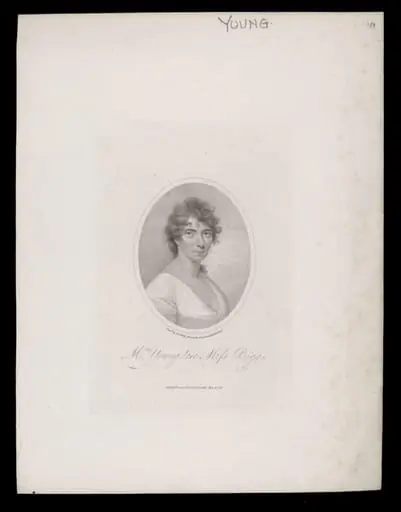
These prints show everyday figures in early 1800s Britain, etched in fine detail and crisp lines.