Artwork
Miss Linwood
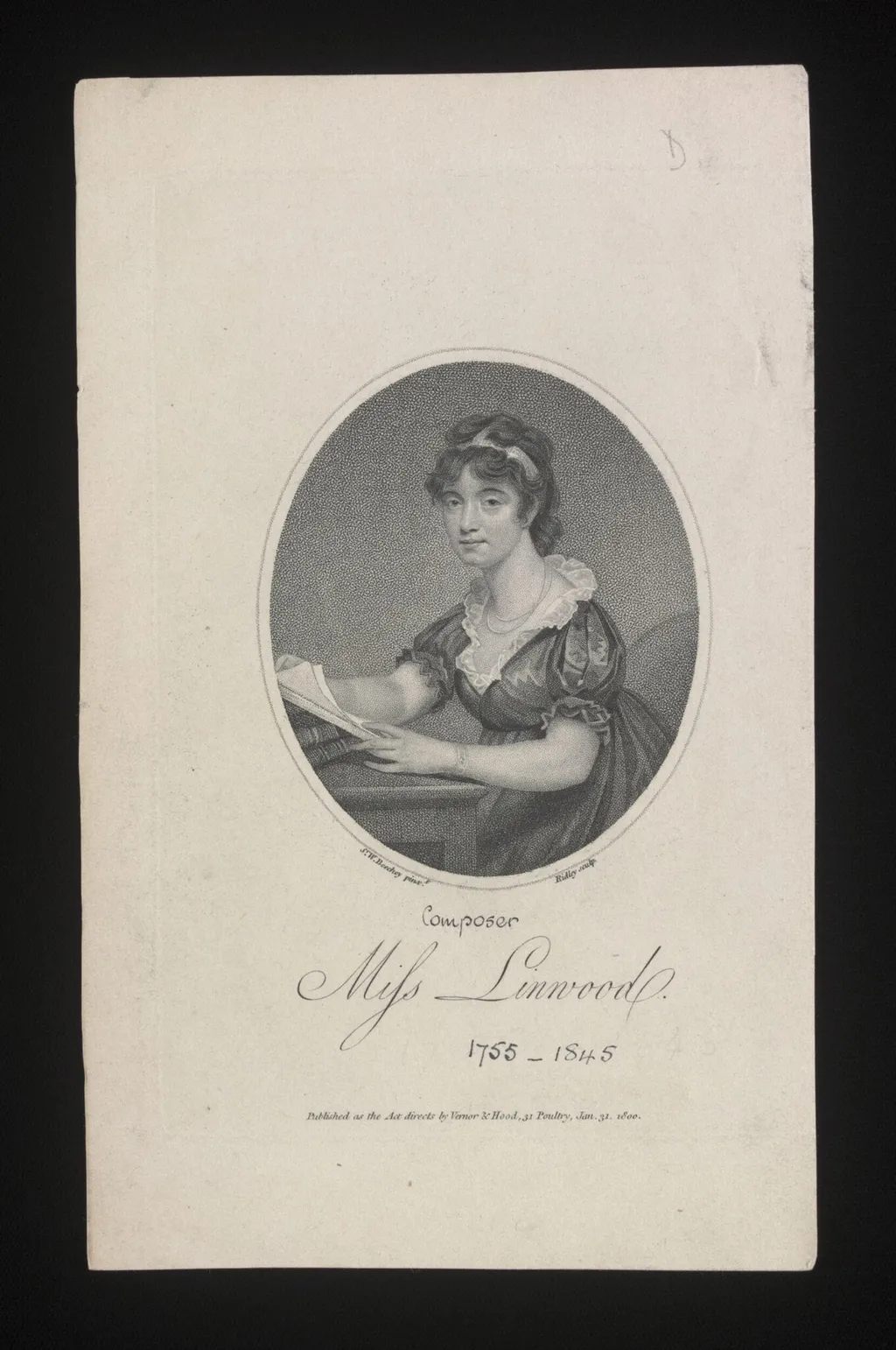
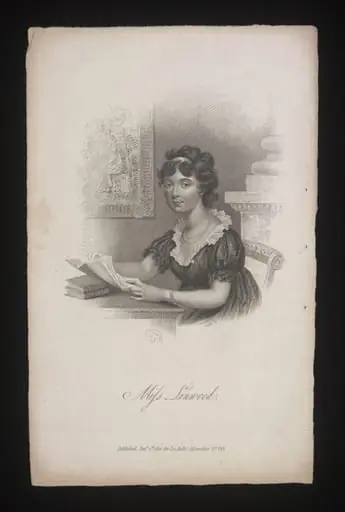
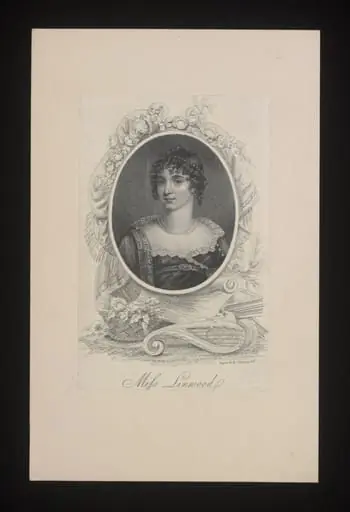
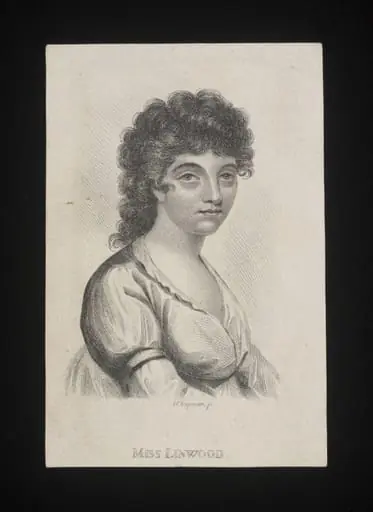
Miss Linwood is a print by the Romanticist artist Ridley. It dates from 31 and is held in the collection of the Victoria and Albert Museum.
About this work
Overview
A printed portrait of Miss Linwood, produced in London on January 31, 1800, by the publishers Vernor & Hood. The image belongs to the Harry Beard Collection and represents a commercial print of the time, likely intended for public circulation rather than private commission. Its format reflects the popular dissemination of celebrity imagery in early 19th-century Britain.
Subject & Meaning
Miss Linwood, born in 1755 and active until 1845, was known for her musical talents and public performances. The portrait captures her as a cultural figure of note, presenting her in a manner that aligns with contemporary ideals of refined femininity. The print served to affirm her public identity, transforming her artistic reputation into a tangible, collectible image for admirers.
Technique & Style
The print employs standard engraving methods of the period, with fine lines defining facial features and attire. The composition is formal and restrained, typical of portraiture aimed at middle-class audiences. Minimal color, if any, suggests it was produced as a black-and-white impression, emphasizing clarity and reproducibility over ornamental detail.
History & Provenance
Created by Vernor & Hood, a known London publishing house active in the late 18th and early 19th centuries, the print entered the Harry Beard Collection, a significant assemblage of theatrical and musical memorabilia. Its preservation reflects its role as a historical artifact documenting the intersection of music, print culture, and public celebrity in Regency England.
Context
During the turn of the 19th century, prints of musicians and performers were increasingly common, fueled by rising literacy and print demand. Miss Linwood’s image would have circulated among amateur musicians and theatergoers, reinforcing her status through visual representation. This print is one of many such images that helped shape public perception of artists outside the aristocracy.
Legacy
Though not widely recognized today, the print remains a tangible record of how female musicians were visually represented in their time. It contributes to broader studies of cultural memory, print media, and the construction of artistic identity in the early modern era, offering insight into the mechanisms of fame beyond the elite.
Artist & collection
Artist
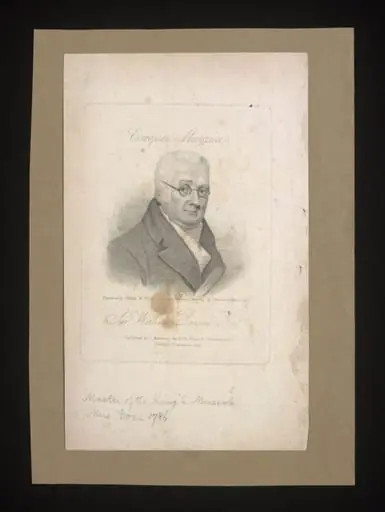
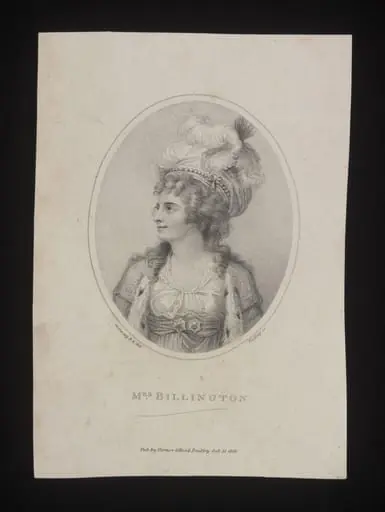
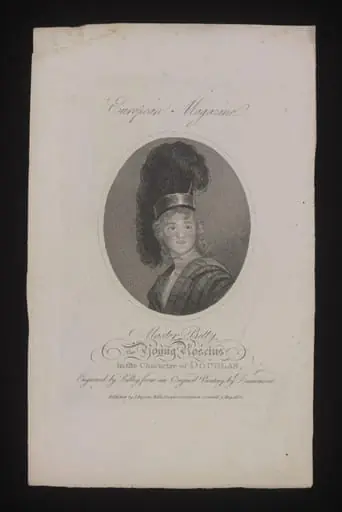
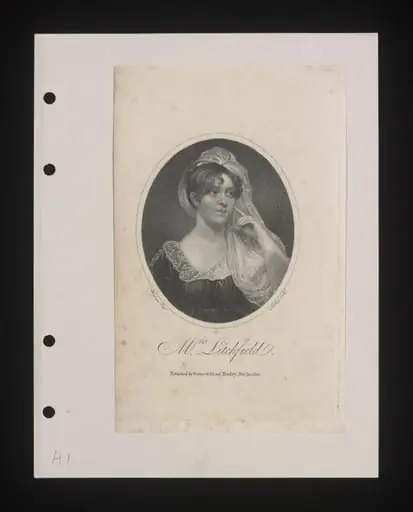
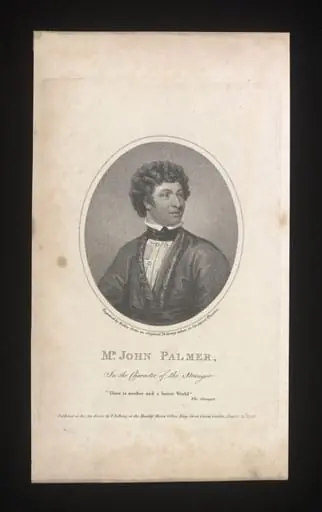
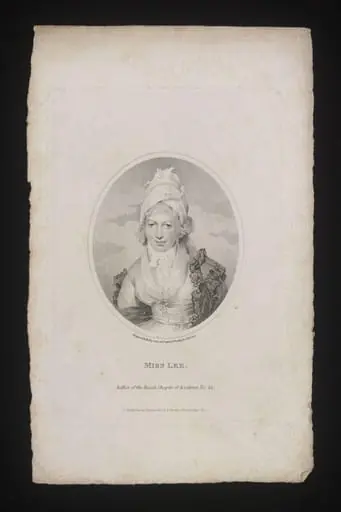
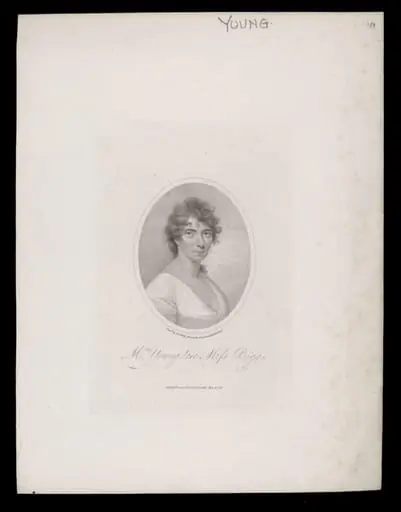
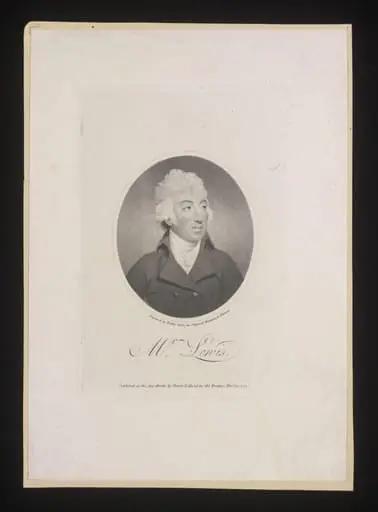
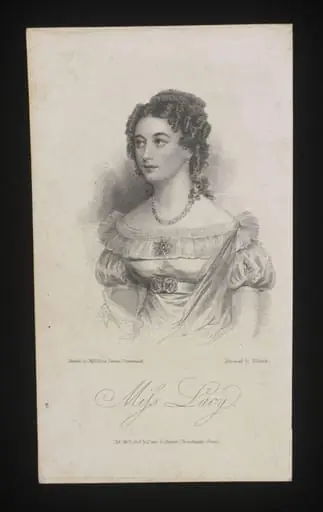
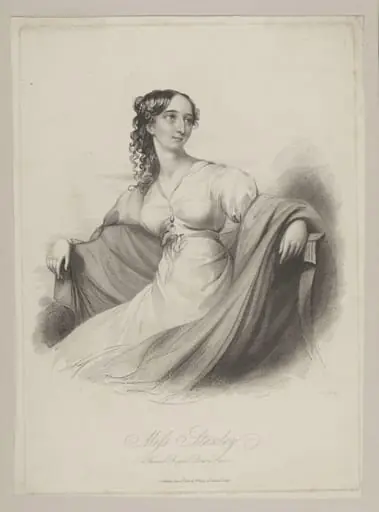
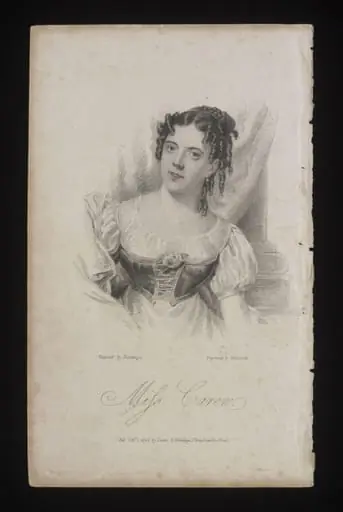
These prints show everyday figures in early 1800s Britain, etched in fine detail and crisp lines.