Artwork
Copaci
Copaci is a print by Ritivoiu Constantin. It dates from 1984 and is held in the collection of the Gavrila Simion Eco-Museum Research Institute Tulcea.
About this work
This empty painting is titled *Copaci*—which means "trees" in Romanian—and was made in 1984.
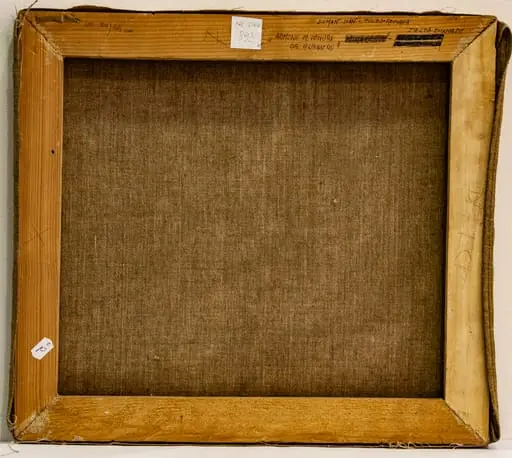
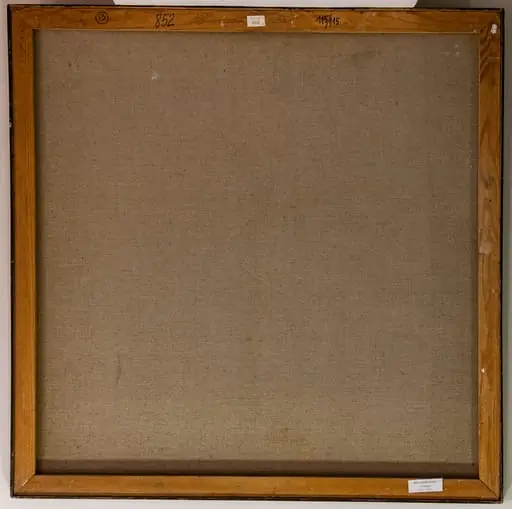
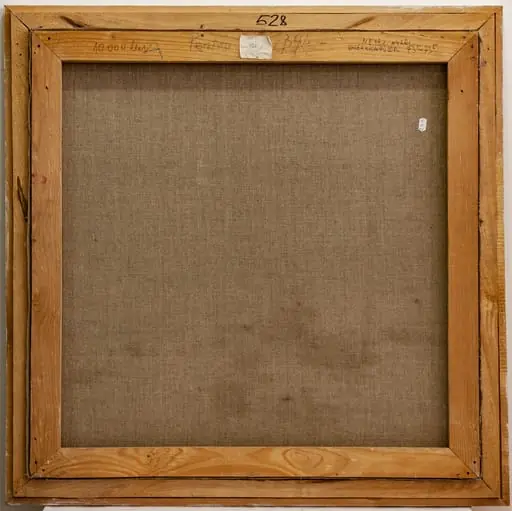
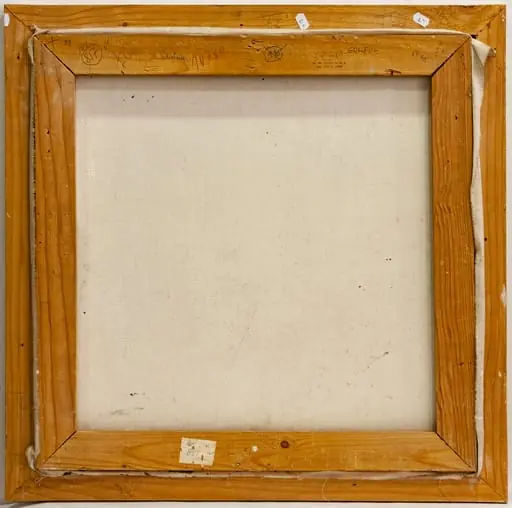
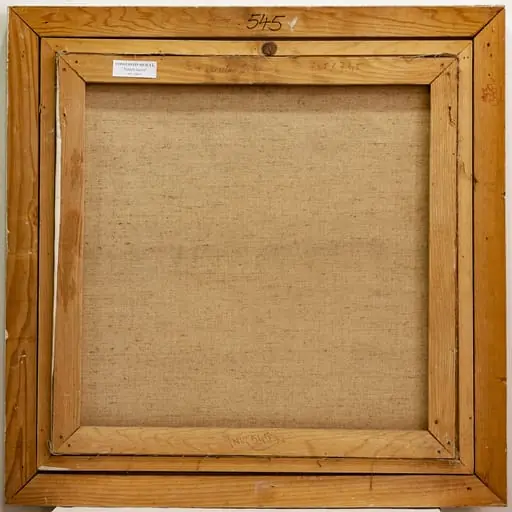
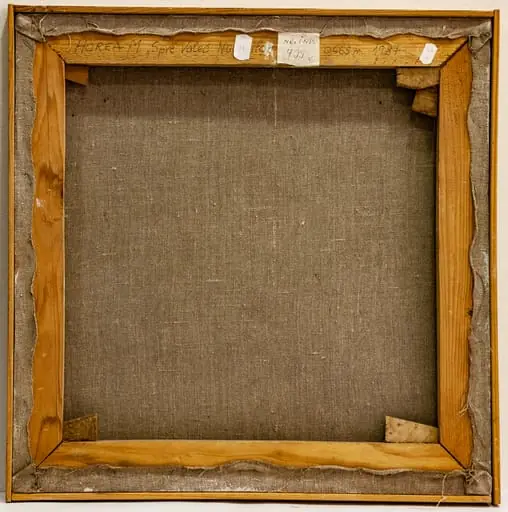
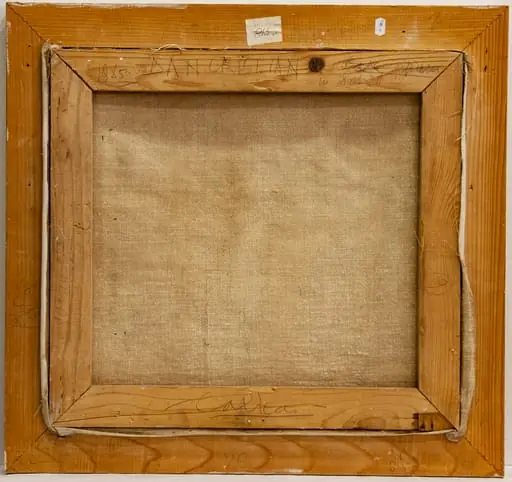
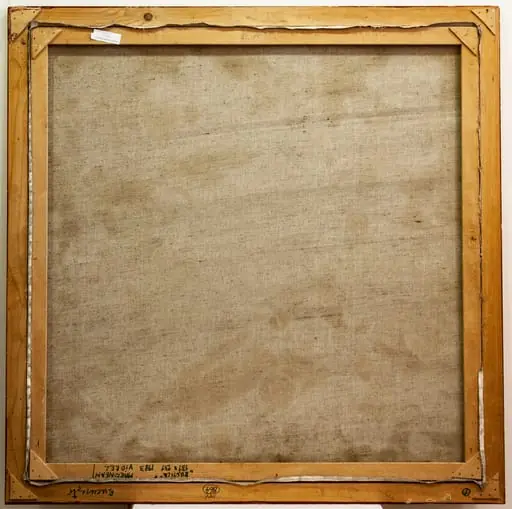
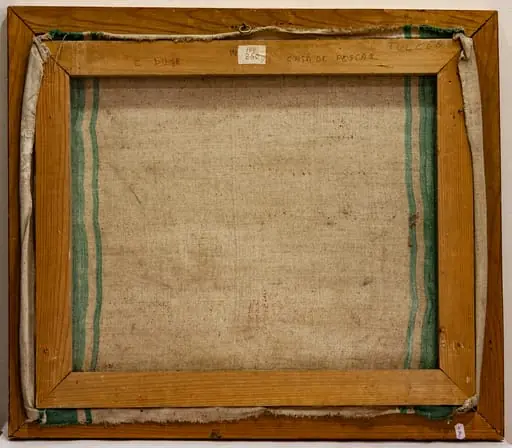
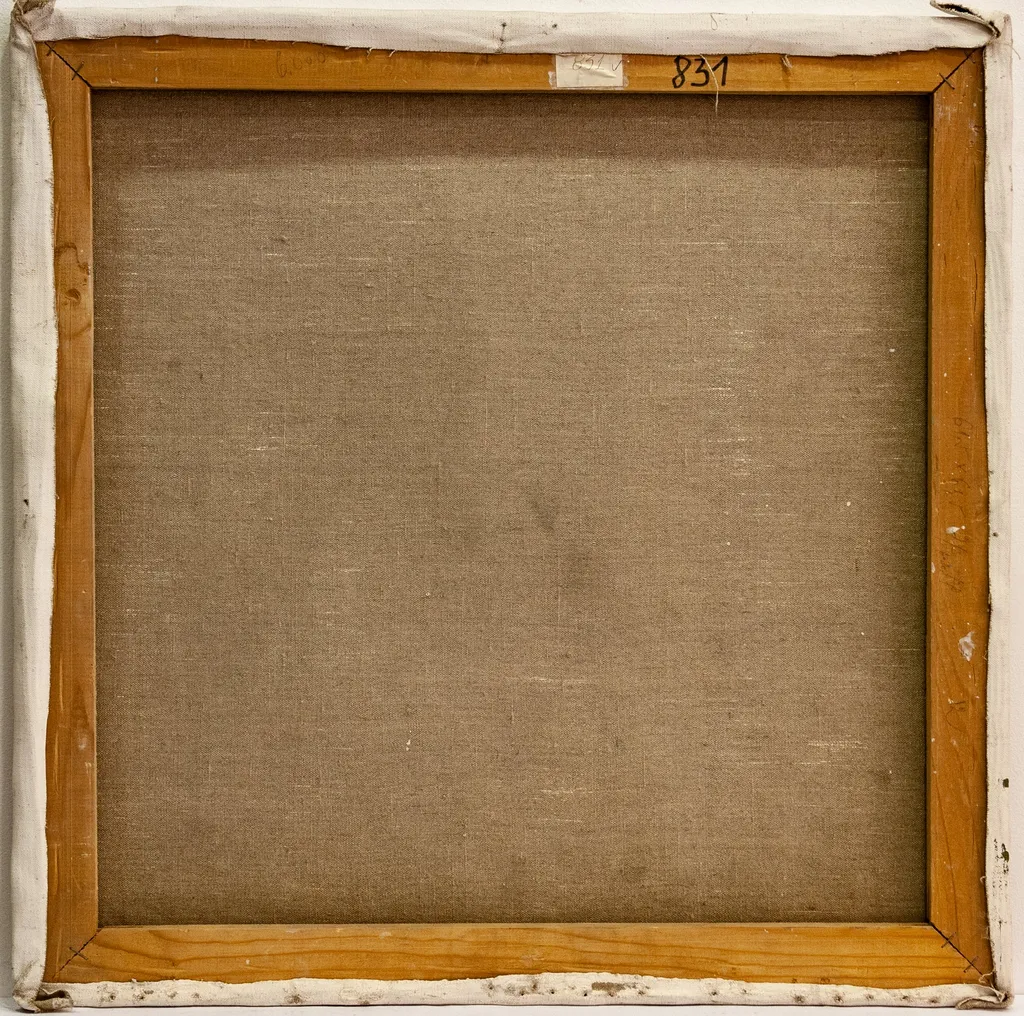
This is a blank canvas stretched inside a wooden frame. The frame looks old, with light-colored paint peeling at the bottom. The wood is a warm brown, and the canvas itself is a dull, neutral gray.
This empty painting is titled *Copaci*—which means "trees" in Romanian—and was made in 1984. The artist left it blank, which is unusual but intentional.
If you’re curious about blank canvases in art, look up easel.
Overview
Copaci, executed in 1984 by Constantin Ritivoiu, is part of the Museum of Ethnography’s collection. The work consists of a canvas stretched within a wooden frame that shows signs of age, including light‑coloured paint that is flaking at the lower edge. The canvas itself is a muted, neutral gray, presenting an intentionally empty visual field.
Subject & Meaning
The Romanian title Copaci translates as “trees,” yet the work contains no representational imagery. By leaving the surface blank, the artist invites viewers to consider the concept of trees abstractly, perhaps alluding to their presence, absence, or the idea of growth and silence within a cultural or natural context.
Technique & Style
Ritivoiu’s approach relies on the materiality of the support rather than pigment. The wooden frame, warm brown in tone, bears a weathered finish that contrasts with the flat, untextured canvas. The deliberate omission of paint foregrounds the physical qualities of the stretcher and canvas, aligning the piece with minimalist and conceptual tendencies of the late twentieth century.
History & Provenance
Created in 1984, Copaci entered the Museum of Ethnography’s holdings at an unspecified date, where it remains displayed. Its inclusion in a museum dedicated to ethnographic artifacts suggests a dialogue between the work’s minimalist aesthetic and the institution’s broader focus on cultural objects and traditions.
Context
The early 1980s saw a rise in conceptual art that questioned the necessity of visual representation. Within this climate, Ritivoiu’s blank canvas can be read as a response to prevailing artistic debates, positioning the work alongside other minimalist experiments that prioritize idea over image.
Artist & collection
Artist
Ritivoiu Constantin painted quiet winter scenes and tree studies in a straightforward, unshowy style that feels like a snapshot of rural Romania in the 1980s.
Museum
Gavrila Simion Eco-Museum Research Institute Tulcea
Continue through works from the same source collection.