Artwork
Casă de pescar
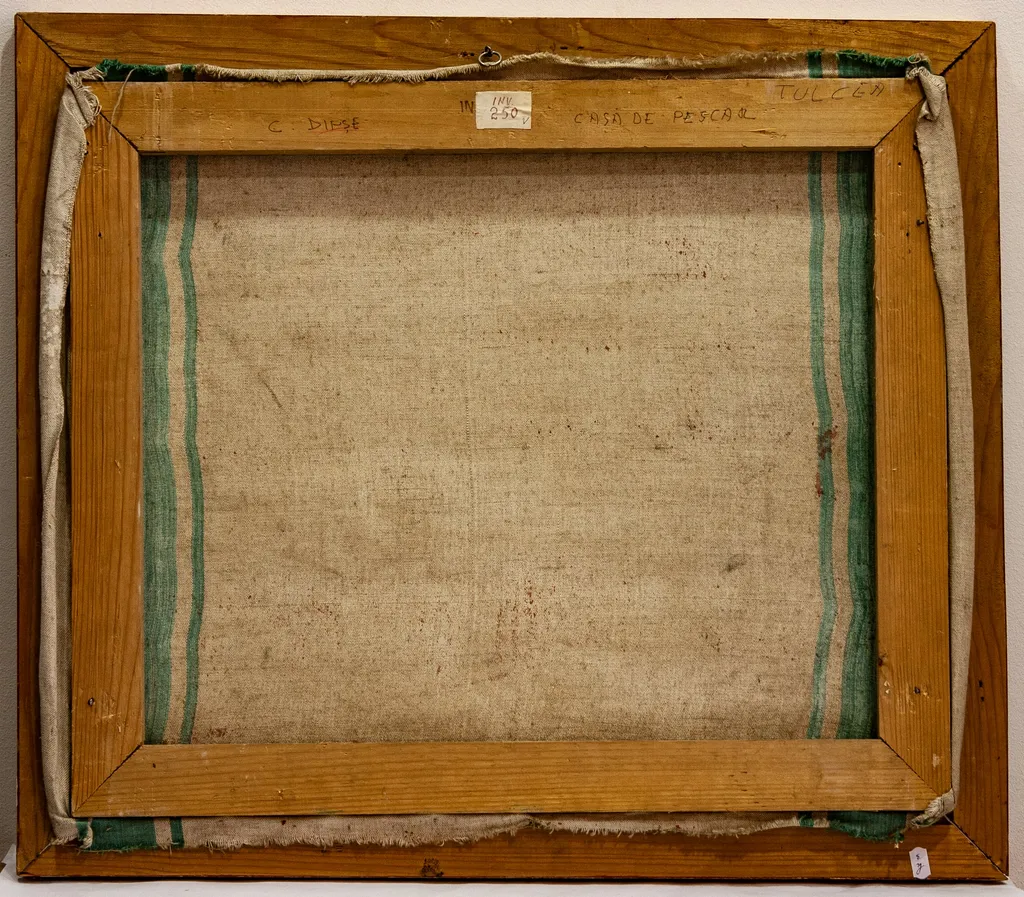
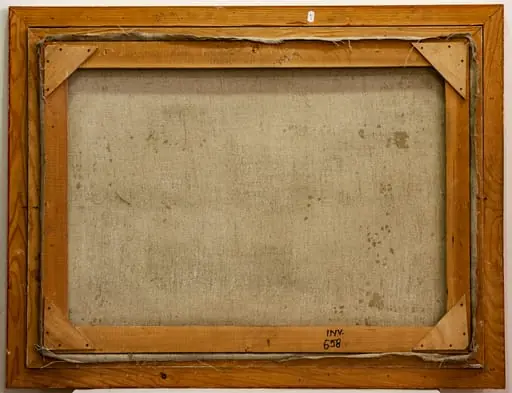
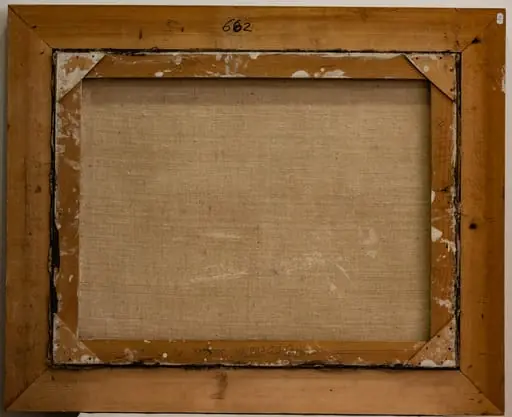
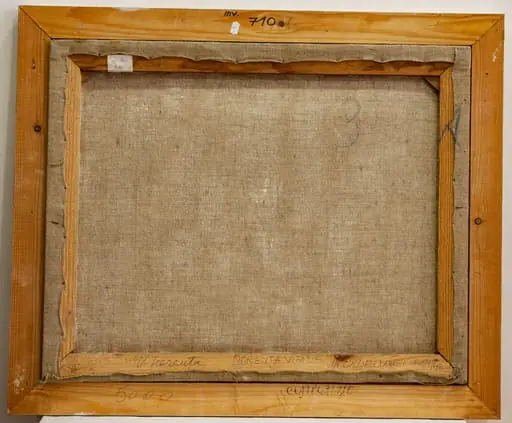
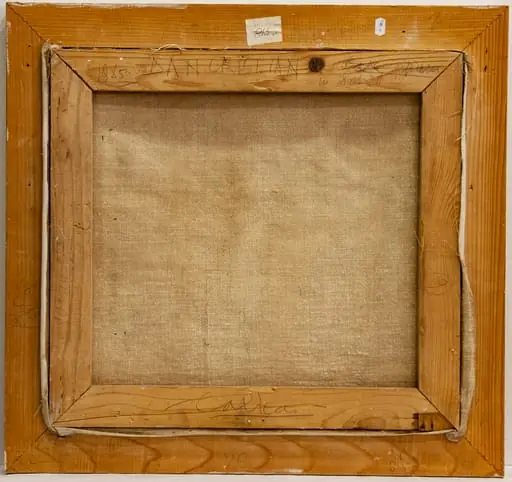
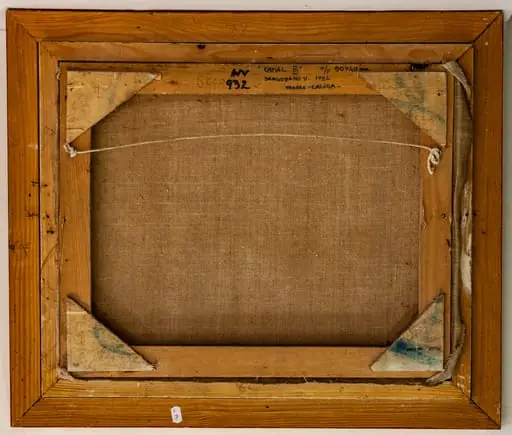
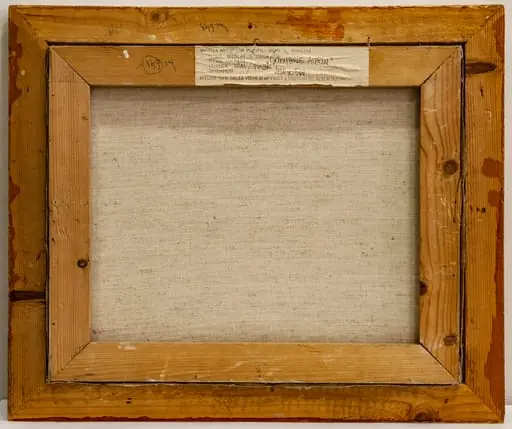
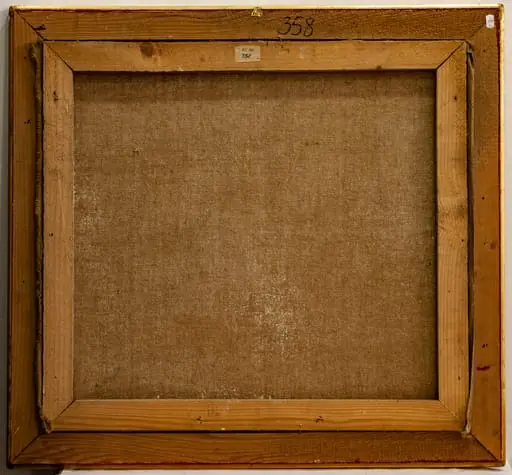
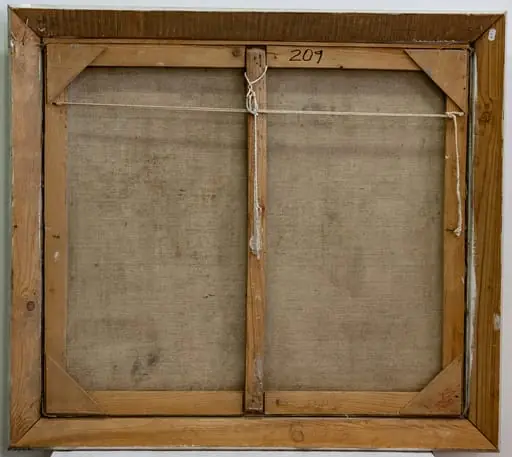
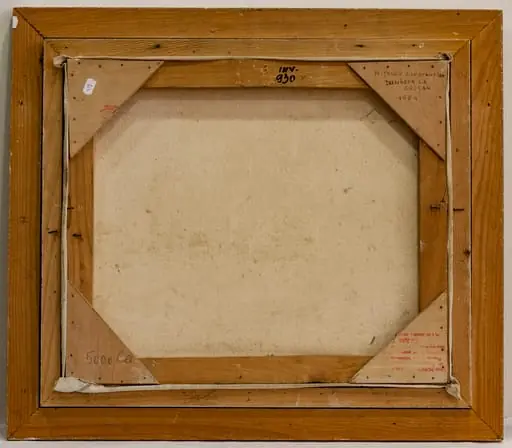
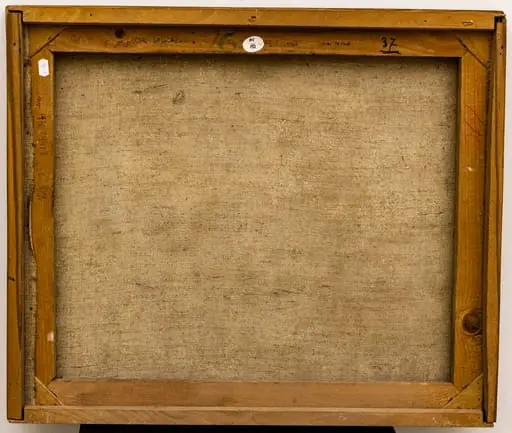
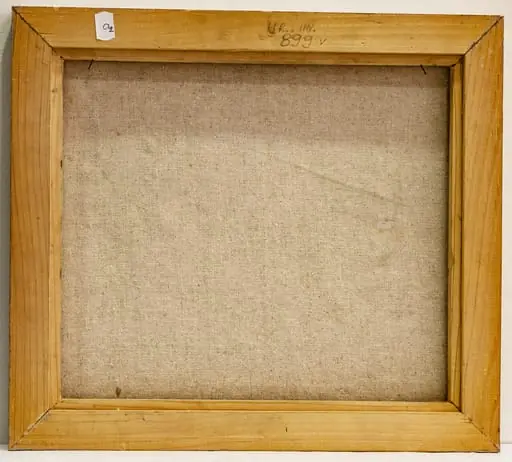
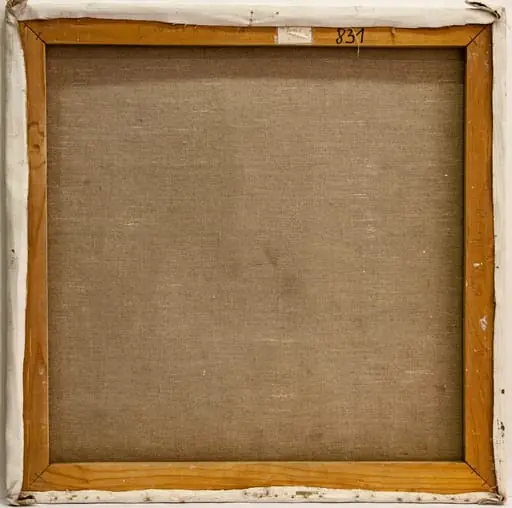
Casă de pescar is a print by Constantin Dipșe. It is held in the collection of the Gavrila Simion Eco-Museum Research Institute Tulcea. This work presents a wooden frame with a stretched canvas, rendered as the subject itself rather than a painted image.
About this work
Overview
The composition emphasizes material presence over pictorial content, inviting attention to the physicality of the support structure.
This work presents a wooden frame with a stretched canvas, rendered as the subject itself rather than a painted image. The frame is constructed from light-hued, unrefined wood, bearing tool marks and exposed nails. The canvas, beige in tone, is edged with faint green stripes and shows minor fraying. The composition emphasizes material presence over pictorial content, inviting attention to the physicality of the support structure.
Subject & Meaning
The subject is the frame and canvas as objects, not a depicted scene. By isolating these elements, the work shifts focus from representation to construction, suggesting an inquiry into the foundations of painting. The rustic, handcrafted quality implies a connection to labor and vernacular traditions, possibly reflecting a deliberate rejection of polished artistic conventions.
Technique & Style
The artist treated the frame and canvas as finished surfaces, preserving their raw textures. Wood grain, nail holes, and uneven edges are left visible, while the canvas is stretched taut but not smoothed. Subtle green accents along the borders introduce restrained color without disrupting the monochrome base. The approach prioritizes tactile honesty over decorative refinement.
History & Provenance
Attributed to Constantin Dipșe, this piece emerged from a period when Romanian artists began re-examining the material basis of art. It likely dates to the mid-20th century, a time of experimentation with non-traditional forms. Its survival as a standalone object suggests it was preserved as a conceptual study rather than a conventional painting.
Context
In postwar Romania, artists increasingly turned to minimal and process-based approaches, influenced by broader European trends toward dematerialization. Dipșe’s focus on the frame aligns with contemporaneous inquiries into art’s physical components. This work reflects a quiet resistance to state-sanctioned realism, favoring introspective materiality instead.
Legacy
Though not widely exhibited, this piece contributes to a lesser-known strand of Romanian modernism that valued the artifact over the illusion. Its emphasis on craft and materiality anticipates later conceptual and installation practices. It remains a quiet testament to artists who questioned the boundaries of what a painting could be.
Artist & collection
Artist
Museum
Gavrila Simion Eco-Museum Research Institute Tulcea
Continue through works from the same source collection.