Artwork
City Hall, Cape Town 1917
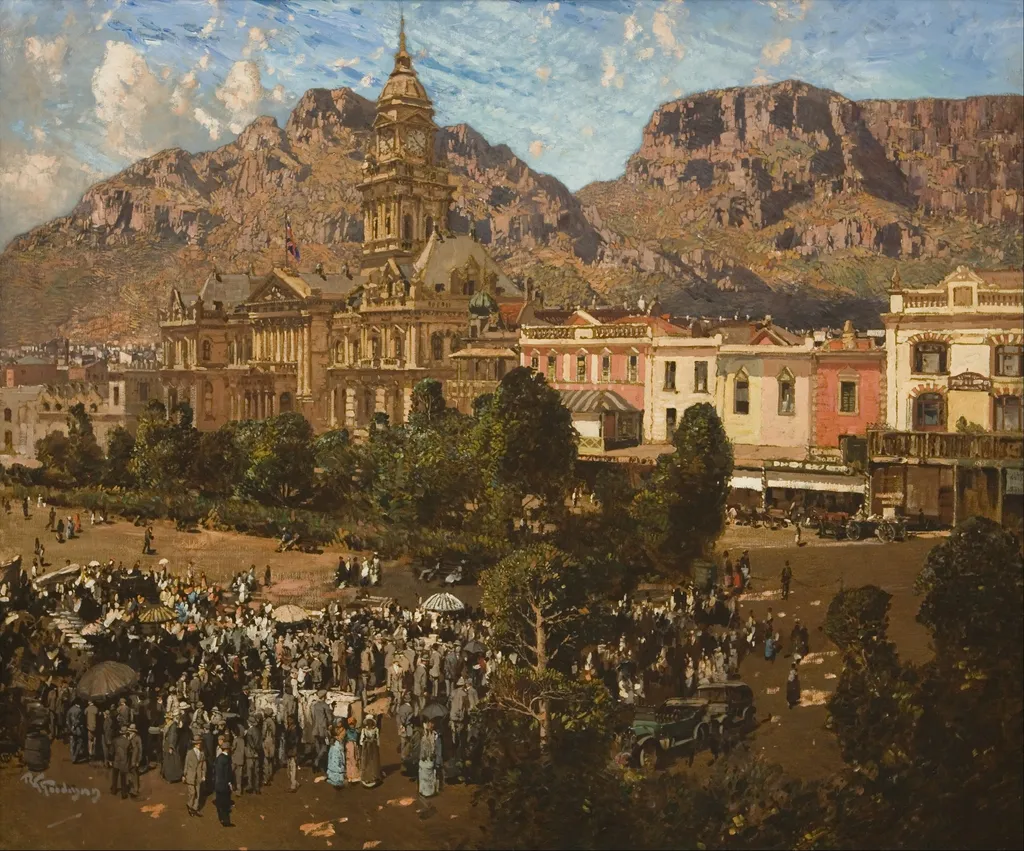
City Hall, Cape Town 1917 is an oil painting by the Impressionist artist Robert Gwelo Goodman. It dates from 1917 and is held in the collection of the South African National Gallery.
About this work
Overview
Robert Gwelo Goodman’s 1917 oil painting records the Cape Town City Hall and its surrounding square at a moment of everyday activity.
Robert Gwelo Goodman’s 1917 oil painting records the Cape Town City Hall and its surrounding square at a moment of everyday activity. The canvas captures a broad urban vista, foregrounded by a crowd of pedestrians in period attire, while the imposing municipal building with its clock tower dominates the composition. Distant mountains rise beneath a clear sky, situating the scene within its South African landscape.
Subject & Meaning
The work presents a civic space as a focal point of public life, emphasizing the role of municipal architecture in the social fabric of early twentieth‑century Cape Town. By populating the square with figures engaged in routine tasks—walking, holding umbrellas, conversing—the painting underscores the ordinary rhythms that animate the city’s formal centre.
Technique & Style
Goodman employs a palette of muted earth tones punctuated by subtle pinks and blues, creating a harmonious yet lively atmosphere. Visible brushwork lends texture to both the stone façade and the bustling crowd, while the handling of light suggests a clear, sunlit day. The composition balances detailed architectural rendering with broader, impressionistic treatment of the figures.
History & Provenance
Completed in 1917, the painting entered the collection of the Iziko South African National Gallery, where it remains on display. Its acquisition reflects the institution’s commitment to documenting South Africa’s urban development and artistic responses to public spaces during the early modern period.
Context
The early 1900s saw Cape Town’s municipal infrastructure expand, with the City Hall—finished in 1905—serving as a symbol of civic pride. Goodman’s depiction aligns with contemporary European traditions of cityscape painting, yet it is rooted in a distinctly South African setting, offering insight into colonial-era urban identity.
Legacy
As a visual record of a specific moment in Cape Town’s architectural and social history, the painting continues to inform scholars of urban planning, fashion, and daily life in the region. Its presence in a national collection underscores the enduring relevance of such documentary works within South African art history.
Own this work as a print
Artist & collection

 Exposition de Nice
 Pe terasă la Sinaia
 Paisaje de El Escorial
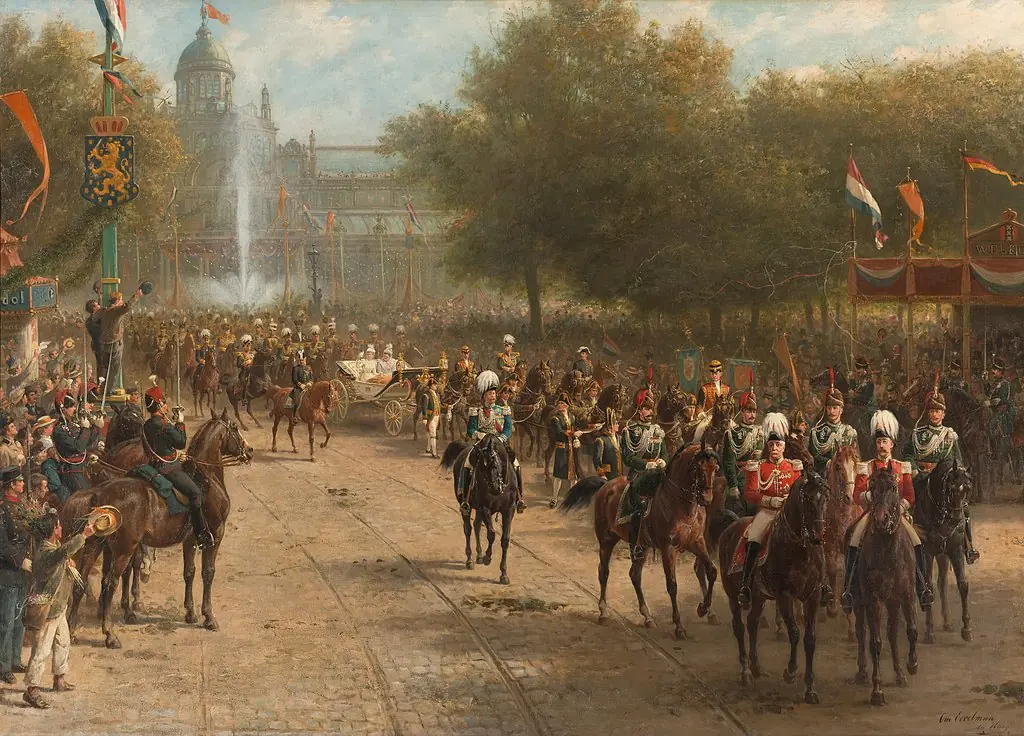 The Frederiksplein in Amsterdam during the arrival of Queen Wilhelmina, 5 September 1898
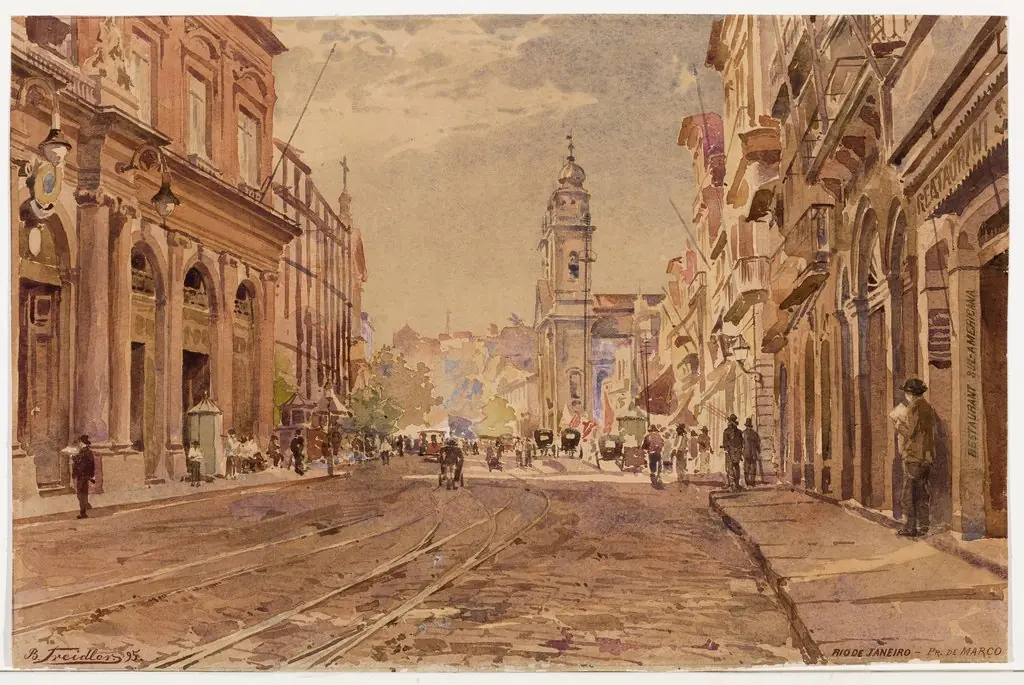 Rio de Janeiro - Pr. de Março
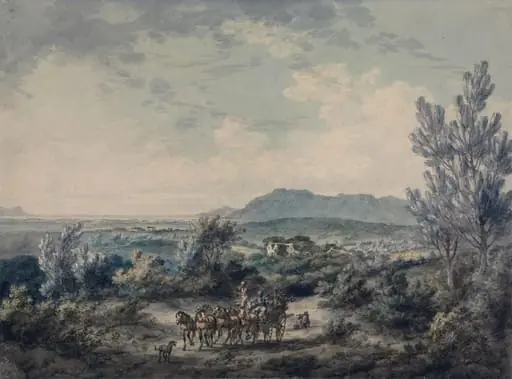 False Bay from Wynberg Hill, Cape of Good Hope
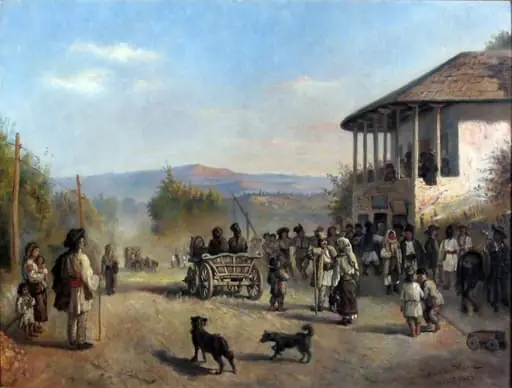 La Trei Sarmale
 Rocky Hills near Civitella
 Proclamation of the Republic
 Belgian Emigrants
 School Festival at Ipiranga
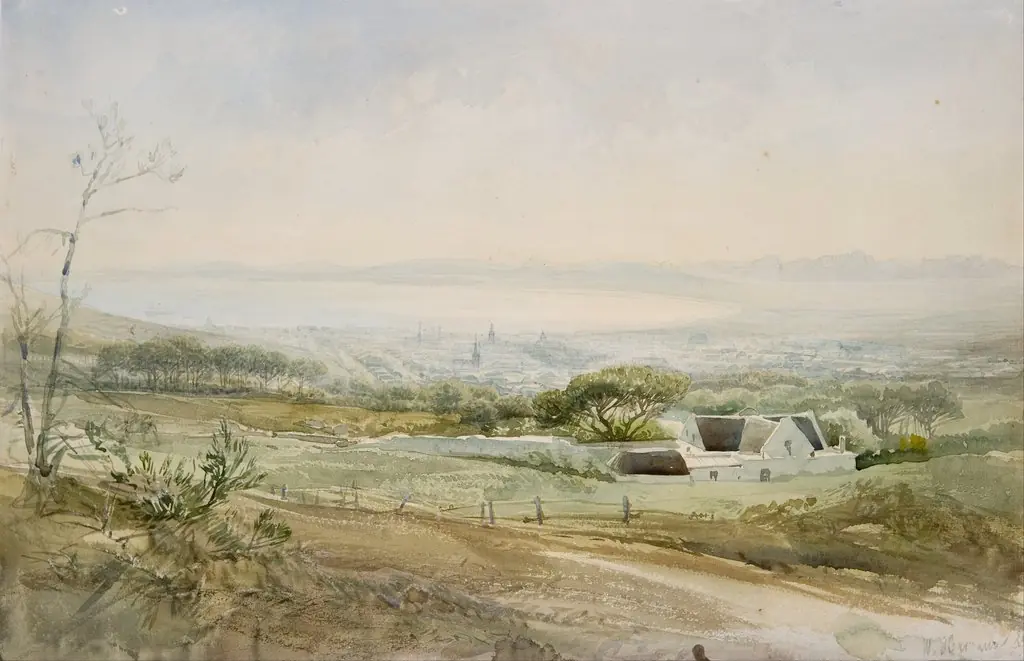 Cape Town from the Top of Kloof Street