Artwork
Portrait of James Hewitt, First Viscount Lifford, Lord Chancellor of Ireland (1767-1787)
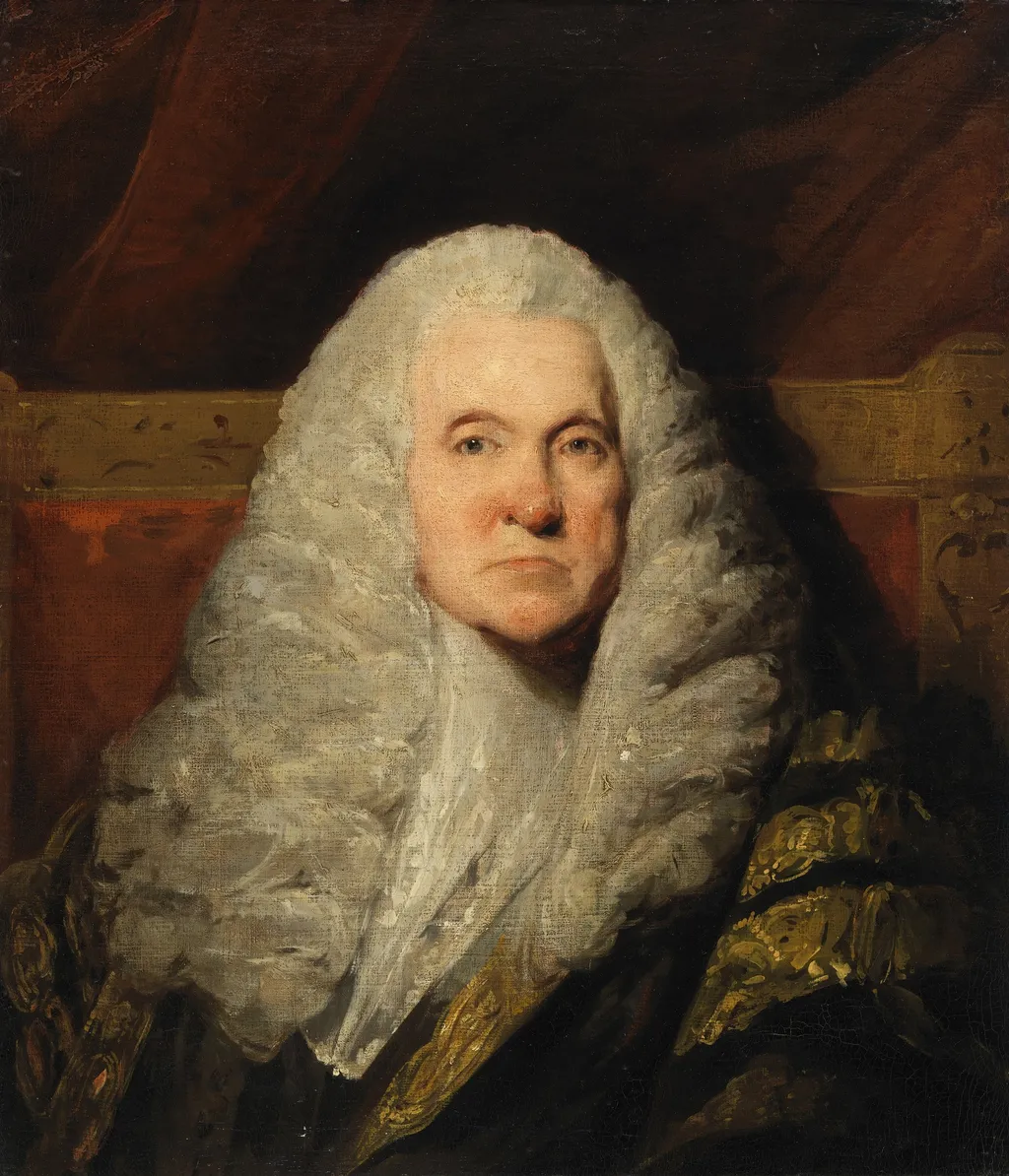
Portrait of James Hewitt, First Viscount Lifford, Lord Chancellor of Ireland (1767-1787) is an oil painting by Robert Lucius West. It is held in the collection of the National Gallery of Ireland.
About this work
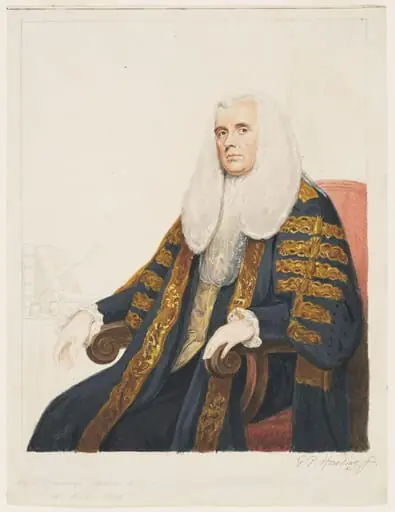
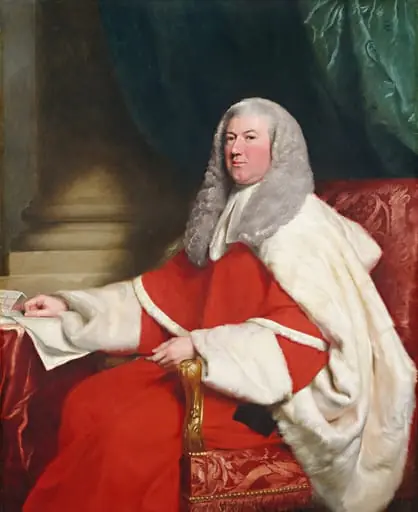
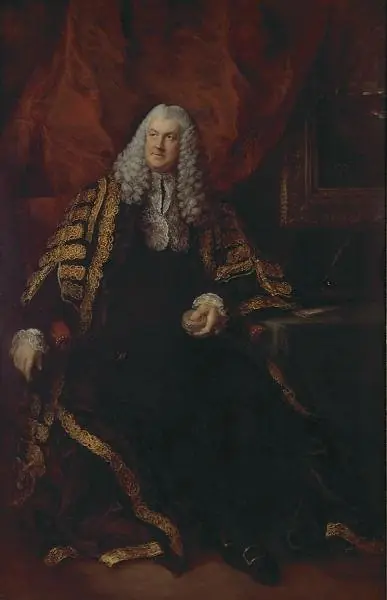
The painting depicts a man with white hair, wearing a white wig and a black robe with gold accents.
The painting depicts a man with white hair, wearing a white wig and a black robe with gold accents. He is set against a dark background, with a red wall and a gold-framed picture behind him.
The man's expression is serious, and he looks directly at the viewer. His white wig is long and curly, framing his face. The black robe he wears is formal, with intricate gold designs on the shoulders and chest.
This portrait is a fine example of a formal portrait from the 18th century. To learn more about the artist's technique, explore the use of chiaroscuro in his work.
Overview
This oil painting by Robert Lucius West portrays James Hewitt, First Viscount Lifford, who served as Lord Chancellor of Ireland from 1767 to 1787. The work is part of the collection at the National Gallery of Ireland.
Subject & Meaning
The subject, James Hewitt, is depicted in formal attire, conveying his high office. His direct gaze and serious expression underscore his authority as Lord Chancellor. The composition emphasizes dignity and formal power.
Technique & Style
West employs chiaroscuro, contrasting light and dark to create depth. The dark background and the subject's black robe, set against the bright white of his wig and the gold accents, exemplify this technique. The overall style is characteristic of 18th-century formal portraiture.
History & Provenance
Created during Hewitt's tenure as Lord Chancellor (1767-1787), the painting's exact date is not specified. It is now housed at the National Gallery of Ireland, with no detailed provenance provided in available sources.
Context
The painting reflects the artistic and social conventions of 18th-century Ireland, particularly in its portrayal of high-ranking officials. It aligns with the era's tradition of commissioning formal portraits to symbolize status and power.
Legacy
While not widely discussed in broad art historical narratives, this portrait is valued for its representation of 18th-century Irish officialdom and as an example of West's application of chiaroscuro in formal portraiture.
Artist & collection
Artist
Robert Lucius West painted formal oil portraits in late 1700s Dublin. His brush captured the faces of local leaders and thinkers, like the writer Laurence Sterne and the Lord Chancellor James Hewitt. These sitters posed…