Artwork
Sir John Taylor Coleridge
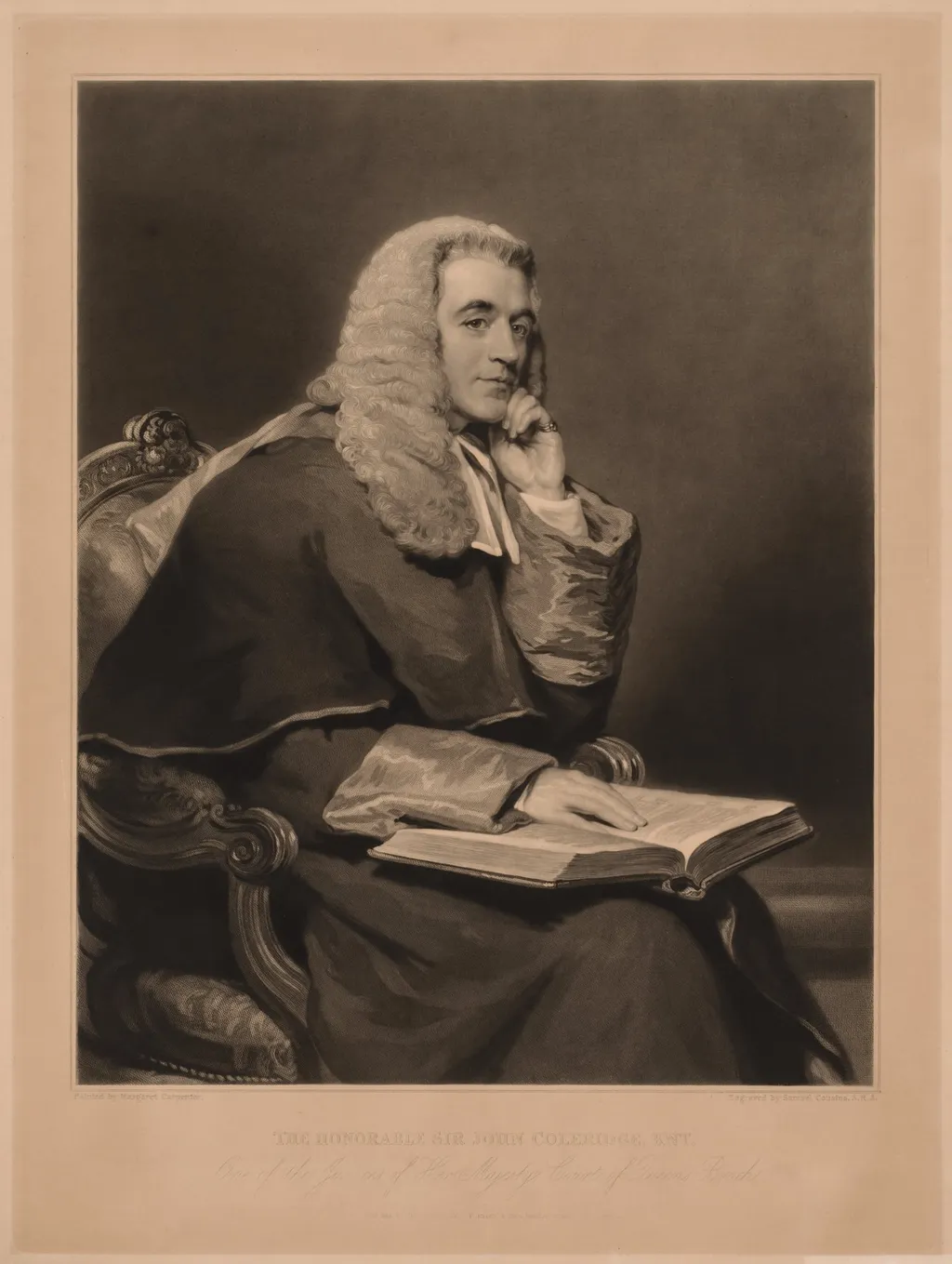
Sir John Taylor Coleridge is a print by Samuel Cousins. It dates from 1851 and is held in the collection of the Cleveland Museum of Art.
About this work
Overview
This print, produced around 1851 by Samuel Cousins, depicts Sir John Taylor Coleridge, a British judge and legal scholar. Executed in mezzotint, the work captures the subject in a formal, introspective pose. It is part of the collection at The Cleveland Museum of Art, where it serves as an example of 19th-century British portraiture in reproductive printmaking.
Subject & Meaning
Sir John Taylor Coleridge is portrayed as a man of intellect and authority, seated with a leather-bound book resting on his lap. His direct gaze and composed expression convey quiet seriousness, reflecting his professional stature. The book and the ring on his right hand suggest scholarly engagement and personal distinction, reinforcing his identity as a legal figure of his time.
Technique & Style
Cousins employed mezzotint to achieve rich tonal gradations and a strong sense of volume. The use of chiaroscuro isolates the figure against a dark background, emphasizing the texture of his robe and the contours of his face. Fine detail in the hair, book binding, and ring highlights the precision of the medium, while the lighting directs focus to the subject’s hands and expression.
History & Provenance
The print was made after a portrait painting, likely by a contemporary artist, as was common in reproductive printmaking of the period. It entered the Cleveland Museum of Art’s collection in the 20th century, following earlier circulation among private collectors and institutions interested in British legal and literary figures of the 19th century.
Context
In mid-19th-century Britain, mezzotint was widely used to disseminate portraits of prominent individuals to a broader public. Coleridge, as a respected judge and nephew of poet Samuel Taylor Coleridge, represented the intersection of law and intellectual culture. Such prints served both commemorative and social functions, reinforcing the status of their subjects.
Legacy
Samuel Cousins was among the most skilled reproductive printmakers of his era, known for translating oil portraits into detailed prints. This work contributes to the historical record of British legal figures and exemplifies the technical refinement achievable in mezzotint. It remains a reference for studying how portraiture functioned in Victorian public life.
Artist & collection


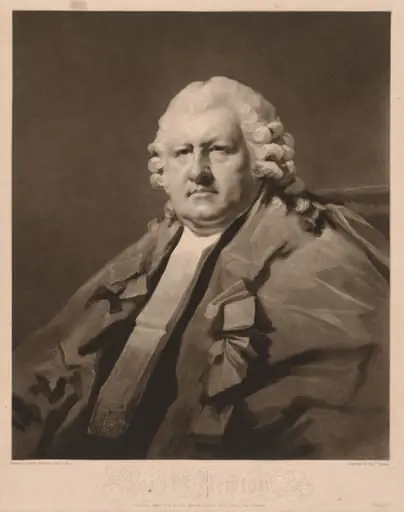 Lord Newton
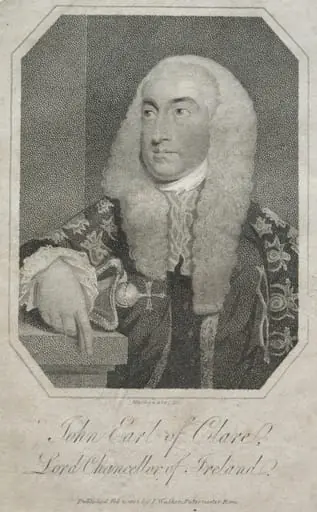 John Fitzgibbon, Earl of Clare (1749-1802)
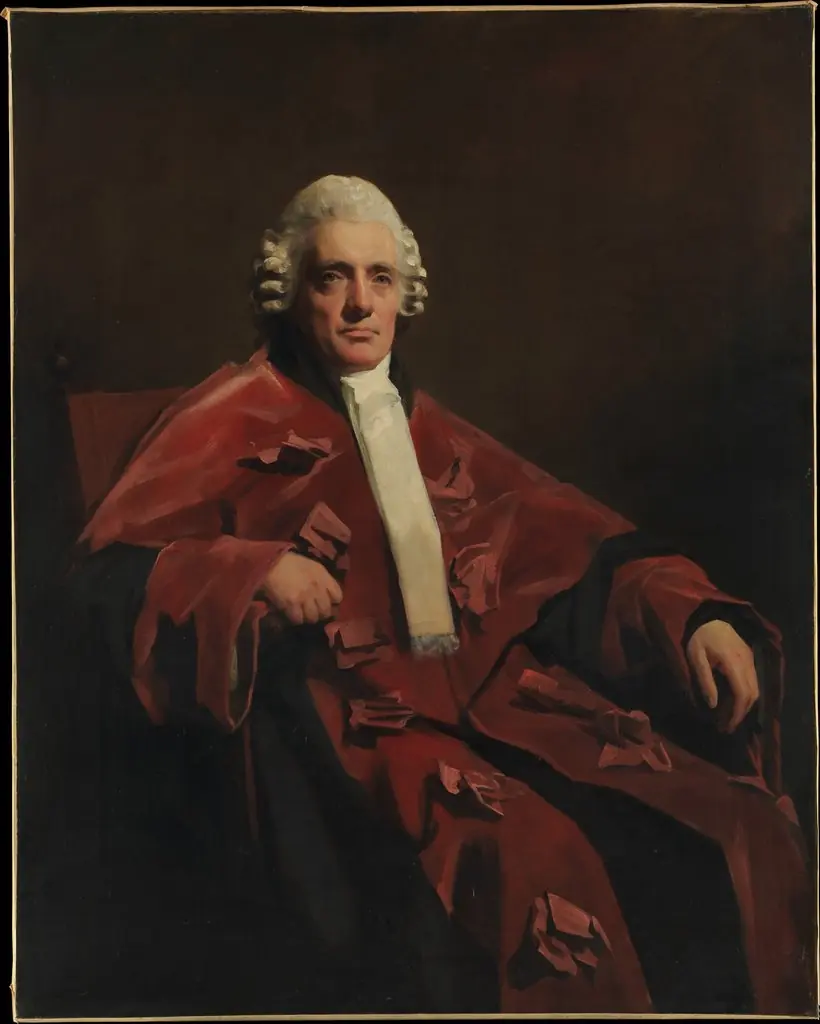 William Robertson (1753–1835), Lord Robertson
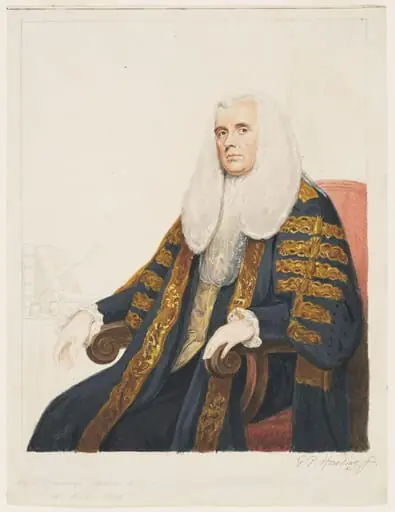 Portrait of Richard Pepper Ardene, Lord Alvanley, Master of the Rolls
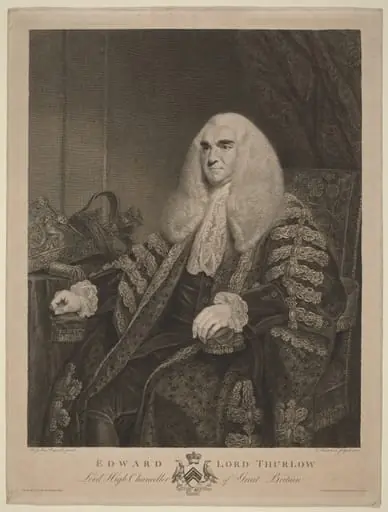 Edward, Lord Thurlow
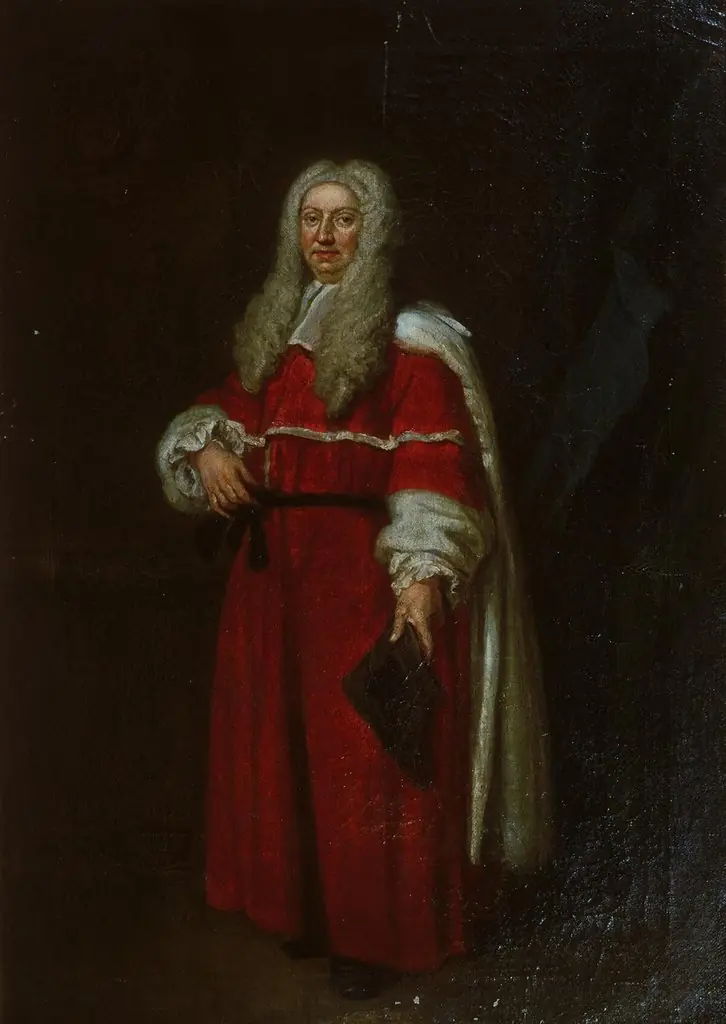 Baron Pryse
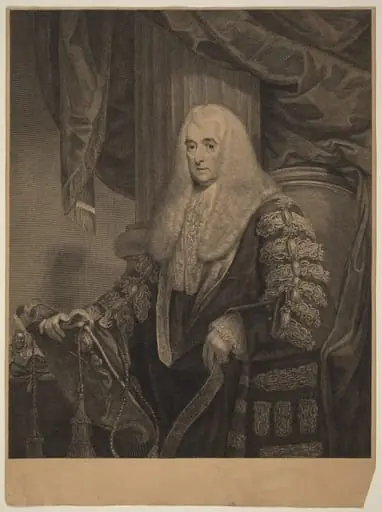 Alexander, Lord Loughborough
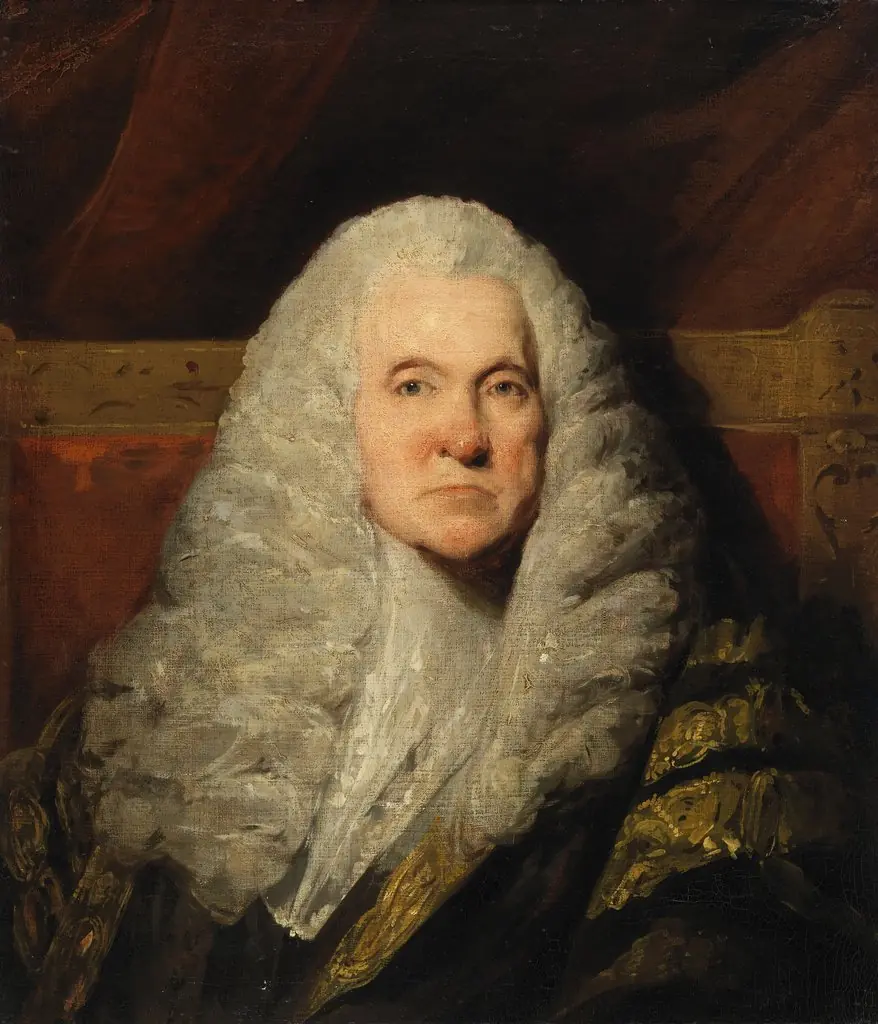 Portrait of James Hewitt, First Viscount Lifford, Lord Chancellor of Ireland (1767-1787)
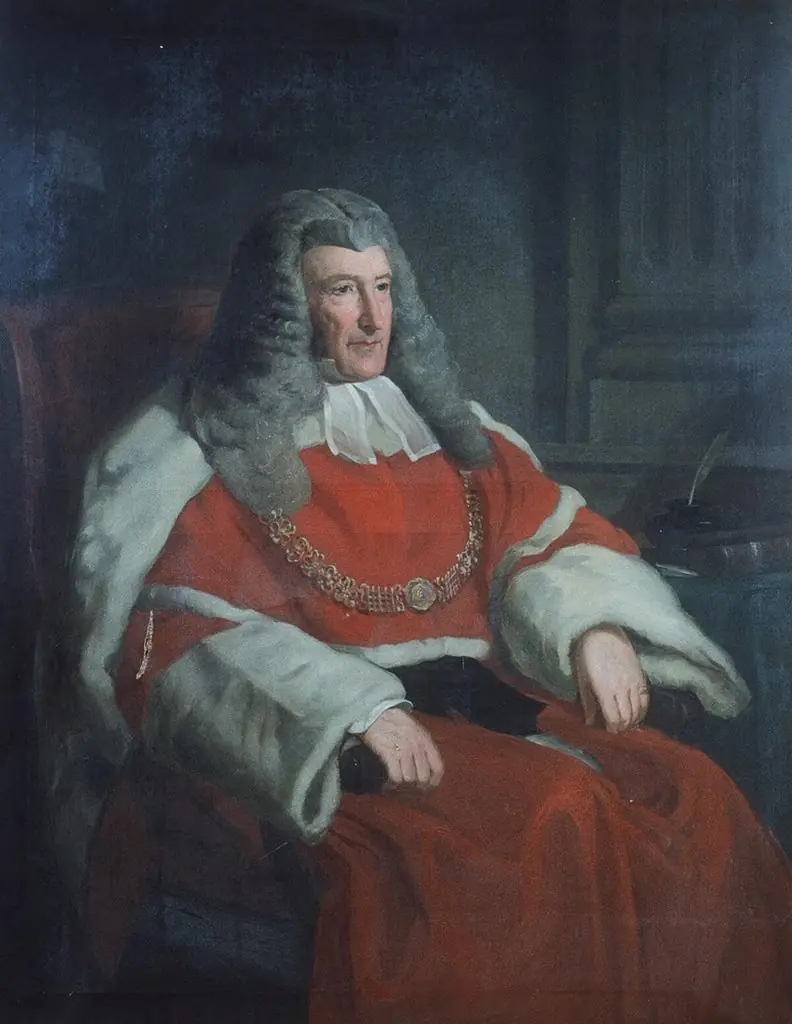 Judge Campbell, Chief Justice of England
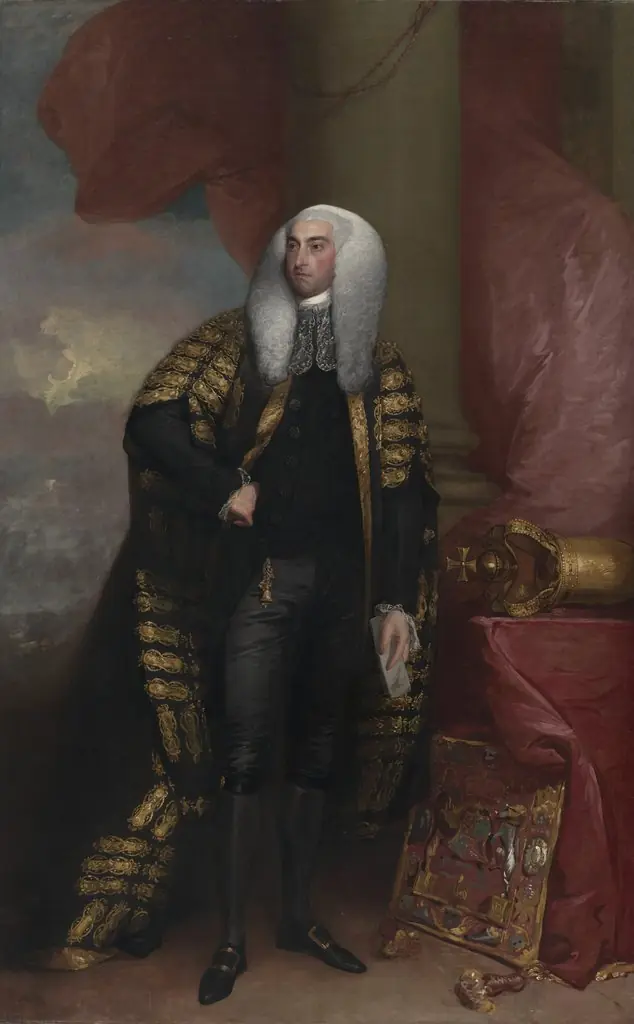 Baron FitzGibbon