Artwork
Edward, Lord Thurlow
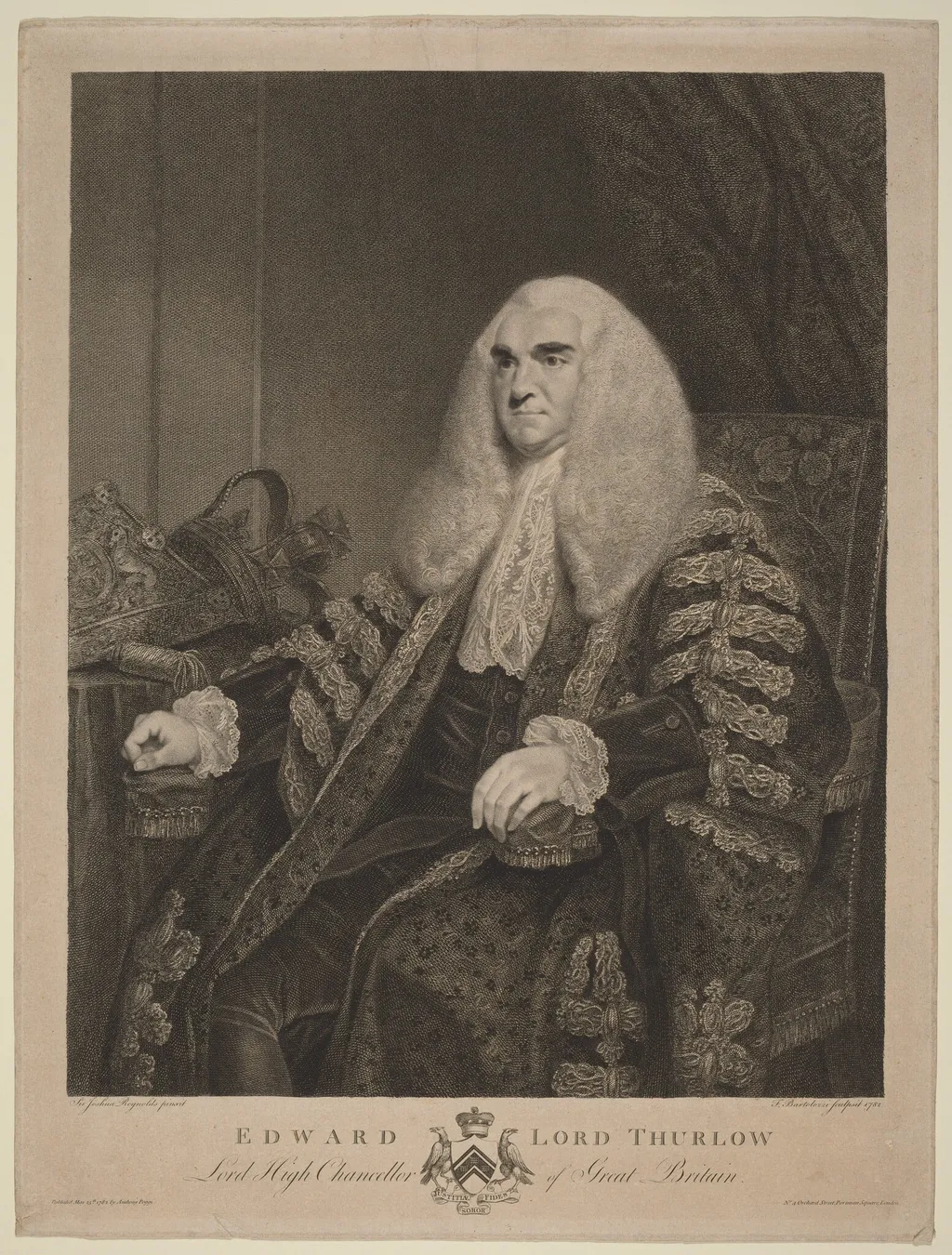
Edward, Lord Thurlow is an ink print by the Romanticist artist Francesco Bartolozzi. It dates from 1782 and is held in the collection of the National Gallery of Art.
About this work
Overview
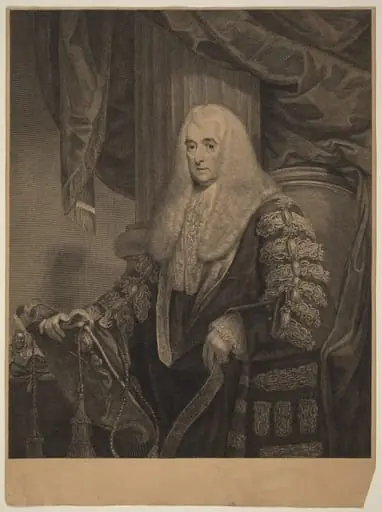
Created in 1782, this stipple engraving portrays Edward Thurlow, Lord Chancellor of Great Britain, rendered by the Italian artist Francesco Bartolozzi.
Created in 1782, this stipple engraving portrays Edward Thurlow, Lord Chancellor of Great Britain, rendered by the Italian artist Francesco Bartolozzi. Executed in London during the height of Bartolozzi’s career, the print exemplifies his mastery of the stipple technique, which achieved tonal nuance through fine dots rather than lines. The work is a reproductive portrait, intended to disseminate the likeness of a public figure to a broader audience.
Subject & Meaning
Edward Thurlow, a leading legal and political figure of his time, is depicted with solemn composure, reflecting his high office. His formal attire—black robe adorned with lace and embroidery, paired with a white cravat—signals his judicial authority. The restrained gesture of one hand resting on a surface and the other resting in the lap conveys stillness and gravitas, reinforcing the dignity associated with his role in the British legal system.
Technique & Style
Bartolozzi employed stipple engraving, a method using countless small dots to build gradations of light and shadow. This technique allowed for a soft, painterly effect uncommon in traditional line engravings. The background’s muted texture suggests a draped curtain or stone wall, enhancing the subject’s presence without distraction. The precision of the dots captures the texture of lace, hair, and fabric with remarkable subtlety.
History & Provenance
Bartolozzi, who relocated to London in the 1760s, became a central figure in British printmaking, particularly known for translating portraits into engraved form. This image was produced during his most active period, likely commissioned to circulate Thurlow’s likeness among the educated elite. The print was part of a broader trend of using reproductive engravings to memorialize public figures in an age before photography.
Context
In late 18th-century Britain, stipple engravings were favored for their ability to mimic the softness of chalk drawings and oil portraits. Thurlow’s portrait aligns with contemporary efforts to visually codify political authority through controlled, dignified imagery. Bartolozzi’s work bridged continental artistic traditions and British tastes, contributing to the visual culture of governance and aristocratic identity.
Legacy
Bartolozzi’s stipple engravings influenced generations of British printmakers and helped standardize the reproduction of portraiture. While the original painting of Thurlow is now less known, this engraving preserved his image for wider audiences and remains a representative example of how authority was visually communicated in the pre-photographic era.
Artist & collection
Artist
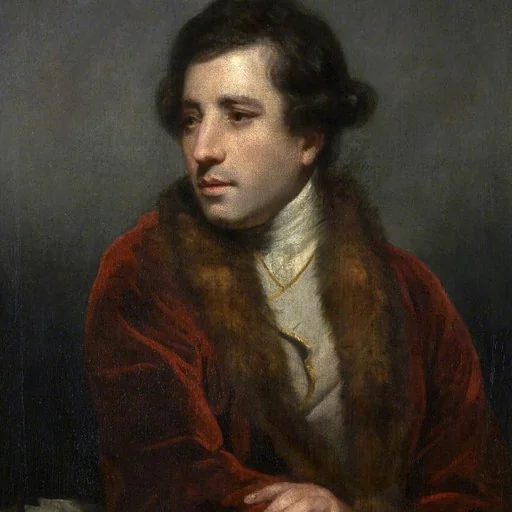
Francesco Bartolozzi (21 September 1727 – 7 March 1815) was an Italian engraver, whose most productive period was spent in London. He is noted for popularizing the "crayon" method of engraving.

 Alexander, Lord Loughborough
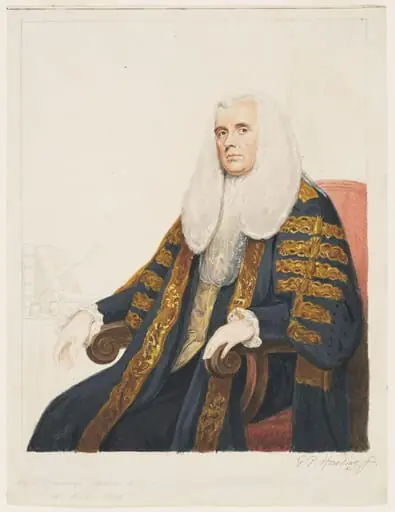 Portrait of Richard Pepper Ardene, Lord Alvanley, Master of the Rolls
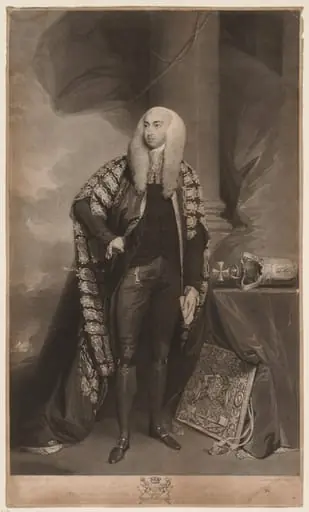 John, Lord FitzGibbon
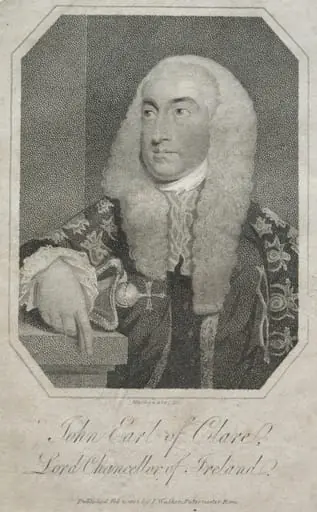 John Fitzgibbon, Earl of Clare (1749-1802)
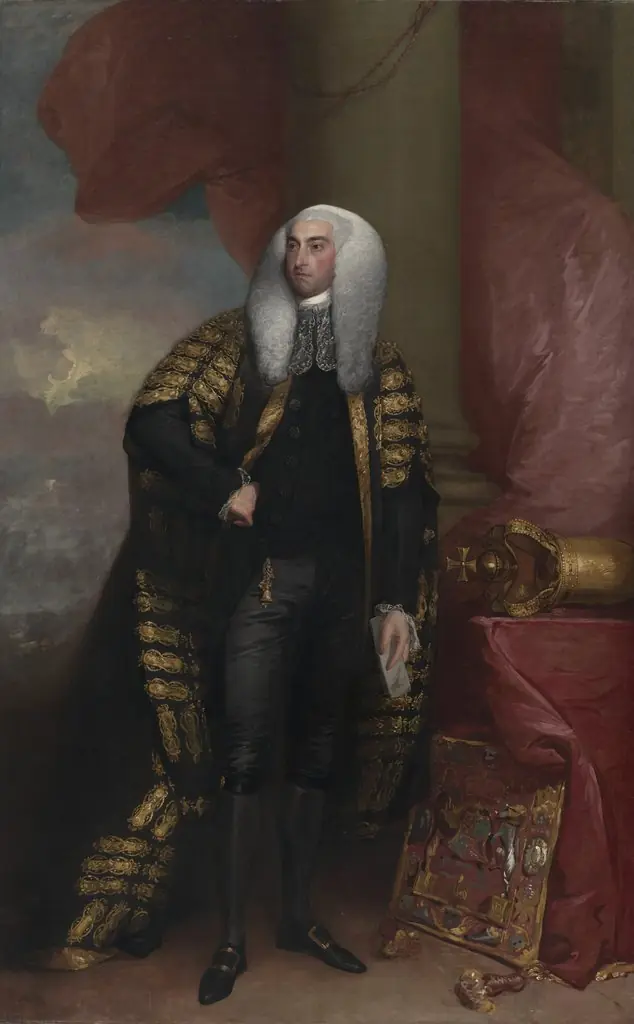 Baron FitzGibbon
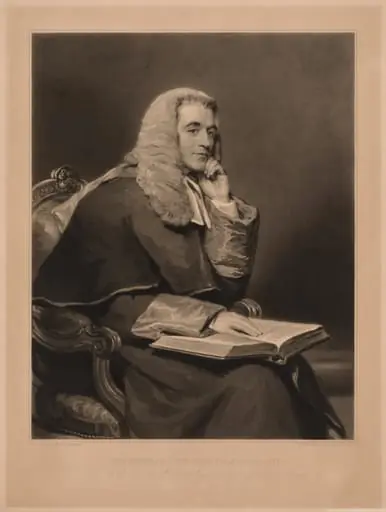 Sir John Taylor Coleridge
 Baron Pryse
 John Fitzgibbon, Earl of Clare
 The Rt Hon. Charles Wolfran Cornewall
 Baron FitzGibbon
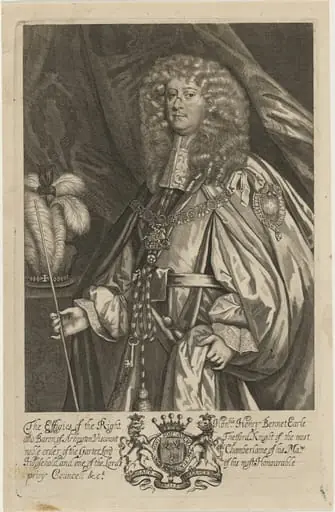 Henry Bennett, Earl of Arlington
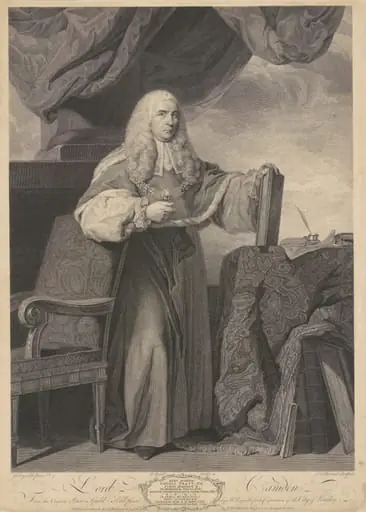 Lord Camden