Artwork
Untitled
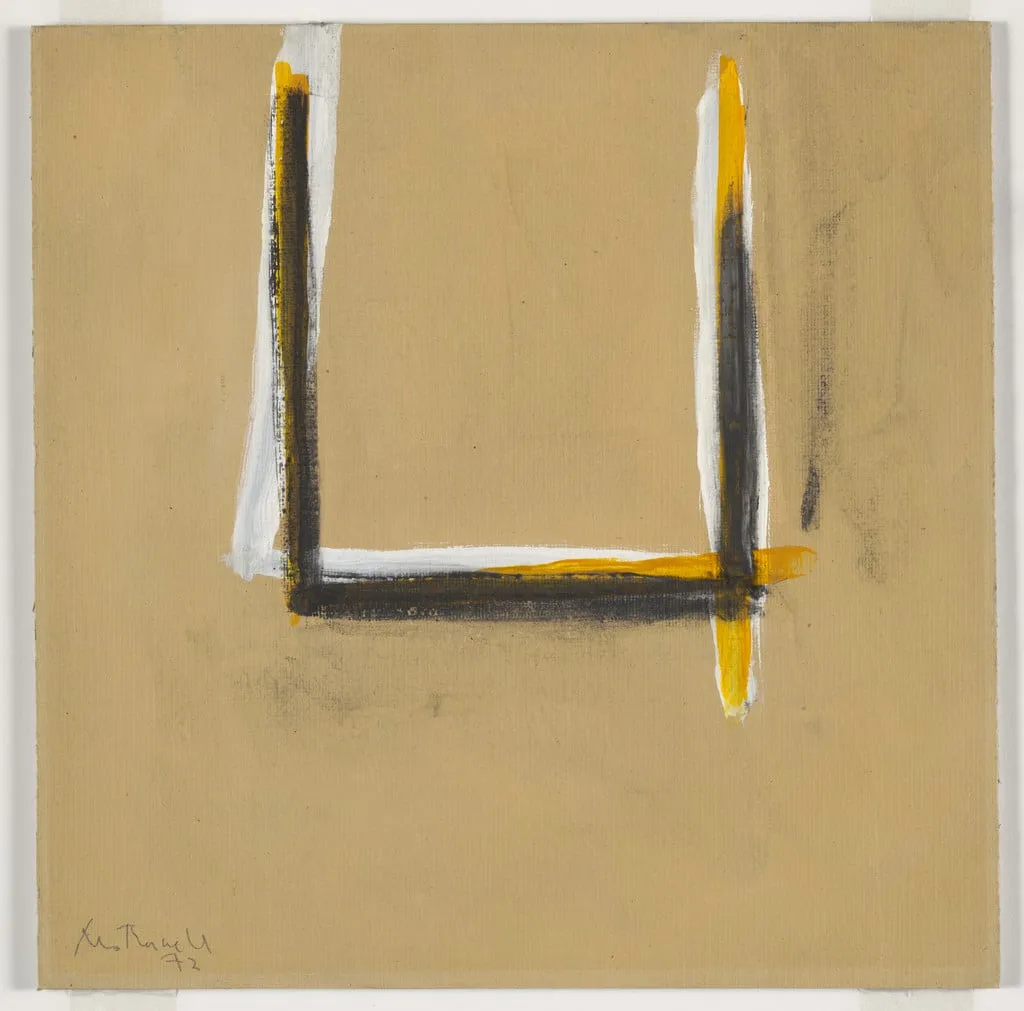
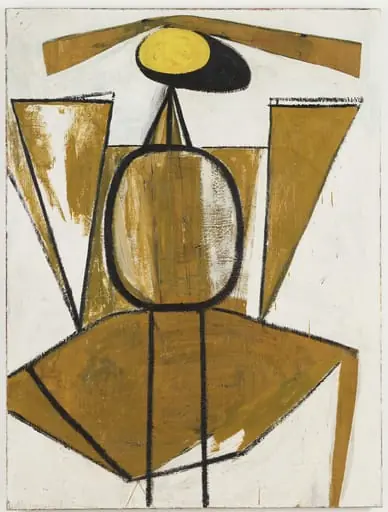
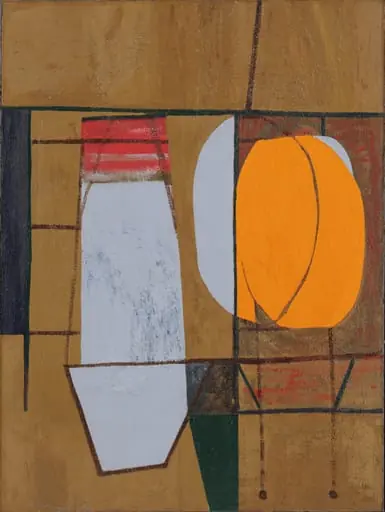
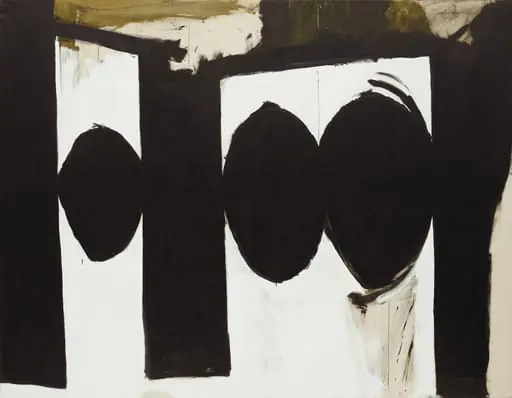
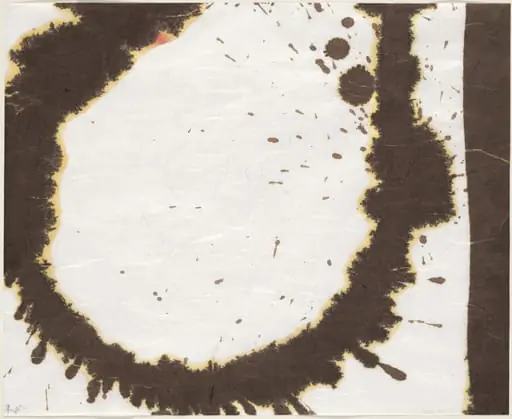
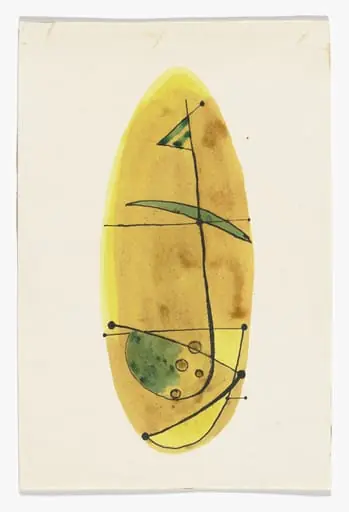
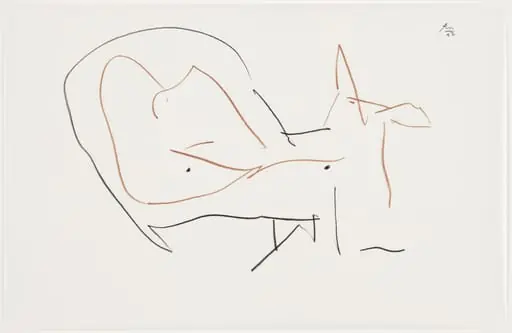
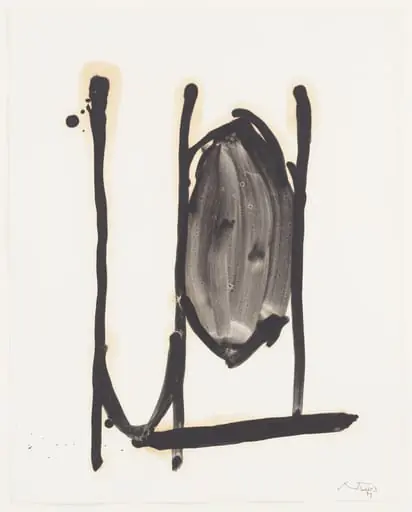
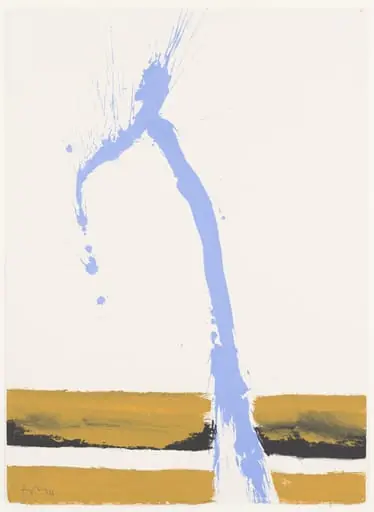
Untitled is a charcoal drawing by Robert Mothé. It dates from 1972 and is held in the collection of the Museum of Modern Art. Created in 1972, this work by Robert Motherwell combines charcoal and synthetic polymer paint on a wooden panel.
About this work
Overview
Motherwell’s approach here aligns with his lifelong engagement with abstraction as a vehicle for introspection and emotional resonance.
Created in 1972, this work by Robert Motherwell combines charcoal and synthetic polymer paint on a wooden panel. It belongs to his series of abstract compositions that prioritize gesture and materiality over representation. The piece is part of The Museum of Modern Art’s collection, reflecting its significance within postwar American art. Motherwell’s approach here aligns with his lifelong engagement with abstraction as a vehicle for introspection and emotional resonance.
Subject & Meaning
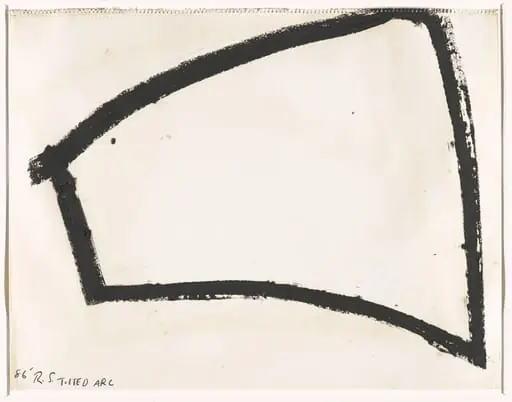
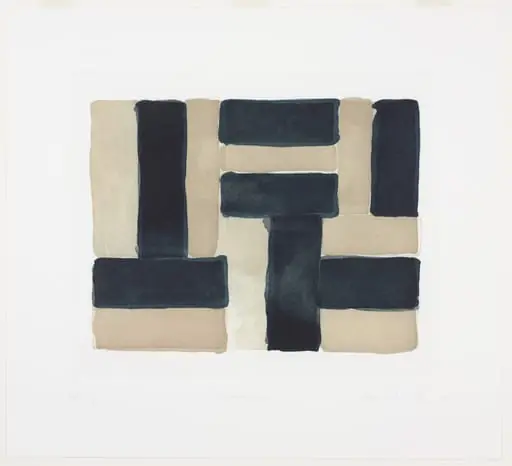
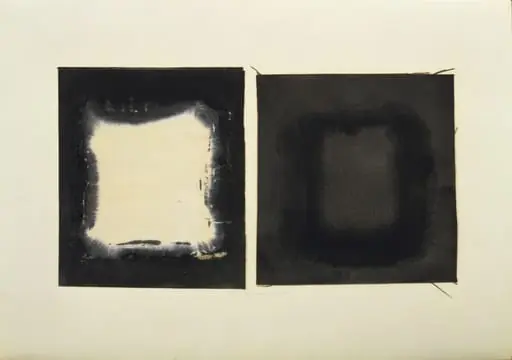
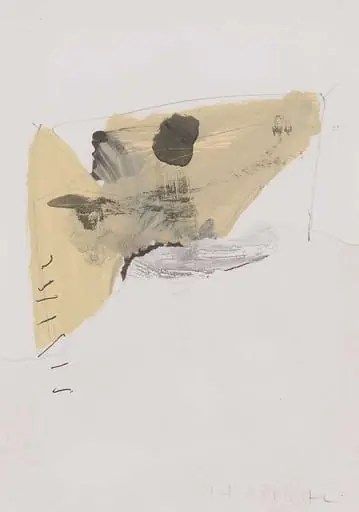
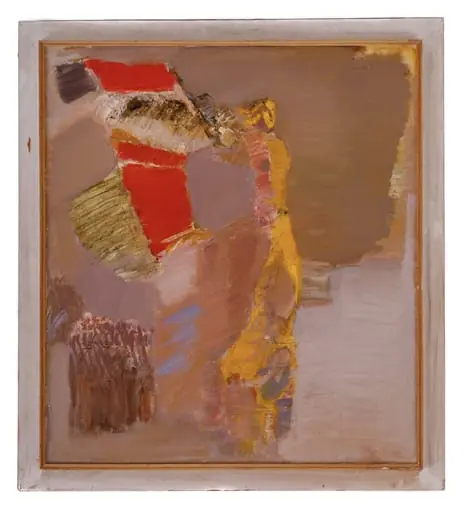
The work resists literal interpretation, instead evoking a sense of spatial tension through minimal forms. A dominant black L-shaped line cuts across a muted tan field, suggesting architectural or bodily contours without defining them. White and yellow accents introduce subtle contrasts, implying movement or rupture. Motherwell often drew from literary and philosophical sources; here, the composition may allude to absence, structure, or the limits of expression.
Technique & Style
Motherwell employed rough, tactile brushwork and layered pigments to create a surface rich in texture. Charcoal provides a granular understructure, while synthetic polymer paint adds density and opacity. The edges of the black form are irregular, revealing the hand of the artist through scumbling and deliberate imperfection. The muted palette and unpolished finish emphasize material presence over illusion, characteristic of his Abstract Expressionist method.
History & Provenance
The work was completed during a period of sustained abstraction in Motherwell’s career, following his earlier Elegies series. It entered The Museum of Modern Art’s collection in the decades after its creation, likely through direct acquisition or donation. Its inclusion in a major institutional collection underscores its role in documenting the evolution of American abstraction in the late 20th century.
Context
Made during the height of post-Abstract Expressionist discourse, the piece responds to debates around gesture, scale, and meaning in nonobjective art. While contemporaries like Pollock and de Kooning pushed toward gestural dynamism, Motherwell favored restrained forms and intellectual underpinnings. This work reflects his position between emotional intensity and formal discipline, bridging European modernism with American experimentation.
Legacy
Motherwell’s use of simple geometric elements to convey psychological weight influenced later generations of minimalist and conceptual artists. His integration of literary references into abstract form helped legitimize abstraction as a medium for complex thought. This work remains a quiet but persistent example of how restraint and materiality can carry profound emotional and intellectual weight.
Artist & collection

Artist
Robert Motherwell (January 24, 1915 – July 16, 1991) was an American abstract expressionist painter, printmaker, and editor of The Dada Painters and Poets: an Anthology.