Artwork
Portrait of Wilhelmina van Pruisen (1751-1820)
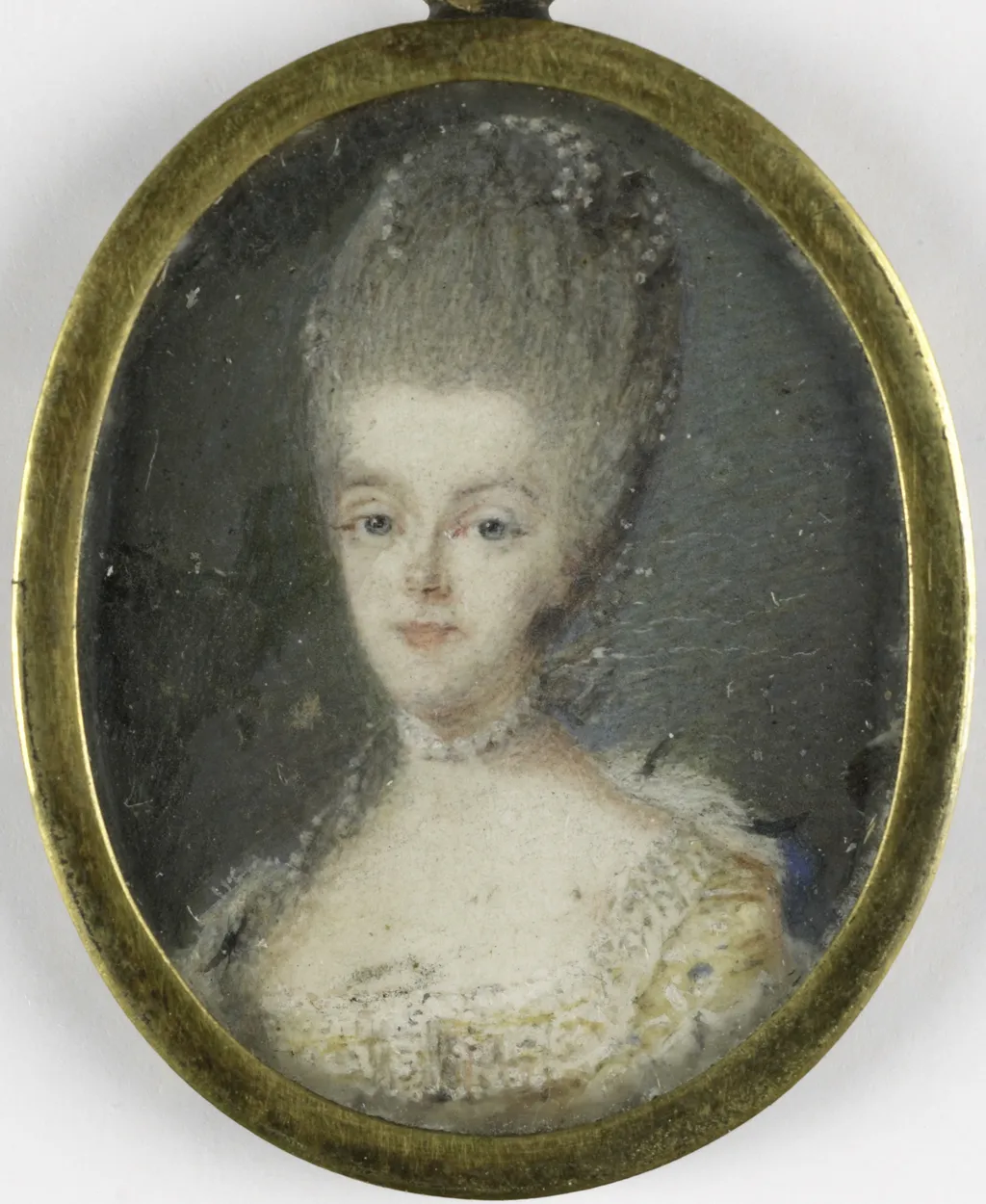
Portrait of Wilhelmina van Pruisen (1751-1820) is an unspecified painting by the Rococo painting artist Robert Mussard. It dates from 1768 and is held in the collection of the Rijksmuseum.
About this work
Overview
Portrait of Wilhelmina van Pruisen (1751-1820) is a 1768 portrait on parchment by Robert Mussard, housed at the Rijksmuseum. The work depicts its subject in a characteristic 18th-century aesthetic, with a powdered wig and white attire set against a dark background, emphasizing her refined features and calm demeanor.
Subject & Meaning
Wilhelmina van Pruisen, a member of the Prussian royal family, is portrayed with attention to detail in her hair and clothing, conveying realism and possibly underscoring her social status through the meticulous rendering of her attire.
Technique & Style
The artist employed strong contrast between light and dark (suggested by the visual note on chiaroscuro) to create depth, drawing the viewer's focus to the subject's face. Intricate details in the wig and dress reflect the Baroque or Rococo attention to texture and realism.
History & Provenance
Created in 1768 by Robert Mussard, the portrait has been part of the Rijksmuseum's collection, though specific acquisition details are not provided here.
Context
The portrait reflects late 18th-century European royal portraiture trends, characterized by formal attire, powdered wigs, and the use of chiaroscuro to evoke nobility and serenity.
Legacy
While specific influences or subsequent artistic impacts of this portrait are not detailed, it contributes to the broader legacy of 18th-century royal portraiture and the enduring appeal of chiaroscuro in art.
Artist & collection

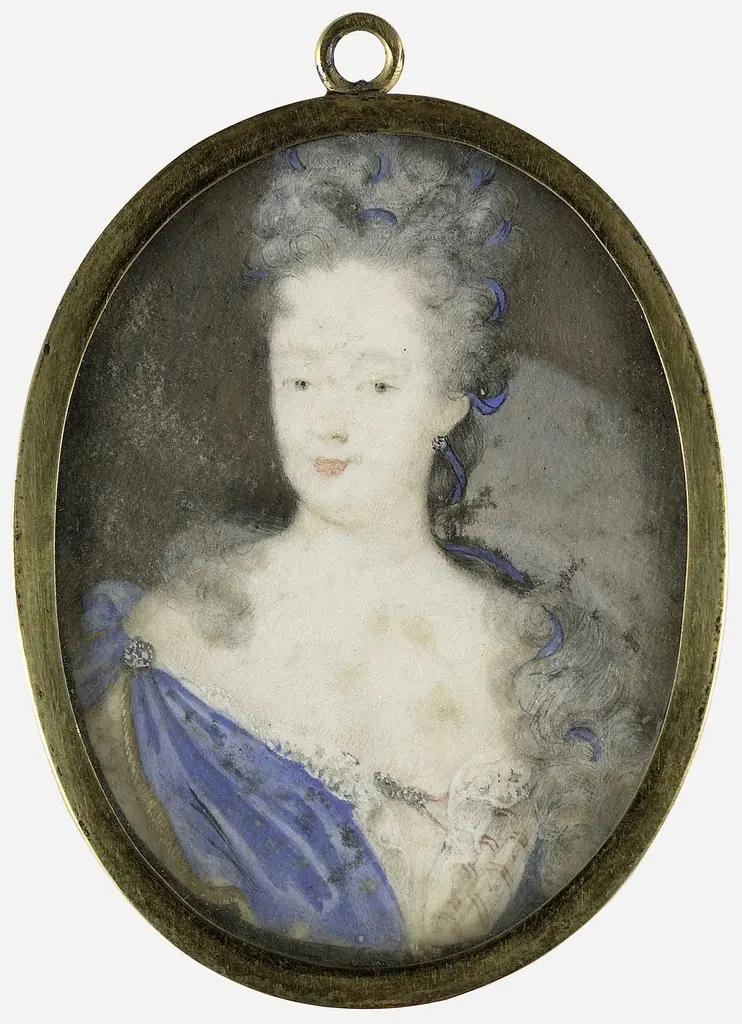 Portrait of Henriette Amalia van Anhalt-Dessau (1666-1726), wife of Hendrik Casimir II, ruler of Nassau-Dietz
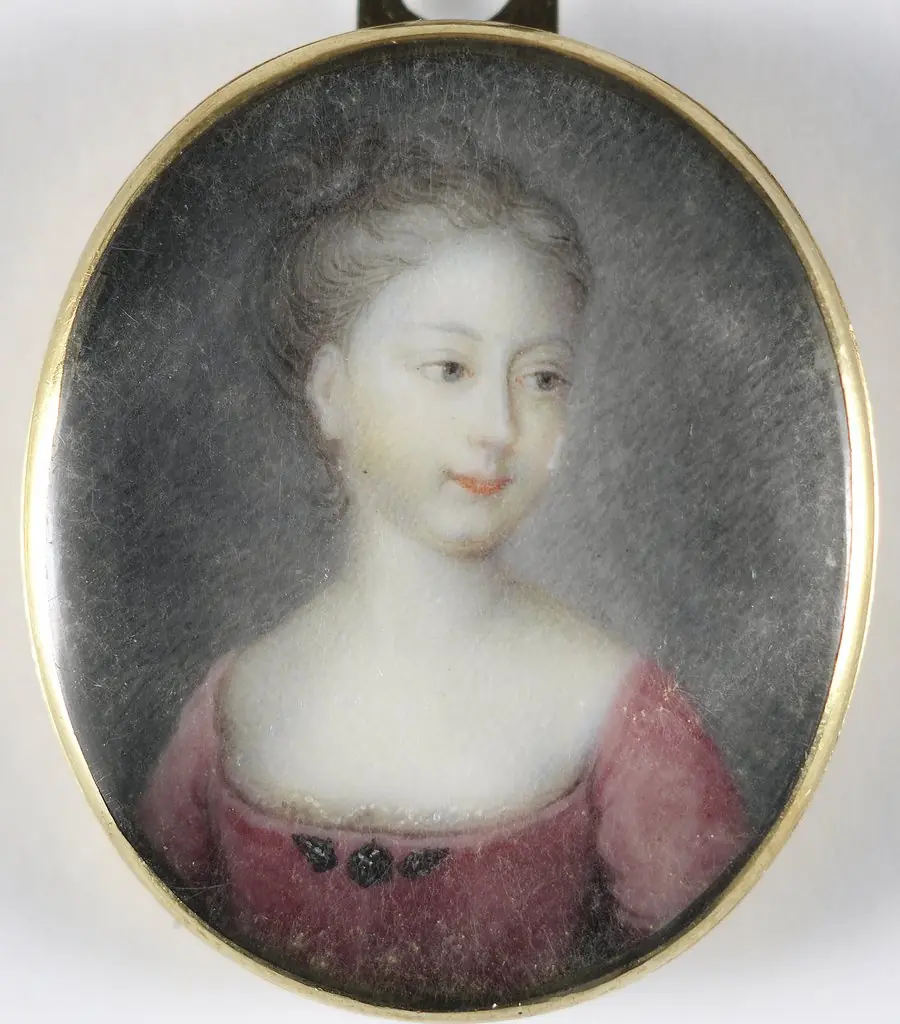 Portret van een meisje, vermoedelijk een dochter van George II, koning van Engeland
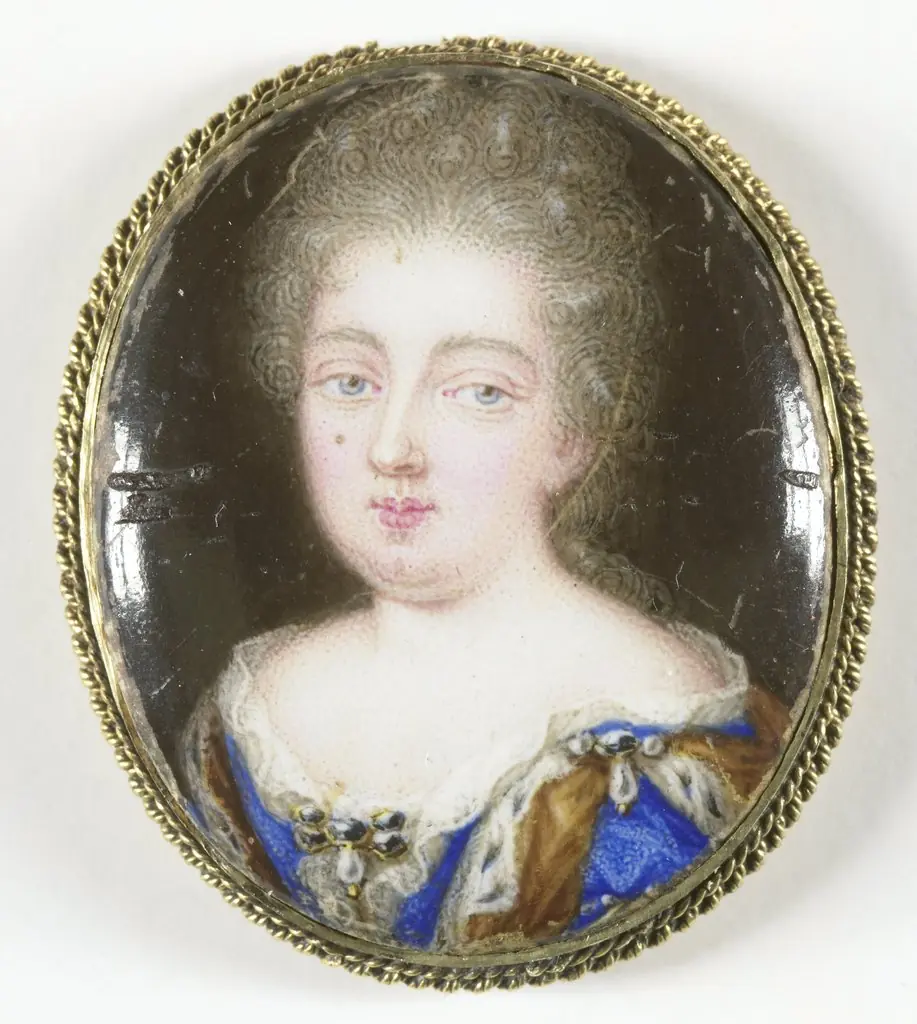 Portrait of an unknown woman
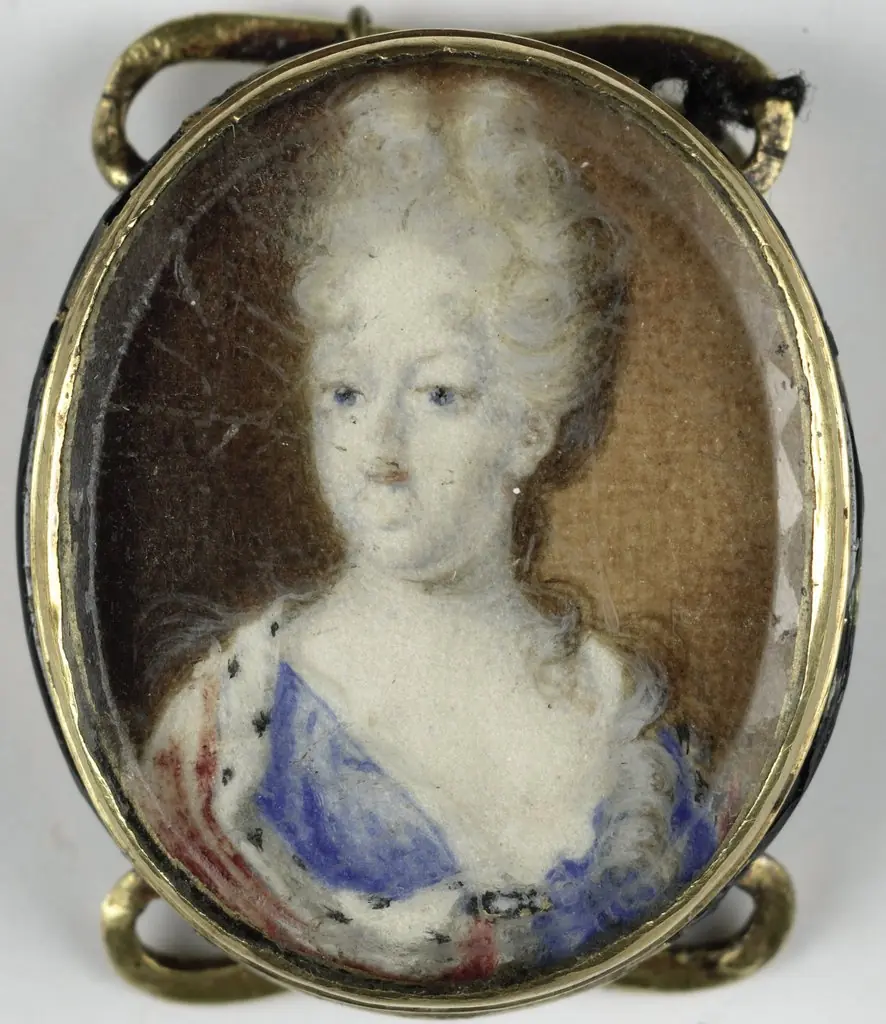 Portret van een vrouw
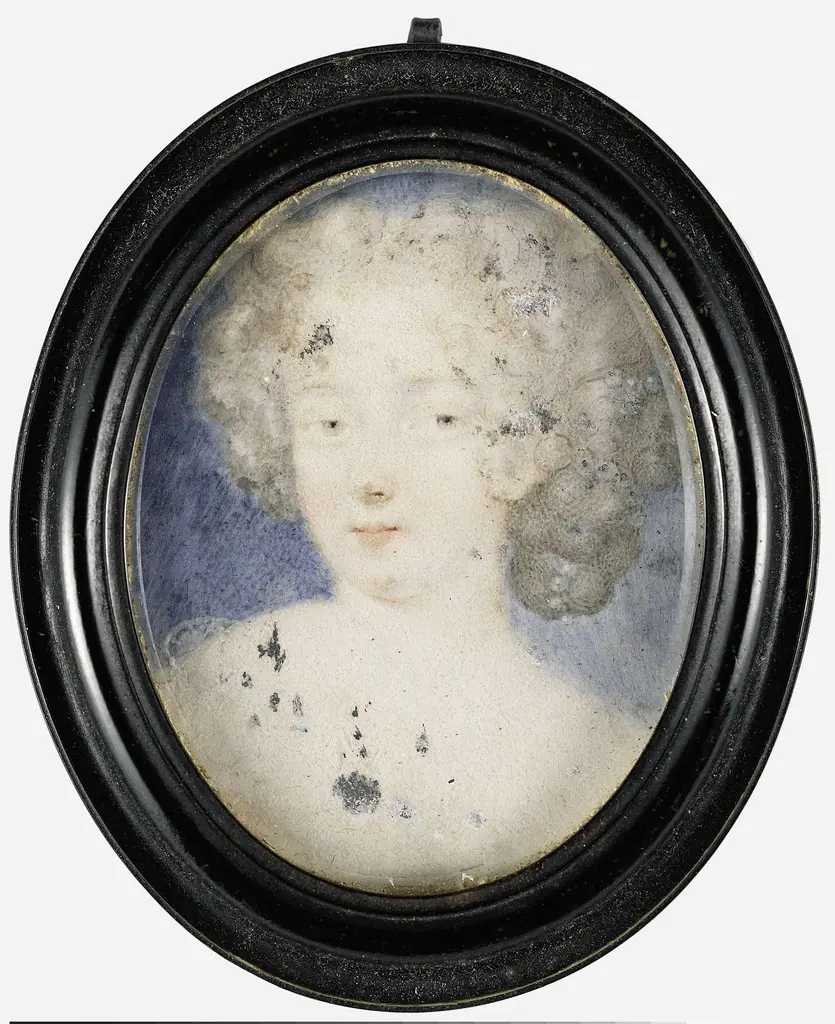 Hortense Mancini (1639-1715), hertogin van Mazarin
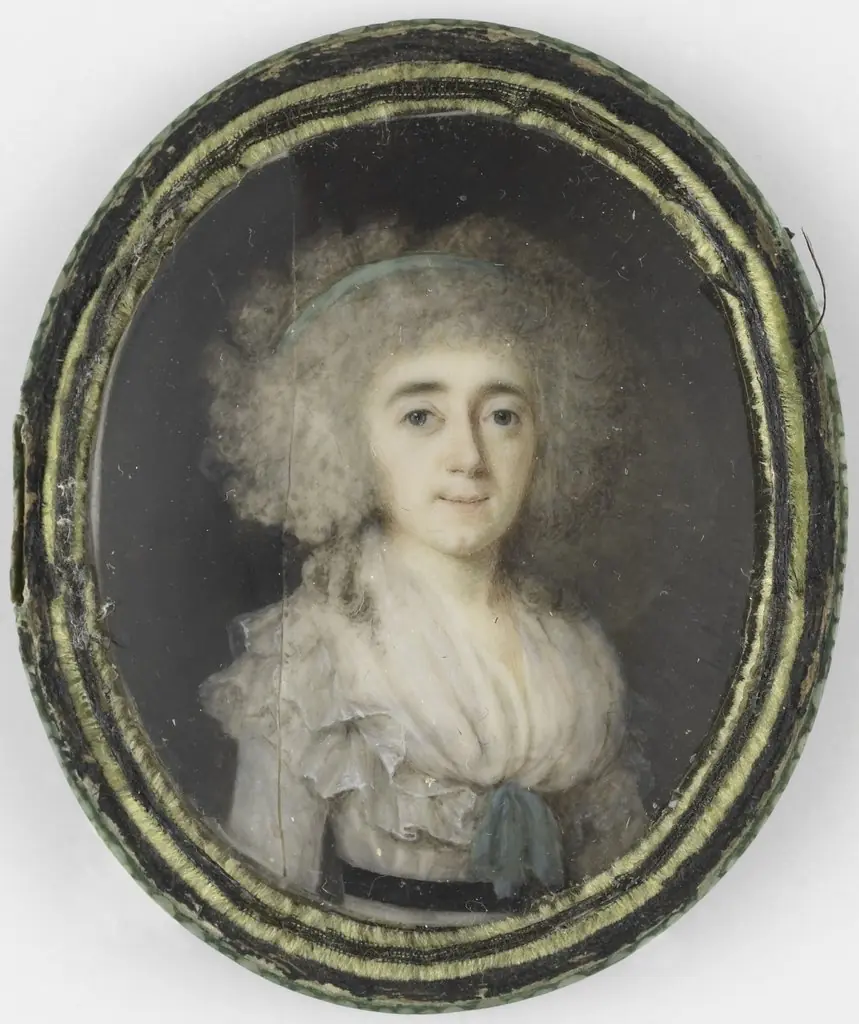 Portrait of a woman
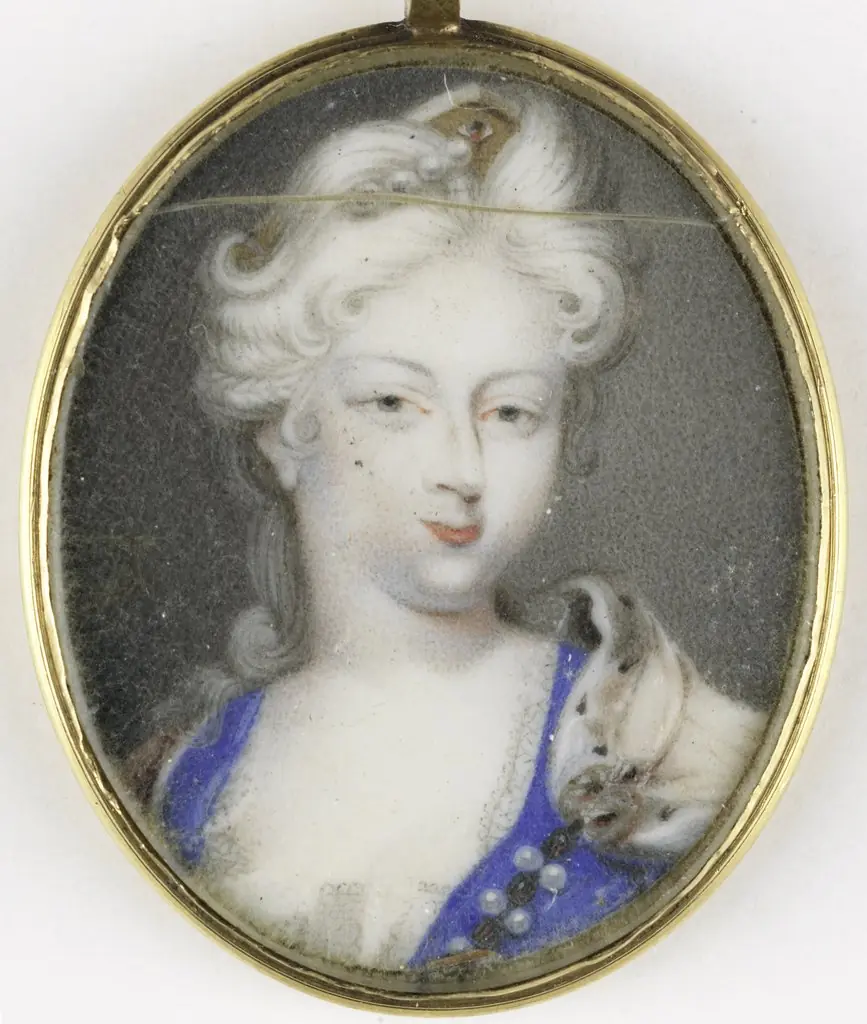 Portret van een vrouw, vermoedelijk Christiane Charlotte van Württemberg (1694-1729)
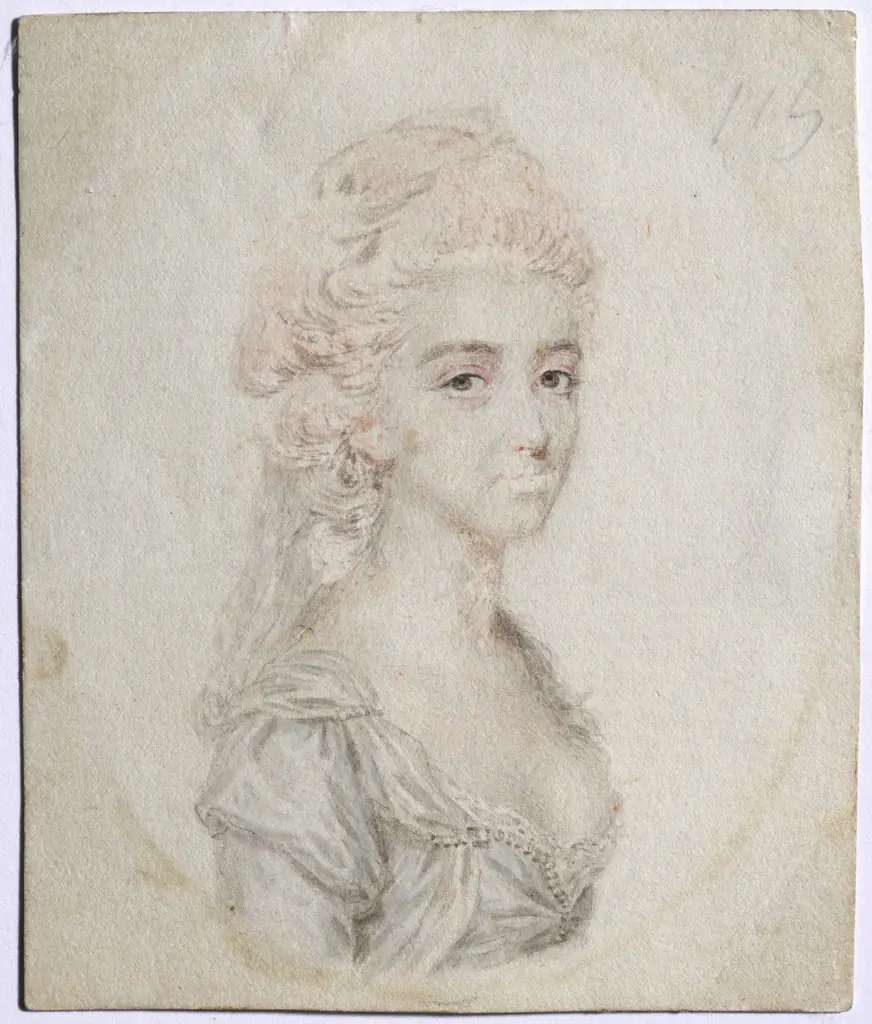 Portrait of a Woman