Artwork
A Chinese Princess at a Shrine
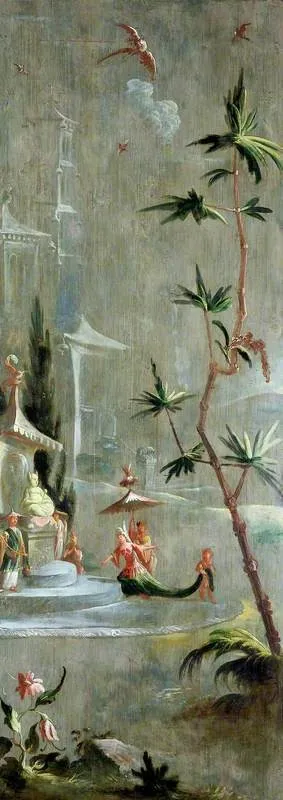
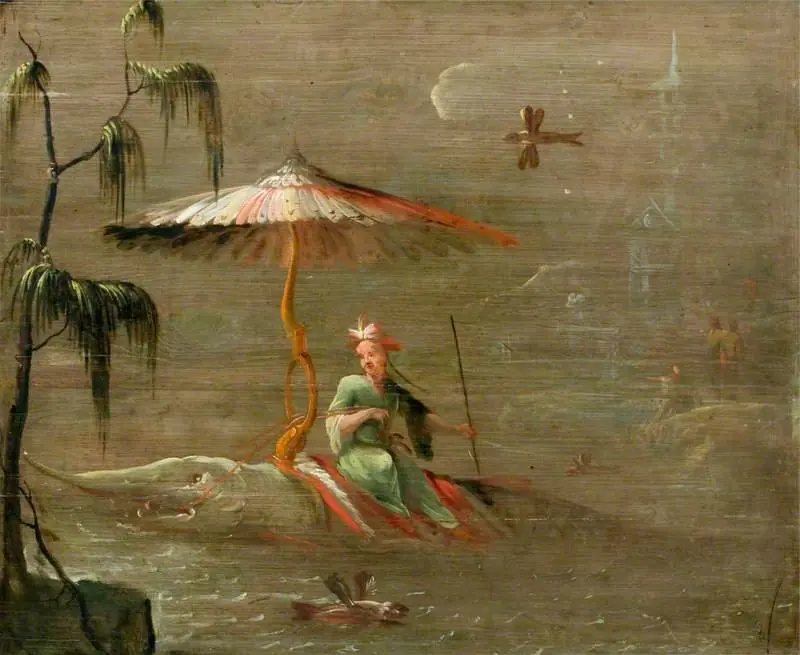
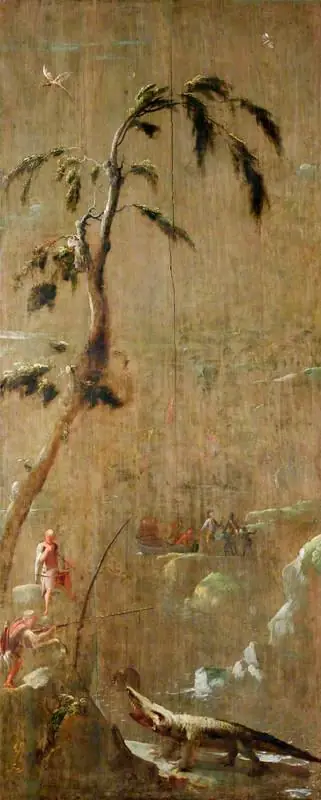
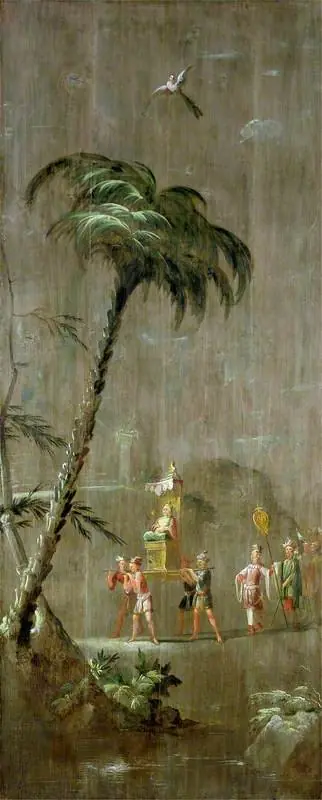
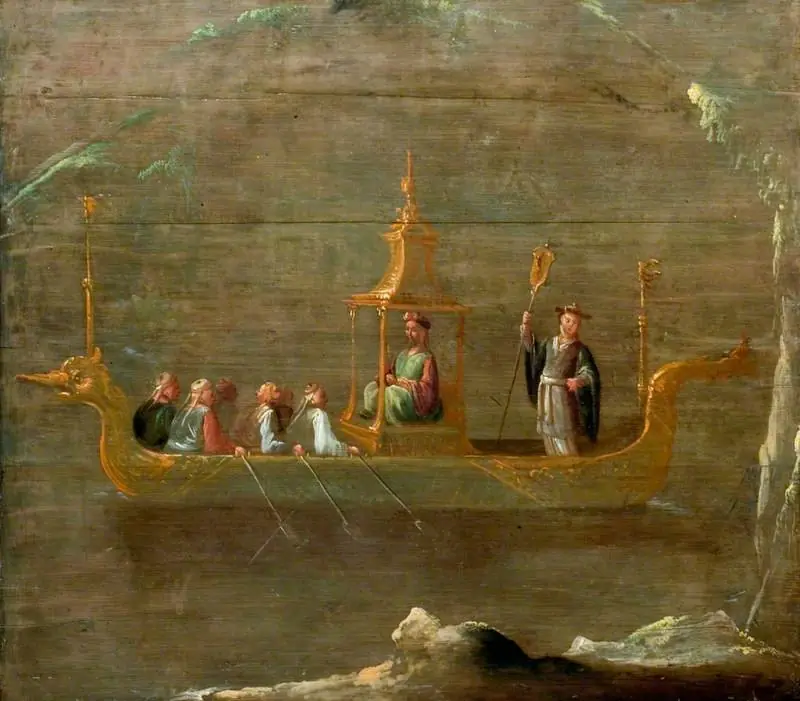
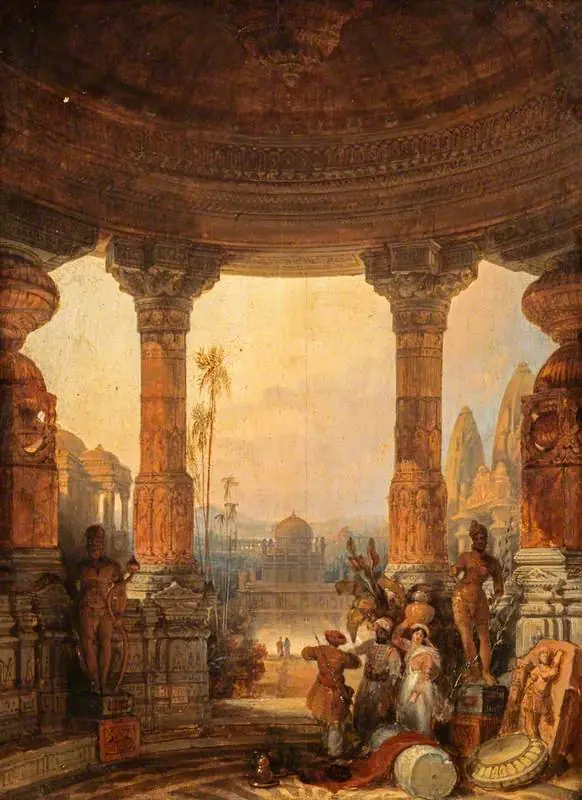
A Chinese Princess at a Shrine is an oil painting by the Patna School of Painting artist Robert Robinson. It dates from 1698 and is held in the collection of the Victoria and Albert Museum.
About this work
Overview
Robert Robinson’s oil on canvas, dated 1698, depicts a Chinese princess positioned before an elaborately carved shrine. The work is part of the collection at the Victoria and Albert Museum. Its composition centers on the figure and the architectural element, while the surrounding space is rendered in subdued tones that draw the eye toward the central scene.
Subject & Meaning
The painting presents a young noblewoman in traditional attire, her posture formal and hands joined in a gesture of reverence. Her calm expression and downward gaze suggest a moment of private devotion or ritual, inviting viewers to contemplate the quiet solemnity of the encounter between royalty and sacred space.
Technique & Style
Robinson employs a restrained palette, using muted background hues to create atmospheric depth and to isolate the figure and shrine. Fine brushwork renders the intricate carvings on the doorway, while the soft modeling of the princess’s robes and headdress conveys a sense of texture and volume without overt dramatization.
History & Provenance
Created at the close of the 17th century, the painting entered the Victoria and Albert Museum’s holdings, where it remains on display. Its provenance traces back to the artist’s oeuvre, reflecting the period’s European fascination with exotic subjects and the trade of Asian-inspired imagery.
Context
The work belongs to a broader trend of Orientalist representation in late‑Baroque England, where artists often imagined scenes from distant cultures based on limited sources. Robinson’s depiction, while not derived from direct observation, aligns with contemporary visual conventions that emphasized elegance and spiritual contemplation in foreign settings.
Artist & collection