Artwork
Cloud-girdled Peaks
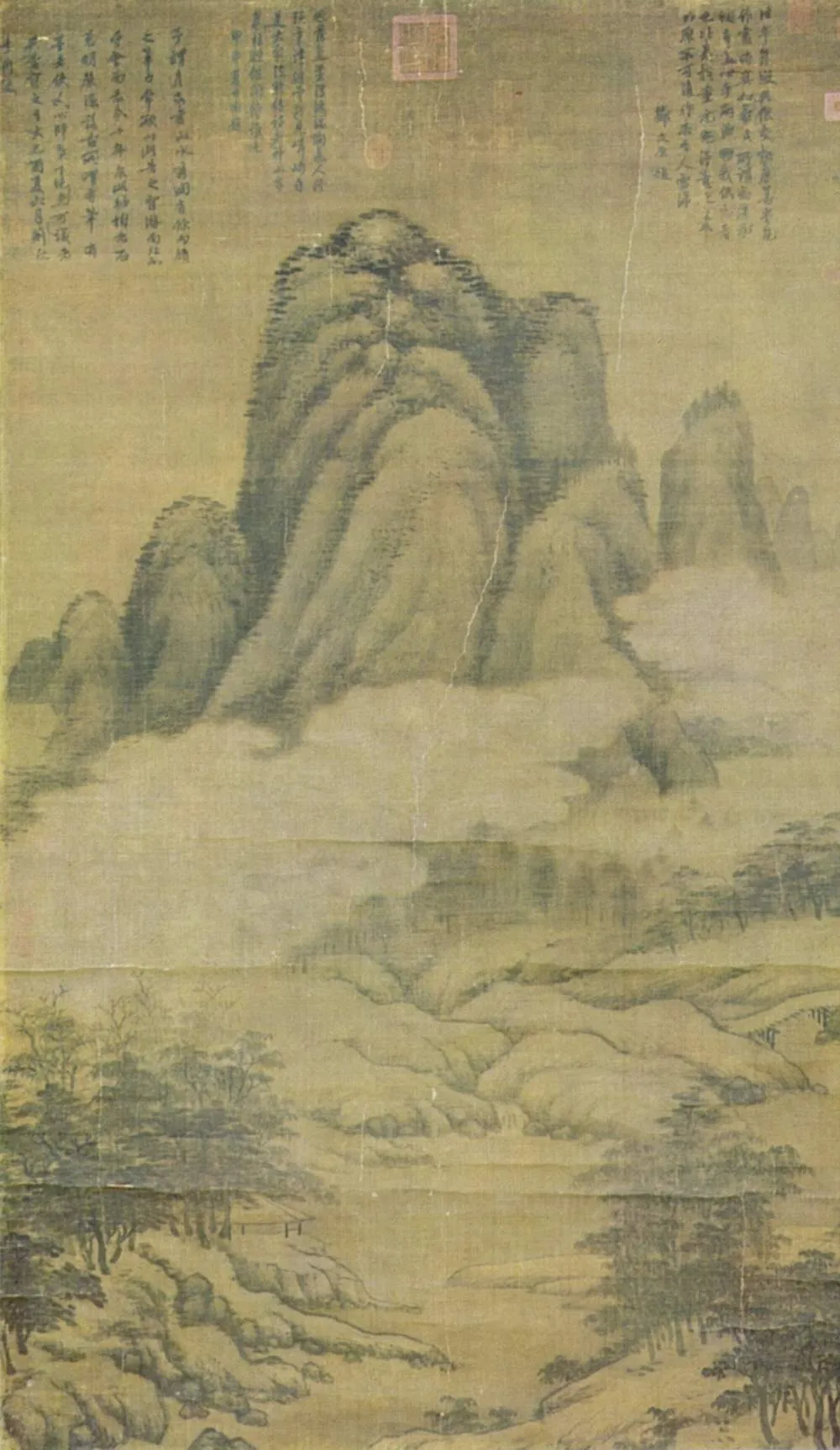
Cloud-girdled Peaks is an unspecified painting by Gao Kegong. It dates from 1289 and is held in the collection of the National Palace Museum.
About this work
Overview
Painted around 1289 by Gao Kegong, a scholar-official of the Yuan dynasty, this ink-on-paper landscape depicts towering peaks enveloped in mist.
Painted around 1289 by Gao Kegong, a scholar-official of the Yuan dynasty, this ink-on-paper landscape depicts towering peaks enveloped in mist. Gao, known for his restrained aesthetic, synthesized classical Song dynasty techniques with contemporary Yuan sensibilities. The work belongs to a tradition of literati painting that valued expressive brushwork over decorative detail, reflecting the cultural hybridity of Mongol-ruled China.
Subject & Meaning
The composition presents rugged mountain forms rising through drifting clouds, evoking a sense of quiet solitude. Rather than depicting a specific location, the scene embodies an idealized natural realm, aligned with Daoist ideals of harmony and impermanence. The clouds, rendered as soft, unmodeled forms, suggest the transient nature of perception and the ineffable presence of the unseen in the landscape.
Technique & Style
Gao employed dry, textured brushstrokes to define rock formations, echoing the ink-wash methods of Mi Fu and Mi Youren. Trees are suggested with minimal strokes, and the sky remains largely untouched, allowing paper tone to imply atmospheric space. The palette is limited to ink tones, emphasizing tonal gradation over color, a hallmark of literati painting that prioritized expressive brush control and spiritual resonance over realism.
History & Provenance
Created during Gao’s tenure as a civil servant under Mongol administration, the painting was likely made for private contemplation rather than public display. It entered the imperial collection during the Qing dynasty and remains in the National Palace Museum’s holdings, preserved as part of China’s scholarly painting heritage. Its survival reflects its enduring recognition among connoisseurs of ink landscape.
Context
In the Yuan dynasty, Han Chinese literati often withdrew from official life under Mongol rule, turning to painting as a means of cultural preservation. Gao’s work, alongside that of Zhao Mengfu, helped redefine landscape as a vehicle for personal expression. His synthesis of earlier styles—particularly from Dong Yuan and Ju Ran—demonstrates how artists navigated continuity and innovation amid political upheaval.
Legacy
Gao Kegong’s approach influenced later Ming and Qing literati painters who valued emotional restraint and brush autonomy. His emphasis on atmospheric suggestion over topographical accuracy became a touchstone for ink landscape traditions. Though less widely known than some contemporaries, his work remains a key reference in the evolution of Chinese scholarly painting.
Artist & collection
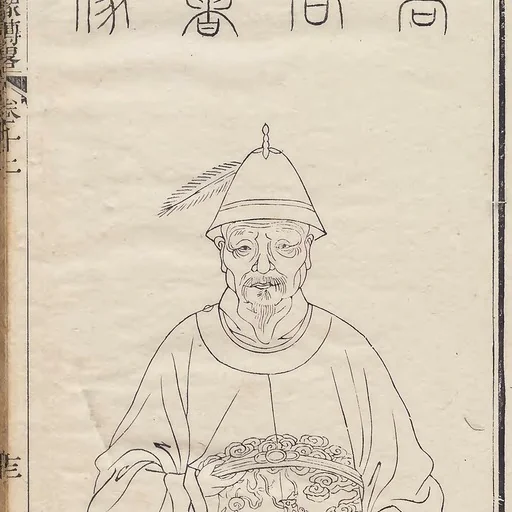
Artist
Gao Kegong (simplified Chinese: 高克恭; traditional Chinese: 髙克恭; pinyin: Gaō Kègōng; Wade–Giles: Kao K'o-kung; 1248–1310) was a Chinese painter, and sometimes poet, born during the Yuan dynasty; he was known for his landscapes.

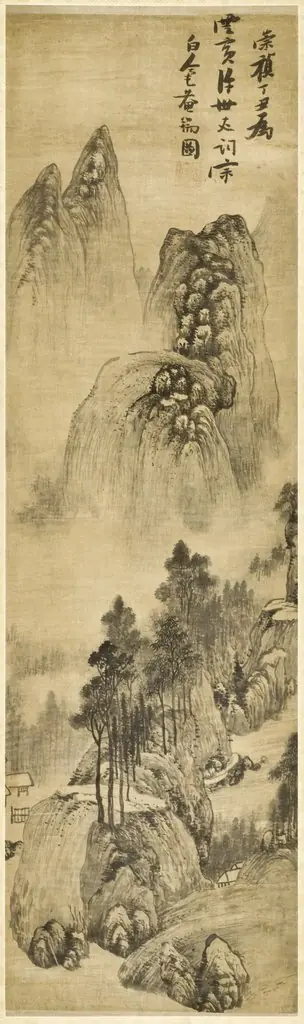 Landscape
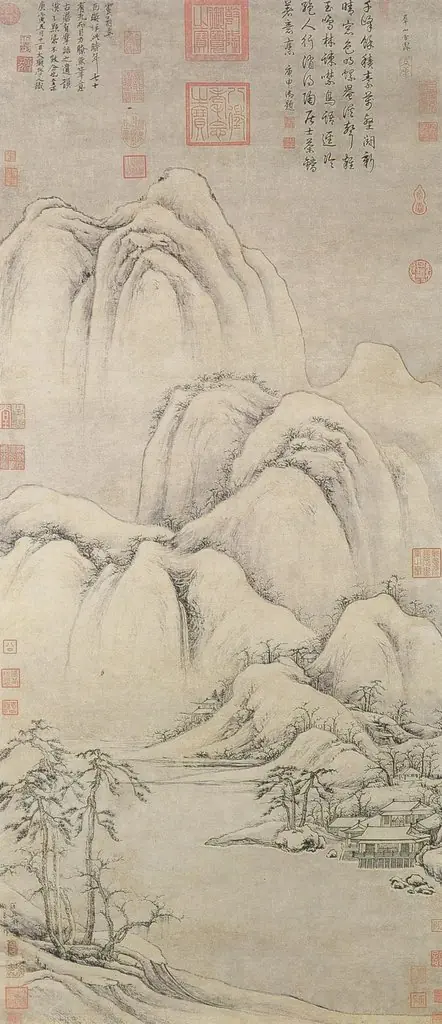 Group of Peaks Clearing After Snow
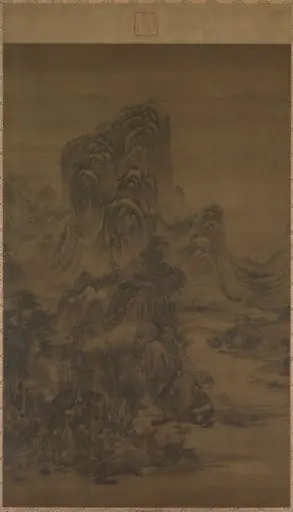 Landscape in the Style of Juran
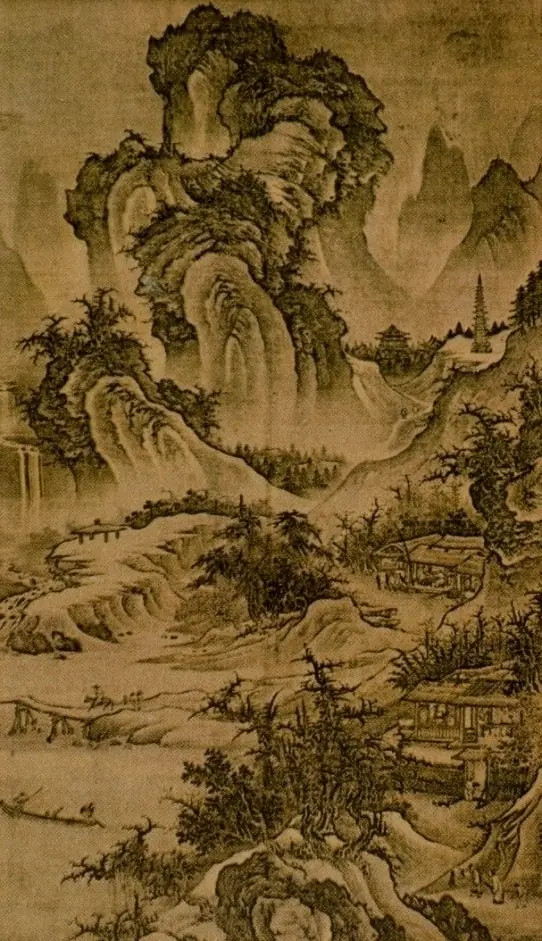 Mountain Hermitage
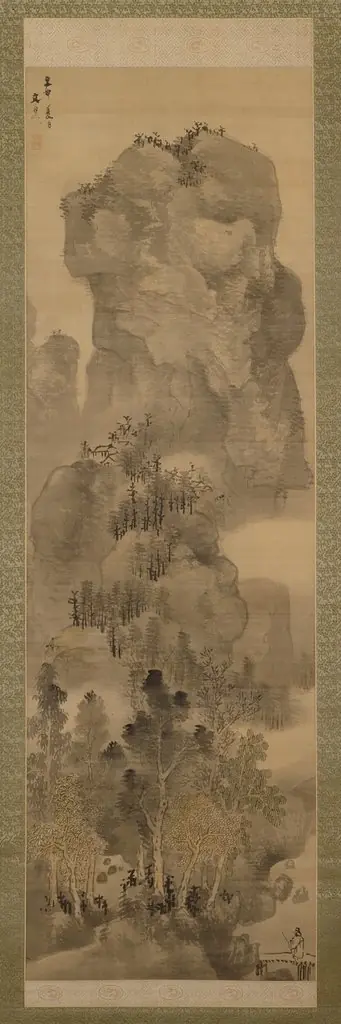 Summer Landscape
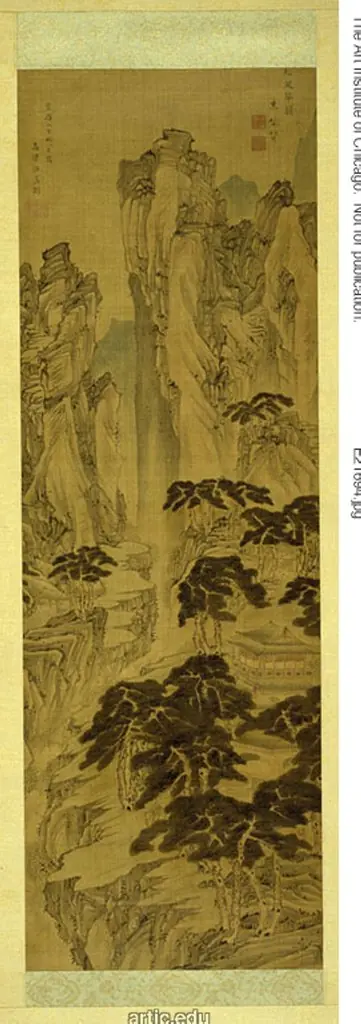 Pine-Scented Wind, the Harmony of a Lute
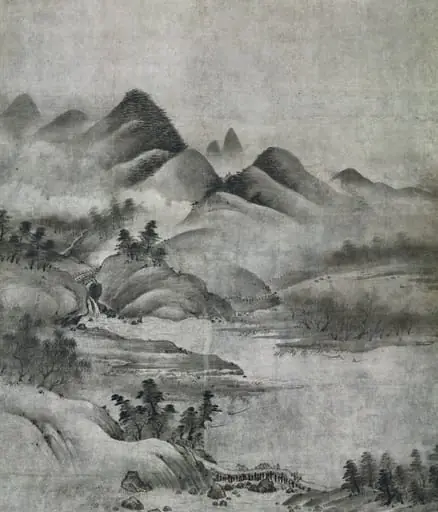 Landscape
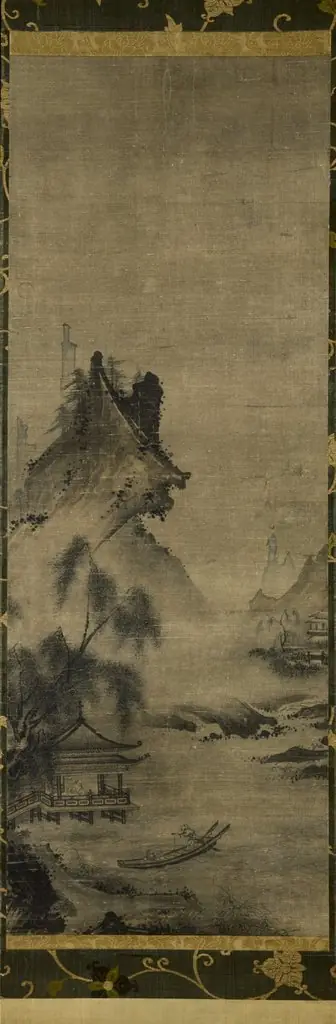 Lakeside Retreat
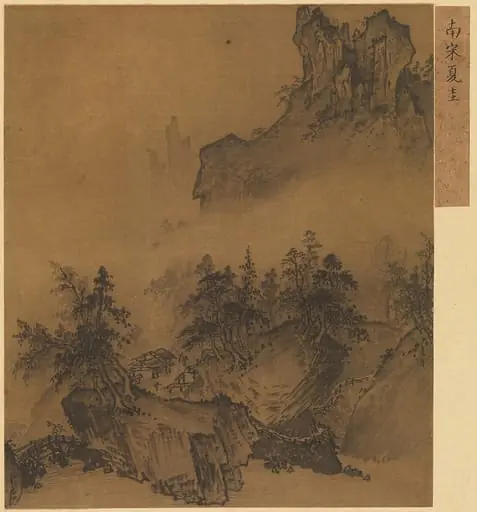 南宋 夏珪 山市晴嵐圖 冊頁|Mountain Market, Clearing Mist
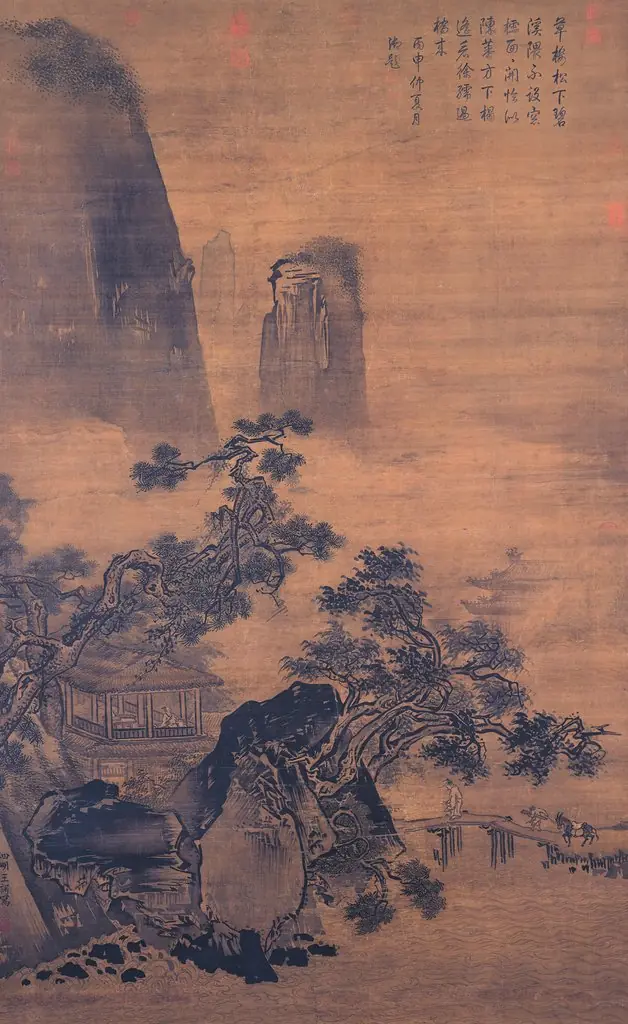 Crossing a Bridge to Visit a Friend
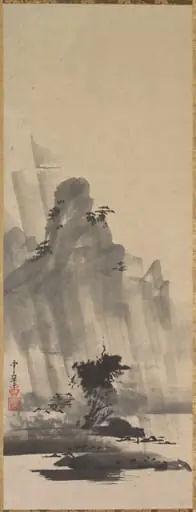 Mountain and River in Storm
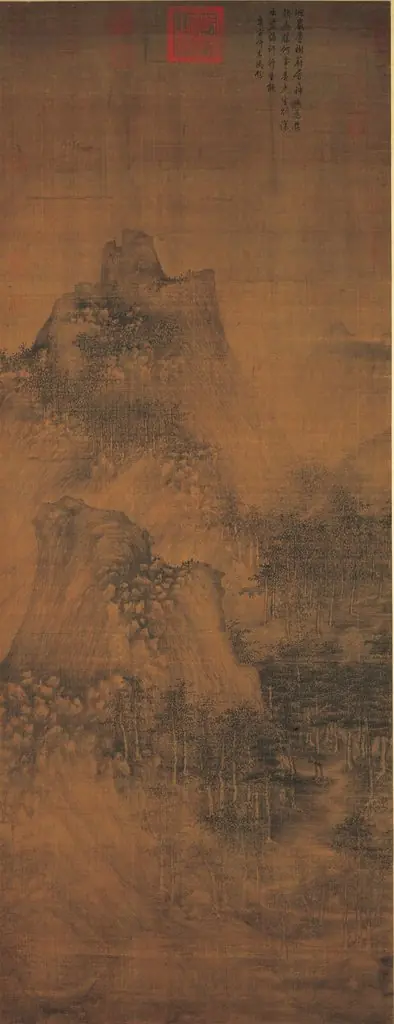 Layered Peaks and Dense Forests