Artwork
Miserere mei Deus
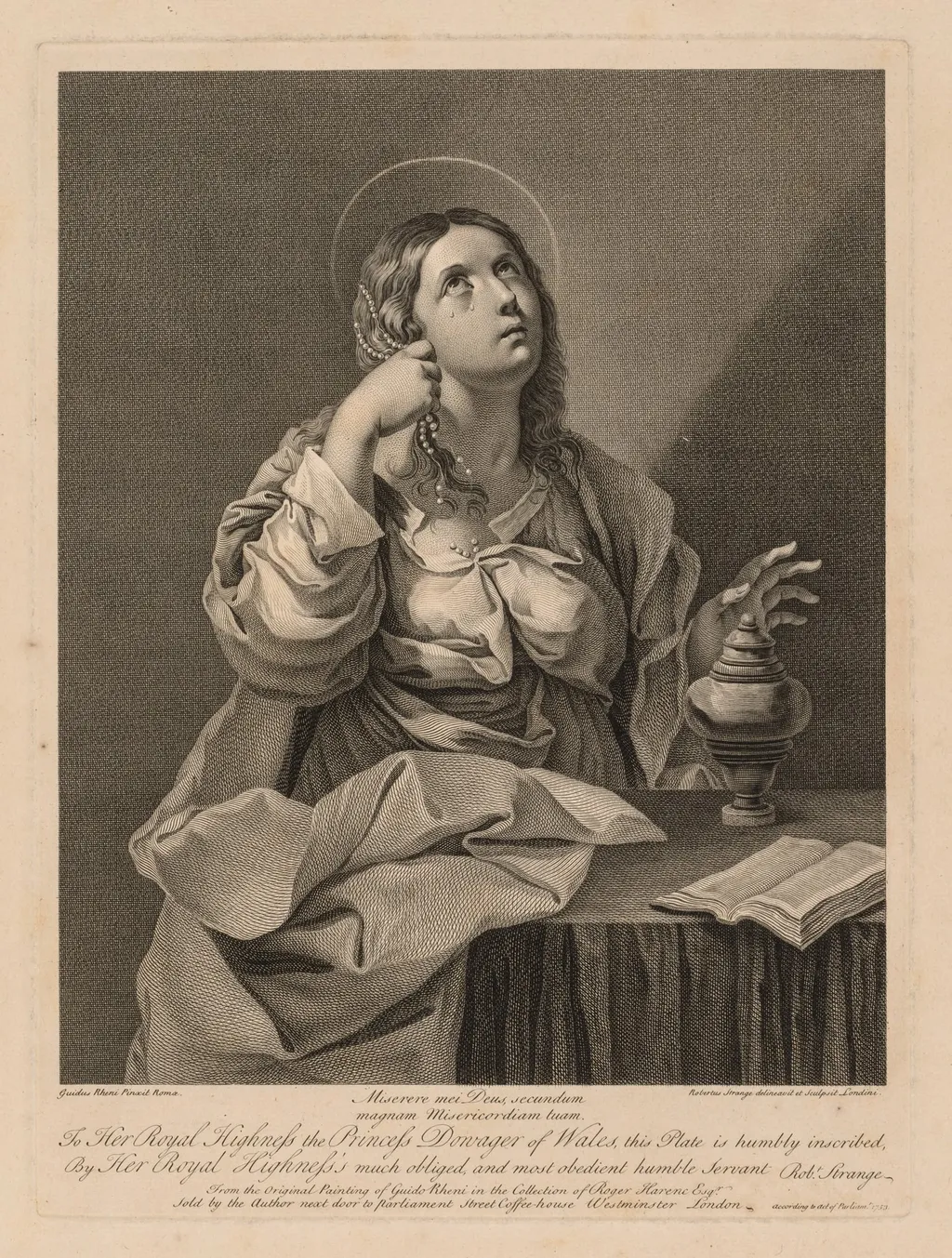
Miserere mei Deus is a print by the Romanticist artist Robert Strange. It dates from 1753 and is held in the collection of the Cleveland Museum of Art.
About this work
Overview
Having transitioned from Jacobite sympathies to royal patronage under George III, Strange focused on reproductive prints that demanded technical precision.
Robert Strange, a Scottish engraver active in mid-18th century London, produced *Miserere mei Deus* in 1753 during a phase of professional consolidation. Having transitioned from Jacobite sympathies to royal patronage under George III, Strange focused on reproductive prints that demanded technical precision. This work stands apart in his oeuvre for its emotional restraint and subdued lighting, diverging from the ornate or celebratory themes common among contemporaries.
Subject & Meaning
The scene portrays a solitary figure in prayer, kneeling before an unseen altar, his hands clasped in supplication. A child holds a candle, casting a narrow beam that illuminates only the man’s face and upper chest. The title, Latin for 'Have mercy on me, O God,' references Psalm 51, evoking penitence and humility. The absence of religious iconography and the intimate darkness emphasize personal contrition over public ritual.
Technique & Style
Strange employed fine, controlled line engraving to model form through subtle gradations of tone. The contrast between the candle’s glow and the surrounding void is achieved not through chiaroscuro painting but through meticulous hatching and cross-hatching. The composition’s economy—minimal figures, no background detail—focuses attention on the interplay of light and shadow, reflecting his mastery of reproductive techniques adapted for emotional nuance.
History & Provenance
Created during Strange’s London years, the print was likely made for a private or ecclesiastical audience rather than mass distribution. It entered institutional collections in the 19th century, with a known impression held by the Cleveland Museum of Art. Its survival in relatively few copies suggests limited initial circulation, possibly due to its somber subject matter, which lacked the popular appeal of more decorative prints of the era.
Context
In an age when religious art often emphasized divine glory or biblical drama, Strange’s choice of a quiet, interior moment was unconventional. While continental artists explored similar themes of penitence, British print culture favored clarity and moral instruction over psychological depth. This work quietly resisted prevailing trends, aligning more with devotional literature than with visual spectacle.
Legacy
Though not widely reproduced or celebrated in his lifetime, *Miserere mei Deus* is now recognized as an outlier in Strange’s career and in 18th-century British printmaking. Its introspective tone and technical discipline have drawn scholarly attention for its departure from normative religious imagery. The print endures as a quiet testament to the potential of engraving to convey inner states through restraint rather than grandeur.
Artist & collection
Artist
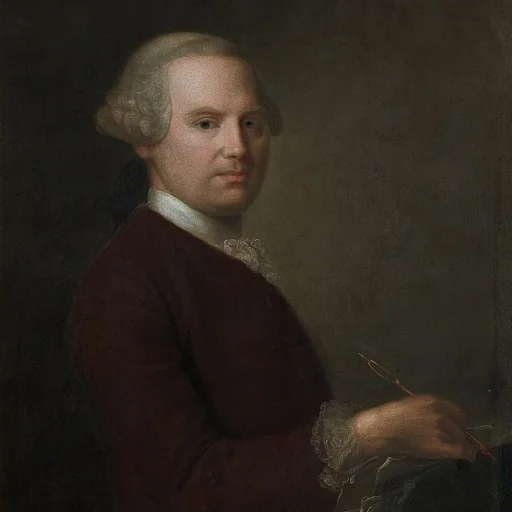
Sir Robert Strange (14 July 1721 – 5 July 1792) was a Scottish engraver. A Jacobite, he spent periods out of Great Britain, but was eventually reconciled to the Hanoverian succession and was knighted by George III.

 The Virgin
 The Annunciation
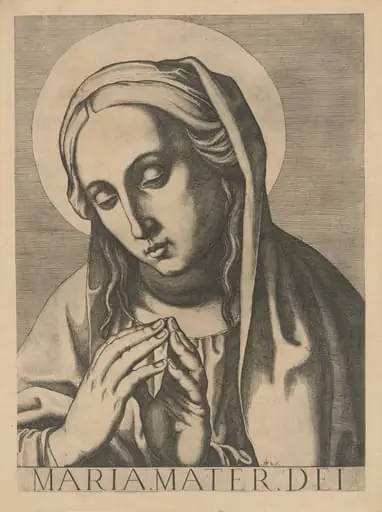 Bust of the Virgin
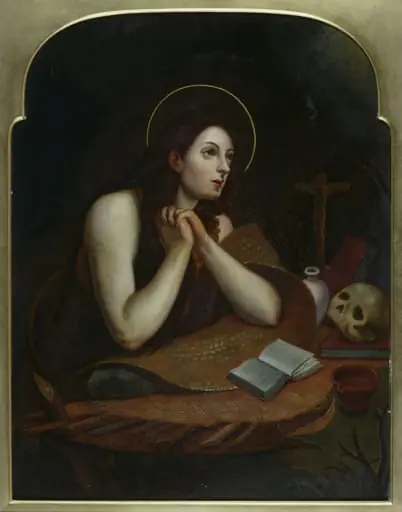 The Penitent Saint Mary Magdalen
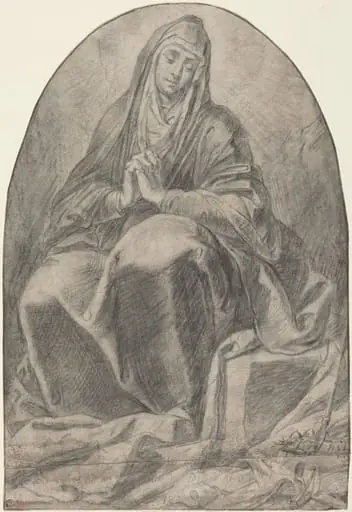 The Grieving Virgin Contemplating Instruments of the Passion
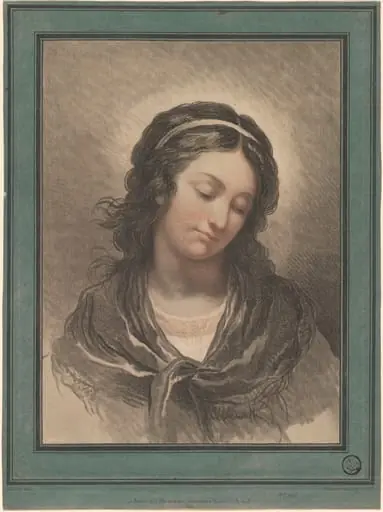 Head of a Woman Looking Down
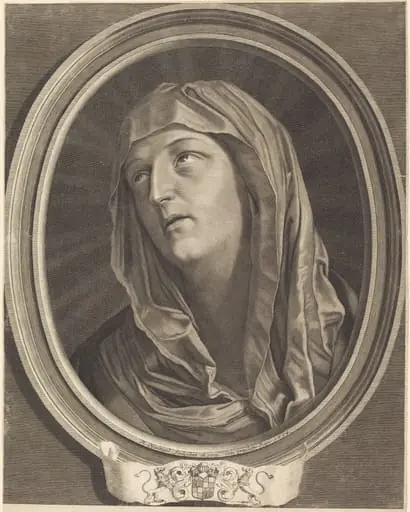 Mater Dolorosa
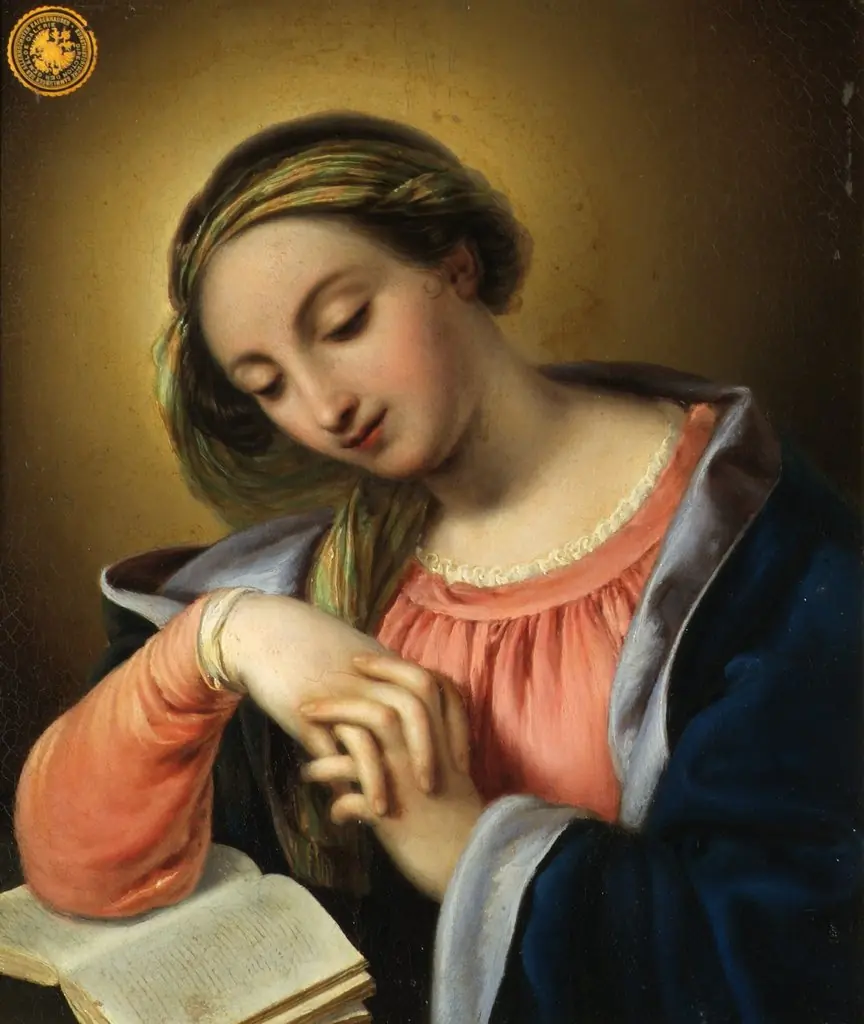 Holy Virgin
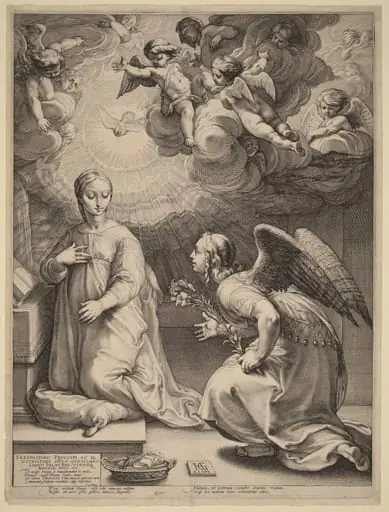 The Annunciation
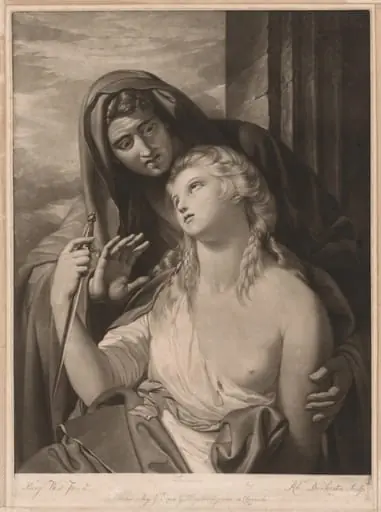 Death of Lucretia
 The Virgin
 Salvatoris Beatae Mariae Virginis Sanctorum Apostolorum Icones/Les Grands Apôtres (The Large Apostles): La Sainte Vierge (The Holy Virgin)