Artwork
Portrait of Andrew Caldwell (1733-1808)
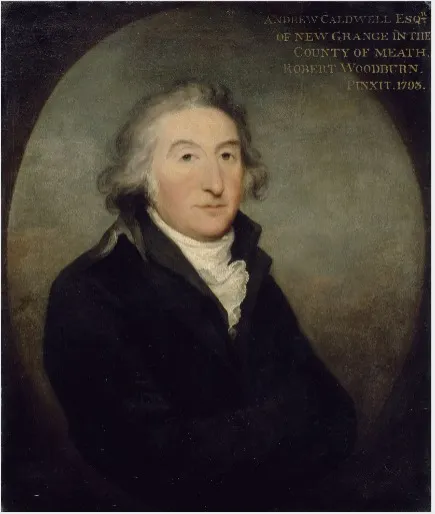
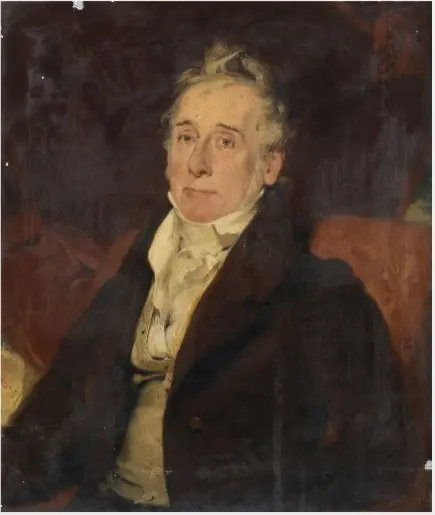
Portrait of Andrew Caldwell (1733-1808) is an oil painting by the Neoclassicist artist Robert Woodburn. It dates from 1797 and is held in the collection of the National Gallery of Ireland.
About this work
Overview
Robert Woodburn’s 1797 oil portrait presents Andrew Caldwell, a gentleman of the late eighteenth century, rendered against a stark, dark backdrop. The composition isolates the sitter, emphasizing his attire and bearing, while the plain background enhances the visual focus on his features and clothing.
Subject & Meaning
Caldwell is shown in a black coat complemented by a white cravat, his hair neatly brushed and showing signs of greying, suggesting maturity. The pale complexion and subtle stubble convey a dignified, yet approachable presence, likely intended to reflect his social standing and personal identity.
Technique & Style
Woodburn employs a restrained palette, using deep shadows to model the figure’s form and to create contrast with the illuminated face. The brushwork is smooth and controlled, particularly in the rendering of fabric and hair, while the background remains flat, a common approach in portraiture of the period to foreground the sitter.
History & Provenance
The portrait bears the sitter’s name and his residence inscribed directly on the canvas, indicating its function as a personal commemorative piece. Acquired by the National Gallery of Ireland, the work now forms part of the institution’s collection of late eighteenth‑century Irish portraiture.
Context
Created during a time when portraiture served both as a record of individual achievement and as a visual assertion of status, the painting reflects contemporary conventions of representing the gentry. Its sober composition aligns with the Enlightenment’s emphasis on rationality and personal virtue, traits valued by the emerging professional class.
Artist & collection
Artist
Robert Woodburn painted Irish portraits in the 1700s. His 1793 oil *Portrait of Andrew Caldwell* shows a Waterford judge in dark coat and powdered wig. A quiet realist, he caught details like Caldwell’s quill and papers…

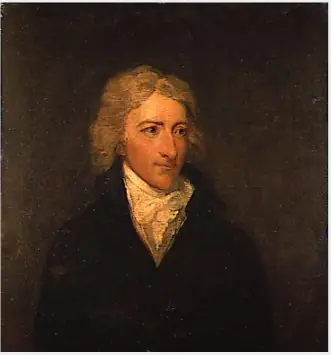 Portrait of Henry Grattan (1746-1820), Statesman
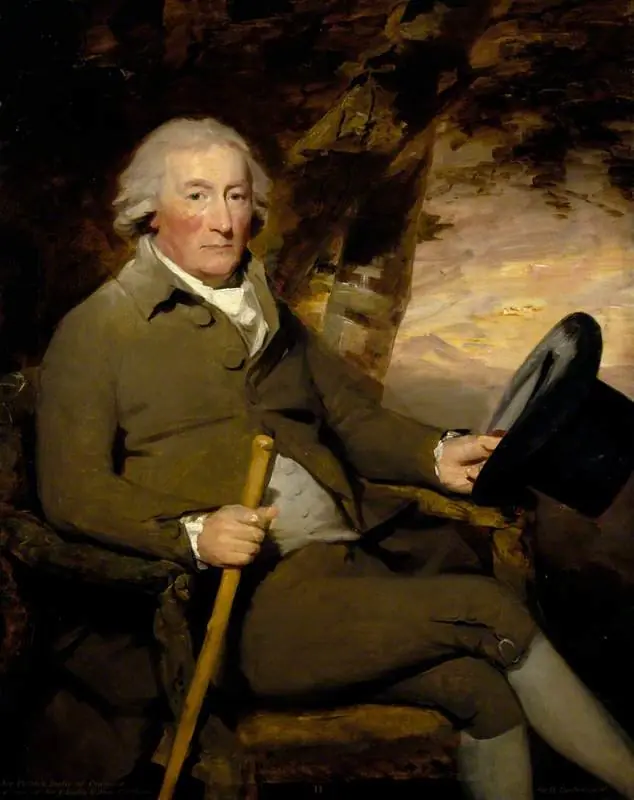 Sir Patrick Inglis, 5th Bart of Cramond (died 1817)
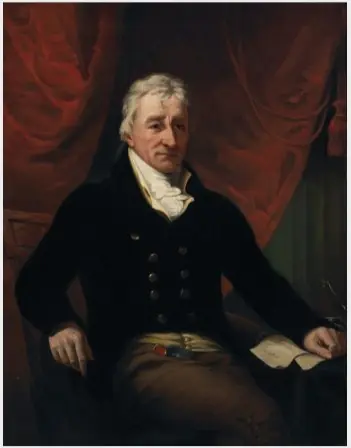 Portrait of Henry Grattan 1746-1820, Statesman and Orator
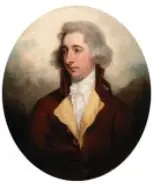 Portrait of Sir John Sinclair
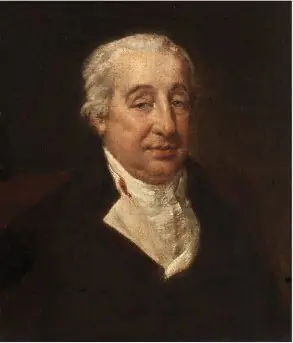 Portrait of the Rt Hon. David La Touche of Marlay (1729-1817)
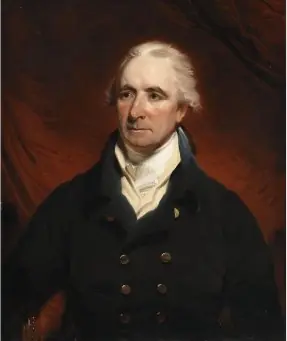 Portrait of Henry Grattan (1746-1820)
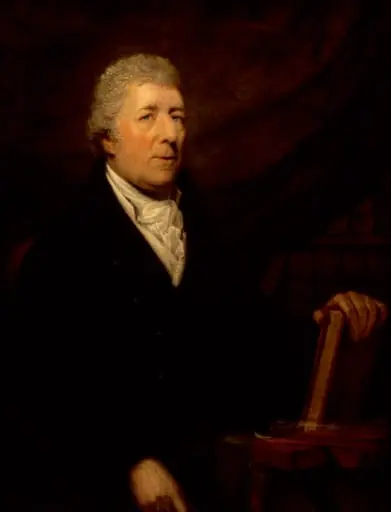 Francis Annesley
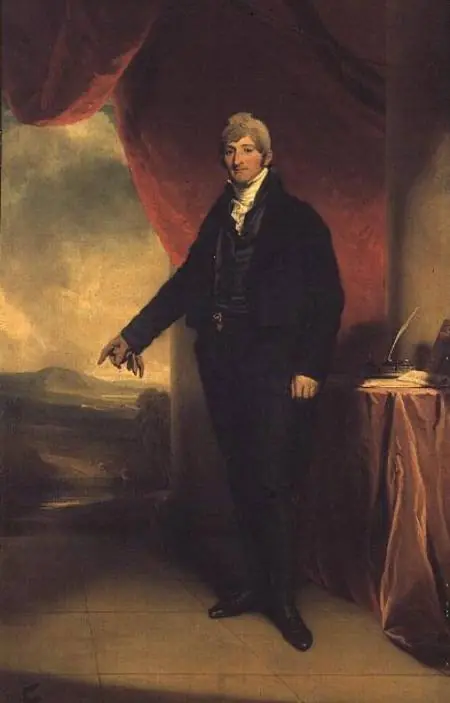 Anthony Gilbert Storer
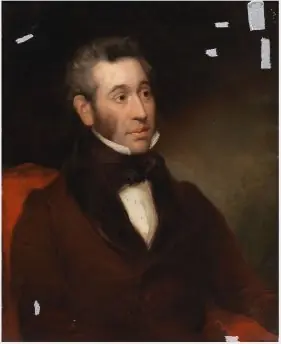 Portrait of John Banim (1798-1842), Novelist and Poet
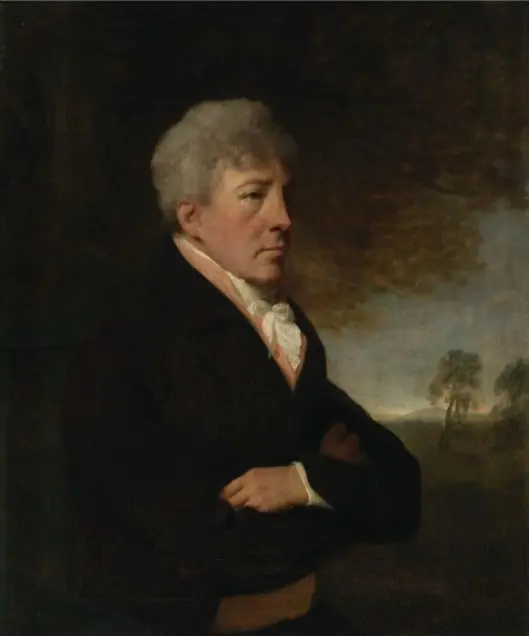 Portrait of Sir John Edward Browne
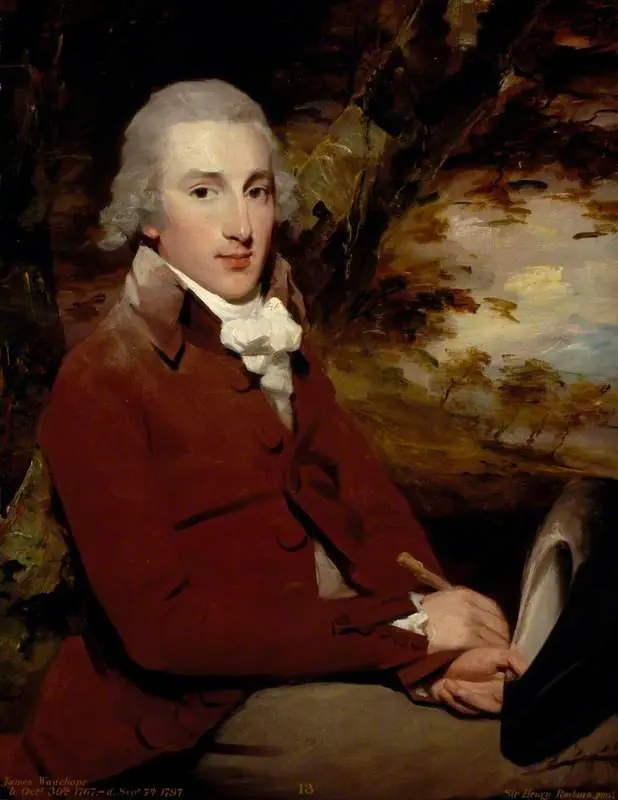 James Wauchope of Edmonstone (1767 - 1797)
 Portrait of George Moore (1773-1840)