Artwork
Portrait of Sir John Edward Browne
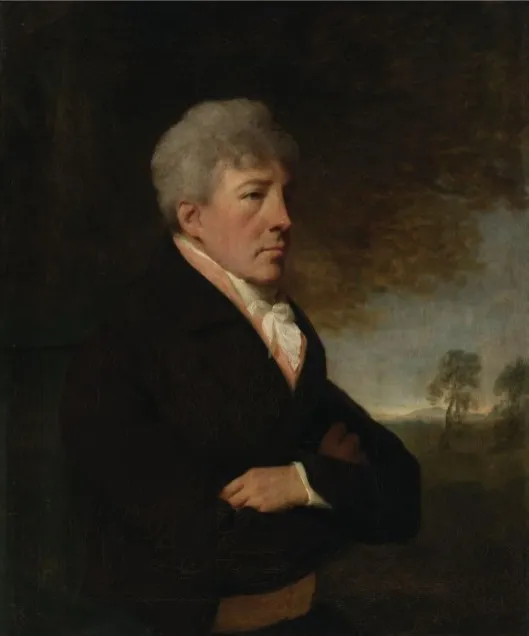
Portrait of Sir John Edward Browne is an oil painting by Unknown. It dates from 1805 and is held in the collection of the National Gallery of Ireland.
About this work
Overview
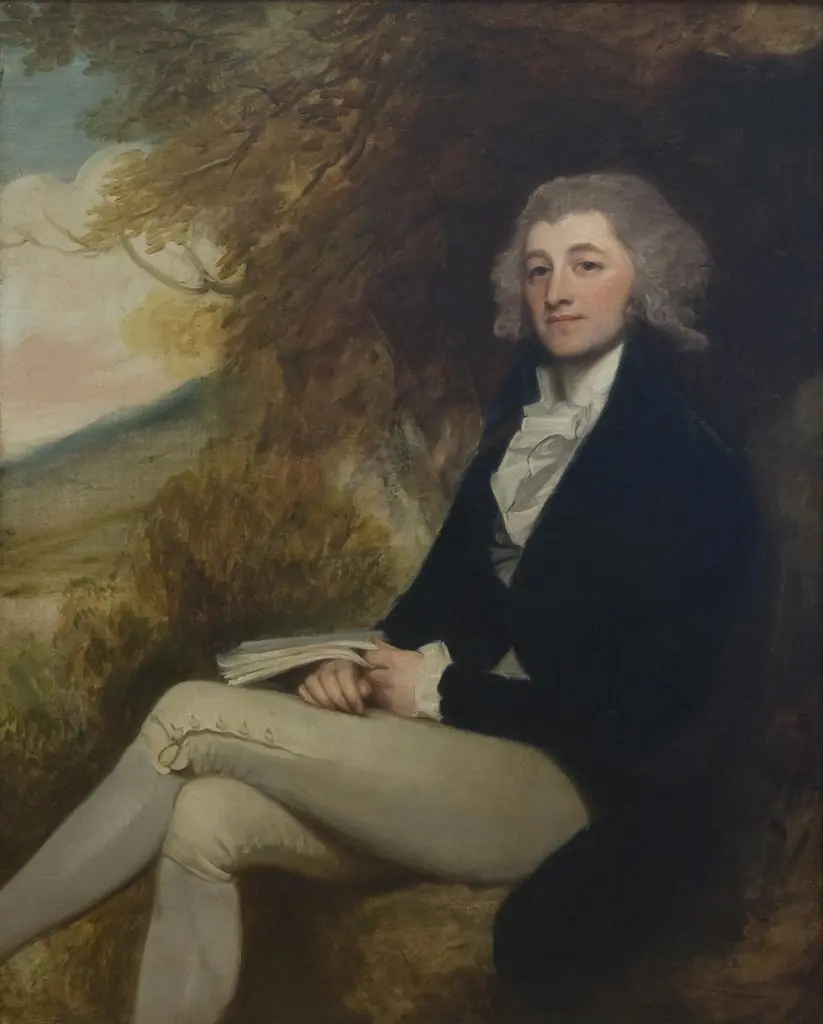
This oil painting presents a formal portrait of Sir John Edward Browne, rendered with restrained elegance. The figure is seated, arms crossed, against a muted natural backdrop of trees and overcast sky. The composition emphasizes stillness and introspection, with the subject’s gaze directed slightly away from the viewer, suggesting quiet reflection rather than direct engagement.
Subject & Meaning
Sir John Edward Browne is depicted not as a figure of public spectacle but as a man of private composure. His neat white hair and crisp cravat signal social standing, while his crossed arms and subdued expression convey reserve. The painting avoids theatricality, instead offering a dignified portrayal of an individual defined by demeanor rather than gesture or symbol.
Technique & Style
The artist employs chiaroscuro to model the face and coat with subtle gradations of light and shadow, enhancing the three-dimensionality of the figure. The background remains softly blurred, directing focus to the subject’s features. Brushwork is controlled and precise, particularly in the rendering of the cravat and hair, where fine details reinforce the sitter’s poise without overt flourish.
History & Provenance
The portrait was likely commissioned during the late 18th or early 19th century, a period when such formal likenesses were common among the British gentry. Its early ownership remains undocumented, but it has remained in private collections since its creation, preserving its original condition and minimizing later alterations or restorations.
Context
In an era when portraiture often served to assert status or lineage, this work stands apart for its understated tone. Unlike grand ceremonial portraits, it reflects a growing preference among the elite for intimate, psychologically nuanced depictions. The landscape background, though generic, aligns with contemporary tastes for naturalistic settings over ornate interiors.
Legacy
The portrait endures as an example of quiet British portraiture, valued for its emotional restraint and technical discipline. It contributes to the broader understanding of how aristocratic identity was expressed through subtlety rather than spectacle in the transition from the 18th to the 19th century, influencing later artists who favored psychological depth over ornamentation.
Artist & collection

 Domestic Scene
 Giacomo and Cardinal Marco, investing Andrea, Abbot of San Zeno, with his Benefice
 The Nymph of Fontainebleau
 Portrait of a Woman
 Madonna and Child with Saints in the Enclosed Garden
 Venus and Minerva
 Family Group of Four on Sofa
 Wall painting from Room H of the Villa of P. Fannius Synistor at Boscoreale
 Francis Annesley
 George Kinnear (1751 - 1823)
 Portrait of a Man
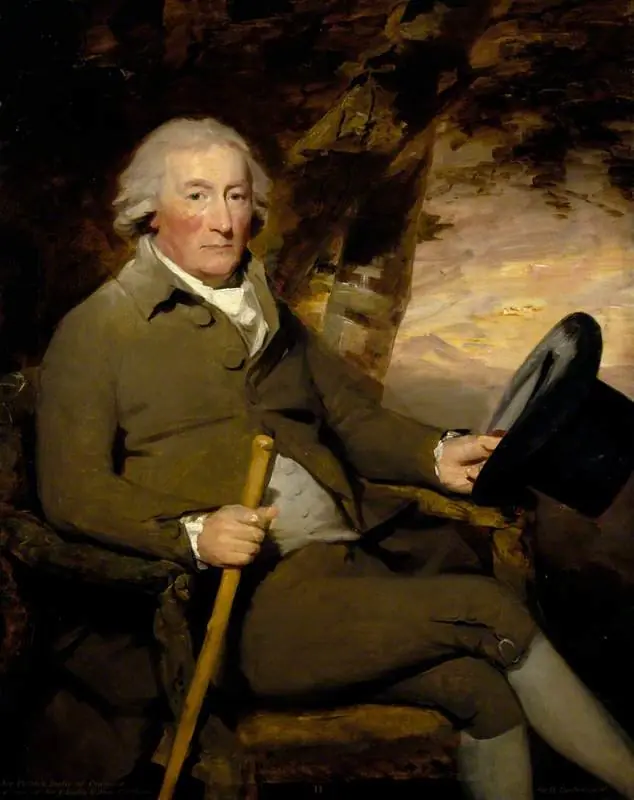 Sir Patrick Inglis, 5th Bart of Cramond (died 1817)
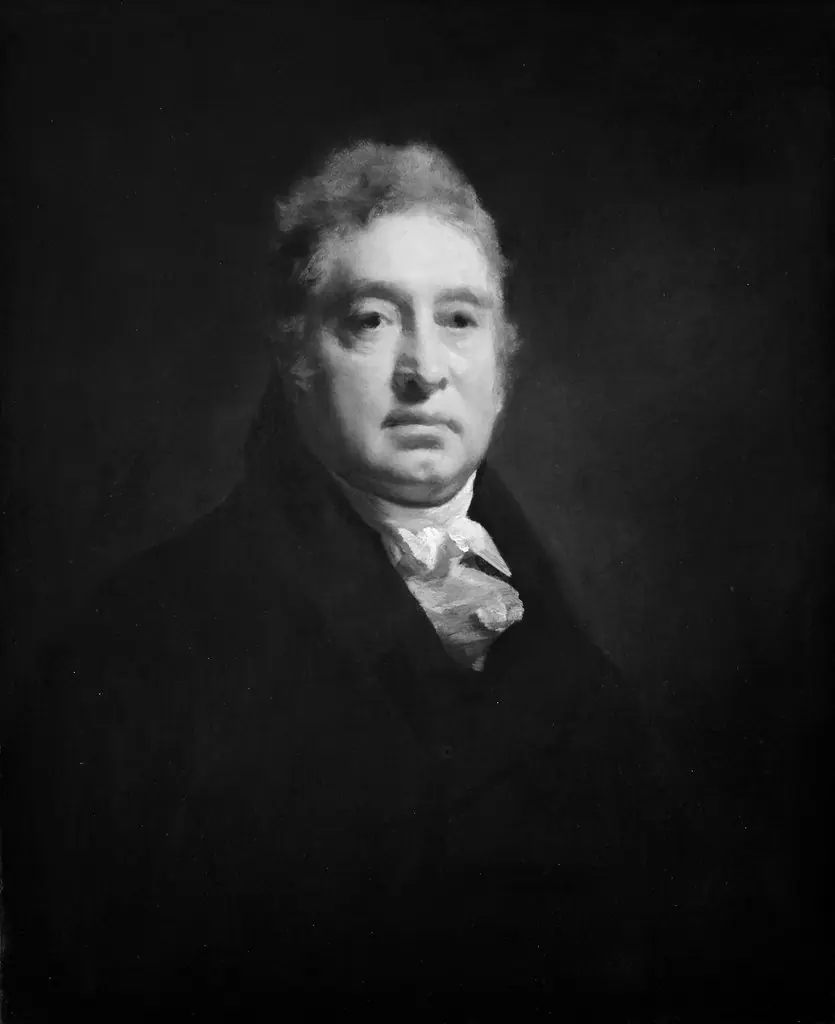 Portrait of a Man with Gray Hair
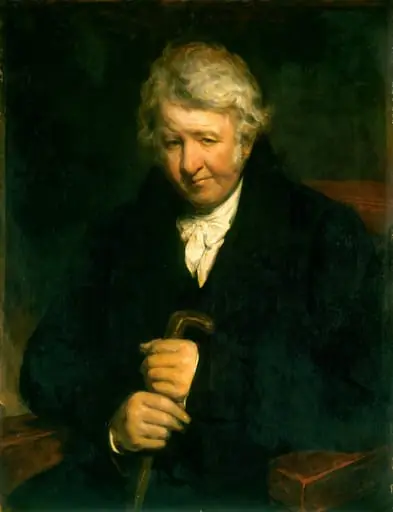 Mr. Tucker of Yeovil
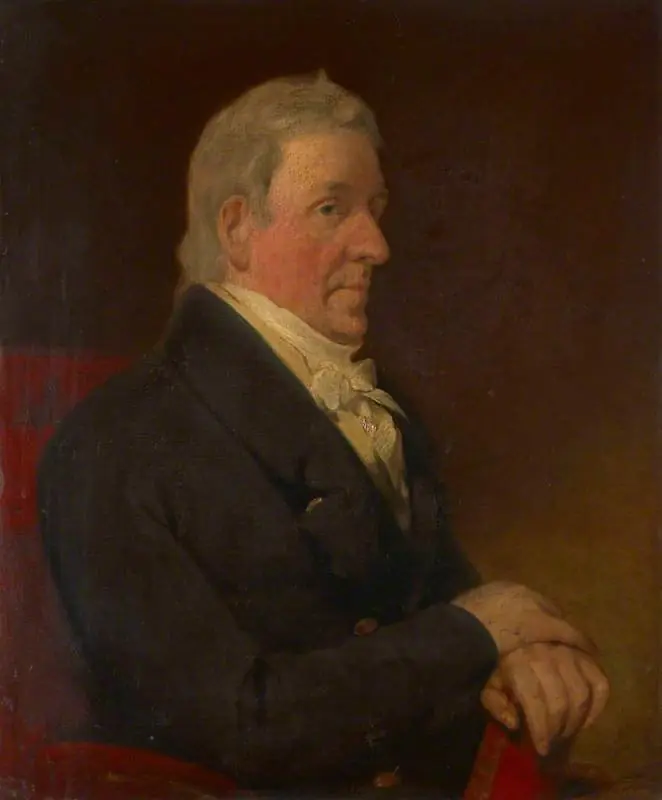 Peter Spalding (c. 1758 - 1826)
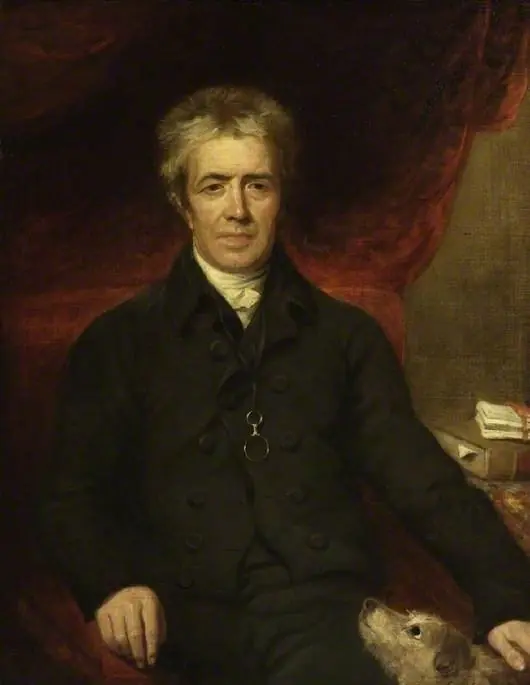 George Dyer, with his dog, Daphne
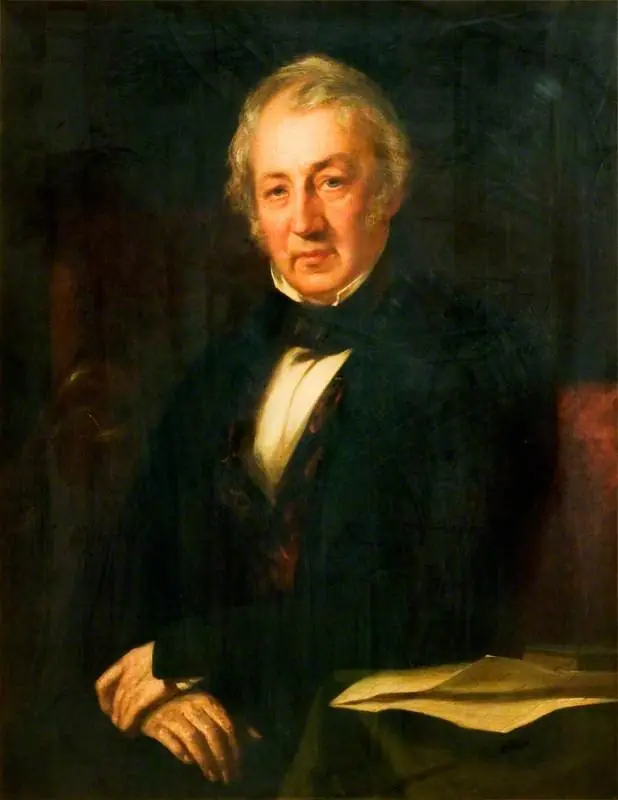 Andrew Ure (1778–1857), MD, FRS
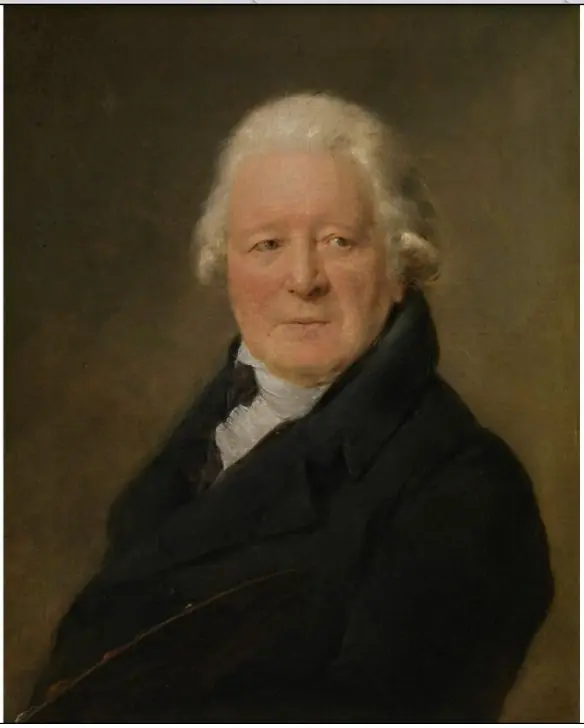 Portrait of the painter Willem Jacob Herreyns
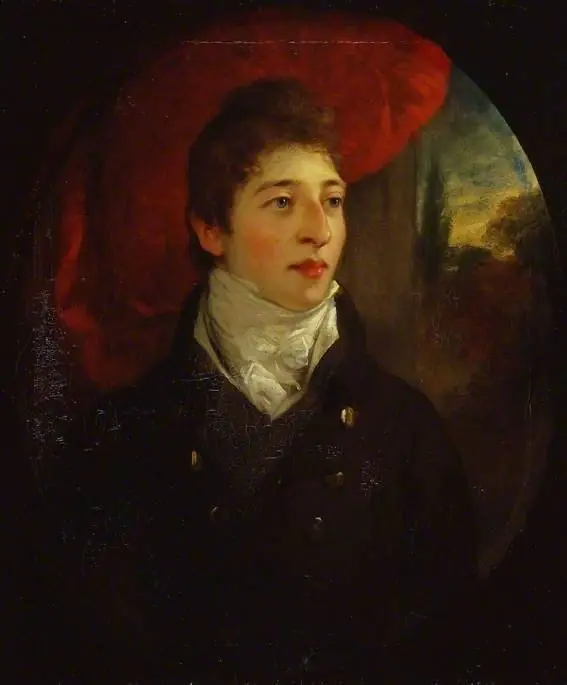 Hugh Percy, 3rd Duke of Northumberland
 Portrait of Sir John Reade