Artwork
The Virgin with the Blessing Child and St. John the Baptist and Marcus the Evangelist
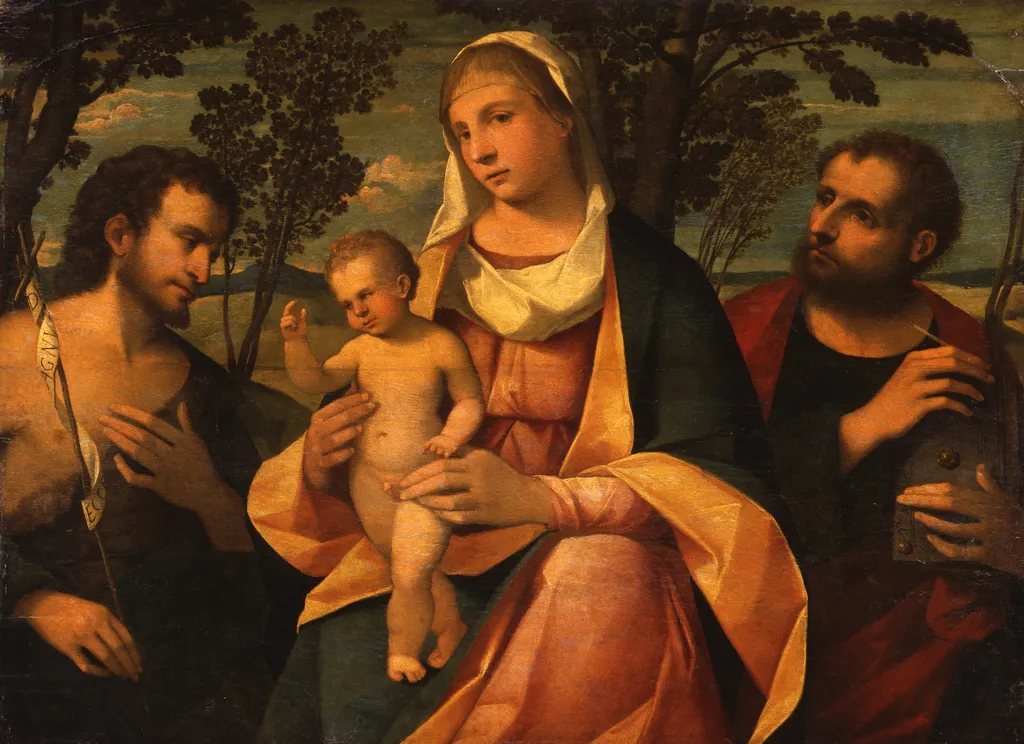
The Virgin with the Blessing Child and St. John the Baptist and Marcus the Evangelist is a paint painting by the Mannerist artist Rocco Marconi. It dates from 1517 and is held in the collection of the Gemäldegalerie Berlin.
About this work
Overview
Trained in the workshop of Giovanni Bellini, his style reflects the transitional phase between High Renaissance ideals and emerging Mannerist tendencies.
Rocco Marconi, an Italian painter active in Venice and Treviso during the early 16th century, completed this devotional panel in 1517. Trained in the workshop of Giovanni Bellini, his style reflects the transitional phase between High Renaissance ideals and emerging Mannerist tendencies. The work combines sacred figures in a quiet, intimate composition, typical of Venetian religious art of the period, and is now part of the Gemäldegalerie Berlin’s collection.
Subject & Meaning
The painting presents the Virgin Mary with the Christ Child, flanked by St. John the Baptist and St. Mark the Evangelist. John, identified by his animal-skin garment and staff, represents the precursor to Christ’s ministry. Mark, holding a book, symbolizes the author of the Gospel and the patron saint of Venice. Their presence together underscores theological continuity between prophecy, baptism, and scripture, reinforcing the divine authority of Christ’s mission.
Technique & Style
Marconi employed tempera and oil on panel, blending Bellini’s soft modeling with a restrained palette. The figures are arranged in a stable, pyramidal group, with gentle gestures and calm expressions. Drapery is rendered with subtle folds, and the background suggests depth through hazy trees and a pale sky. The naturalism of the faces and the quiet luminosity of the light reflect Venetian traditions, while the elongated proportions hint at stylistic shifts toward Mannerism.
History & Provenance
Created in 1517, the painting remained in private or ecclesiastical collections in northern Italy before entering the Gemäldegalerie Berlin’s holdings. Its documented attribution to Marconi is supported by stylistic comparisons with his other known works and archival records from the Venetian region. The painting’s survival in relatively intact condition allows for direct study of his technique and compositional choices.
Context
In early 16th-century Venice, religious imagery often served both devotional and civic functions. The inclusion of St. Mark, Venice’s patron saint, suggests the painting may have been commissioned for a Venetian church or confraternity. Marconi’s work emerged amid a flourishing artistic environment dominated by Bellini, Giorgione, and early Titian, yet his style retained a quieter, more conservative tone compared to his peers.
Legacy
Though less widely known than contemporaries, Marconi’s work exemplifies the regional diversity within Venetian Renaissance painting. This panel illustrates how smaller-scale devotional images maintained traditional iconography while subtly absorbing evolving aesthetic trends. It remains a valuable reference for understanding the transition from High Renaissance harmony to the more expressive forms of Mannerism in northern Italy.
Own this work as a print
Artist & collection
Artist
Rocco Marconi (born before 1490 – 13 May 1529) was an Italian painter of the Renaissance period, active mainly in Venice and Treviso.

 Virgin and Child with Saint Barbara, Saint John the Baptist and a female donor
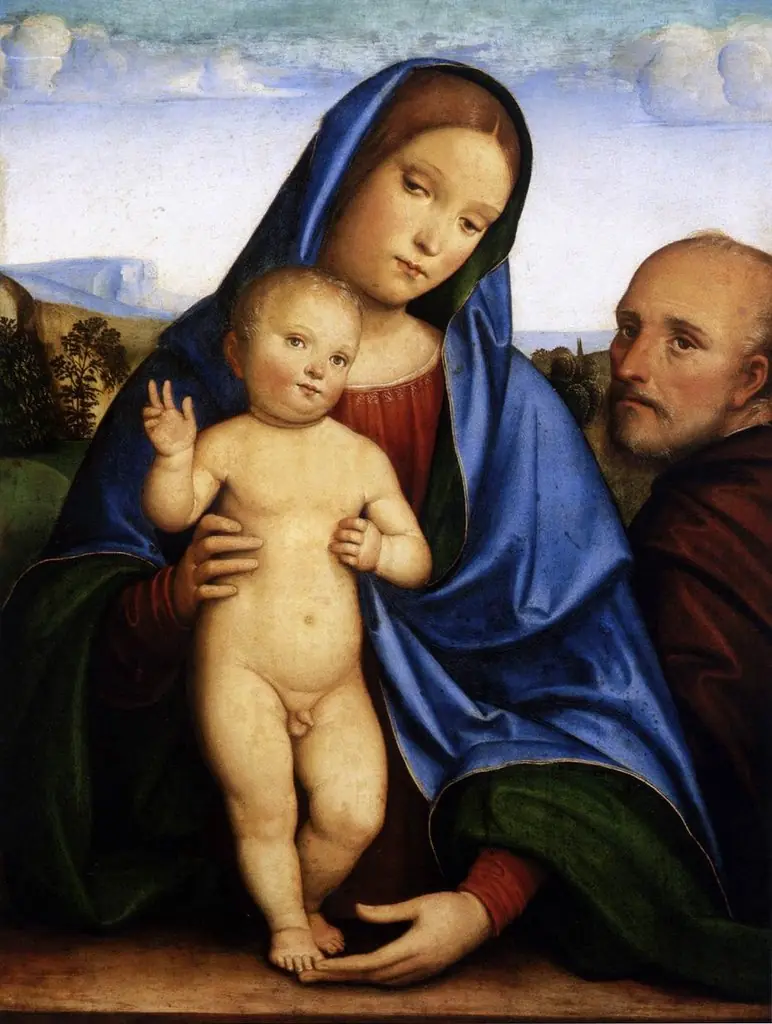 The Holy Family
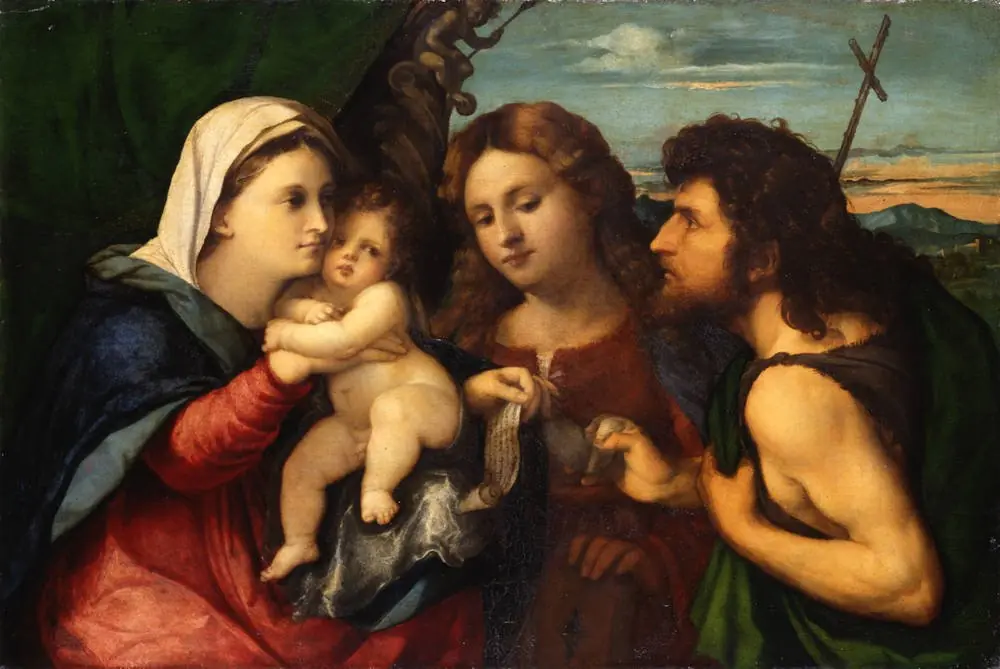 Maria mit dem Kind, Johannes dem Täufer und der heiligen Katharina
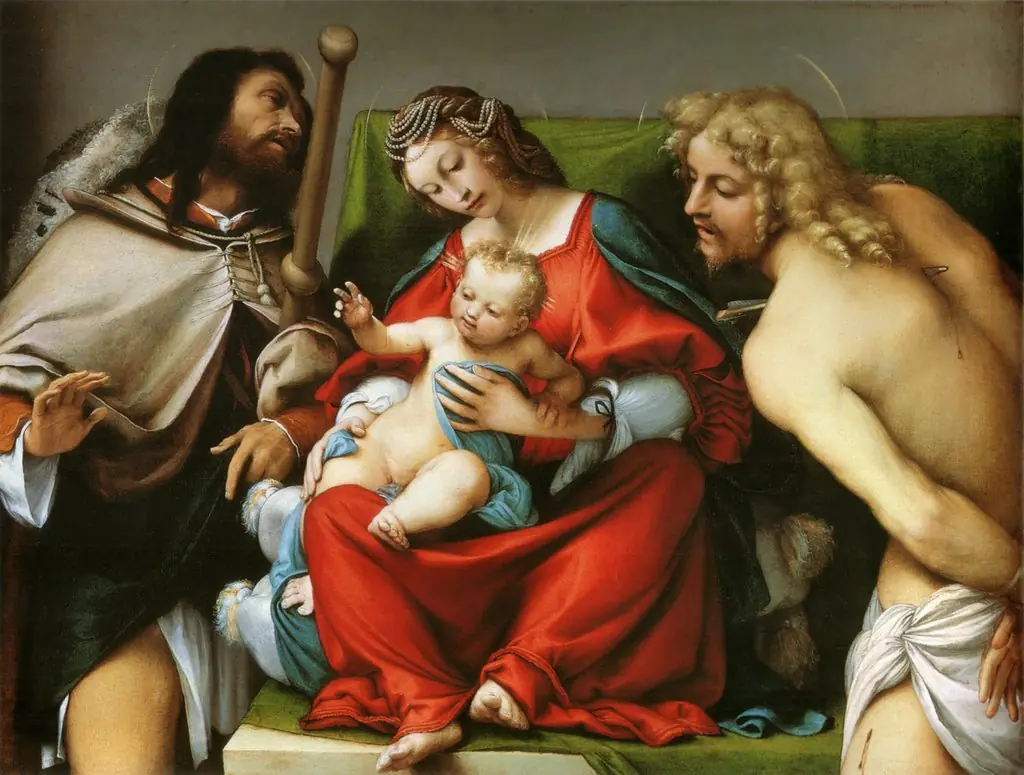 Madonna with the Child and Sts Rock and Sebastian
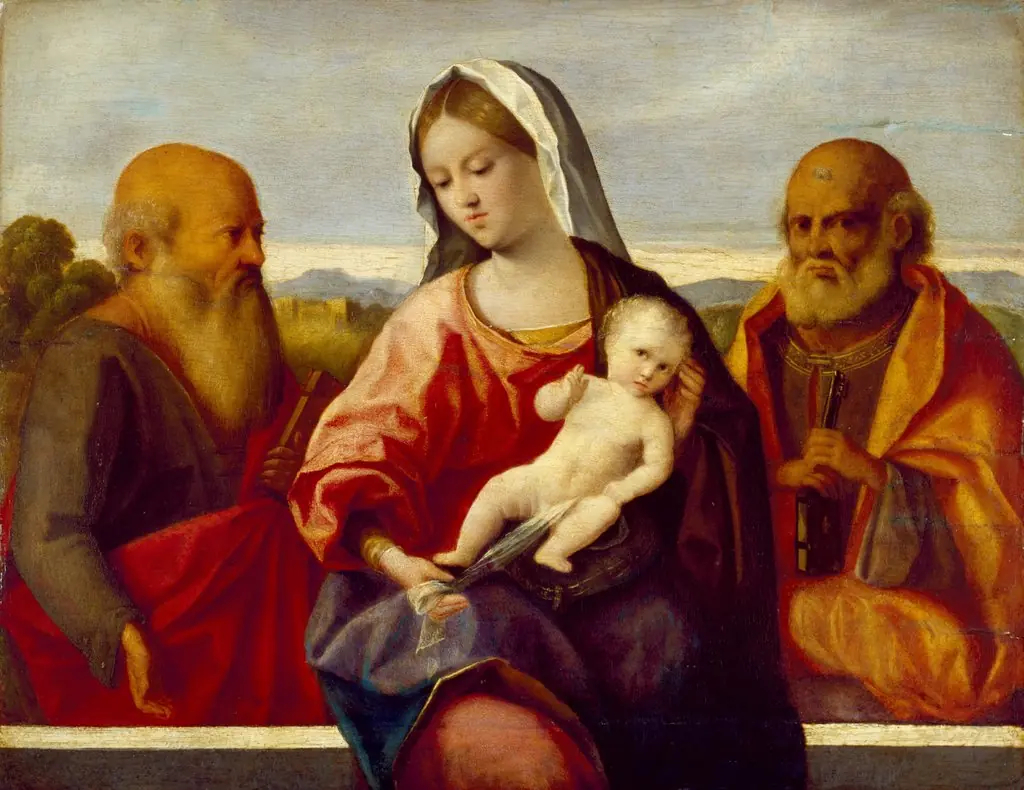 Madonna and Child with Saints Peter and Paul
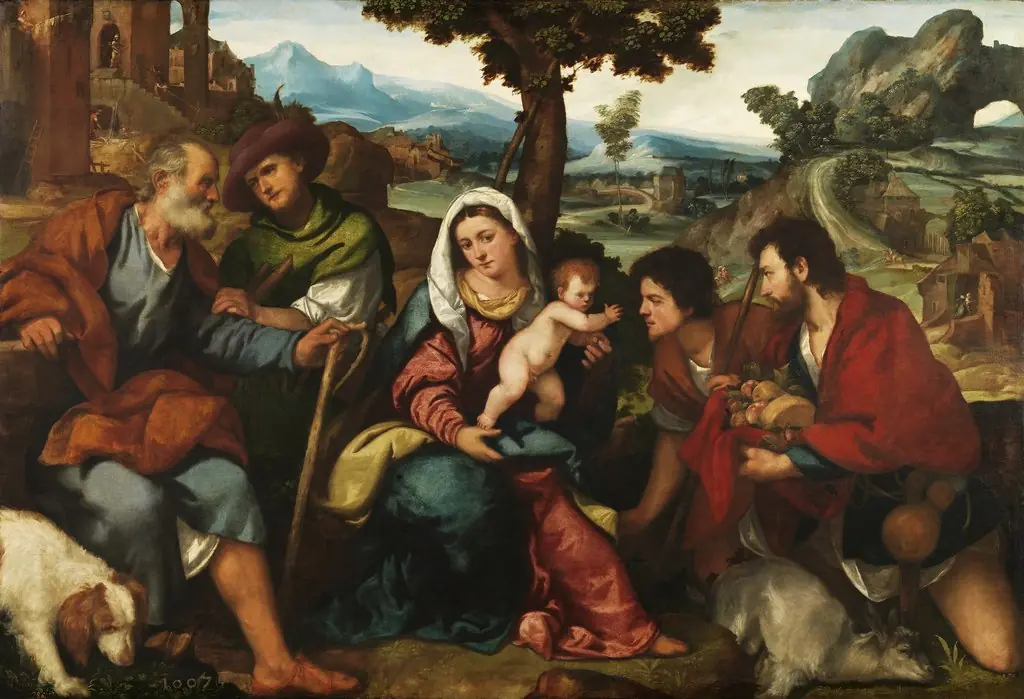 The Adoration of the Shepherds
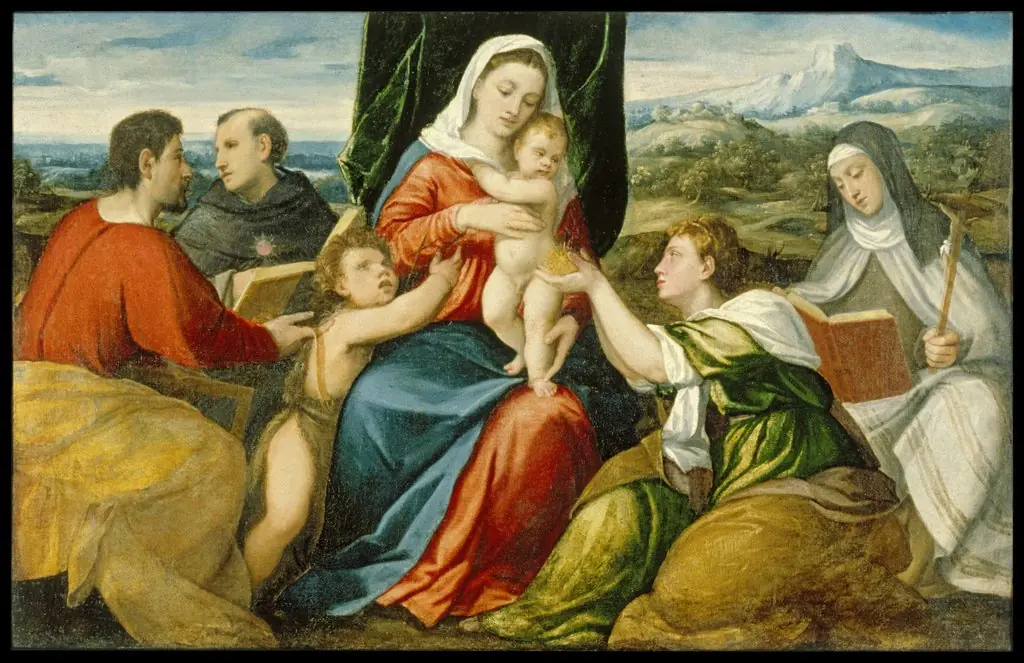 Madonna and Child with Saints
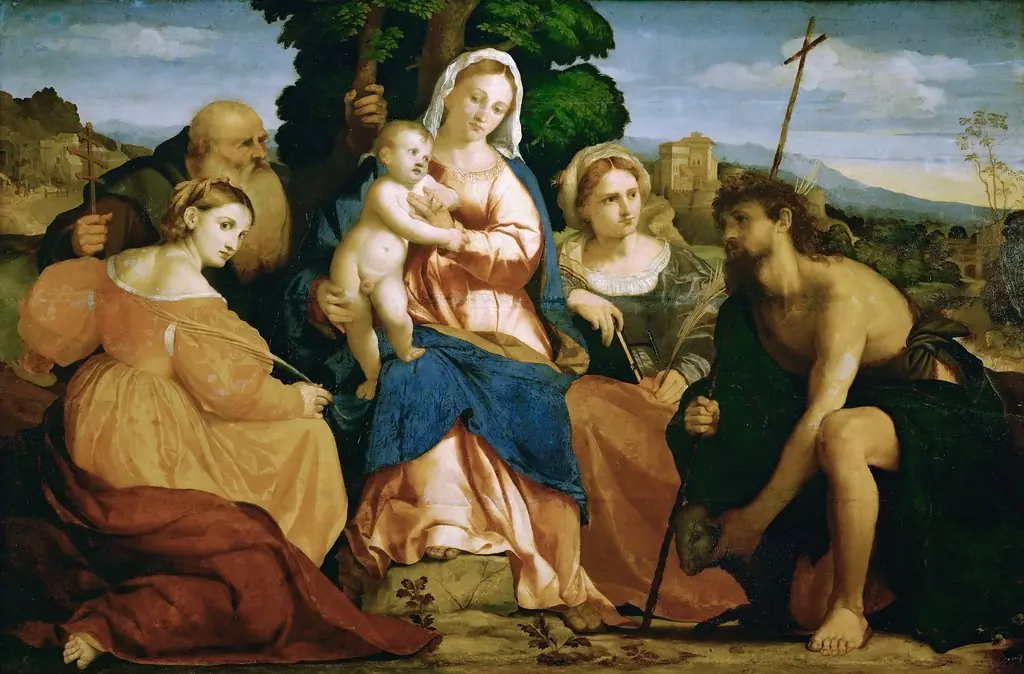 Sacred conversation