Artwork
Julius Caesar
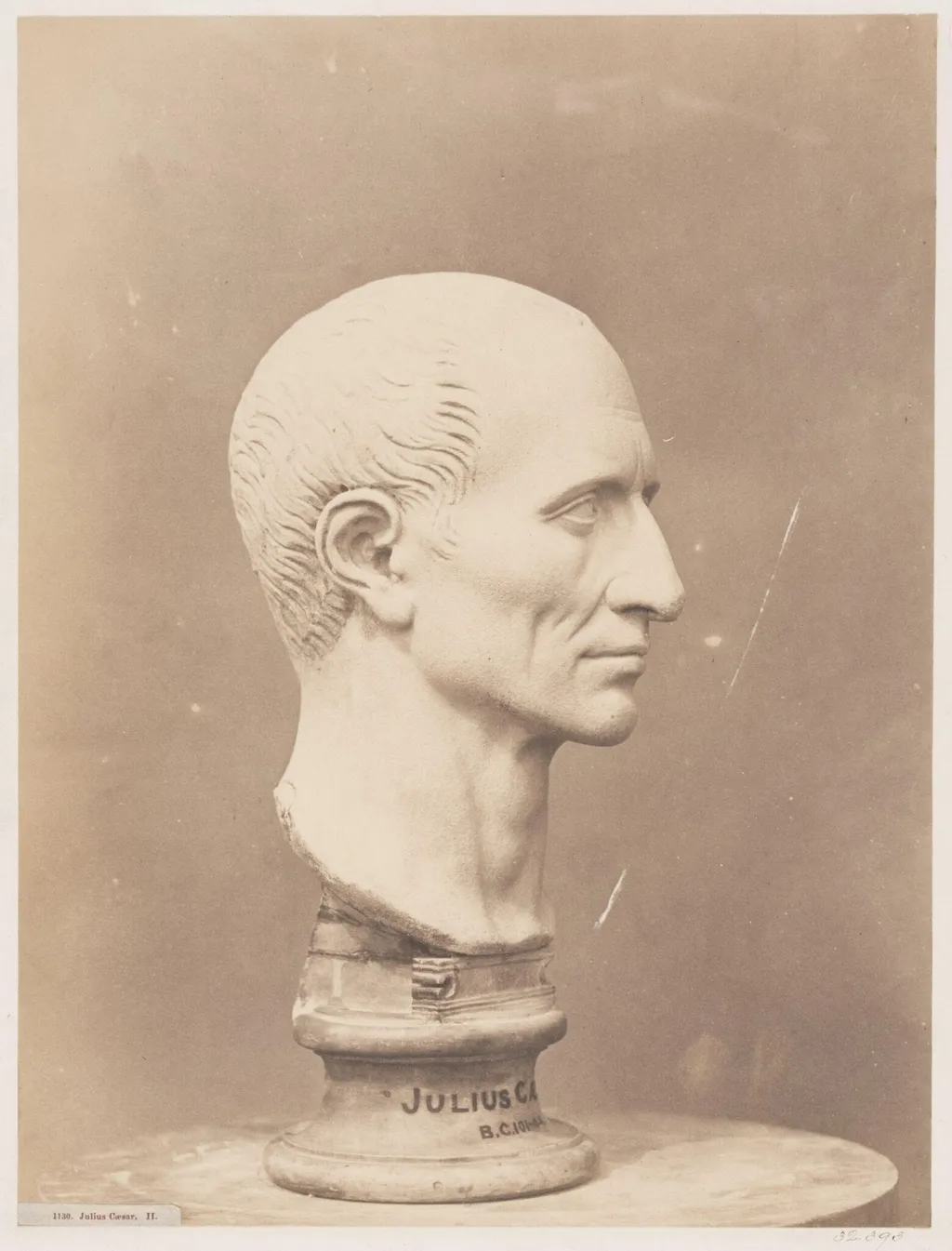
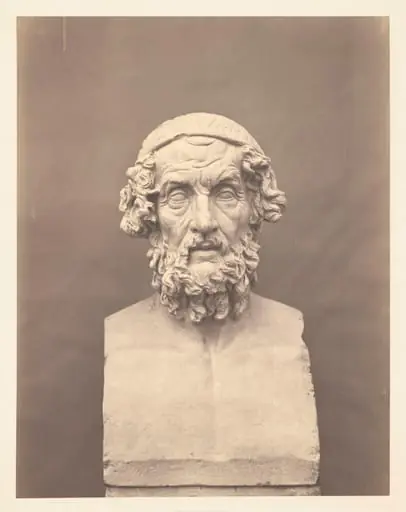
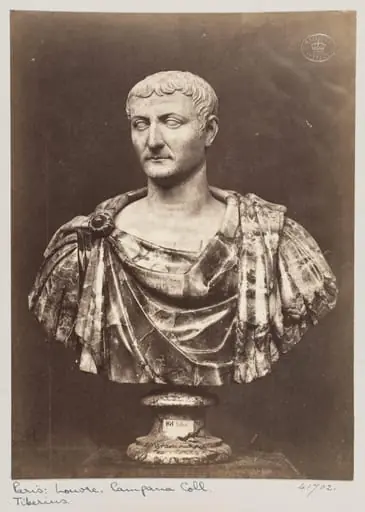
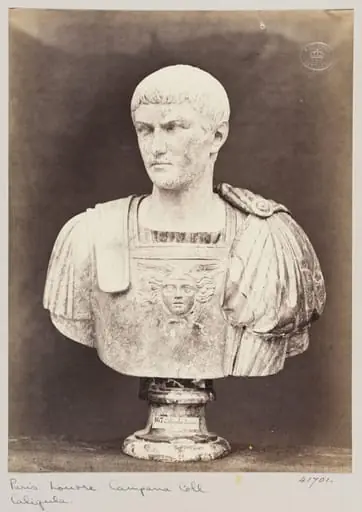
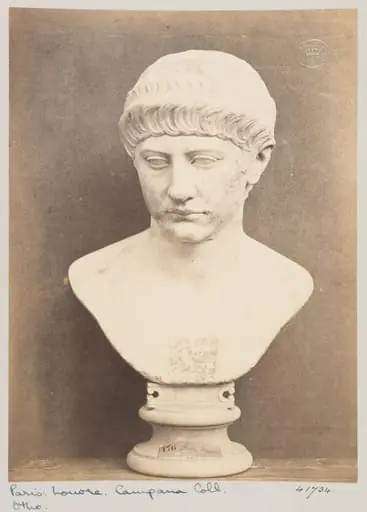
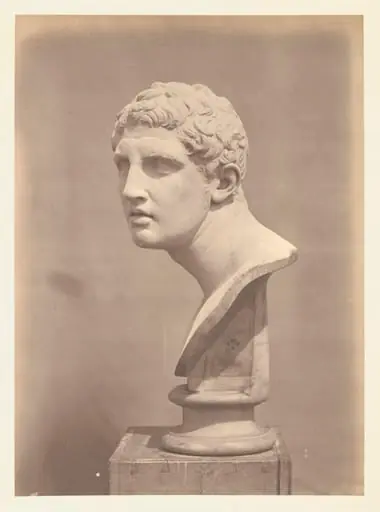
Julius Caesar is a photographic photography by the Impressionist artist Roger Fenton. It dates from 1856 and is held in the collection of the Victoria and Albert Museum.
About this work
Overview
The photograph’s muted tones and soft focus reflect early photographic techniques, emphasizing texture and form over color.
A sepia-toned photograph from 1856 captures a plaster cast of a classical bust, identified as Julius Caesar. Taken by Roger Fenton, the image documents a sculpture held in the British Museum’s collection. The photograph’s muted tones and soft focus reflect early photographic techniques, emphasizing texture and form over color. The bust rests on a pedestal bearing an inscription, framed within a quiet, studio-like setting.
Subject & Meaning
The bust depicts Julius Caesar, the Roman general and statesman, rendered in profile with short, wavy hair and a composed expression. The calm demeanor and subtle smile reflect idealized Roman portraiture, aiming to convey authority and dignity rather than individual likeness. As a reproduction, the cast serves as a conduit for classical ideals, repurposed in the 19th century to connect contemporary audiences with antiquity.
Technique & Style
Roger Fenton employed wet-plate collodion photography, a process requiring precise timing and chemical handling. The soft, even lighting enhances the marble-like surface of the cast, minimizing harsh shadows and emphasizing its smooth contours. The sepia tone, typical of the era, adds warmth and a sense of historical distance, reinforcing the object’s antiquarian character without embellishment.
History & Provenance
The bust was part of the British Museum’s collection of classical reproductions, used for study and public education. Fenton photographed it during a period when institutions were systematically documenting their holdings. The resulting image was likely intended for scholarly use or publication, contributing to the growing archive of archaeological and artistic records in mid-19th-century Britain.
Context
In the 1850s, photography emerged as a tool for preserving and disseminating cultural artifacts. Fenton’s work aligned with broader efforts to catalog antiquities, particularly as museums expanded their public roles. The choice to photograph a Roman bust reflects Victorian fascination with classical antiquity and the belief that such images could educate and elevate public taste.
Legacy
Fenton’s photograph remains a record of how classical sculpture was interpreted and preserved in the 19th century. It illustrates the intersection of archaeology, reproduction, and emerging photographic technology. While the original bust resides in the British Museum, this image continues to circulate as a historical document, offering insight into the methods and values of museum practice during the Victorian era.
Artist & collection