Artwork
Cap de expresie
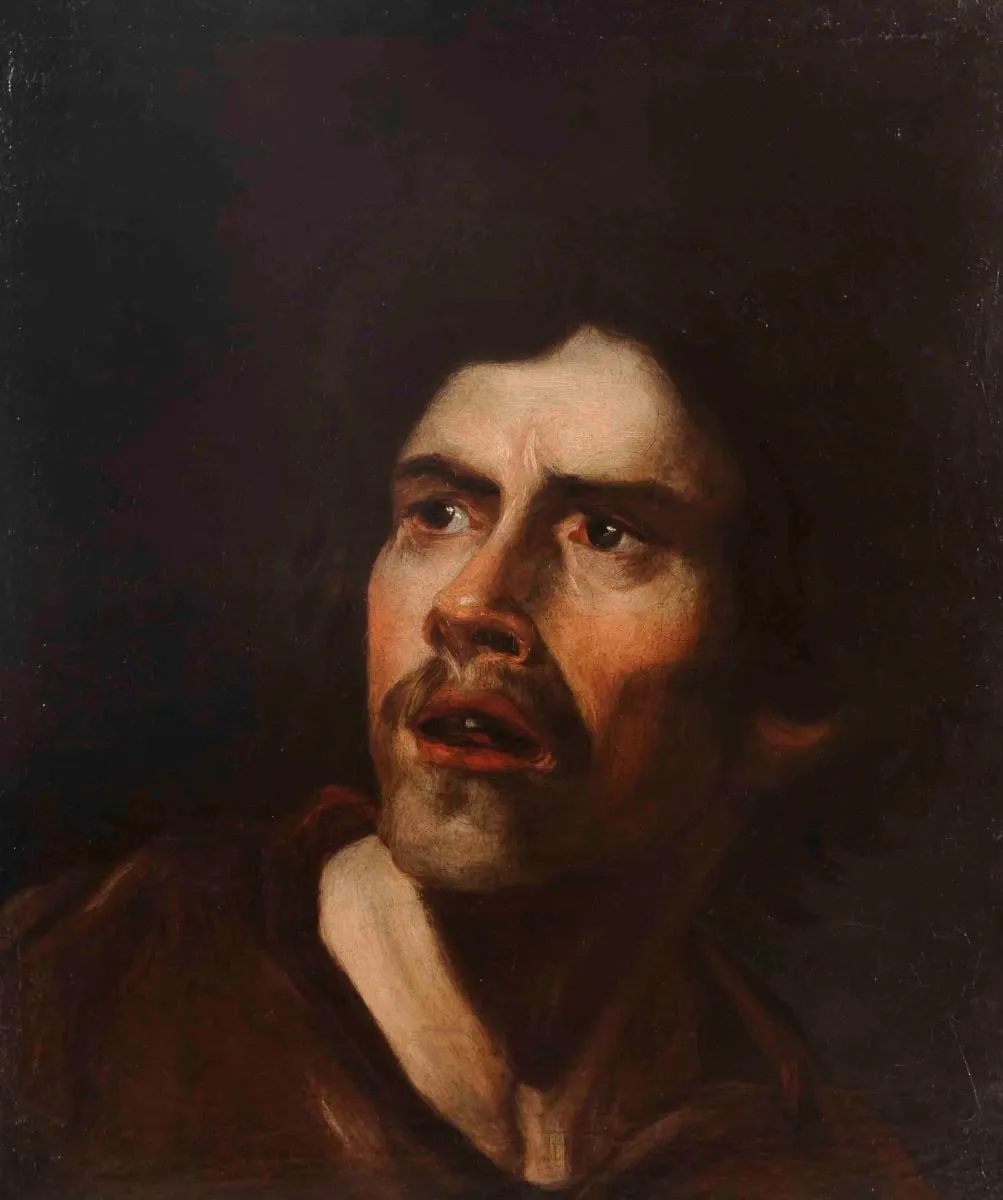
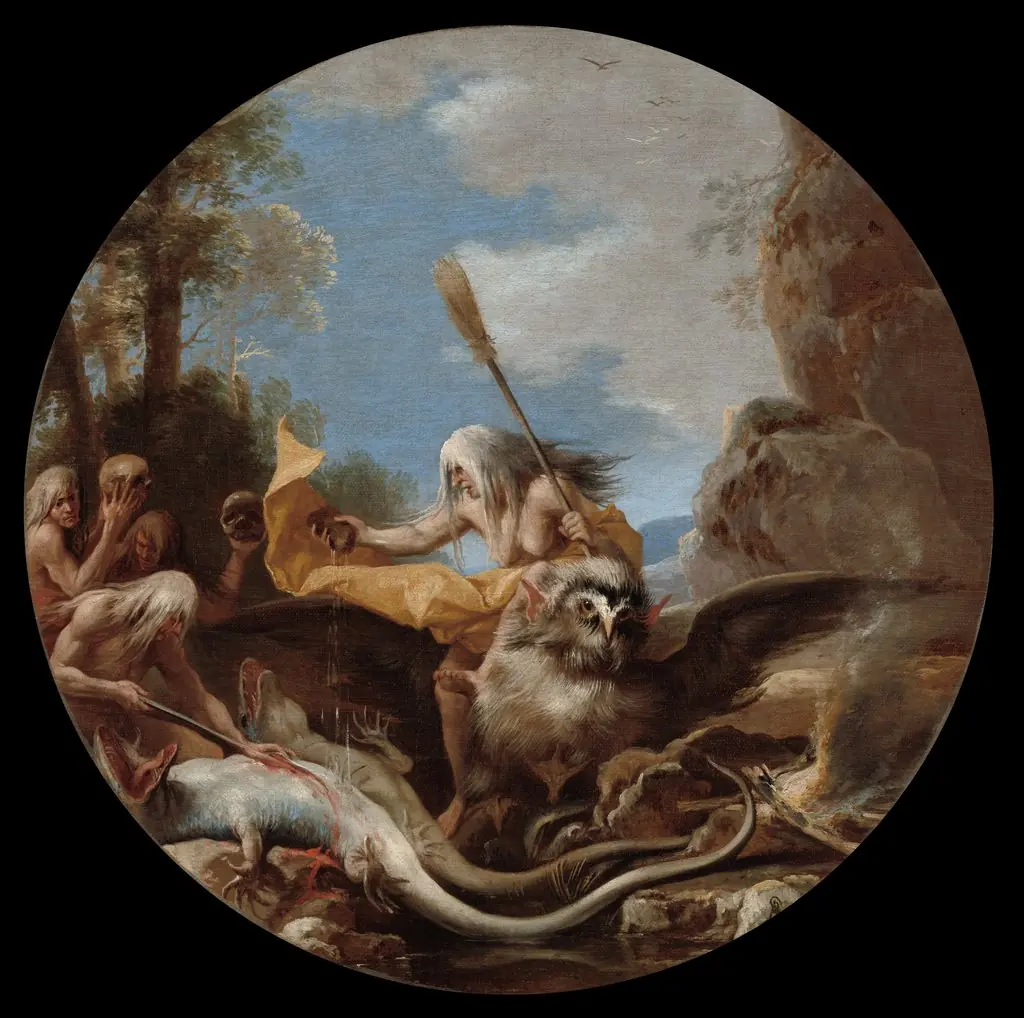
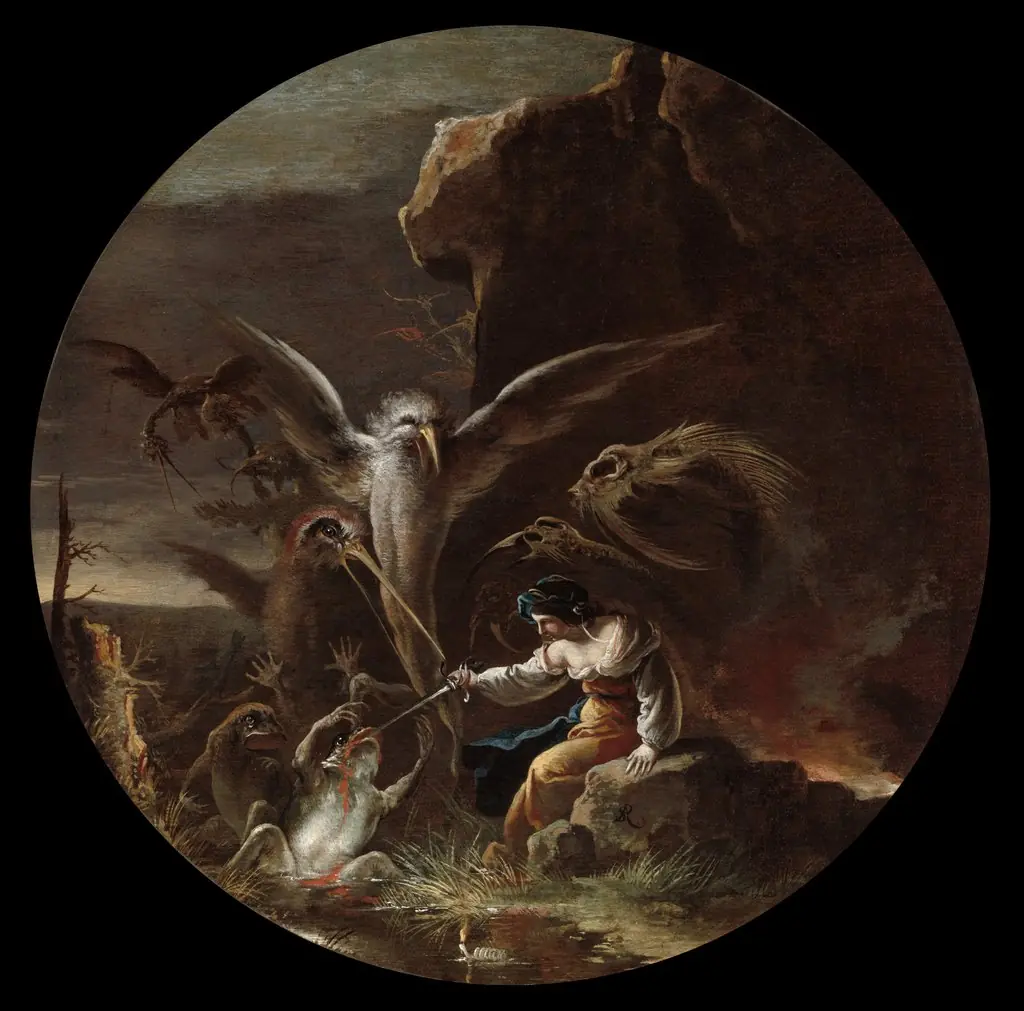
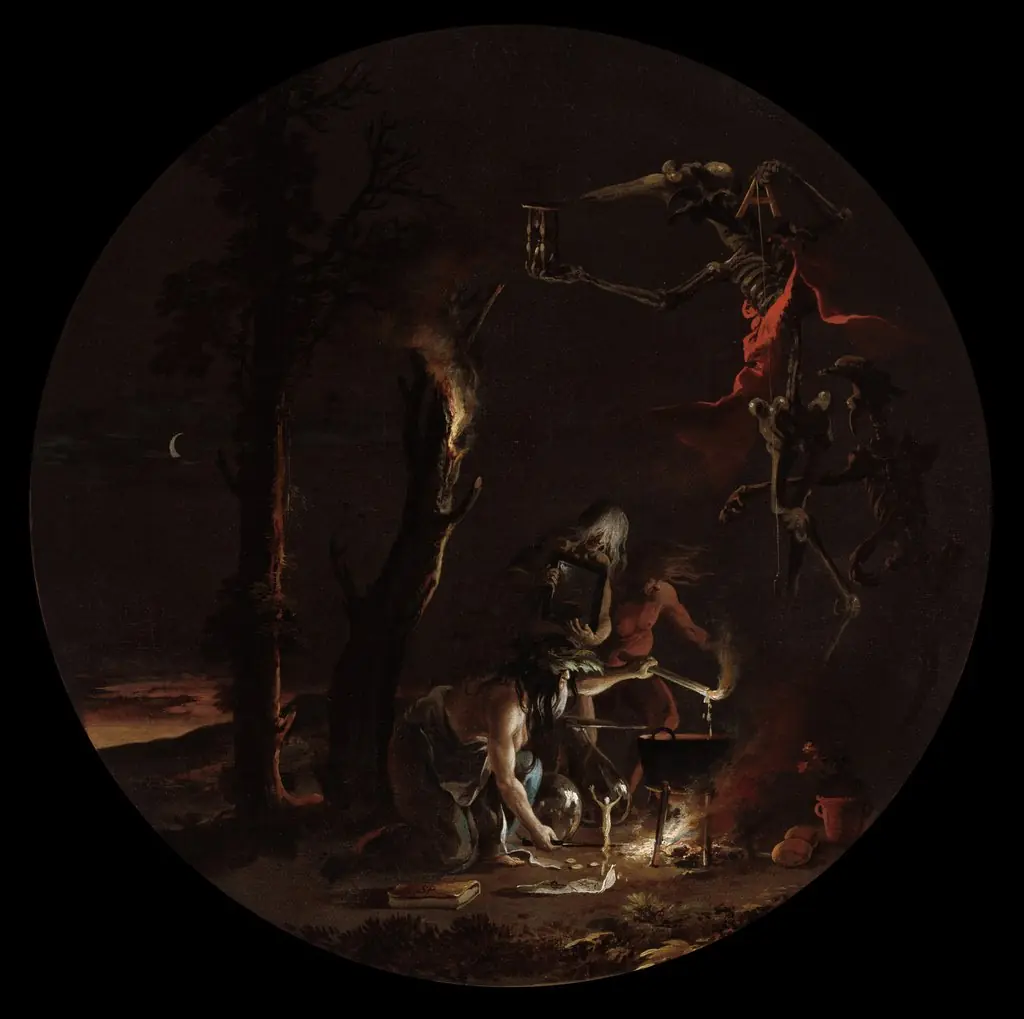
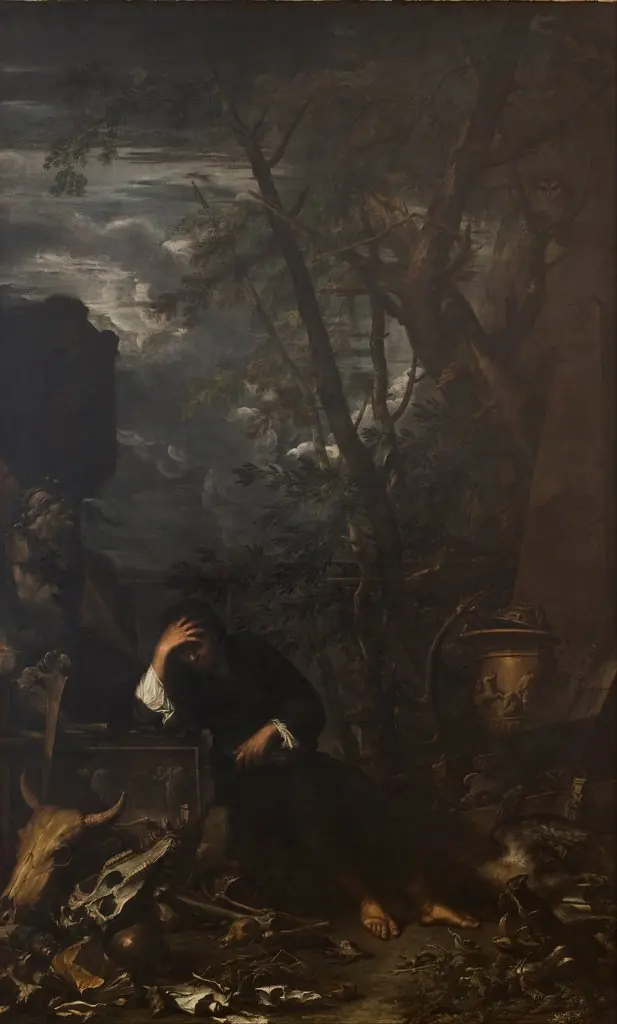
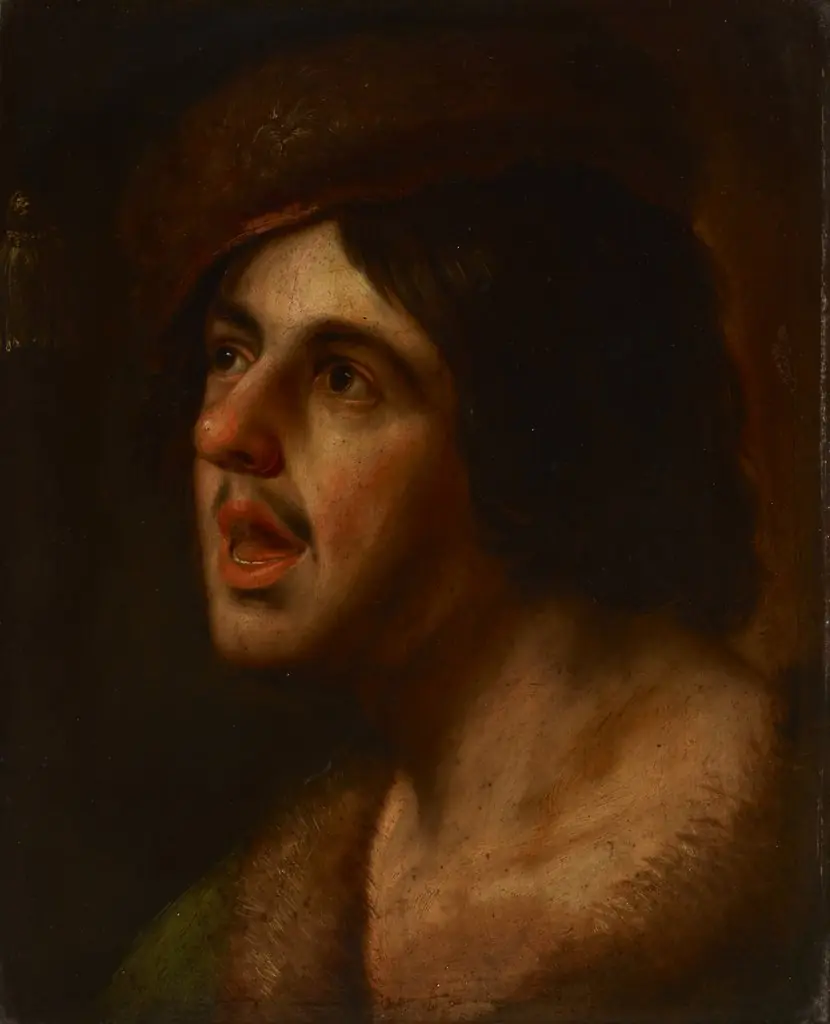
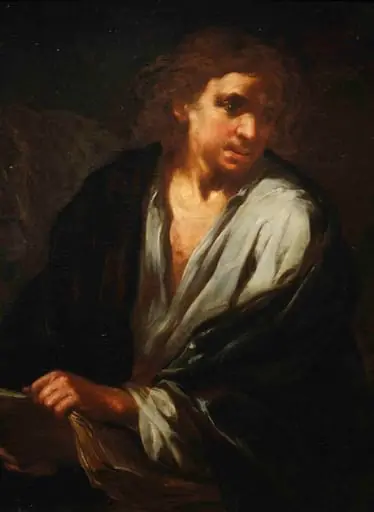
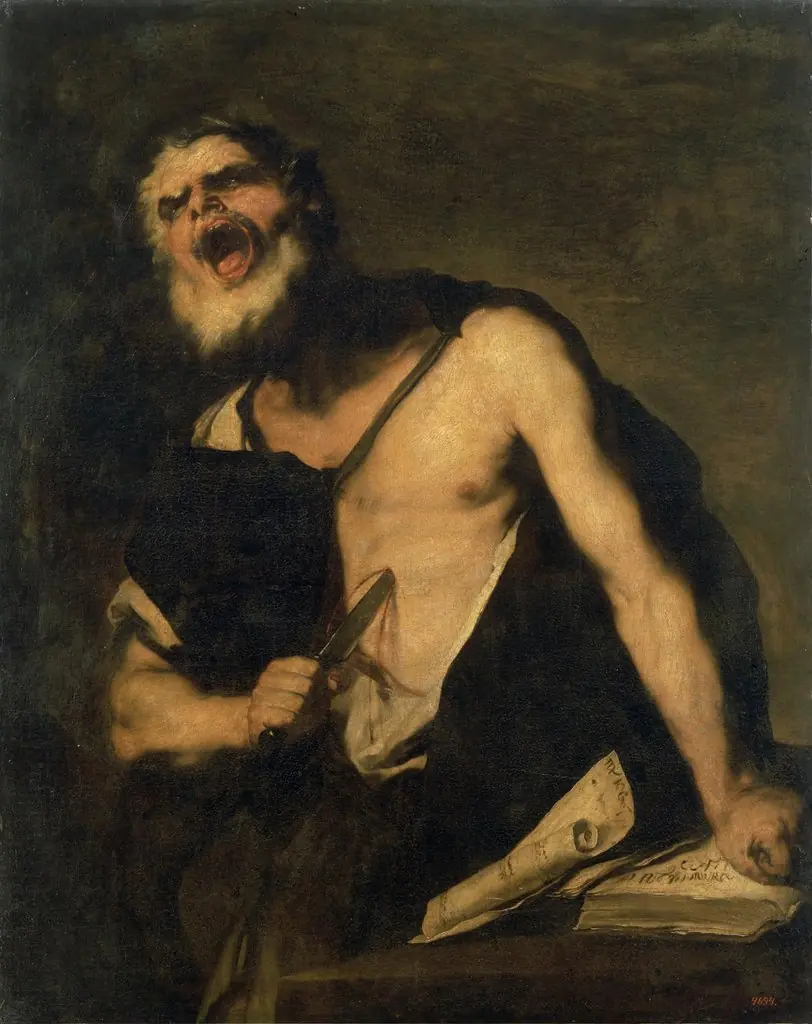
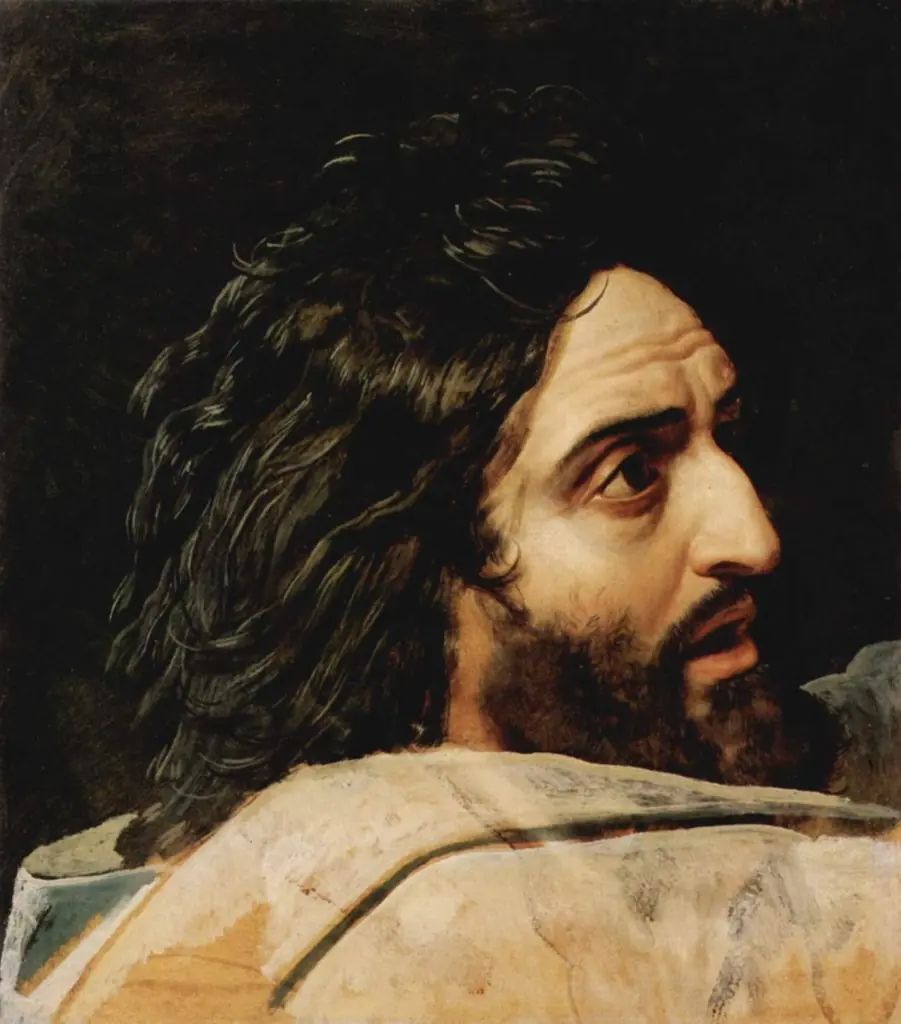
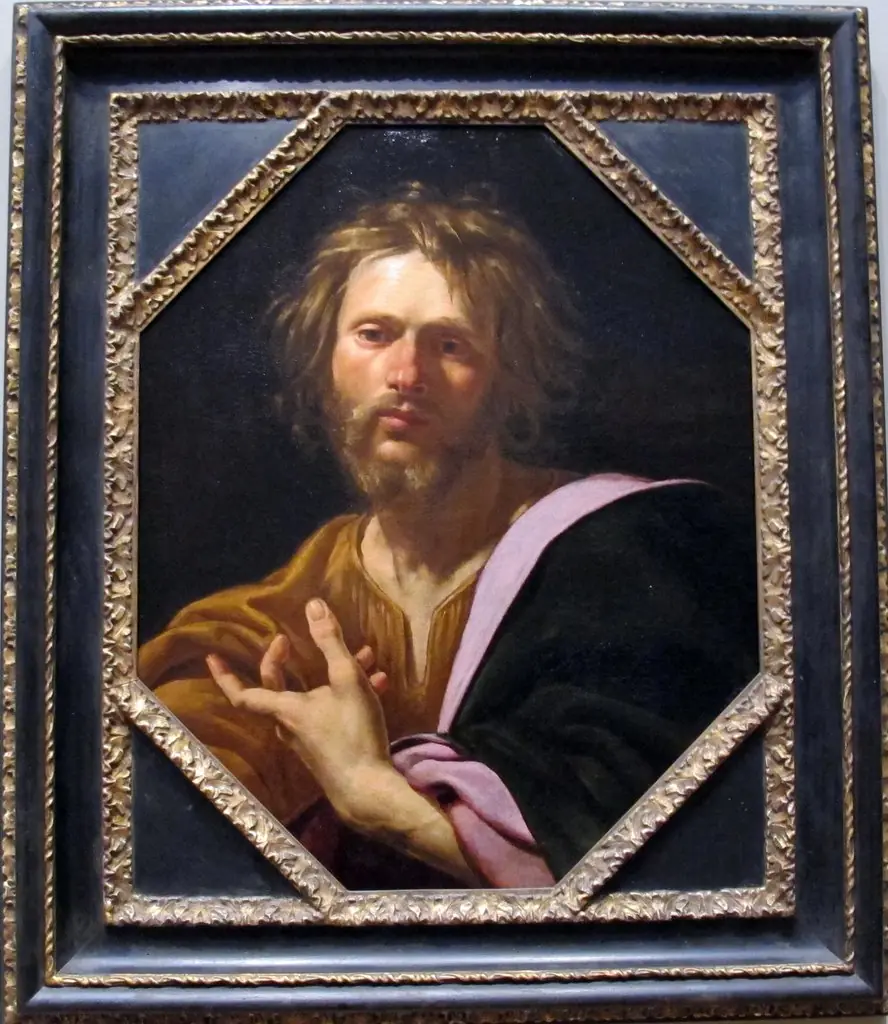
Cap de expresie is a print by the Baroque artist Salvator Rosa. It is held in the collection of the National Museum of Art of Romania.
About this work
Overview
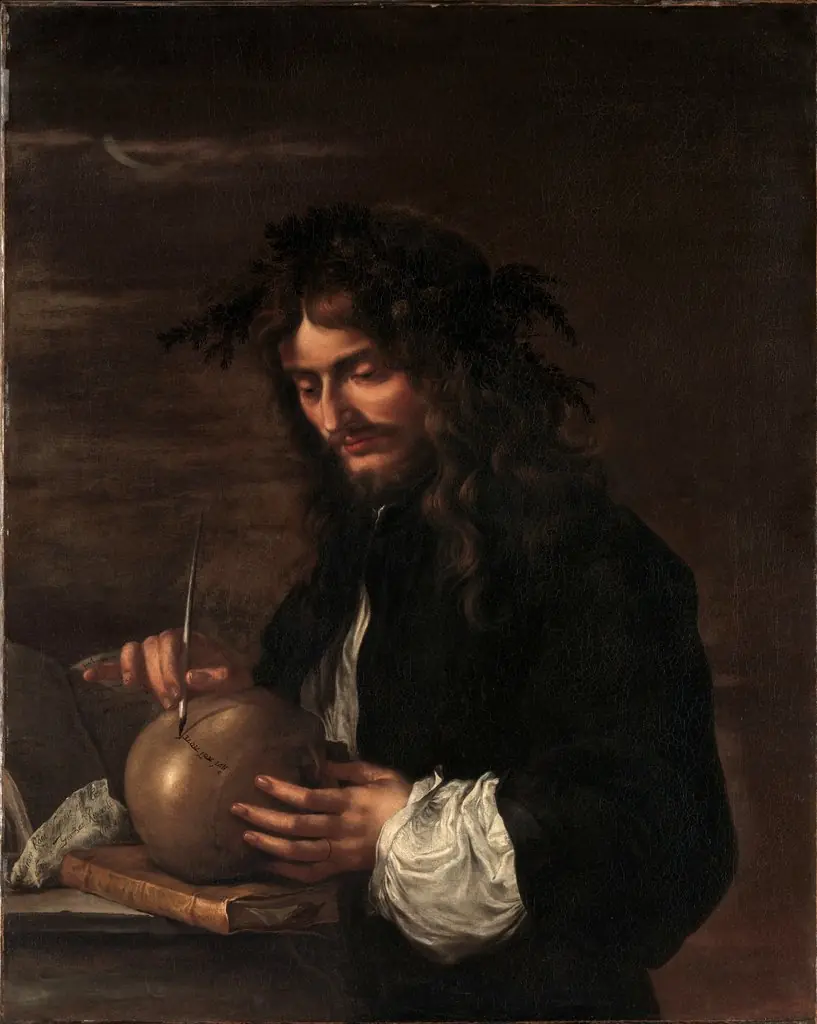
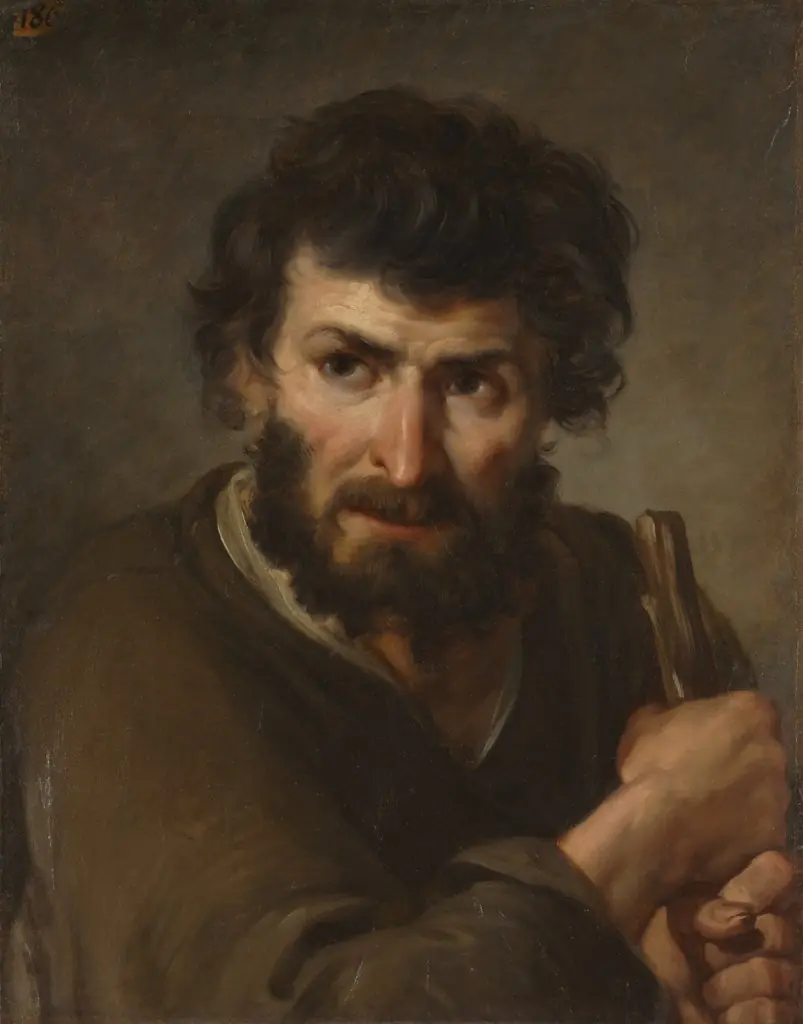
Painted around 1674 by Salvator Rosa, this portrait captures a single male figure in intimate scale. Executed in oil on canvas, the work belongs to a series of expressive head studies Rosa produced during his later years. Unlike his grand historical or landscape scenes, this piece focuses narrowly on human presence, emphasizing psychological intensity over narrative context.
Subject & Meaning
His parted lips and hollowed eyes suggest a moment of speech or emotional rupture, evoking inner turmoil rather than outward action.
The subject is an unidentified man, his face rendered with raw immediacy. His parted lips and hollowed eyes suggest a moment of speech or emotional rupture, evoking inner turmoil rather than outward action. Rosa’s choice to isolate the head against darkness strips away social context, inviting contemplation of the individual’s inner state—possibly reflecting his interest in human vulnerability and existential themes.
Technique & Style
Rosa employs stark chiaroscuro to model the face, directing light toward the forehead and chin while plunging the cheeks and neck into deep shadow. The brushwork is deliberate yet unpolished, enhancing the sense of spontaneity. The absence of background or clothing focuses attention on texture—pale skin, faint stubble, and the subtle sheen of sweat or moisture—creating a tactile, almost visceral presence.
History & Provenance
The painting emerged during Rosa’s mature period, when he increasingly turned to intimate portraiture alongside his more famous landscapes. Its early ownership is undocumented, but it likely remained within Italian collections until the 19th century. It entered its current institutional holding in the early 20th century, where it has since been studied as an example of Baroque psychological portraiture.
Context
In mid-17th century Italy, portraiture often served aristocratic or religious functions. Rosa’s focus on an anonymous, emotionally charged face diverged from convention, aligning more with emerging interests in individual psychology. His background as a poet and satirist may have influenced this turn toward expressive, non-idealized representation, reflecting broader cultural shifts toward introspection.
Legacy
Though less celebrated than his landscapes, this work exemplifies Rosa’s contribution to the evolution of expressive portraiture. Its emphasis on emotional immediacy and technical boldness influenced later artists exploring psychological depth, particularly in 18th-century Northern European painting. The study remains a quiet but significant marker of Baroque experimentation beyond grand historical themes.
Artist & collection
Artist
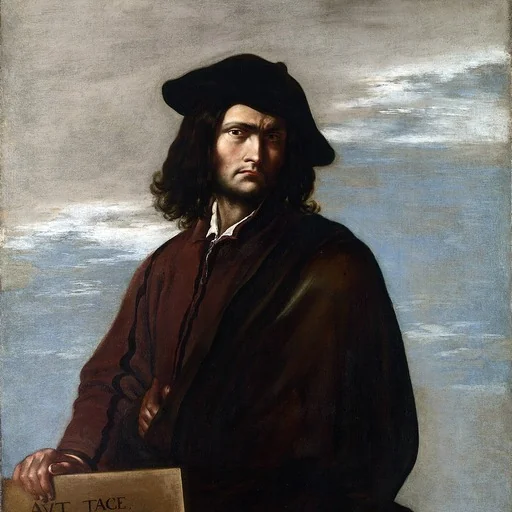
Salvator Rosa (1615 – 15 March 1673) is best known today as an Italian Baroque painter, whose romanticised landscapes and history paintings, often set in dark and untamed nature, exerted considerable influence from the 17th century into…