Artwork
Head of St John the Baptist
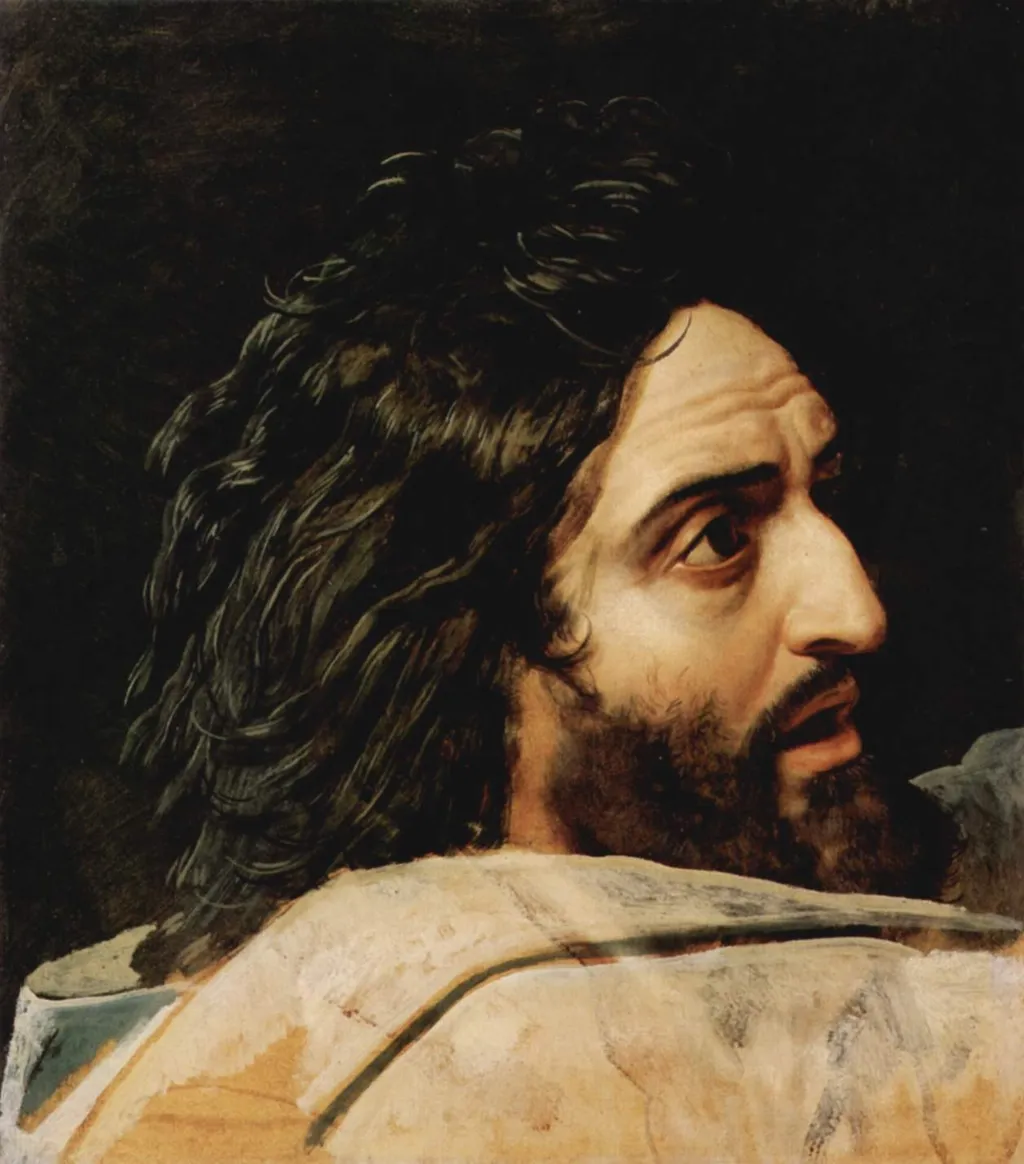
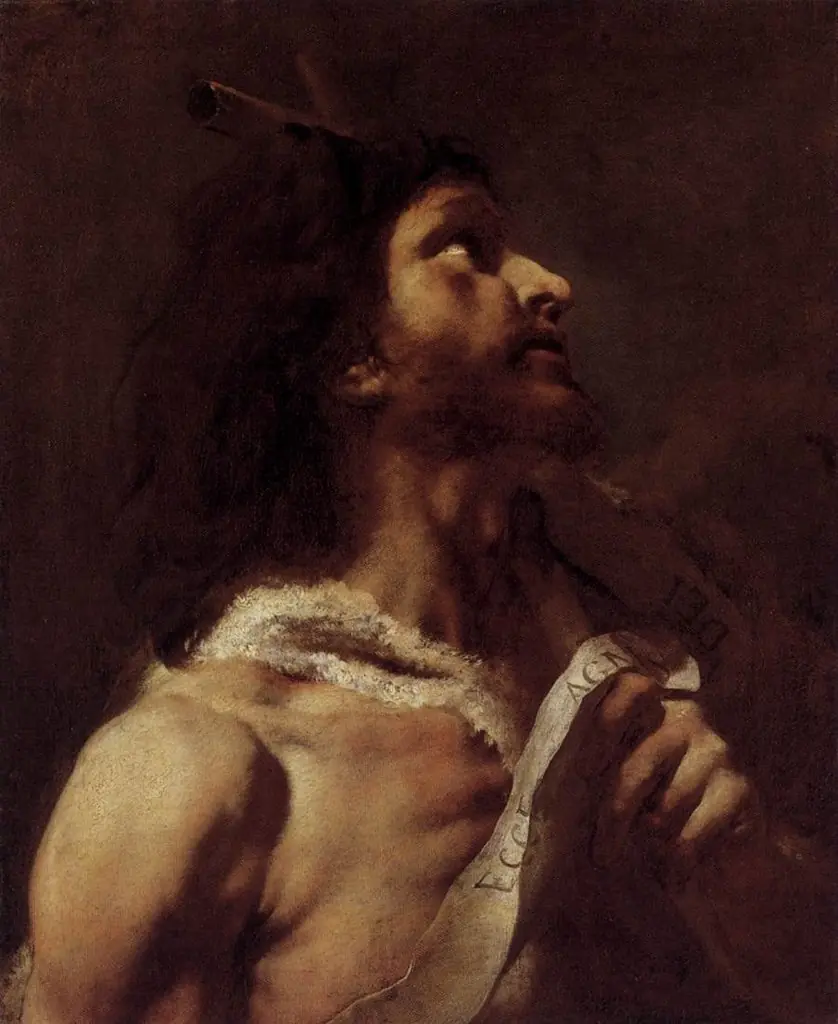
Head of St John the Baptist is an unspecified painting by the Realist artist Alexander Ivanov. It dates from 1850 and is held in the collection of the Tretyakov Gallery. Painted around 1850 by Alexander Andreyevich Ivanov, this work is a focused study of the severed head of John the Baptist.
About this work
Overview
Though Ivanov is better known for large-scale biblical compositions, this piece reflects his commitment to quiet, introspective realism.
Painted around 1850 by Alexander Andreyevich Ivanov, this work is a focused study of the severed head of John the Baptist. Though Ivanov is better known for large-scale biblical compositions, this piece reflects his commitment to quiet, introspective realism. Executed with careful attention to physical detail, it stands apart from the grand narratives of his time, offering a restrained meditation on mortality and spiritual presence.
Subject & Meaning
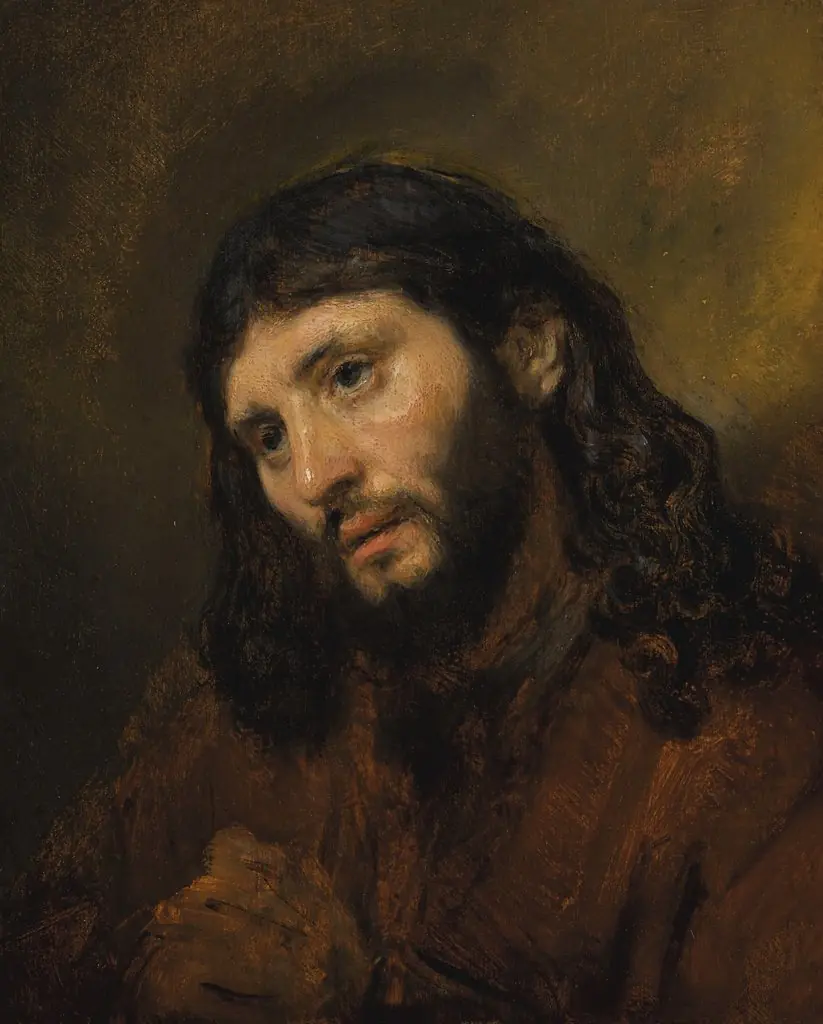
The portrait captures the head of John the Baptist in profile, eyes lowered, expression somber and inward. His long dark hair and beard are rendered with naturalistic texture, avoiding overt martyrdom or theatricality. The absence of narrative context—no salver, no executioner—shifts focus to the humanity of the figure, suggesting contemplation rather than spectacle. The stillness evokes a sense of inner resolve, aligning with Orthodox traditions of saintly introspection.
Technique & Style
Ivanov employed chiaroscuro to model the face with subtle gradations of light and shadow, enhancing the three-dimensionality of the features. The dark, unbroken background isolates the head, drawing attention to its form and texture. Brushwork is precise but not overly polished; skin, hair, and beard are rendered with observational accuracy, reflecting his training in classical anatomy and his adherence to a fading Neoclassical discipline, even as Realism gained ground.
History & Provenance
Created during Ivanov’s later years, the painting remained in his personal collection until his death in 1858. It was later acquired by Pavel Tretyakov, who included it in his growing collection of Russian art. The work entered the Tretyakov Gallery’s permanent holdings in the late 19th century, where it has remained, valued not for its scale but for its quiet intensity and technical discipline.
Context
While European art of the mid-19th century embraced Romantic drama and emerging Impressionism, Ivanov remained committed to structured, historically informed composition. In Russia, where religious imagery was often tied to state orthodoxy, this intimate portrait offered a personal, non-doctrinal vision of a biblical figure. Its restraint contrasted with both academic grandeur and populist piety, making it an outlier in its time.
Legacy
Though never widely exhibited during Ivanov’s lifetime, the painting has come to represent his quieter, more personal artistic voice. It is studied for its synthesis of Neoclassical discipline and Realist observation, influencing later Russian artists who sought emotional depth without sentimentality. Its presence in the Tretyakov Gallery underscores its role as a bridge between tradition and modernity in 19th-century Russian painting.
Artist & collection
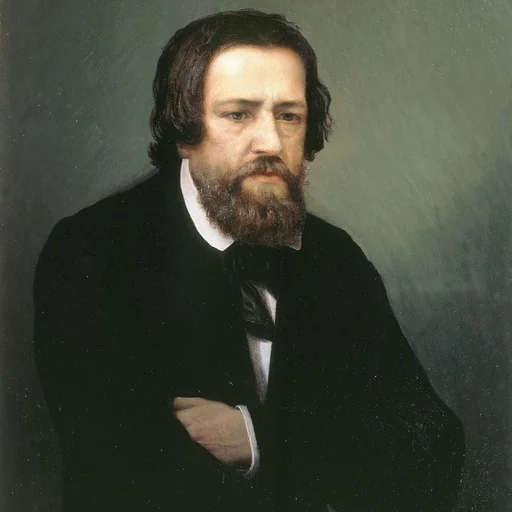
Artist
Alexander Andreyevich Ivanov (Russian: Алекса́ндр Андре́евич Ива́нов; 28 July 1806 – 15 July 1858) was a Russian painter who adhered to the waning tradition of Neoclassicism but found little sympathy with his contemporaries.