Artwork
Untitled
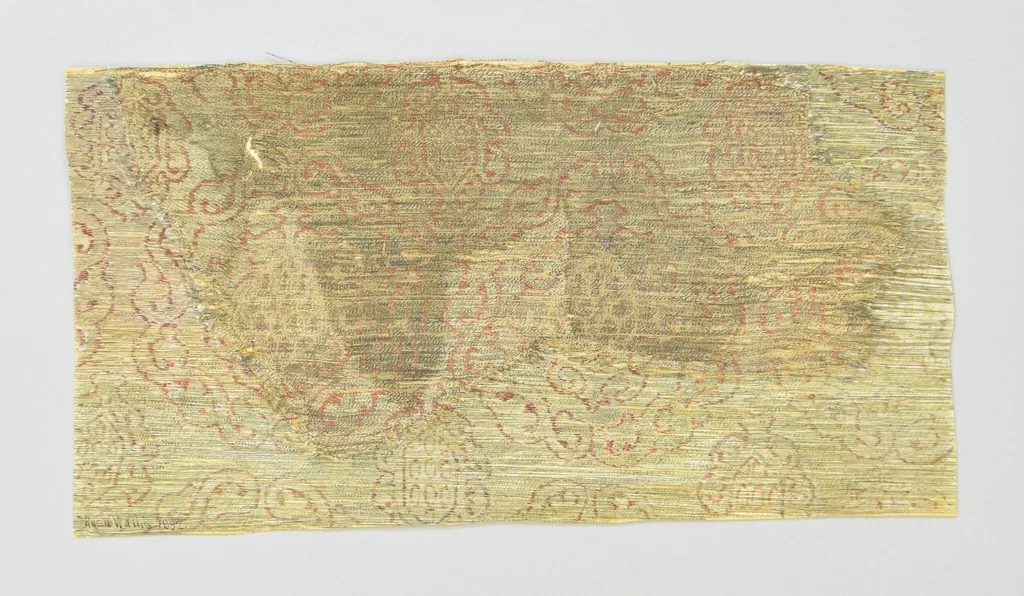
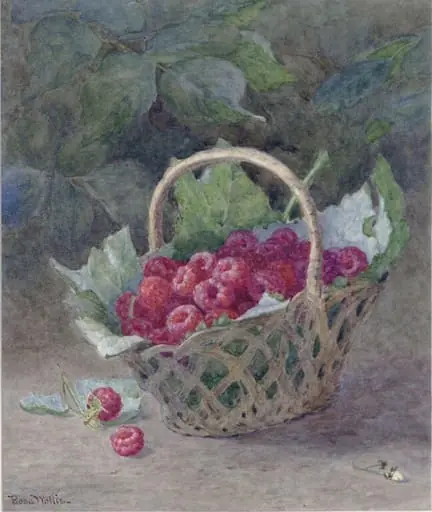
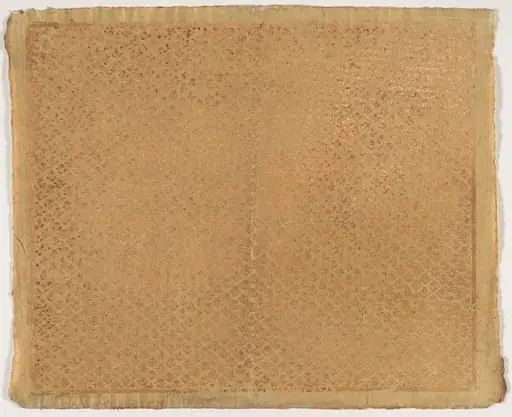
Untitled is a paint painting by the Impressionist artist Rosa Wallis. It dates from 1892 and is held in the collection of the Victoria and Albert Museum.
About this work
Overview
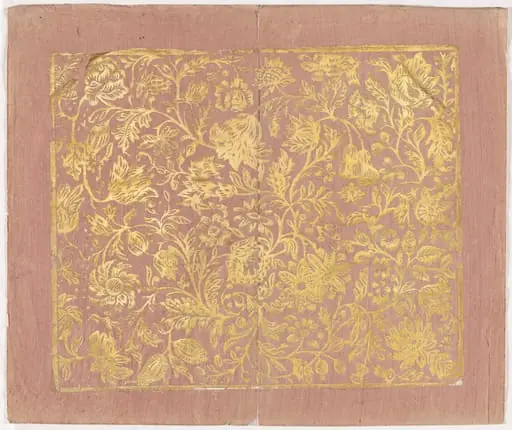
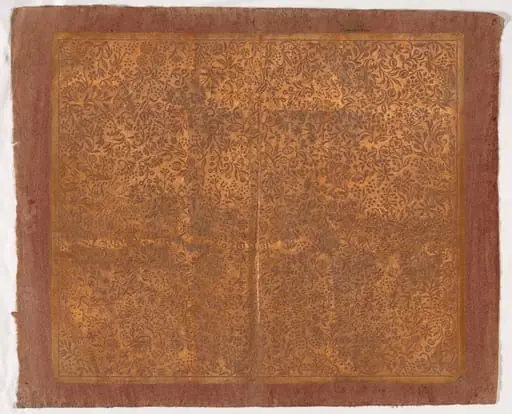
Created in 1892 by Rosa Wallis, this painting is part of the Victoria and Albert Museum’s collection. It presents itself as an abstract composition resembling aged textile, with a surface that suggests prolonged use and exposure. The work resists conventional representation, instead evoking the physicality of worn materials through its appearance and texture.
Subject & Meaning
The painting does not depict a recognizable scene or figure. Its forms—faint red and green patches amid muted golds and browns—suggest accidental marks rather than intentional symbols. The overall impression is of something discarded or repurposed, inviting contemplation of decay, memory, and the passage of time rather than narrative meaning.
Technique & Style
Wallis applied pigment in a manner that mimics the deterioration of fabric, using thin, uneven layers to simulate fading and staining. The surface is deliberately textured, with visible abrasions and frayed edges that mimic physical wear. The palette is subdued, emphasizing earth tones, while the irregular shapes appear spontaneous, as if formed by chance rather than design.
History & Provenance
The work entered the Victoria and Albert Museum’s collection shortly after its creation, likely acquired as part of a broader interest in domestic and textile-based art forms. Its origins remain undocumented beyond the artist’s signature and date, and no exhibition history prior to its museum acquisition is known.
Context
In the late 19th century, artists increasingly explored non-traditional materials and surfaces, reacting against academic norms. Wallis’s work aligns with this trend, reflecting a quiet interest in the aesthetics of decay and the poetic potential of everyday, overlooked objects—particularly those associated with domestic life.
Legacy
Though not widely exhibited or studied, the painting contributes to a lesser-known strand of late-Victorian art that valued material authenticity over idealized form. Its presence in a major museum underscores a growing institutional recognition of non-conventional artistic expressions from the period.
Artist & collection