Artwork
Endpaper with Mixed Floral Pattern
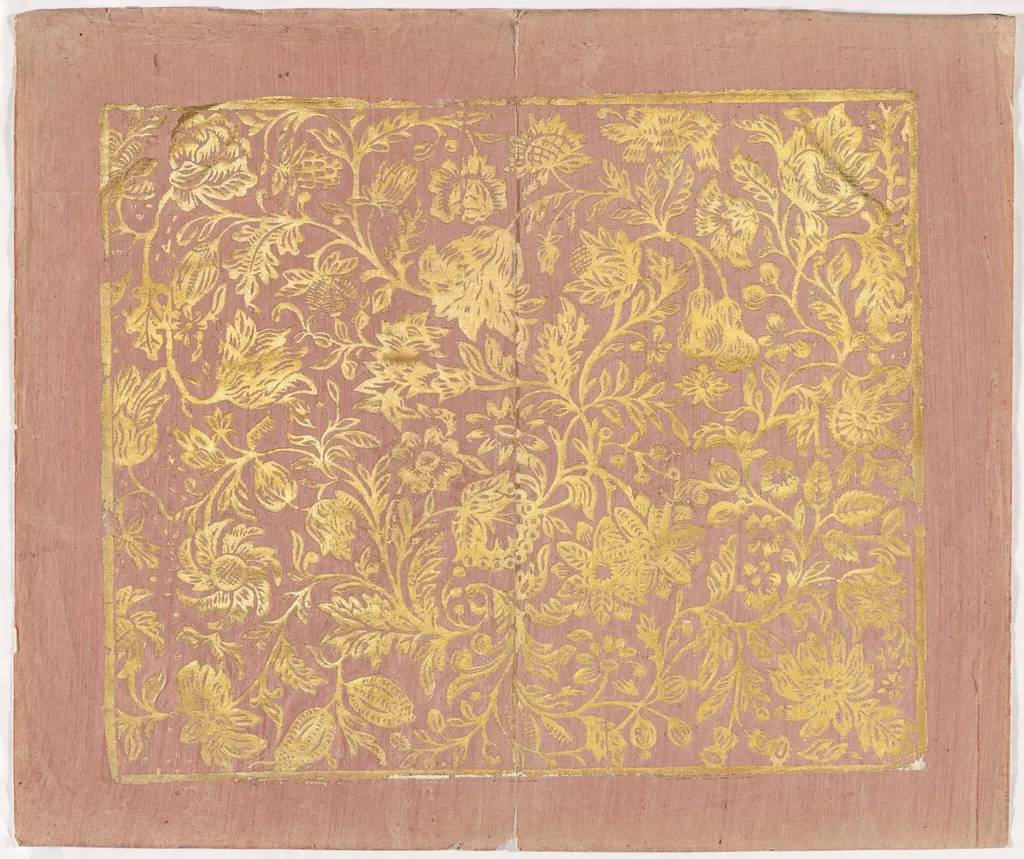
Endpaper with Mixed Floral Pattern is an ink print by the Baroque artist Italian 18th Century. It dates from 1750 and is held in the collection of the National Gallery of Art. The work is a square print executed as a woodcut on hand‑washed rose‑coloured paper.
About this work
The painting is done in a style that is reminiscent of the Baroque period, with its use of gold and intricate details.
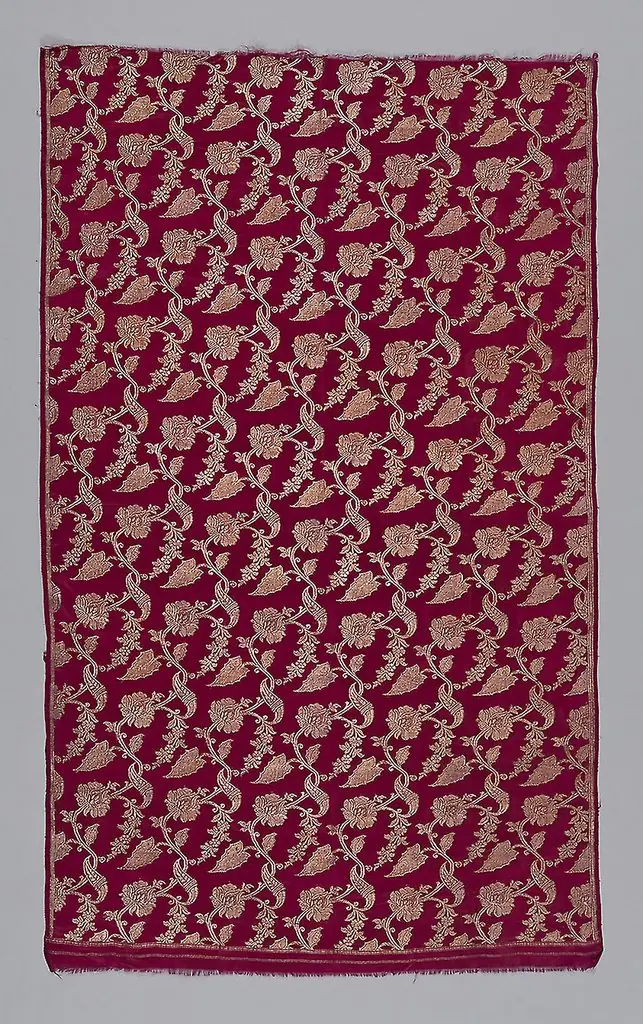
This painting is a square with a pink background and a gold floral pattern in the center. The flowers and leaves are intricately designed, with some of them overlapping each other. The gold color stands out against the soft pink background, creating a sense of contrast and visual interest.
The painting is done in a style that is reminiscent of the Baroque period, with its use of gold and intricate details. The artist has used a woodcut technique to create the design, which gives it a sense of texture and depth.
If you're interested in learning more about this style of art, you might want to check out the work of Italian 18th Century artists, who were known for their use of gold and intricate details in their paintings.
Overview
The work is a square print executed as a woodcut on hand‑washed rose‑coloured paper. A soft pink ground occupies the entire surface, while a dense arrangement of gold‑metallic flowers and foliage occupies the centre. The metallic ink creates a luminous contrast that draws the eye to the intricate, overlapping botanical motifs.
Subject & Meaning
The central motif consists of stylised blossoms and leaves rendered in a decorative, almost ornamental fashion. Though not representing a specific botanical study, the pattern evokes the luxuriant floral ornamentation common in decorative arts, suggesting themes of abundance and elegance through the interplay of natural forms and precious metal.
Technique & Style
The image was produced by carving a design into a wood block and printing it with gold metallic ink, a method that imparts a tactile surface and subtle relief. The overall aesthetic recalls Baroque decorative tendencies, especially the use of gold to highlight intricate detail, while the hand‑washed paper adds a soft, aged quality to the composition.
Context
Woodcut prints with metallic pigments were popular in the 18th century, particularly among Italian artisans who combined fine engraving with lavish colour. This piece aligns with that tradition, reflecting the period’s fascination with opulent surface treatments and the integration of fine art techniques into decorative objects such as endpapers.
Artist & collection

Artist
This Italian artist carved bronze figures in the 18th century, blending myth and motion in metal.

![Design for a Wall of a Music Room [recto], by Italian 18th Century](https://artifactworldgallery.com/img/italian-18th-century--design-for-a-wall-of-a-music-room-recto--1582534309a804bd-w320.webp)
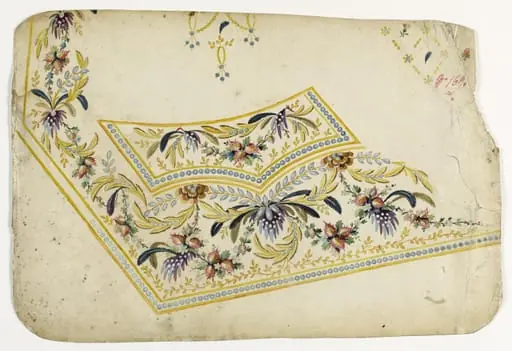 Gilet décor de plumes, fraises et perles, projets de broderies de gilet, XVIIIème siècle
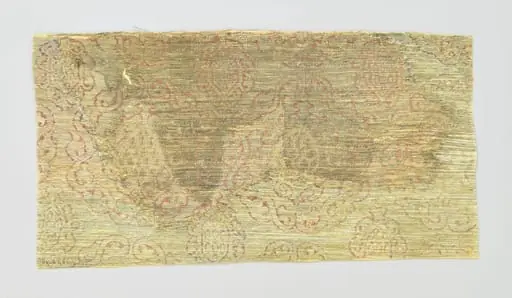 Untitled
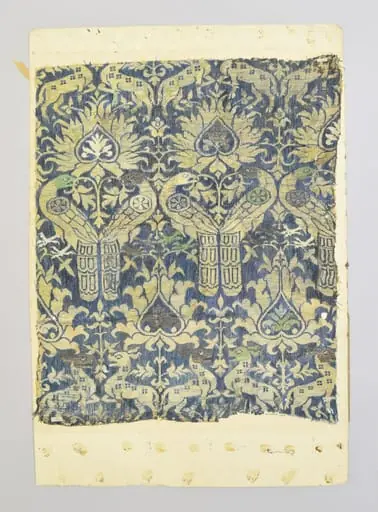 Untitled
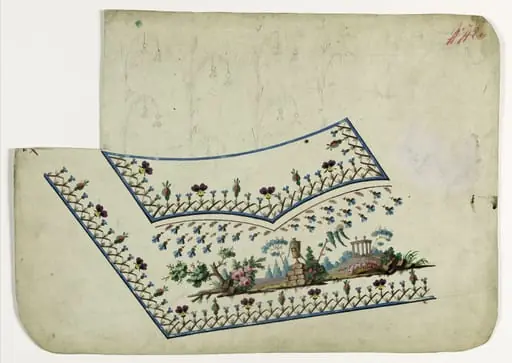 Paysage avec urne et ruine antique, projets de broderies de gilet, XVIIIème siècle
 Panel
Panel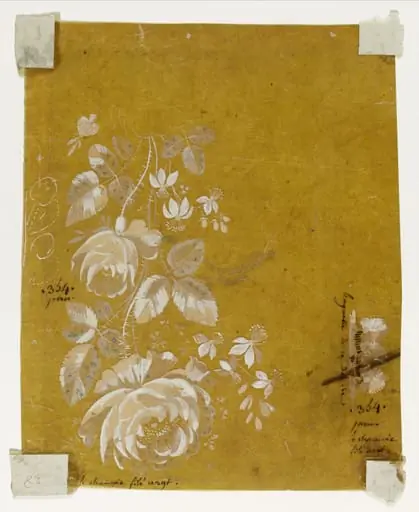 Bouquet de roses blanches pour étoffe, projets de broderies de gilet, XVIIIème siècle
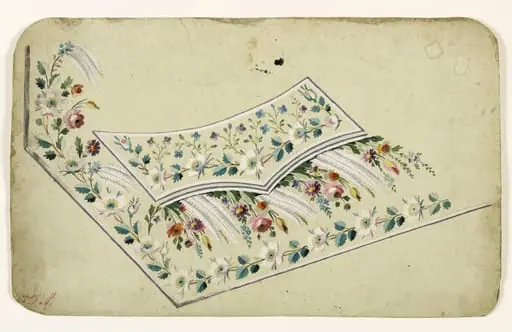 Composition de fleurs multicolores et de feuilles blanches et frises de fleurs de poirier, projets de broderies de gilet, XVIIIème siècle
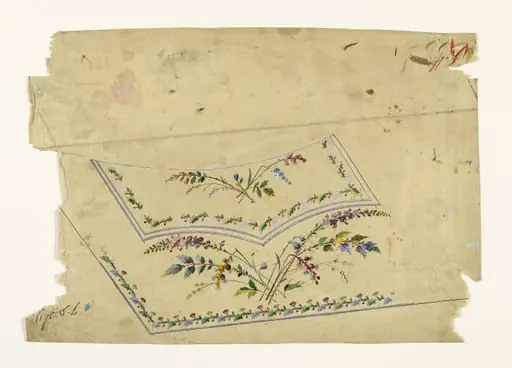 Composition avec brins de fleurs champêtres et guirlandes de feuilles et de fleurs, projets de broderies de gilet, XVIIIème siècle
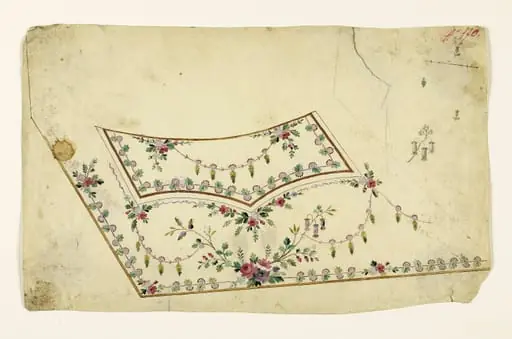 Composition avec bouquet de fleurs, guirlandes et frises de feuilles et de fleurs stylisées, projets de broderies de gilet, XVIIIème siècle