Artwork
Head of a Woman (Beatrice)
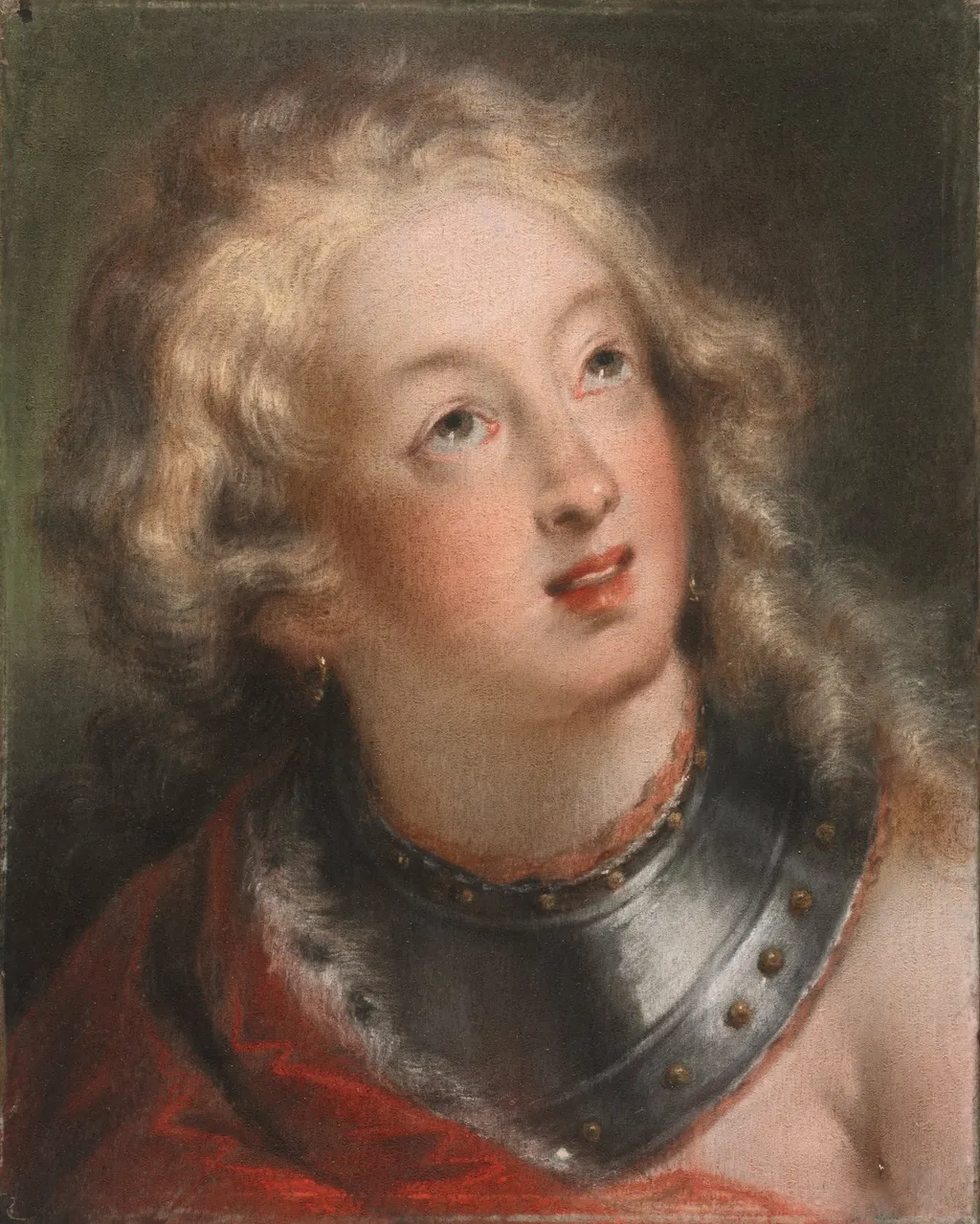
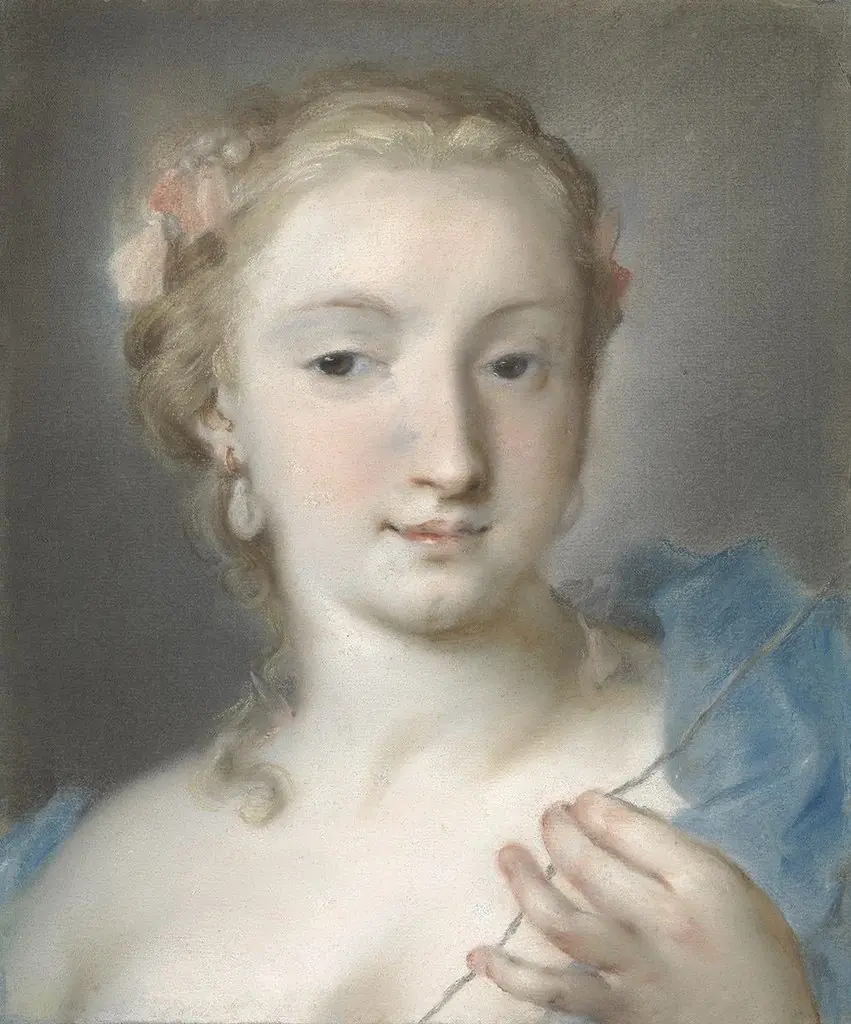
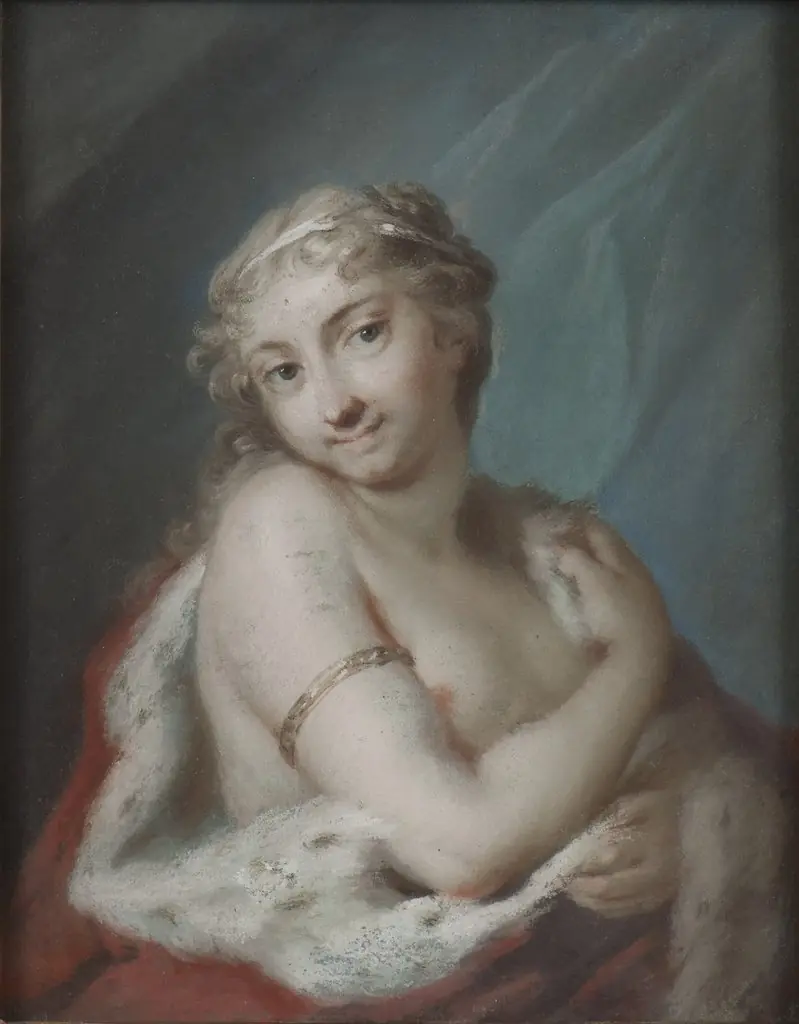
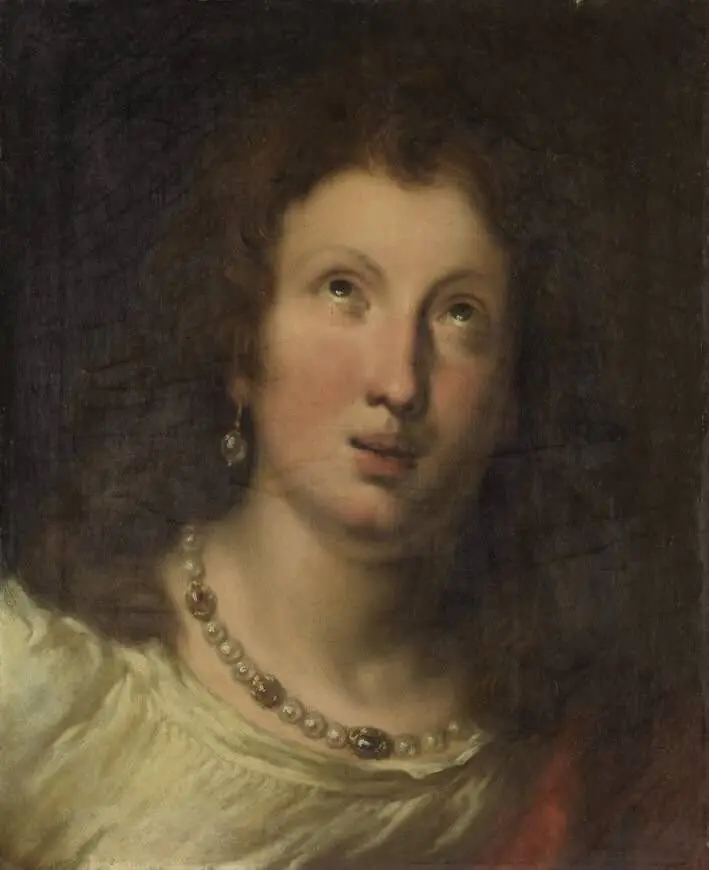
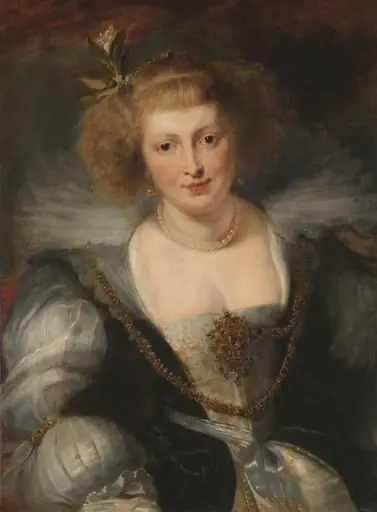
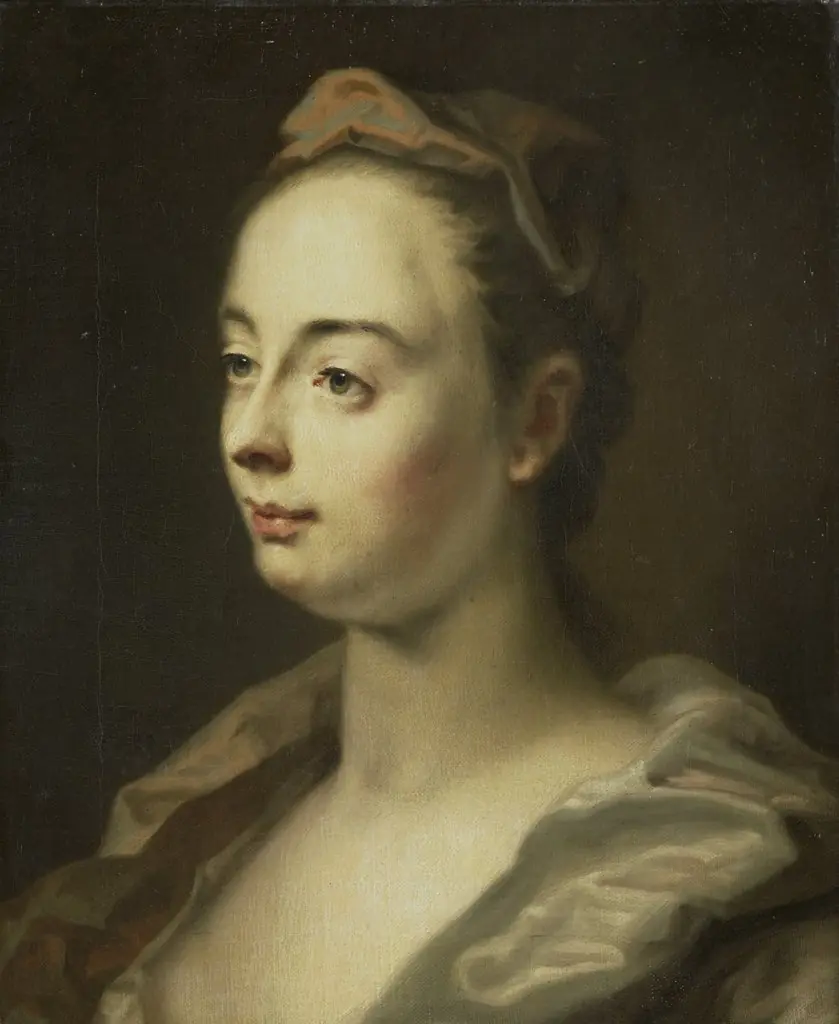
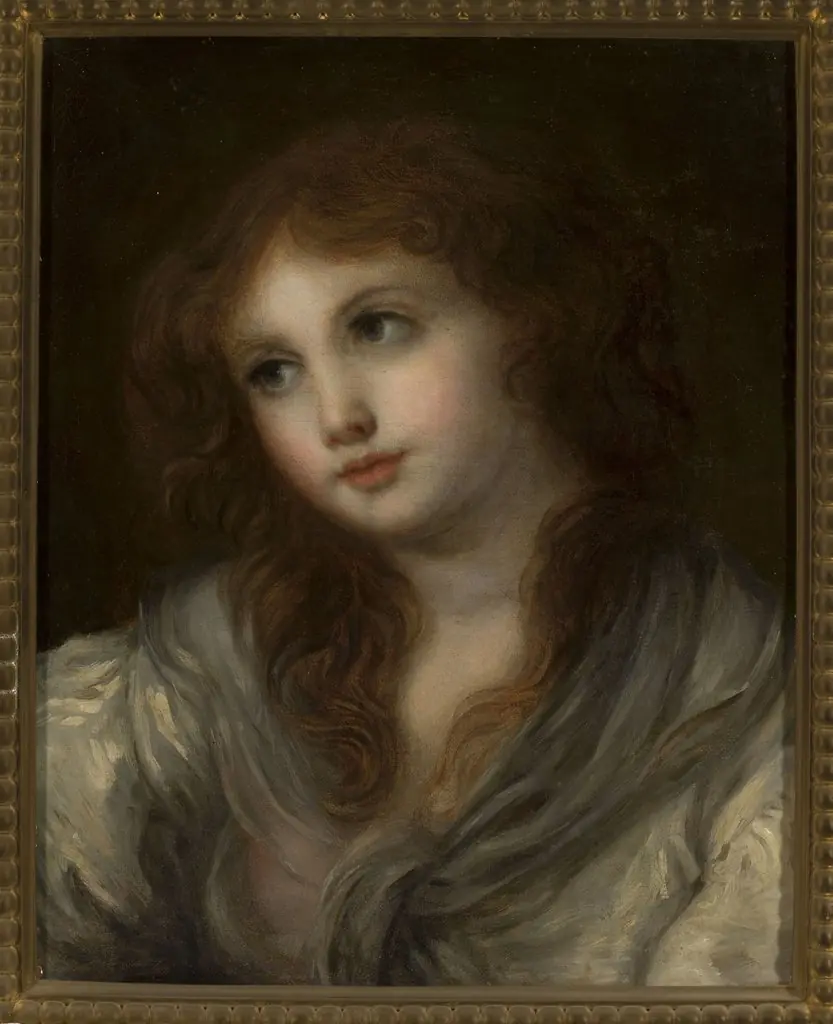
Head of a Woman (Beatrice) is a drawing by the Baroque artist Rosalba Carriera. It dates from 1726 and is held in the collection of the Cleveland Museum of Art.
About this work
Overview
The piece exemplifies her shift from miniature painting to larger-scale portraits, capturing subtle human presence with quiet precision.
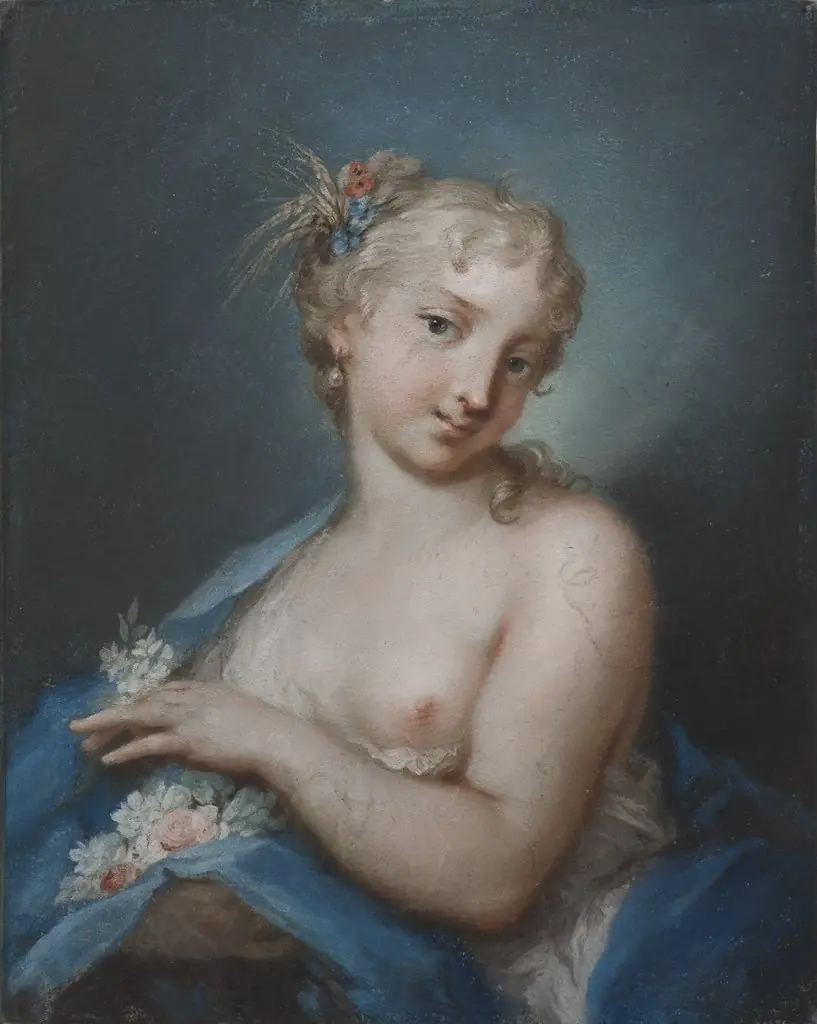
Created in 1726, this pastel drawing by Rosalba Carriera depicts a woman identified as Beatrice. Carriera, an Italian artist instrumental in elevating pastel as a serious medium, produced this work during the height of her career. The piece exemplifies her shift from miniature painting to larger-scale portraits, capturing subtle human presence with quiet precision. It resides today in the Cleveland Museum of Art.
Subject & Meaning
The subject, likely a named individual named Beatrice, is rendered with personal intimacy rather than formal grandeur. Her gaze is soft, her expression unposed, suggesting a private moment rather than a public portrait. The modest attire—a dark collar with gold buttons and a red undergarment—hints at refined taste without ostentation, reinforcing the work’s emphasis on quiet dignity over social display.
Technique & Style
Carriera employed delicate layers of pastel to achieve a luminous skin tone and soft texture in the hair. Subtle gradations of light and shadow, particularly along the cheek and neck, create a gentle glow, drawing attention to the face. The dark background isolates the figure, enhancing the three-dimensionality of her form. This use of chiaroscuro reflects her mastery of tonal contrast without dramatic intensity.
History & Provenance
The drawing entered the Cleveland Museum of Art’s collection through established channels, though its early ownership remains undocumented. It was likely acquired in the 18th or 19th century as interest in Carriera’s work grew across Europe. Its preservation in good condition reflects its careful handling and recognition as a significant example of Rococo portraiture.
Context
In early 18th-century Europe, pastel portraits became favored among aristocratic patrons for their immediacy and softness. Carriera’s work aligned with this trend, offering an alternative to oil painting’s formality. Her focus on intimate, lifelike expressions resonated with Rococo sensibilities, where elegance and emotional subtlety replaced grandeur. This piece reflects a broader cultural shift toward personal, private portraiture.
Legacy
Carriera’s influence extended beyond her lifetime, inspiring generations of pastel artists across France and Italy. Her ability to convey character through delicate color and light set a standard for portrait drawing. While not widely known today, her technical innovations helped legitimize pastel as a medium worthy of serious artistic attention in academic circles.
Artist & collection
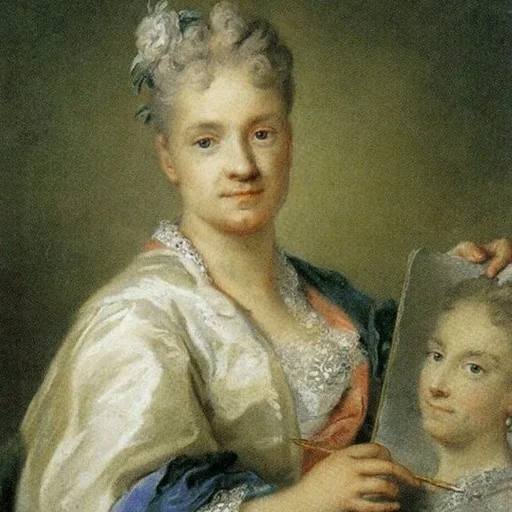
Artist
Rosalba Carriera (12 January 1673 – 15 April 1757) was an Italian Rococo painter.