Artwork
Vas de formă bitronconică cu buza supraînălțată și profilată. Smălțuit la exterior cu porțiuni maride smalț sărit. Acesta se mai păstrează insular pe buza și pe o zonă parțială de pe diametrul maxim al vasului. De asemnea se identifică parțial smalțul pe toarta semicurbată a vasului. Prezintă scurgeri de smalț dinspre buză spre diametrul maxim. Spre gura vasului se identifică reminiscențele unui registru decorativ geometric descris de o linie vălurită încadrată de două linii paralele. Cromatică: maroniu deschis; verde; alb
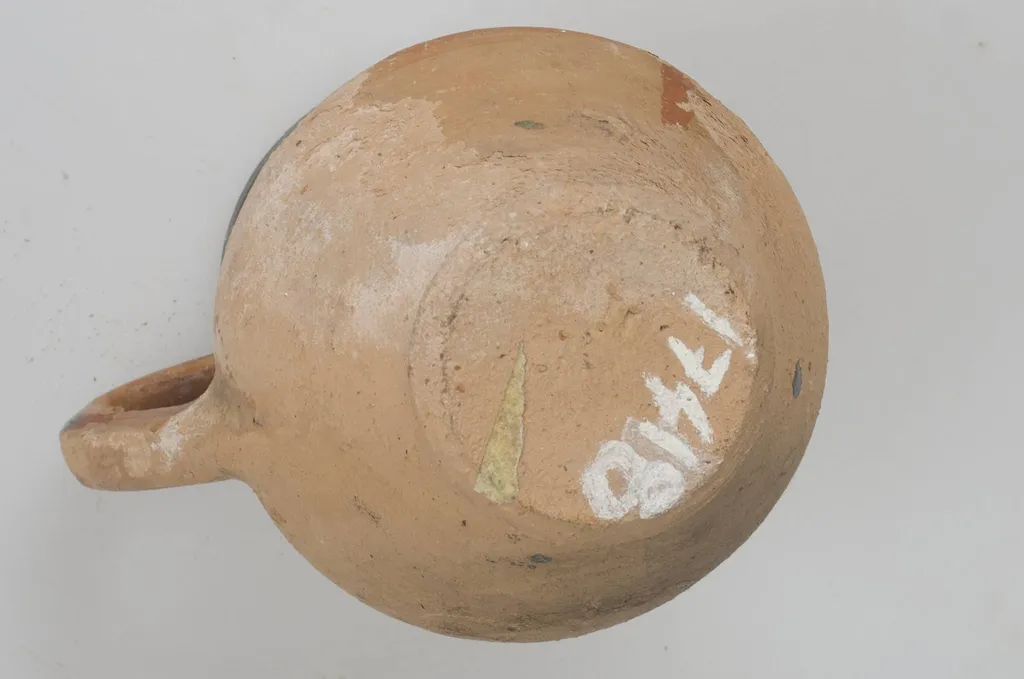
Vas de formă bitronconică cu buza supraînălțată și profilată. Smălțuit la exterior cu porțiuni maride smalț sărit. Acesta se mai păstrează insular pe buza și pe o zonă parțială de pe diametrul maxim al vasului. De asemnea se identifică parțial smalțul pe toarta semicurbată a vasului. Prezintă scurgeri de smalț dinspre buză spre diametrul maxim. Spre gura vasului se identifică reminiscențele unui registru decorativ geometric descris de o linie vălurită încadrată de două linii paralele. Cromatică: maroniu deschis; verde; alb is a photography by Rovența Dumitrașcu Vasile. It is held in the collection of the ASTRA National Museum Complex. This clay vessel features a double-conical form with a raised, profiled rim.
About this work
Overview
This clay vessel features a double-conical form with a raised, profiled rim. Its exterior was once coated in glaze, though most has flaked away, leaving only fragments on the upper lip, the widest diameter, and part of the curved shoulder. Glaze runoff is visible, tracing downward from the rim. The surface shows signs of age, including cracks and chips, suggesting prolonged use or burial.
Subject & Meaning
The vessel’s form and surviving decorative traces suggest a utilitarian or ceremonial function, common in regional ceramic traditions. The faint geometric band near the rim—defined by a wavy line flanked by parallel grooves—hints at symbolic or cultural coding, possibly denoting ownership, ritual use, or group affiliation, though its precise meaning remains unconfirmed.
Technique & Style
Crafted from coarsely tempered clay, the vessel was shaped on a wheel and fired in a low-temperature kiln. The glaze, applied unevenly, was likely lead-based and fired in a reducing atmosphere, yielding muted tones of light brown, green, and white. The irregular glaze retention and drips reflect hand-applied methods and variable kiln conditions typical of pre-industrial production.
History & Provenance
No documented excavation or collection history accompanies this object. Its material and stylistic traits align with medieval or early modern ceramics from the Carpathian region, possibly linked to local workshops active between the 12th and 16th centuries. The absence of inscriptions or distinctive markers limits precise attribution.
Context
Similar vessels appear in archaeological reports from rural settlements and burial sites in Eastern Europe, often associated with domestic storage or ritual offerings. The persistence of double-conical forms across centuries suggests enduring functional preferences, while glaze application varied by access to materials and technical knowledge among regional potters.
Legacy
Though not attributed to a named artisan, this vessel contributes to broader studies of vernacular ceramic traditions. Modern scholars, including Rovența Dumitrașcu Vasile, have documented comparable forms to reconstruct regional craft lineages. Its fragmented state underscores the fragility of everyday objects in the archaeological record and their value as cultural indicators.
Artist & collection
Artist
These clay vessels show hand-built pots with geometric and plant designs painted before firing.

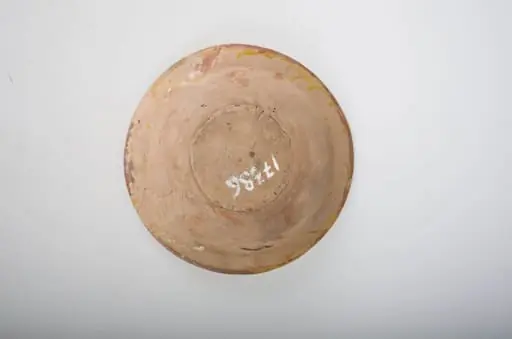 Vas din lut de formă tronconică, cu gura mai largă decât baza și smălțuită la interior. Ornamentată cu motive geometrice și vegetale în felul următor: pe fundul vasului este pictată cu pensula o crenguță cu frunze, împrejmuită în continuare spre pereții vasului de o spirală. Tot aici, este pictat cu negru, litera ”F” și ”R”. Pe marginea vasului, sunt flori dispuse circular cu tulpini și frunze mari, având petalele rotunde, bicolore. Prezintă uzură funcțională. Cromatică: fundal cărămiziu; motive: galben; negru.
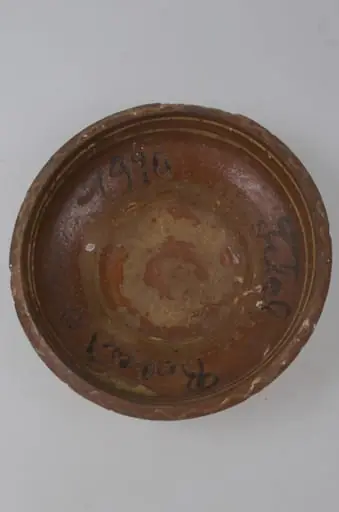 Vasul de tip strachină este lucrat la roata olarului având formă tronconică, pereții adânciți, buza evazată și fundul plat. Acesta este smălțuit pe interior și prezintă scurgeri de smalț pe pereții exteriori ai vasului. Motivele decorative sunt dispuse pe pereții interiori ai vasului și pe buza vasului fiind atât motive floral vegetale stilizate cât și motive geometrice: cercuri concentrice și linia vălurită. De menționat este faptul că motivele fitomorfe sunt dispuse într-un registru delimitat de două cercuri paralele. Cromatică: fundal cărămiziu; motive: alb; maron; crem
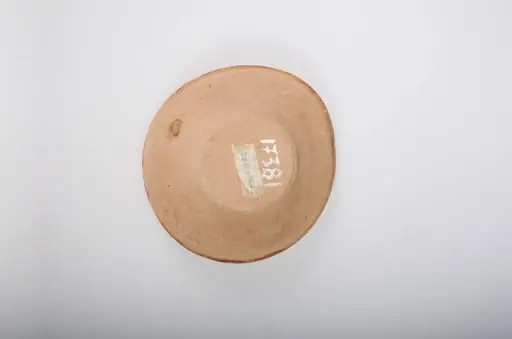 Vasul are forma tronconică, cu gura mai largă decât baza, cu buza dreaptă și înaltă. Din punct de vedere al decorului, acesta este pictat cu linii în formă de spirală, la baza vasului și linii verticale pe pereții supraînălțați. Buza vasului este prevăzută cu o linie șerpuită. Starchina este nesmălțuită. Cromatica vasului se prezintă în felul următor: fond - cărămiziu, motivele fiind redate cu culoarile alb și gri.
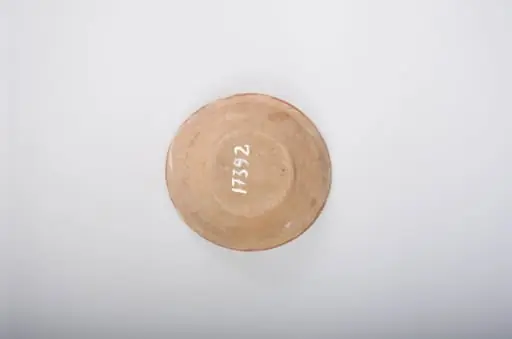 Recipientul are formă tronconică, fiind adâncit, având gura mai largă decât baza, cu buza dreaptă și înaltă. Vasul este decorat prin pictare: un inel pe fundul vasului și linii verticale, concentrice și șerpuite pe pereții vasului. Buza este prevăzută cu o linie șerpuită. Strachina este smălțuită doar la interior. Cromatica se prezintă astfel: fondul este maro în interior și cărămiziu în exterior, motivevele fiind redate cu culoarea galben.
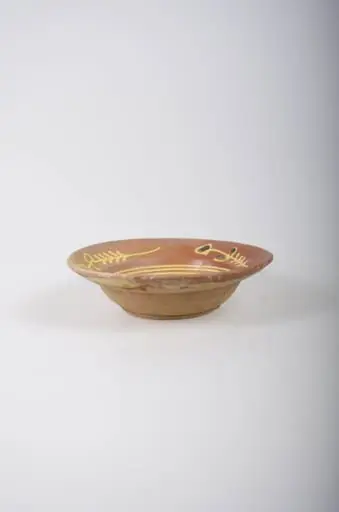 Vasul este realizat din lut și are forma tronconică. Fundul acestuia este plat, iar buza evazată. Obiectul este smalțuit. Decorul este realizat din motive vegetale și geometrice după cum urmează: o spirală și trei crenguțe dispuse pe partea superioară. În interiorul spiralei se află redată o altă crenguță. Cromatica este reprezentată de fond cărămiziu, iar motivele sunt pictate cu culorile verde și galben.
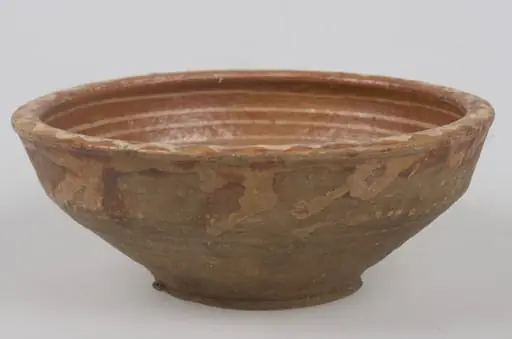 Vasul are forma tronconică cu pereții adânciți și deschidere largă la nivelul gurii. Acesta este smălțuit la interior iar pe pereții exteriori prezintă scurgeri de smalț. Buza acestuia este profilată spre exterior, exteriorul fiind nesmălțuit. Decorul interior este geometric, linia vălurită regăsindu-se pe buza vasului. Pe fundul vasului se întâlnesc două cercuri concentrice. Cromatică: fond: cărămiziu; motive: alb; negru.
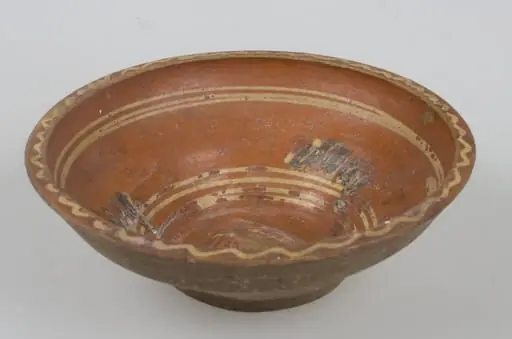 Vasul are formă tronconică cu pereții adânciți și deschidere largă la nivelul gurii. Acesta este smălțuit la interior iar pe pereții exteriori prezintă scurgeri de smalț. Buza acestuia este profilată spre exterior, exteriorul fiind nesmălțuit. Decorul interior este geometric, linia vălurită regăsindu-se pe buza vasului. Pe fundul vasului se întâlnesc patru cercuri, încadrate de motive vegetale. Cromatica: fond: cărămiziu; motive: galben; negru.
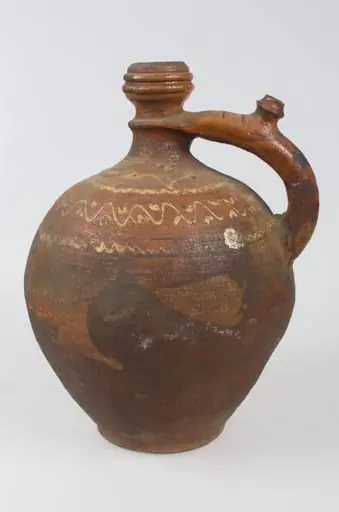 Vas de formă bitronconică prevăzut cun un gât ușor alungit și cu buză pe care se identifică două brâuri profilate. Pe toarta de formă semicirculară se identifică un orificiu pentru consumarea lichidului (”țâță”). Toarta pleacă din zona mediană a orificiului de umplere și se unește cu corpul vasului pe zona diametrului maxim. Vasul prezintă smalț la exterior cu urme de degradare. Decorul se identifică la baza gâtului și constă din motive geometrice: linii curbe, brâuri și motive vegetale. Cromatică: fond: cărămiziu: motive: crem; maron închis
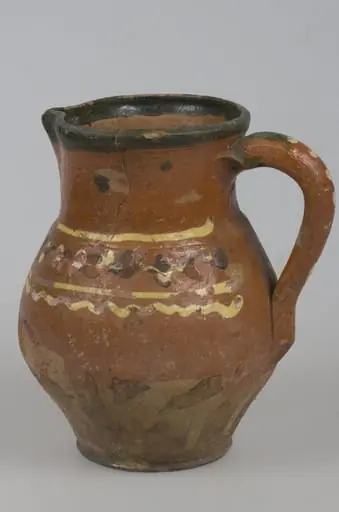 Vas de lut de mici dimensiuni, bombat, cu gât lung și puțin evazat, cu gură largă și cioc de scurgere. Toarta pornește de sub gură și coboară până în zona diametrului maxim al vasului. Este smălțuit în interior și exterior. Decorul dispus pe umărul vasului este format din: motive florale: o cunună din frunze încadrată de motive geometrice: o linie circulară în partea superioară și o linie circulară și una în val în partea inferioară. Buza vasului este vopsită în interior și exterior. Toarta este decorată cu puncte de culoare albă. Cromatică: fond: cărămiziu; motive: alb; verde; negru.
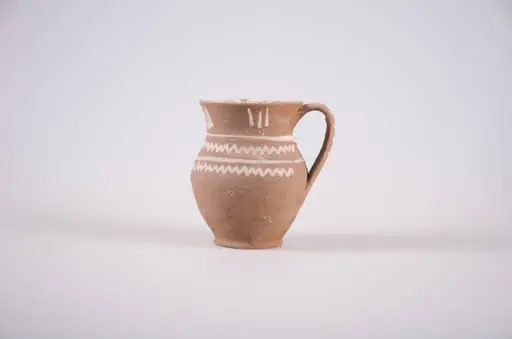 Recipient bitronconic cu gura largă. Are o toartă laterală care pleacă din buză până la diametrul maxim al vasului. Decor cu motive geometrice pe partea superioară a vasului și pe toartă: linii paralele, doua cercuri, linii ondulate. Cromatică: fond: cărămiziu; motive din angobă albă. Vasul este nesmălțuit.
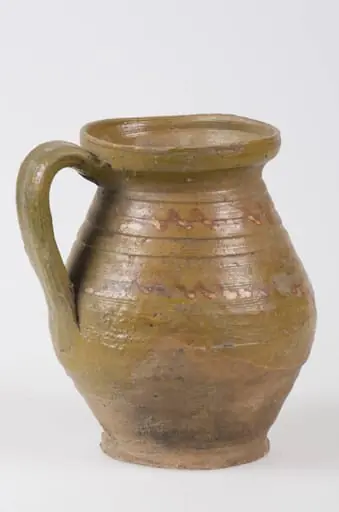 Vas bitronconic cu gât scurt și foarte profilat, cu gura înaltă și dreaptă. Prezintă o toartă care pleacă de sub buză și se unește cu corpul sub zona diametrului maxim. Este smălțuit în interior și la exterior (parțial nesmălțuit în partea de jos). În partea superioară prezintă un decor geometric realizat din cinci linii incizate și două linii în val pictate. Toarta este decorată cu puncte. Cromatică: fond: cărămiziu și pe alocuri verziu; motive: alb; maroniu. Prezintă uzură funcțională.
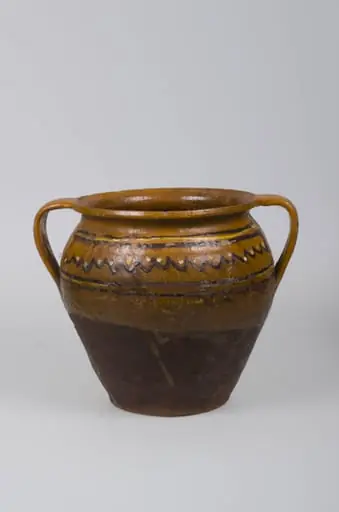 Vasul are formă bitronconică, prevăzut cu două toarte dispuse vertical în opoziție una față de cealalltă. Gâtul foarte profilat și buza evazată. Toartele pornesc din buza vasului și se unesc cu corpul în zona diametrului vasului, fiind aplatizate. Oala are urme de ardere secundară; este smălțuită în interior și în exterior (doar jumătatea superioară). Este folosită atât la pregătirea hranei cât și pentru păstrarea alimentelor și pentru transportul hranei la câmp. Oala este decorată pe umăr cu motive geometrice: linii drepte, linie în val, puncte. Cromatică cărămiziu; galben; maro închis.
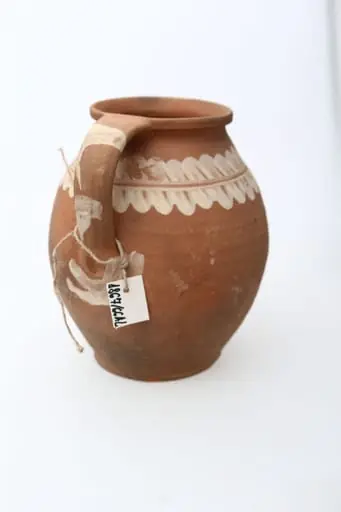 Recipient din lut nesmălțuit, de formă bitronconică, având gât îngust, gura ușor răsfrântă și buza dreaptă. Prevăzut cu o toartă lată și arcuită fixată la buză și la mijlocul vasului. Decorat cu degetul pe umeri cu motive zoomorfe (dintele de lup), și pe toartă cu motive geometrice neregulate. Decorat cu pastă de angobă, albă. Se folosește la fiertul mâncării pe vatră liberă în familii mai puțin numeroase. Cromatică:fundal cărămiziu,motive: alb.