Artwork
Viehräuber. Studie
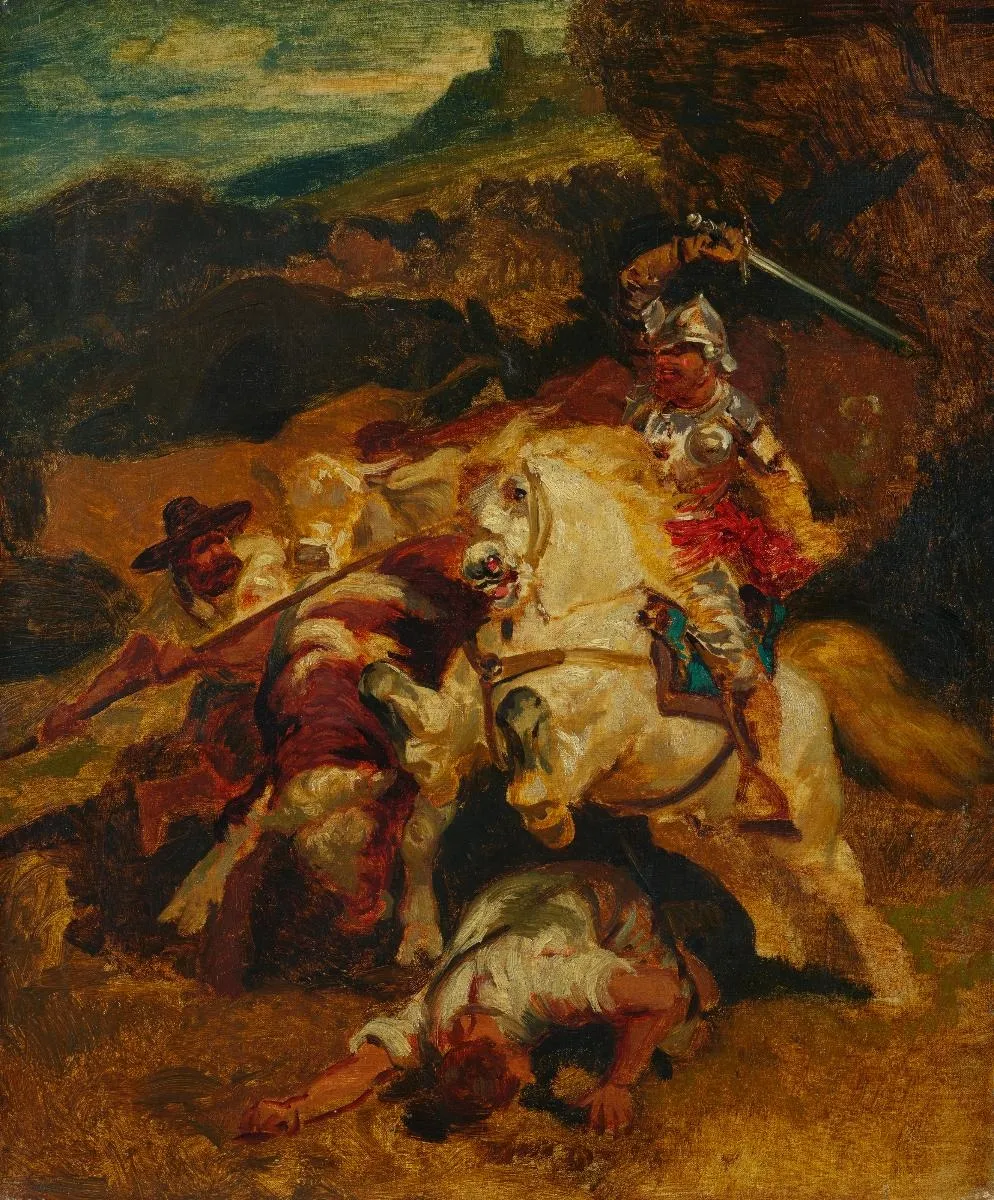
Viehräuber. Studie is an oil painting by the Realist artist Rudolf Koller. It dates from 1862 and is held in the collection of the Kunsthaus Zürich.
About this work
Overview
This study reflects his interest in dynamic human-animal interactions and is part of the Kunsthaus Zürich’s permanent collection.
Rudolf Koller painted *Viehräuber. Studie* in 1862 using oil on canvas. The work is a preparatory study, likely intended to explore composition and movement before a larger finished piece. Koller, a Swiss artist associated with the Düsseldorf school, focused on animals and rural life with a realist approach. This study reflects his interest in dynamic human-animal interactions and is part of the Kunsthaus Zürich’s permanent collection.
Subject & Meaning
The scene portrays a mounted figure in armor charging toward a group on foot, suggesting a moment of violent confrontation. The central rider, dressed in red and white, appears aggressive, while the figures below seem vulnerable. Though titled 'Cattle Thief,' the imagery leans toward a broader theme of rural conflict rather than a literal depiction of livestock theft. The tension between power and helplessness anchors the narrative without clear moral resolution.
Technique & Style
Koller employed bold, energetic brushwork to convey motion and urgency, with thick impasto in the rider’s clothing and the rocky terrain. Contrasts of light and shadow, influenced by Courbet and Corot, heighten the drama. The palette is restrained yet vivid—deep reds, earthy tones, and a pale sky—creating emotional weight without theatricality. The composition directs the eye along the rider’s trajectory, emphasizing kinetic force over detail.
History & Provenance
Created in 1862, the painting remained in Swiss hands and entered the Kunsthaus Zürich’s collection in the 20th century. It was not exhibited widely during Koller’s lifetime but gained recognition as part of his broader study of rural Swiss life. As a preparatory work, it reveals his process: sketches and studies were often refined into larger compositions, though this one stands as a complete expression of his stylistic concerns.
Context
Koller worked during a period when Swiss art was moving away from idealized landscapes toward scenes of everyday life. His focus on animals and rural conflict aligned with broader European realist trends, though he avoided overt political commentary. Unlike German Romanticism’s dramatization of nature, Koller’s approach was grounded in observation, reflecting a quiet but persistent interest in the tensions of rural society.
Legacy
Koller is remembered as Switzerland’s leading animal painter of the 19th century, and *Viehräuber. Studie* exemplifies his ability to merge narrative tension with naturalistic detail. While not as widely known internationally, his studies influenced later Swiss realists. The work remains a key reference for understanding how Swiss artists engaged with realism without abandoning local subject matter or emotional restraint.
Artist & collection
Artist
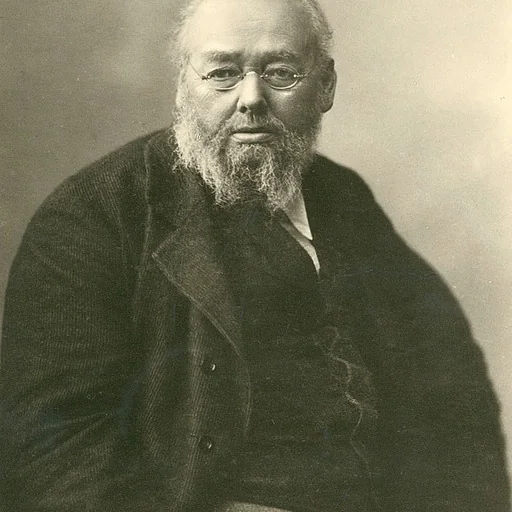
Rudolf Koller (21 May 1828 – 5 January 1905) was a Swiss painter. He is associated with a realist and classicist style, and also with the essentially romantic Düsseldorf school of painting. Koller's style is similar to…

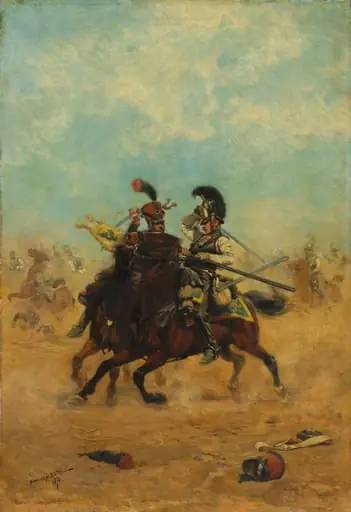 Combat for the Colors
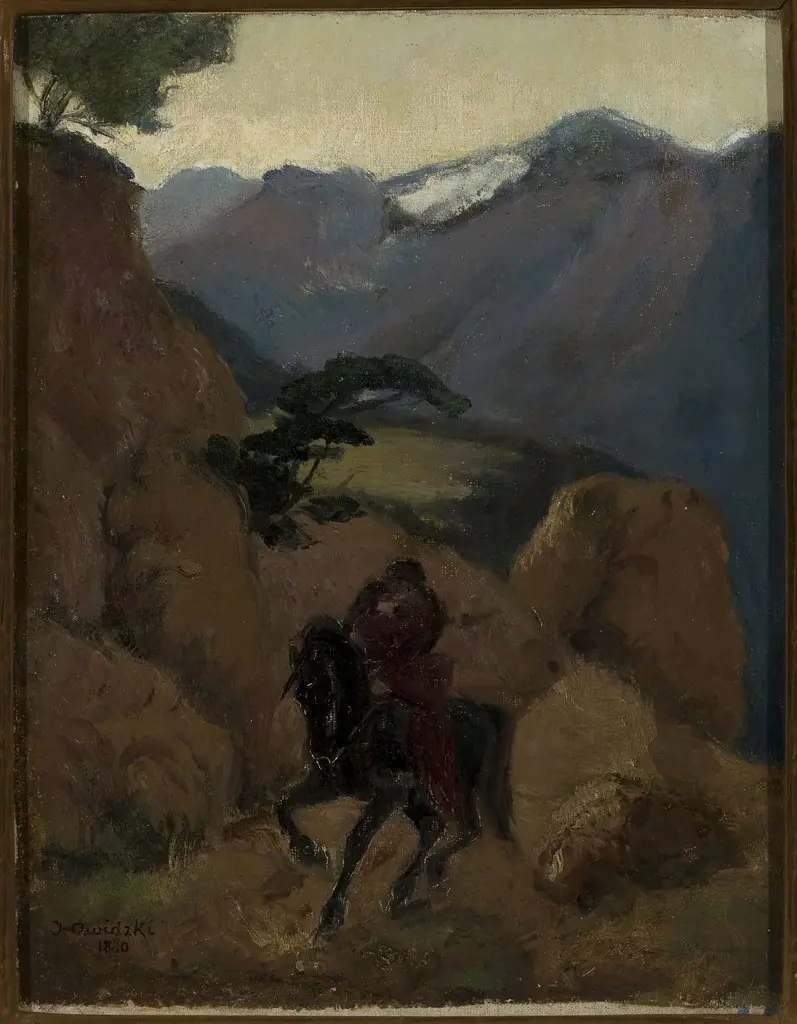 Abduction scene
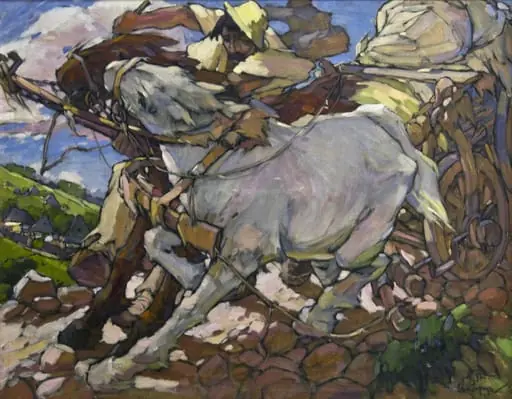 Căruță cu cai
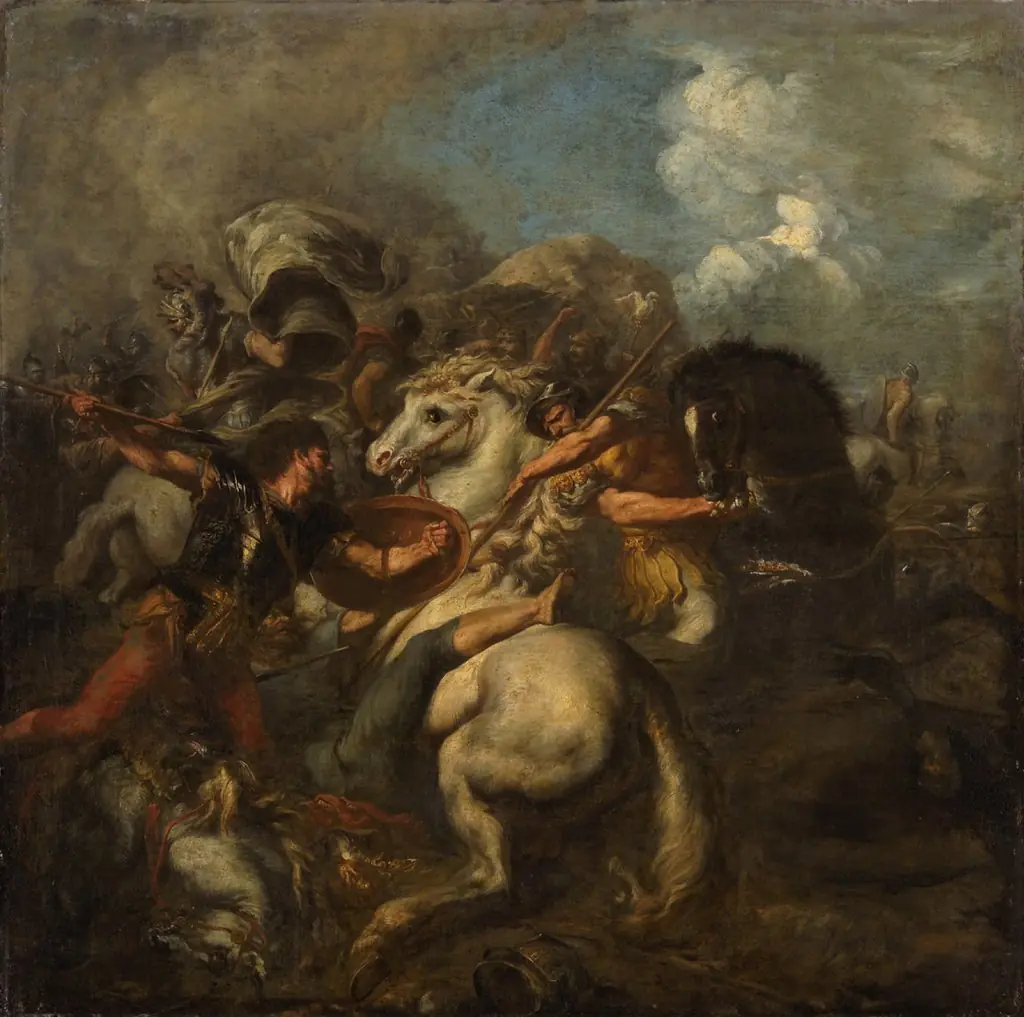 Reiterschlacht
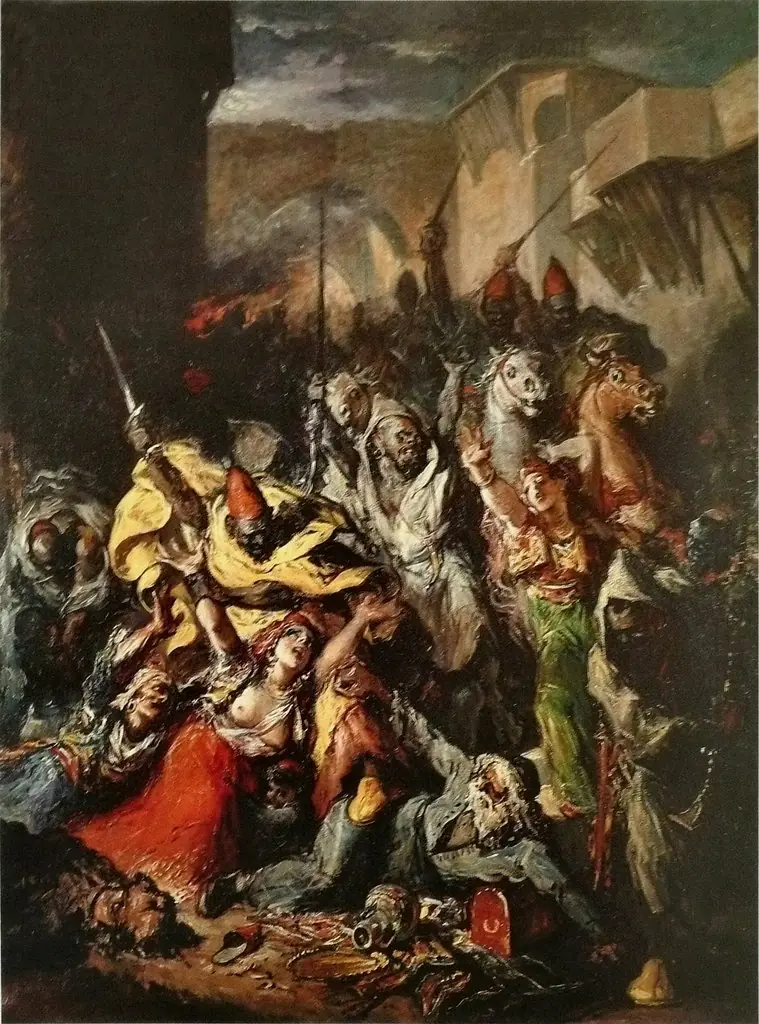 Asalto de moros a un barrio judío
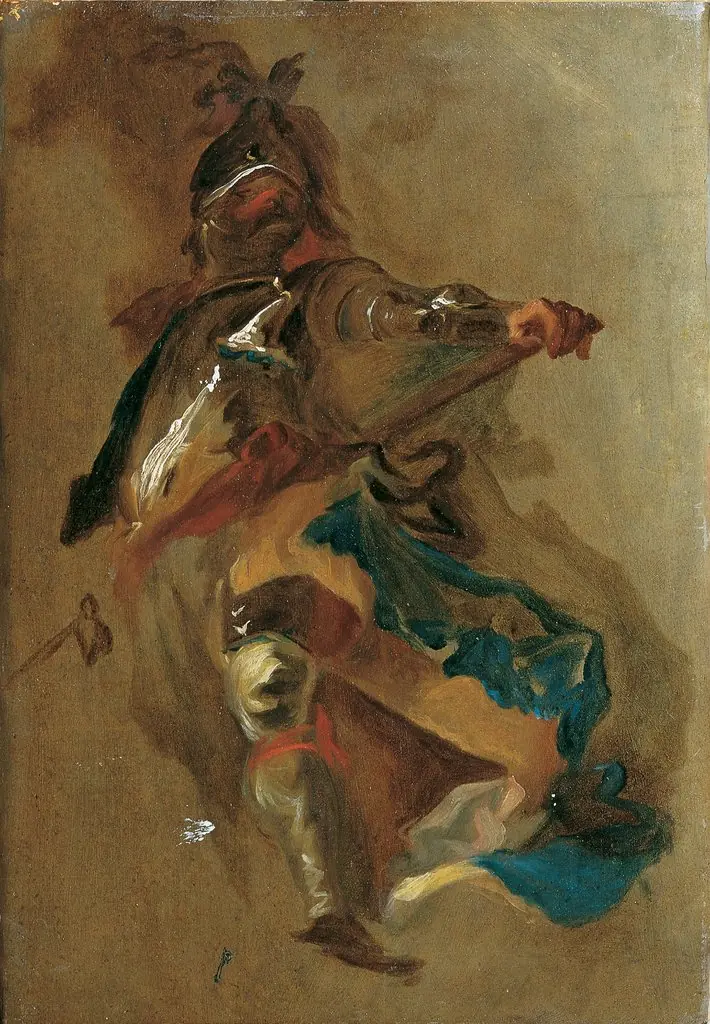 Standing Fieldman
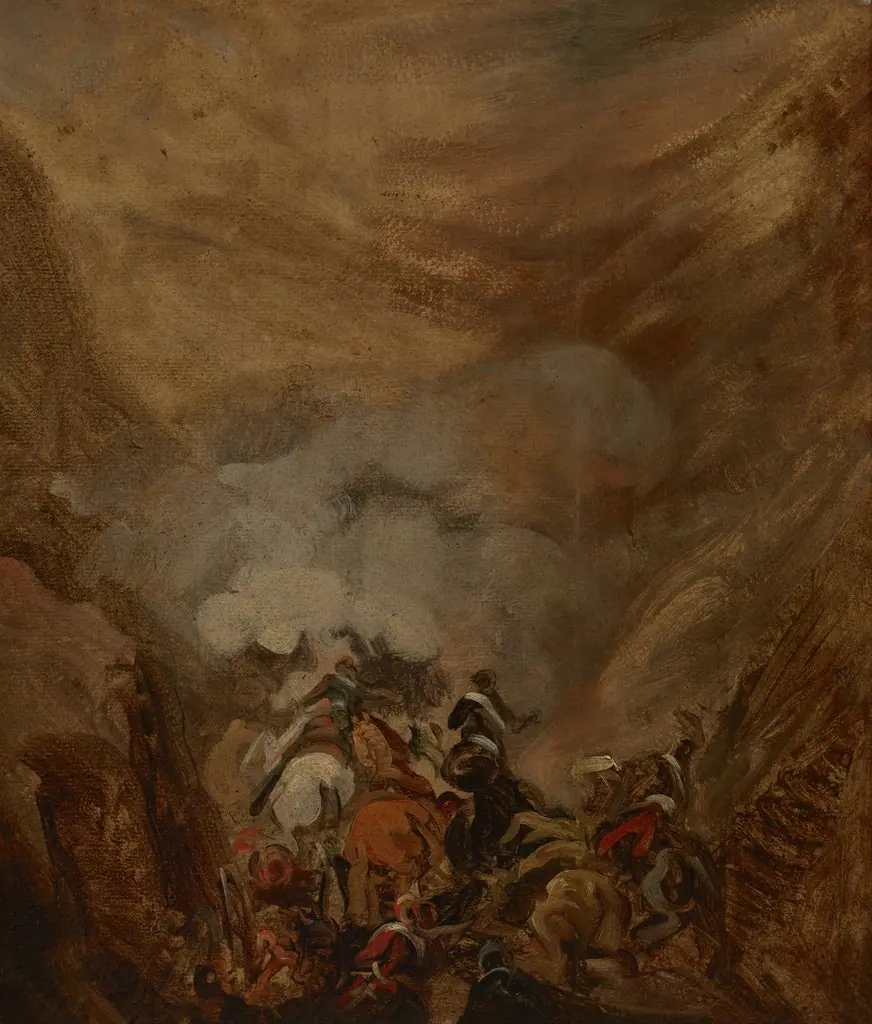 Charge in the Gorge of Somosierra
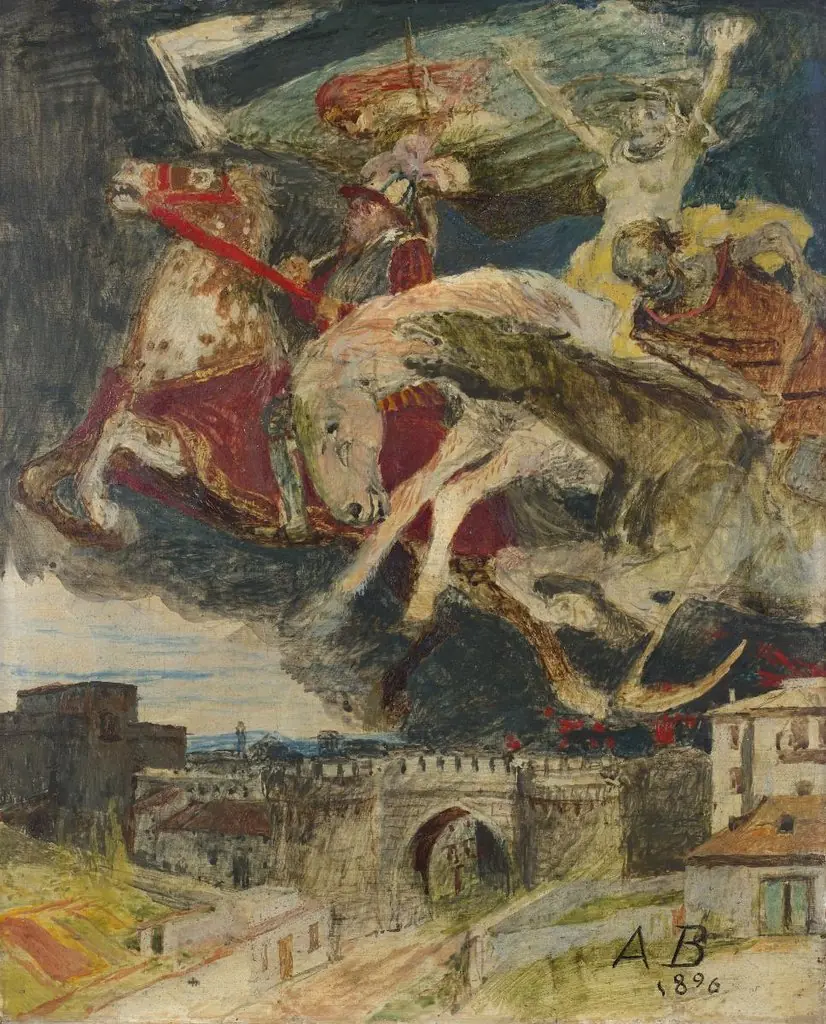 Der Krieg. Farbskizze
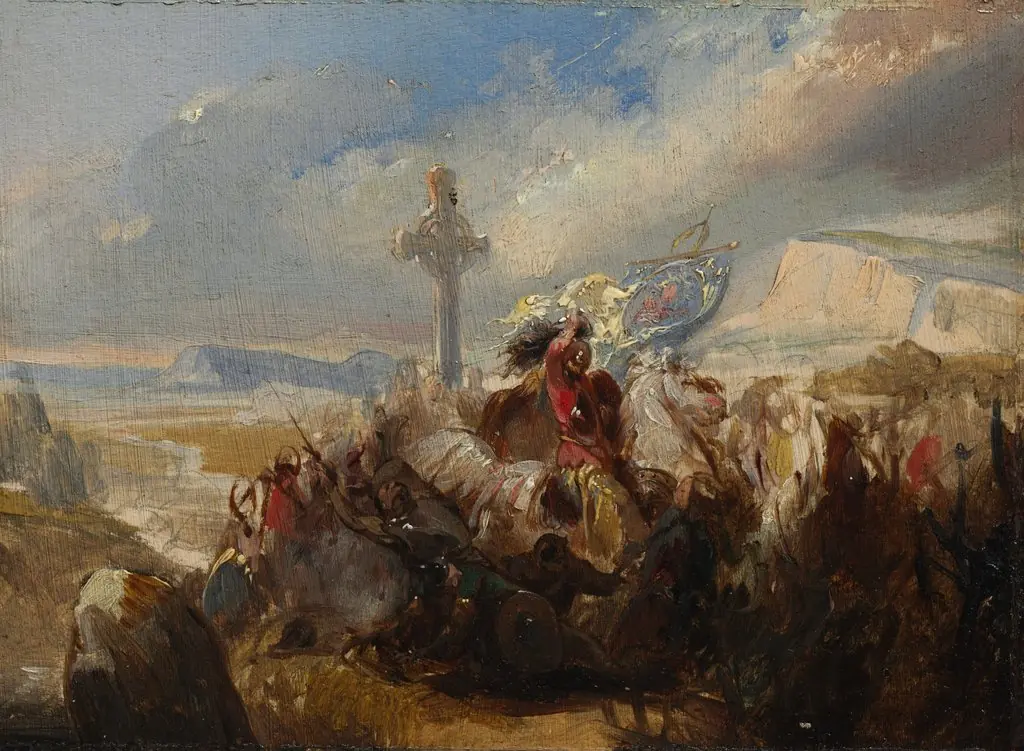 Battle of Poitiers, 25 October 732
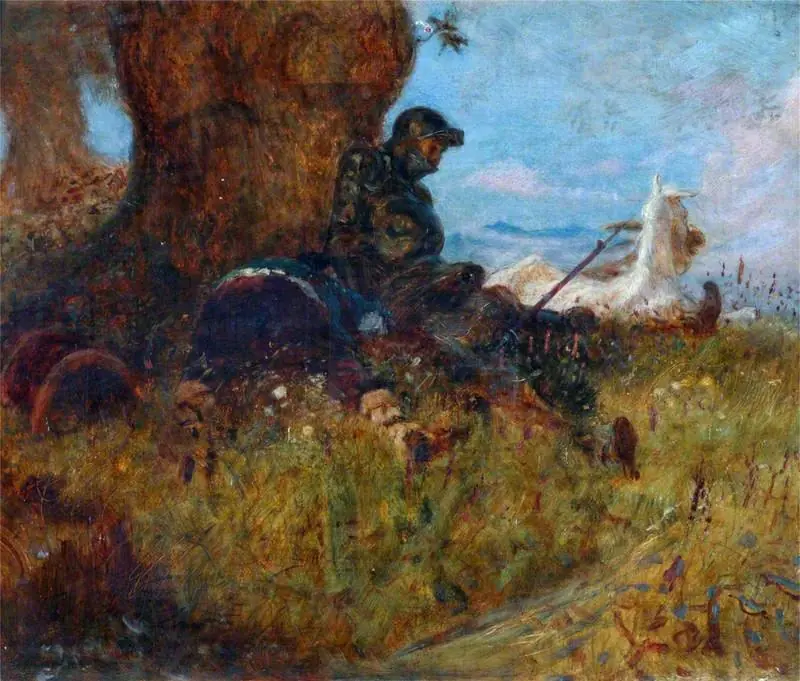 Don Quixote and Rosinante Reposing under a Tree (from Cervantes' novel)
 Kościuszko at Racławice, sketch
 Proezas de Reinaldo frente a los egipcios