Artwork
Standing Fieldman
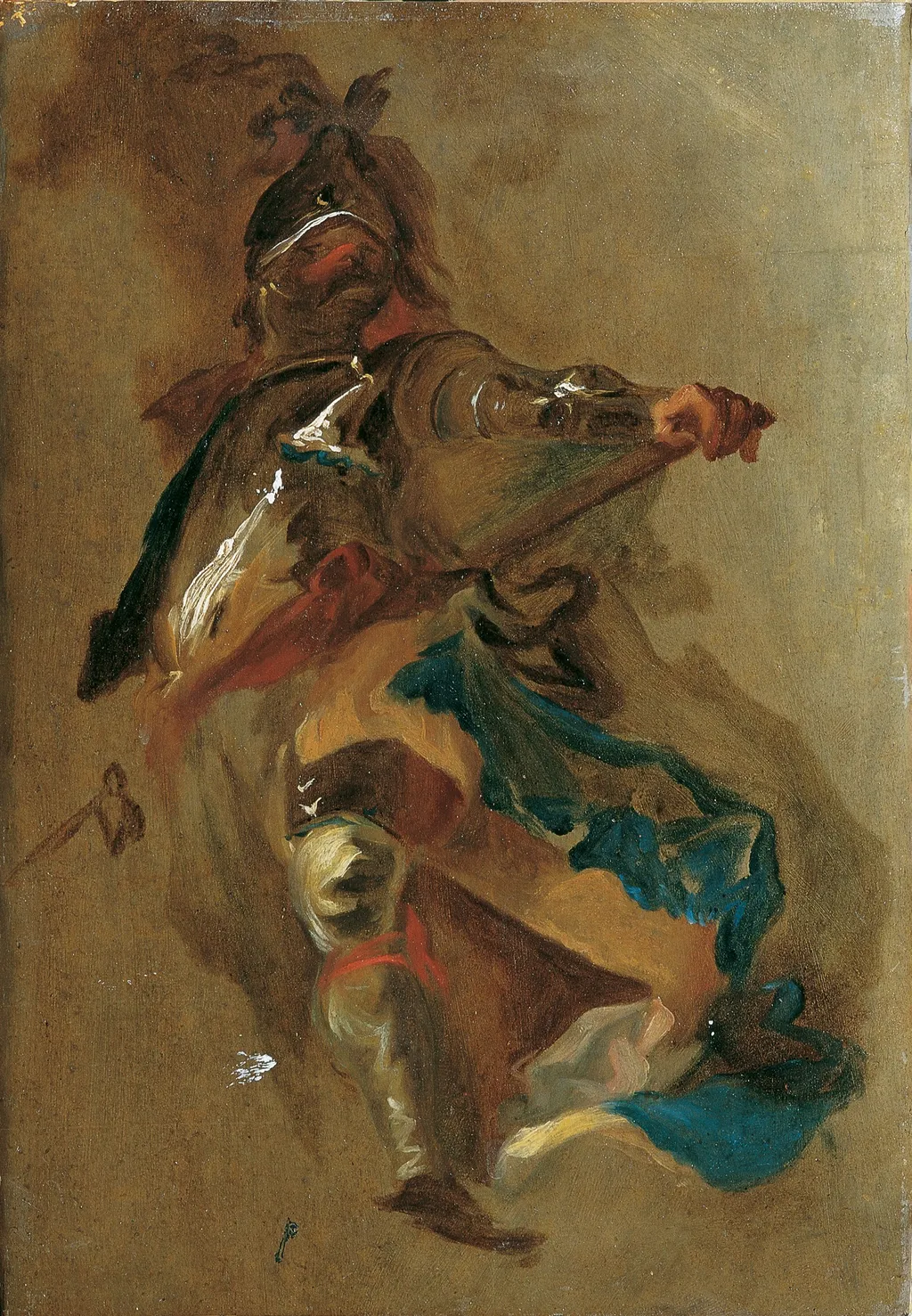
Standing Fieldman is an unspecified painting by the Rococo painting artist Franz Anton Maulbertsch. It dates from 1758 and is held in the collection of the Kunsthistorisches Museum.
About this work
Overview
The painting resides in the Kunsthistorisches Museum in Vienna, part of a broader collection of 18th-century Austrian art.
Painted in 1758 by Austrian artist Franz Anton Maulbertsch, *Standing Fieldman* is an oil on canvas work that exemplifies the late Rococo sensibility in Central European painting. Though primarily known for large-scale frescoes, Maulbertsch applied his decorative precision to smaller panel works like this one, capturing everyday figures with theatrical grace. The painting resides in the Kunsthistorisches Museum in Vienna, part of a broader collection of 18th-century Austrian art.
Subject & Meaning
The figure depicted is a rural laborer, rendered with dignified stillness amid ornamental detail. His posture and attire suggest agricultural work, yet the composition elevates him beyond mere genre scene. Maulbertsch avoids caricature, instead infusing the subject with a quiet monumentality, aligning with Rococo’s tendency to blend the ordinary with refined elegance.
Technique & Style
Maulbertsch employed soft modeling and delicate brushwork to render fabric and skin with luminous subtlety. The palette leans on muted earth tones enlivened by brief highlights, echoing Venetian influences. His handling of light and texture reflects training under Paul Troger and exposure to Piazzetta’s atmospheric chiaroscuro, resulting in a tactile, intimate realism within a stylized framework.
History & Provenance
Created during Maulbertsch’s mature period, the painting likely originated as a private commission or study for larger decorative projects. It entered the Habsburg imperial collection in the late 18th century and was later cataloged in the Kunsthistorisches Museum’s founding holdings, preserving its provenance through centuries of Austrian state stewardship.
Context
In mid-18th-century Austria, Rococo aesthetics flourished in ecclesiastical and aristocratic circles, favoring movement and ornament. While Maulbertsch’s frescoes adorned churches and palaces, smaller works like *Standing Fieldman* reveal his interest in secular subjects, bridging courtly refinement with emerging Enlightenment attention to the lives of common people.
Legacy
Though less known than his frescoes, *Standing Fieldman* illustrates Maulbertsch’s versatility and his role in adapting Italianate Rococo traditions to Austrian sensibilities. The painting contributes to understanding how regional artists synthesized broader European styles into localized expressions, influencing later generations of Austrian genre painting.
Own this work as a print
Artist & collection
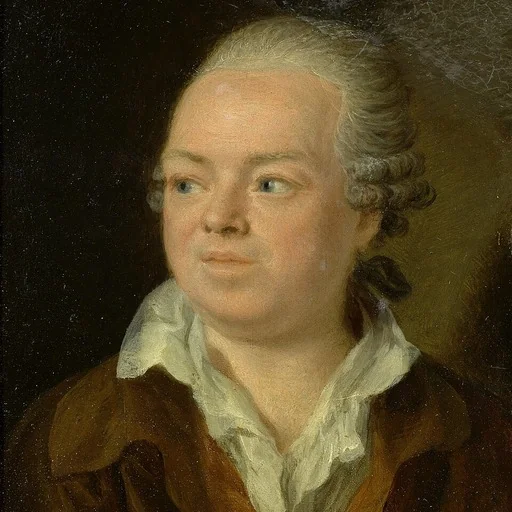
Artist
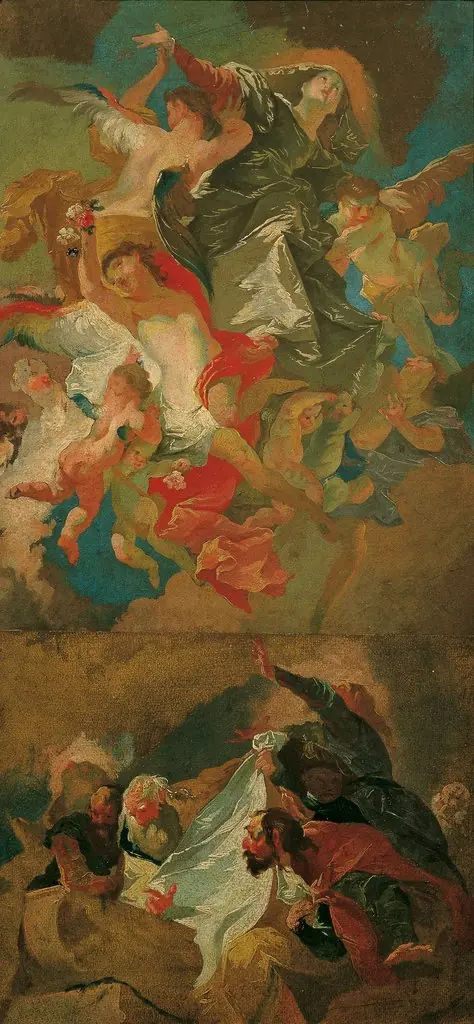
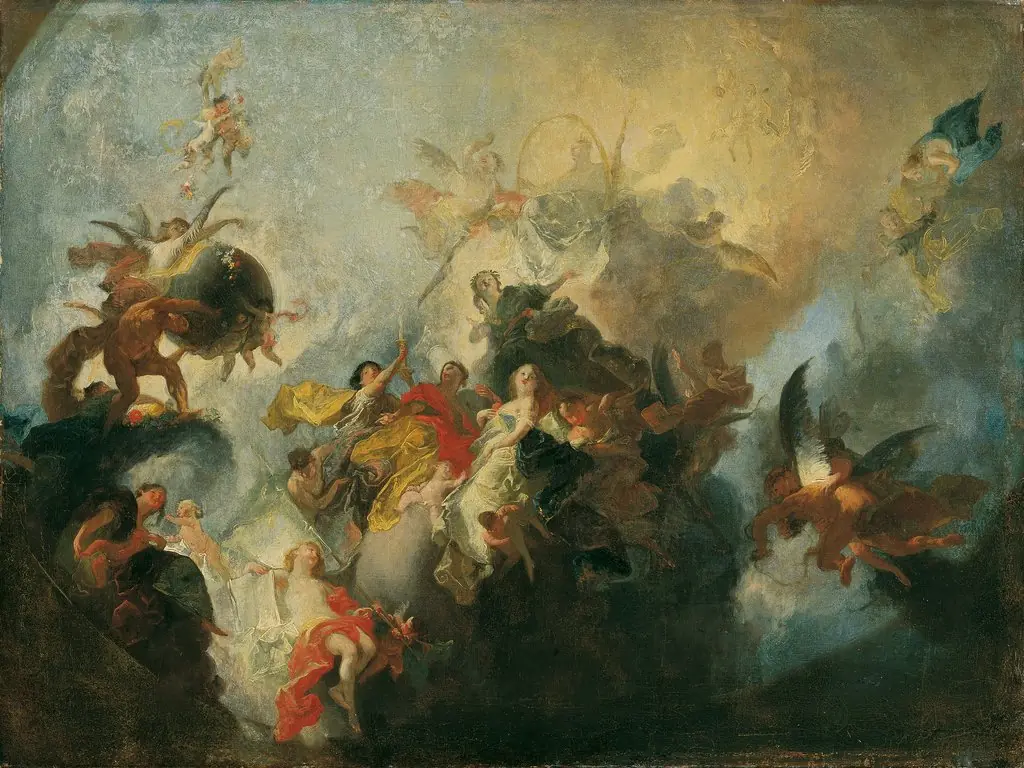
Franz Anton Maulbertsch (7 June 1724 – 8 August 1796) was an Austrian painter and engraver, one of the most renowned exponents of Rococo painting in the German and Hungarian regions.

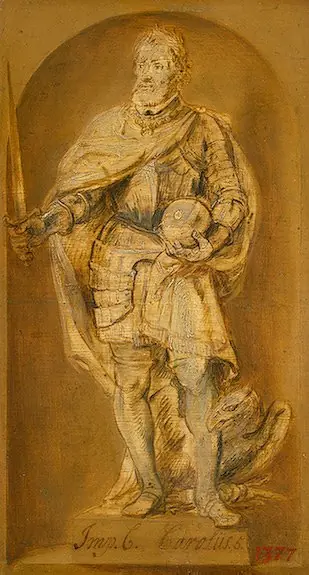 Statue of Charles V in a niche
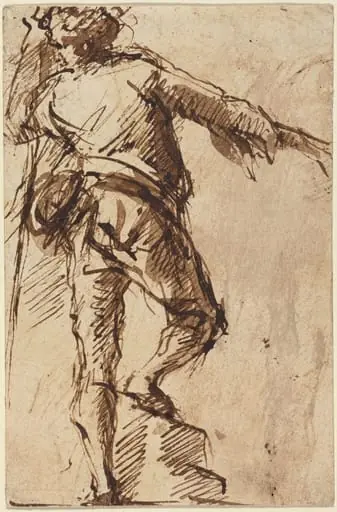 A Young Man with a Staff
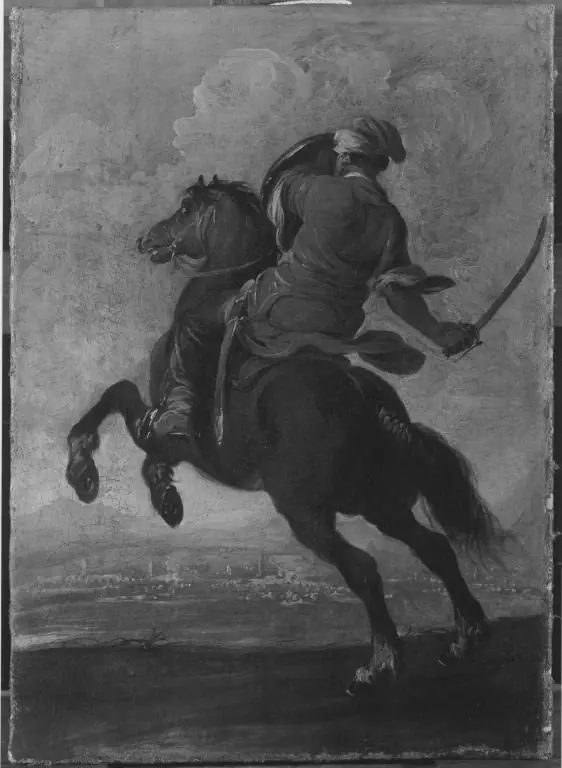 Reiter im Angriff
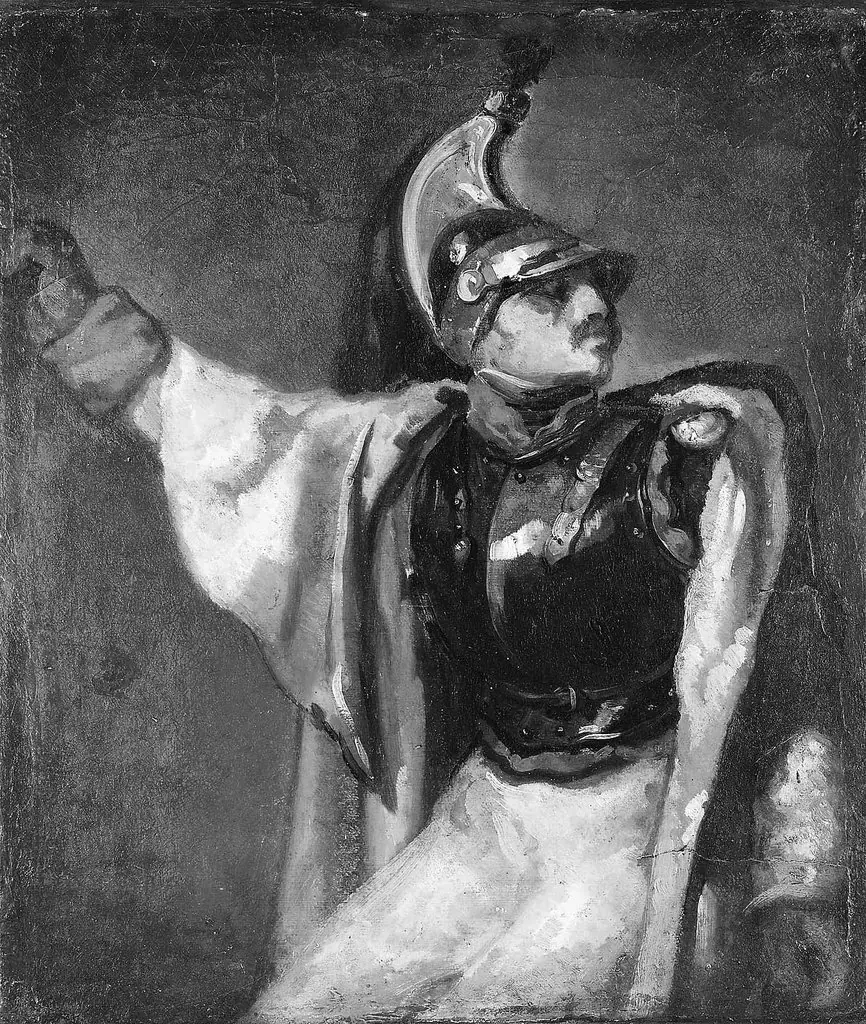 Study for Wounded Cuirassier
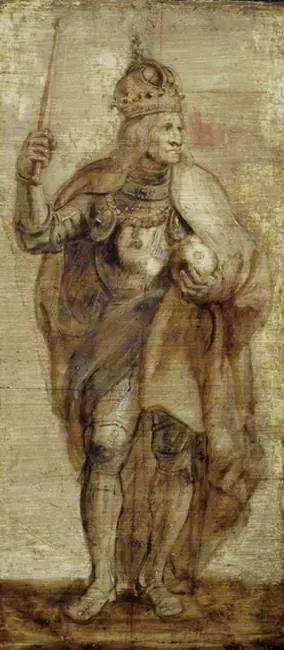 The Emperor Maximilian I
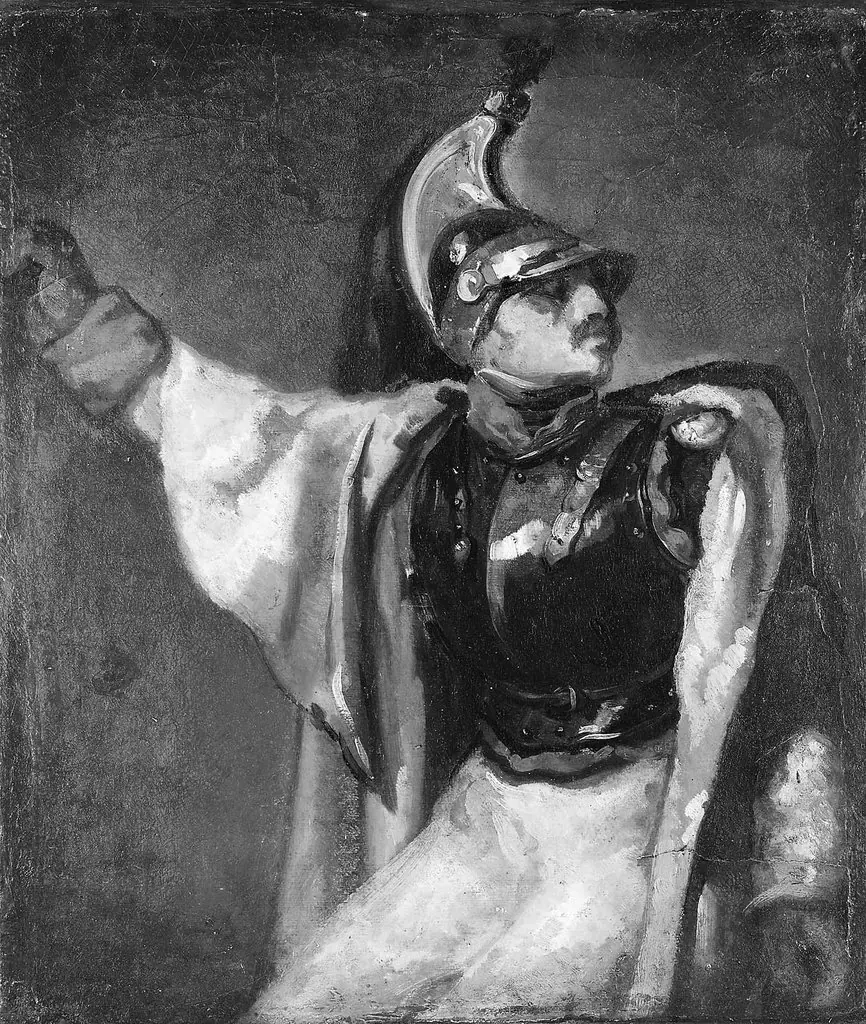 Study for Wounded Cuirassier
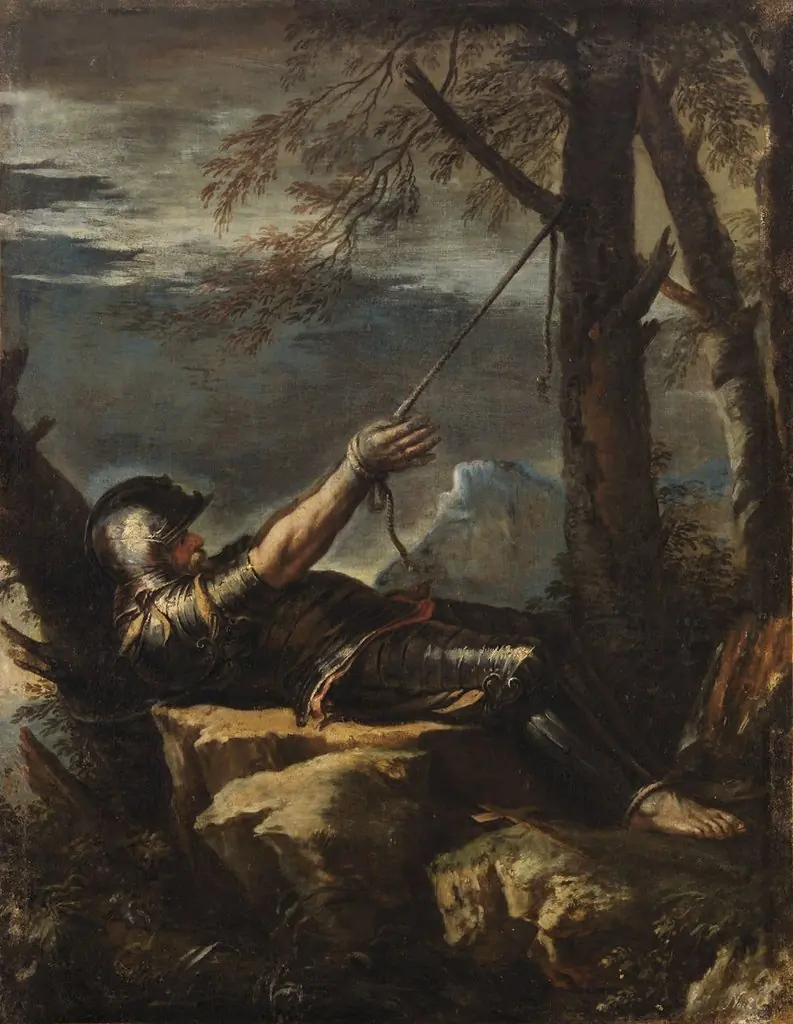 William of Maleval as a penitent
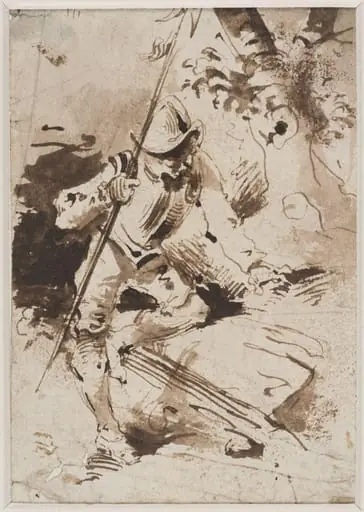 A halberdier resting his left hand and knee on a rock, with a tree in the backgroud
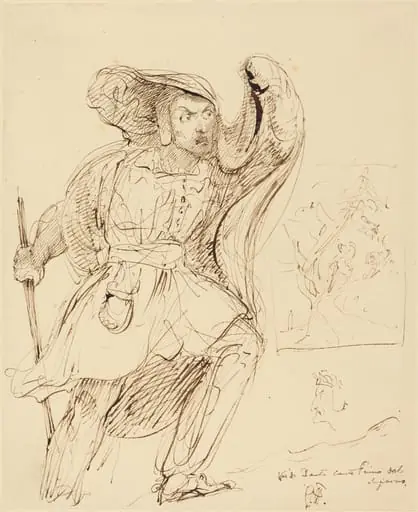 Studies for a Scene from Dante's "Inferno"
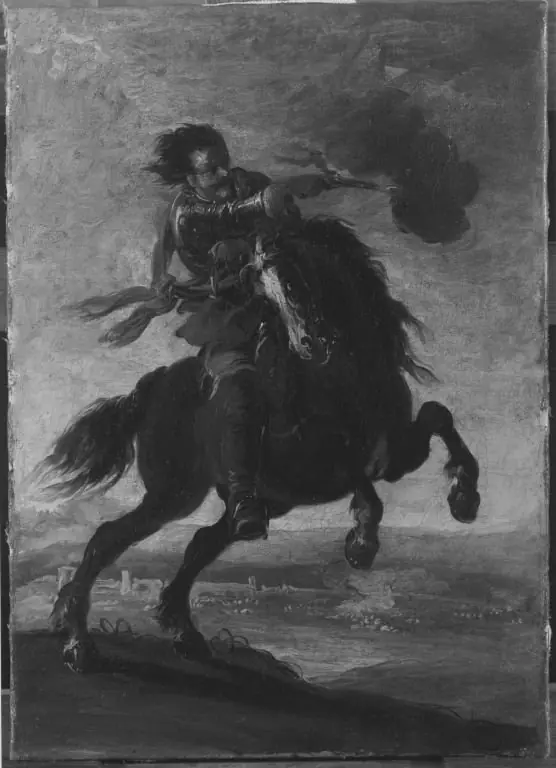 Reiter im Angriff
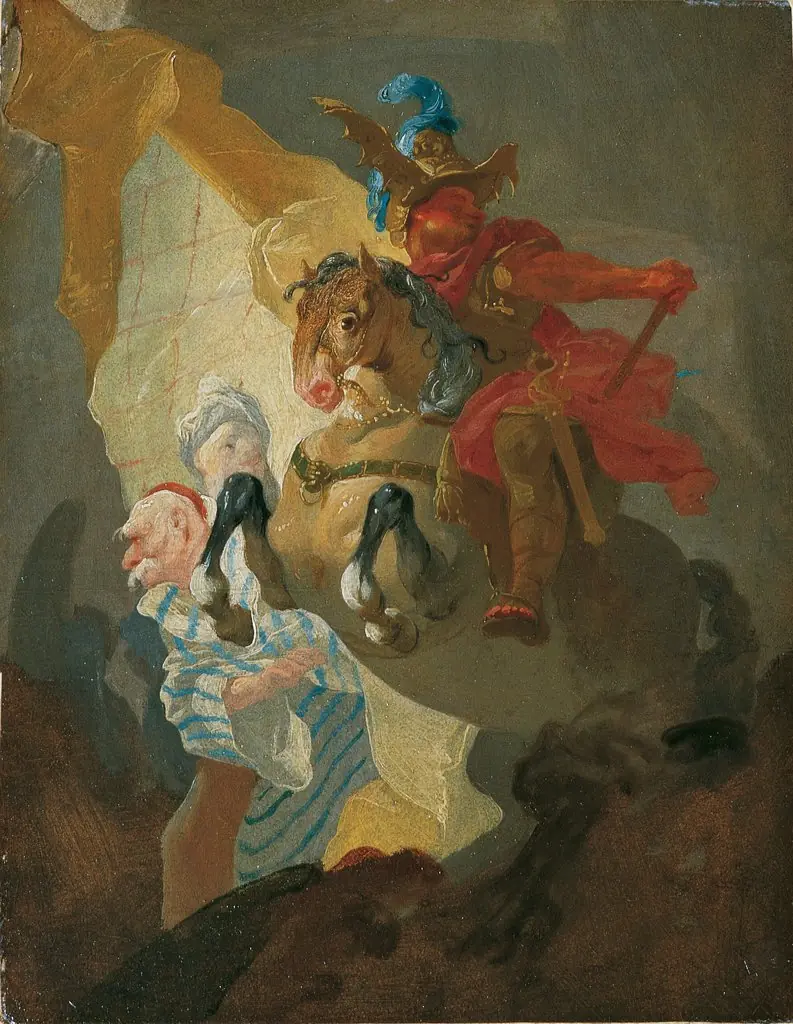 Reitender Feldherr
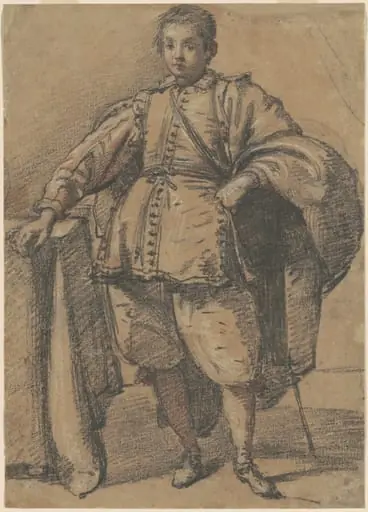 Portrait of a Young Nobleman