Artwork
H Beard Print Collection
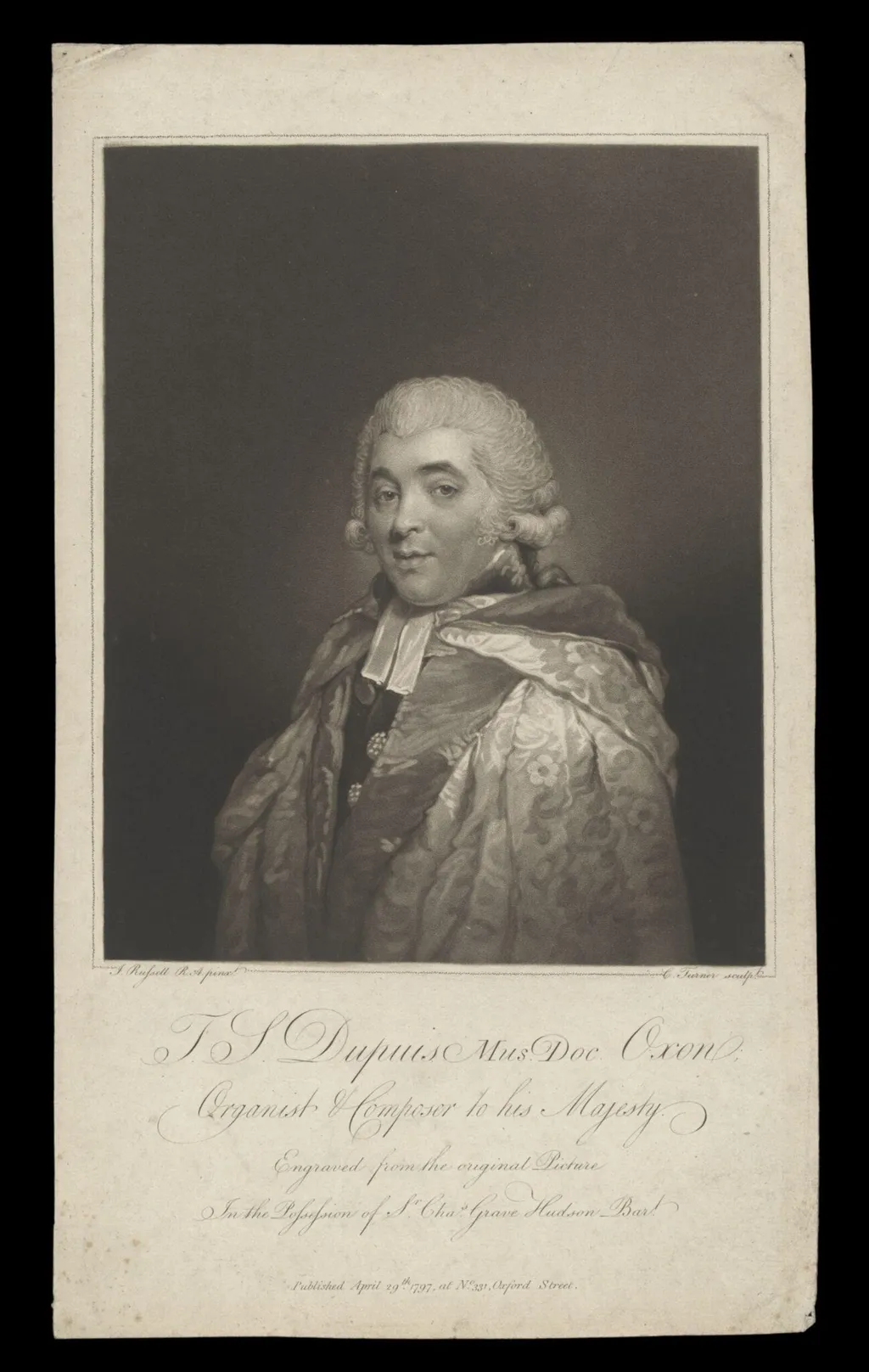
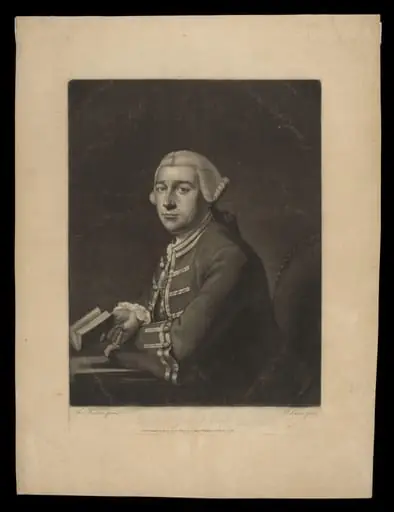
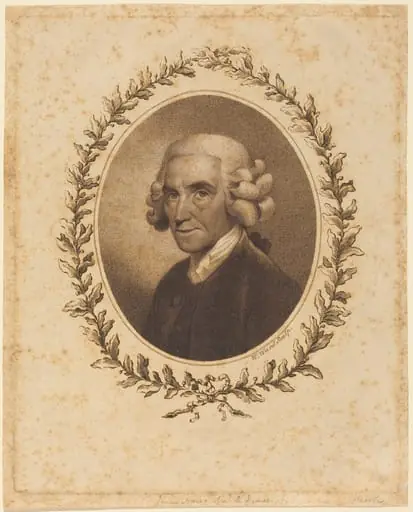
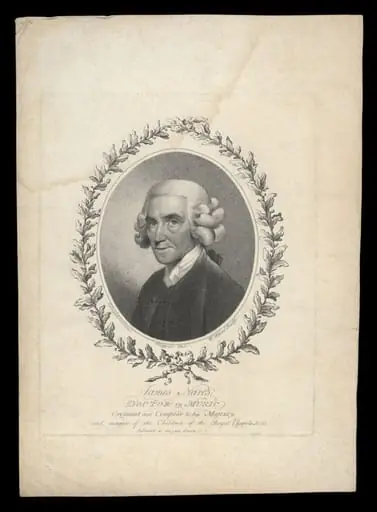
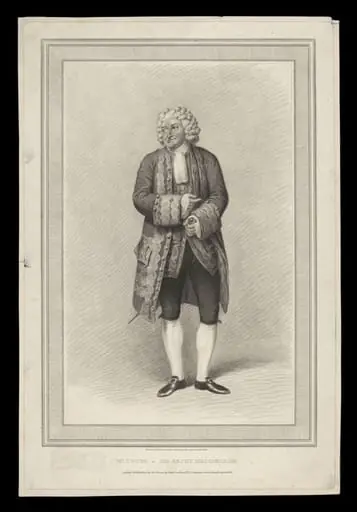
H Beard Print Collection is a print by the Romanticist artist John Russell. It dates from 29 and is held in the collection of the Victoria and Albert Museum. The work is a printed portrait dating to 1797, depicting the head and upper torso of an individual identified as T.
About this work
The artist likely used a simple technique to create this portrait, and it's interesting that we don't know much about the subject, T.
This painting shows a head and torso portrait of T.S. Dupuis.
It's an old print from 1797. The subject is looking straight ahead, with a calm expression.
The artist likely used a simple technique to create this portrait, and it's interesting that we don't know much about the subject, T.S. Dupuis, or why this portrait was made.
You can learn more about this kind of portrait by looking into the technique: sfumato.
Overview
The work is a printed portrait dating to 1797, depicting the head and upper torso of an individual identified as T.S. Dupuis. The figure is rendered in a straightforward manner, gazing directly forward with a composed, neutral expression. The image is executed on paper using the printmaking processes common at the close of the eighteenth century.
Subject & Meaning
The sitter, T.S. Dupuis, remains obscure; no biographical details are attached to the name in surviving records. The portrait offers no overt symbols or narrative elements, suggesting its purpose may have been a simple likeness for personal or familial use rather than a commemorative or allegorical statement.
Technique & Style
The print employs a restrained approach, likely relying on line work and tonal shading rather than elaborate ornamentation. While the description mentions sfumato—a gradual blending of tones—the medium of print limits the subtlety achievable in oil painting, resulting in a more direct, flat rendering of form and light.
History & Provenance
Created in 1797, the piece originates from a period when printed portraiture served as an affordable alternative to painted likenesses. Documentation of its ownership trail is scarce, and the work appears to have entered collections without a clear record of its original commission or subsequent transfers.
Context
At the turn of the nineteenth century, prints of individual portraits were common for disseminating images of notable figures or for private remembrance. This portrait fits within that broader practice, reflecting the era’s interest in reproducible portraiture while lacking the grandiosity of state-sponsored commissions.
Artist & collection