Artwork
Alexander, Lord Loughborough
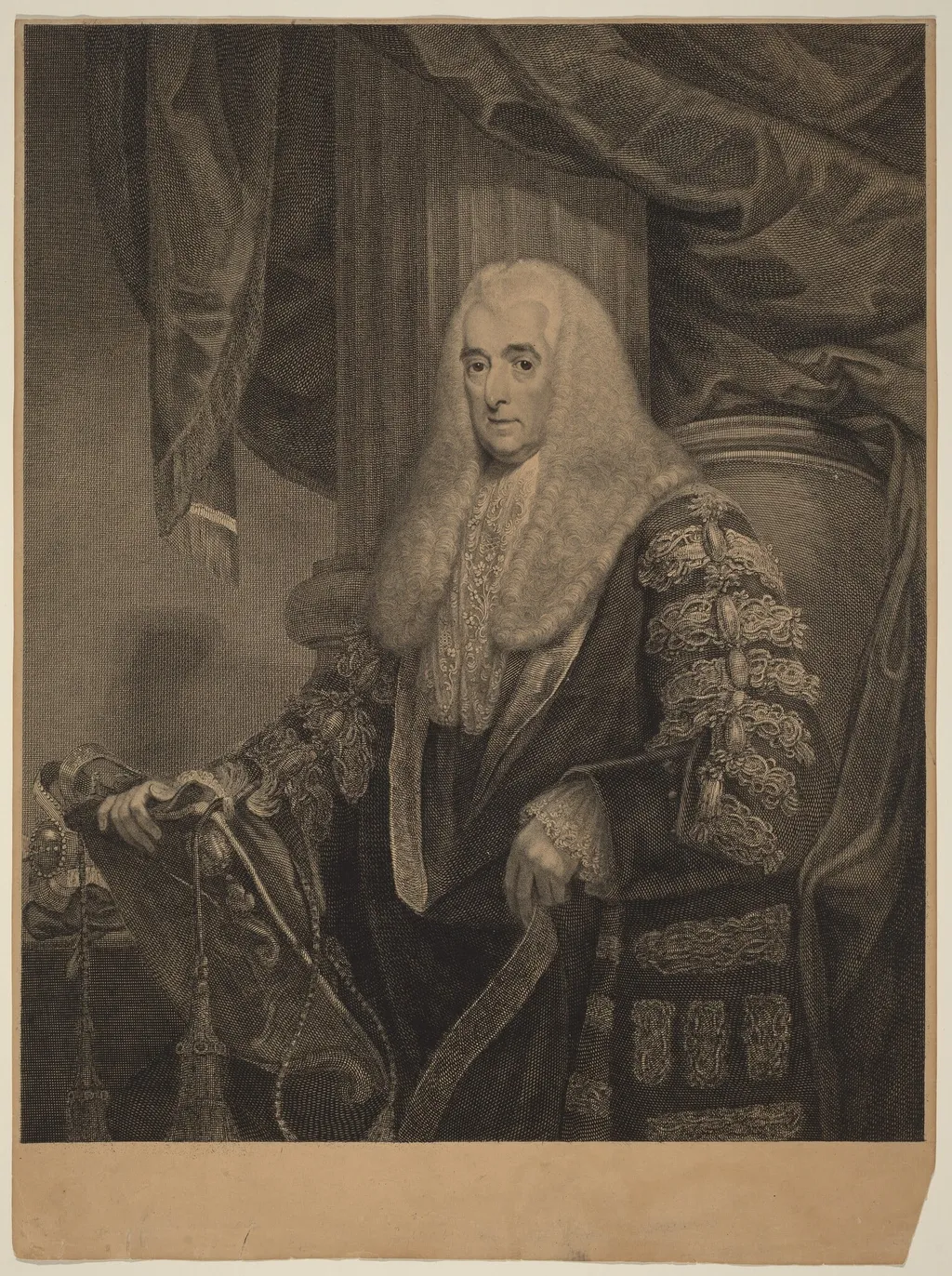
Alexander, Lord Loughborough is an ink print by the Romanticist artist Francesco Bartolozzi. It dates from 1800 and is held in the collection of the National Gallery of Art.
About this work
Overview
Francesco Bartolozzi’s stipple engraving from 1800 presents a formal portrait of Alexander Wedderburn, later the 1st Earl of Rosslyn, who held the office of Lord Chancellor of Great Britain. Rendered in delicate tonal gradations, the image captures the sitter’s dignified bearing, with his gaze directed toward the viewer, set against a muted drapery background.
Subject & Meaning
The work portrays Wedderburn at the height of his political career, emphasizing his authority through the dark judicial robe trimmed with intricate lace. His composed expression and upright posture convey the gravitas associated with the highest judicial office in the United Kingdom, while the direct eye contact suggests confidence and public responsibility.
Technique & Style
Executed in stipple, the engraving relies on a dense array of fine dots to model light and shadow, a method Bartolozzi refined after introducing the crayon‑like approach to printmaking. The technique allows subtle transitions in the fabric’s texture and the sitter’s facial features, achieving a softness that mimics pastel drawing while retaining the precision of engraving.
History & Provenance
Created during Bartolozzi’s most prolific period in London, the print was likely issued for a contemporary audience familiar with Wedderburn’s political role. Over time it entered collections of British portrait prints, and today it is held by institutions that document the visual culture of early‑19th‑century British governance.
Artist & collection
Artist
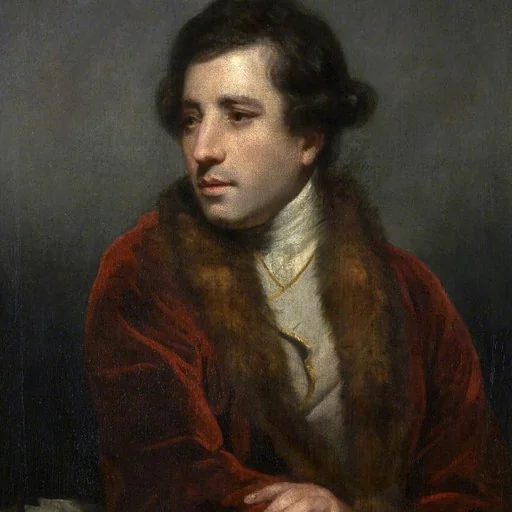
Francesco Bartolozzi (21 September 1727 – 7 March 1815) was an Italian engraver, whose most productive period was spent in London. He is noted for popularizing the "crayon" method of engraving.

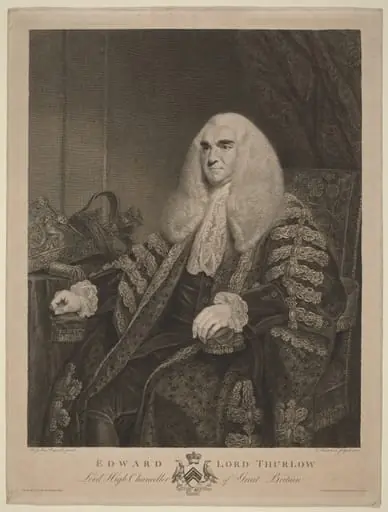 Edward, Lord Thurlow
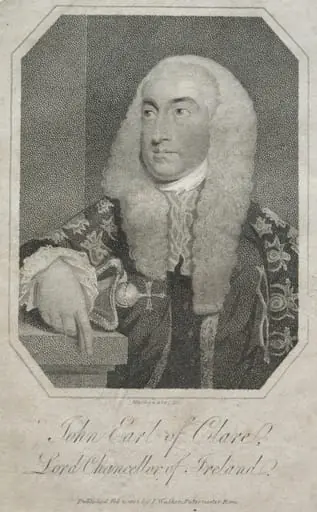 John Fitzgibbon, Earl of Clare (1749-1802)
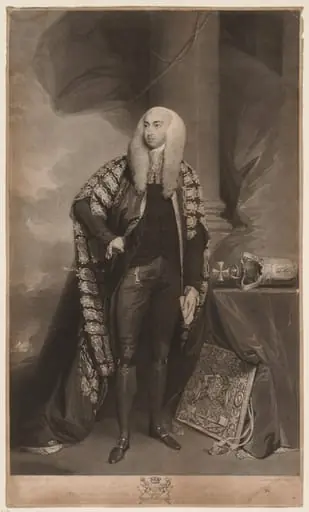 John, Lord FitzGibbon
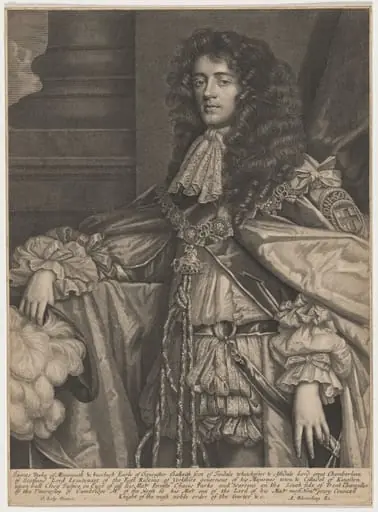 James, Duke of Monmouth and Buccleuch
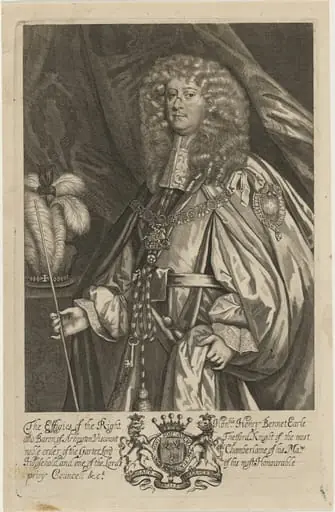 Henry Bennett, Earl of Arlington
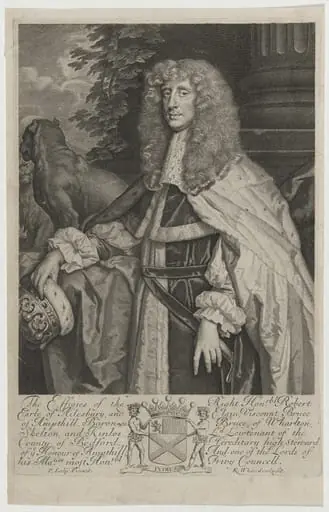 Robert Bruce, First Earl of Arlesbury
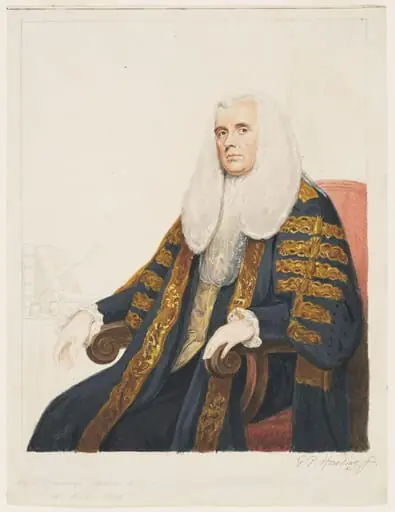 Portrait of Richard Pepper Ardene, Lord Alvanley, Master of the Rolls
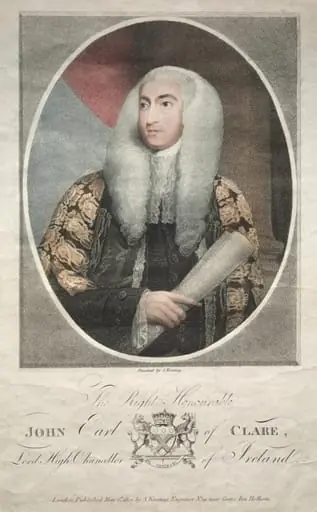 John Fitzgibbon, Earl of Clare
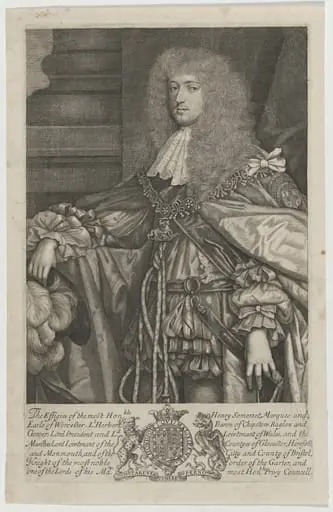 Henry Somerset, First Duke of Beaufort
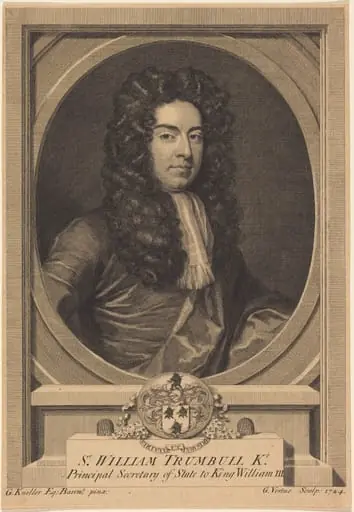 William Trumbull
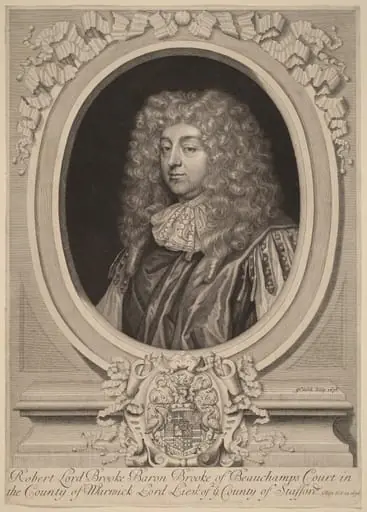 Robert Greville, Lord Brooke
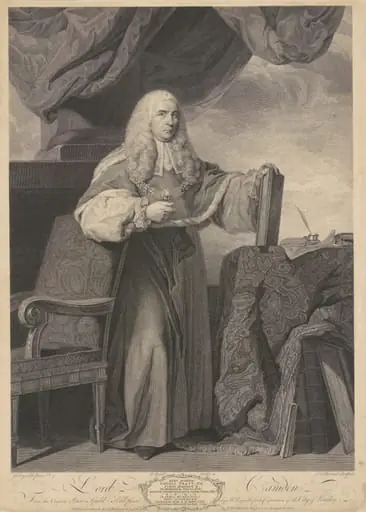 Lord Camden