Artwork
Self-Portrait
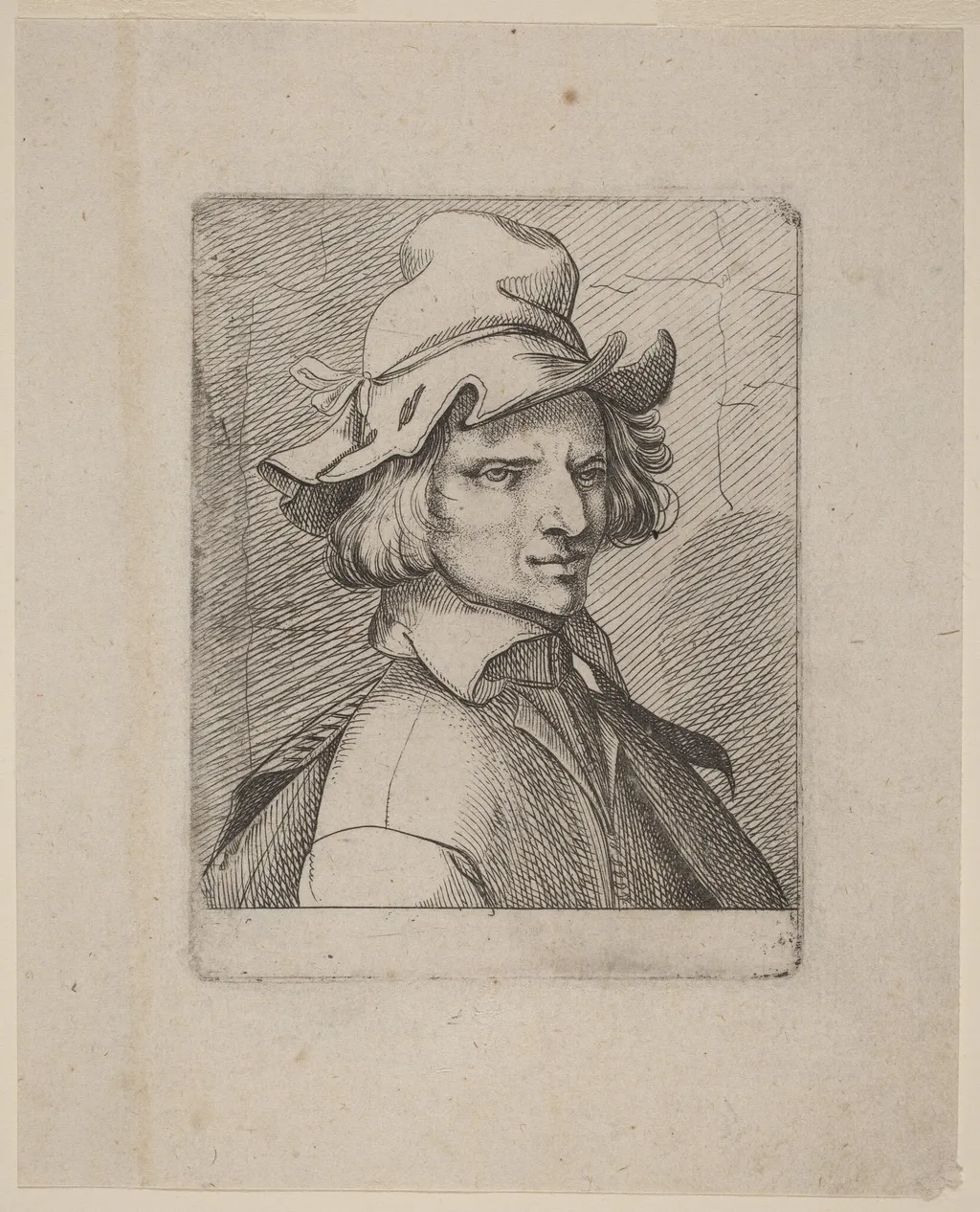
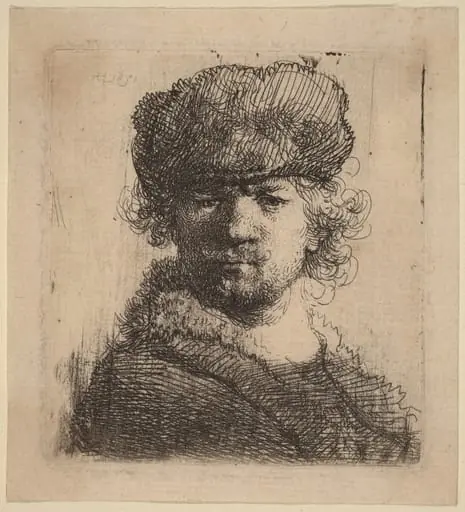
Self-Portrait is an ink print by the Baroque artist Jean de Saint-Igny. It dates from 1610 and is held in the collection of the National Gallery of Art.
About this work
Overview
Executed on laid paper, the work reflects the quiet introspection common in early 17th-century printmaking.
This black-and-white etching, dated around 1610, presents a modest self-portrait by Jean de Saint-Igny. Executed on laid paper, the work reflects the quiet introspection common in early 17th-century printmaking. The artist rendered his own likeness using fine, incised lines and subtle tonal shifts, characteristic of the etching process, in which acid bites into a metal plate to hold ink for printing.
Subject & Meaning
The figure depicted is the artist himself, shown with a restrained demeanor and faint stubble, suggesting an unidealized, personal representation. His turned head and direct gaze convey a sense of quiet self-awareness. The attire—a dark cloak draped over one shoulder, a feathered hat, and a loose collar—hints at contemporary urban dress, possibly indicating his social standing or professional identity as a maker of images.
Technique & Style
Saint-Igny employed etching to achieve delicate gradations of tone and texture. Fine lines define the contours of his face and the folds of fabric, while cross-hatching and varied line density create volume in the cloak and hair. The medium allowed for precise control, enabling the artist to capture subtle contrasts between light and shadow without relying on broad washes or color.
History & Provenance
The etching survives as a rare example of Saint-Igny’s graphic work, with no known earlier or later self-portraits by him. Its origin is tied to his activity in France during the early 1600s, though specific early ownership records are absent. The print likely circulated among fellow artists or patrons familiar with the growing interest in artist self-representation during the period.
Context
In the early 17th century, artists across Europe increasingly turned to self-portraiture as a means of asserting professional identity. Etching, newly refined as a reproductive and expressive medium, offered a cost-effective way to produce multiple impressions. Saint-Igny’s work aligns with this trend, reflecting a broader cultural shift toward personal expression in print.
Legacy
Though Saint-Igny is not widely known today, this etching remains a quiet testament to the artist’s engagement with self-representation in print. It contributes to the historical record of lesser-known figures who participated in the rise of the artist as an individual subject, bridging the gap between portraiture and the emerging autonomy of the printmaker.
Artist & collection


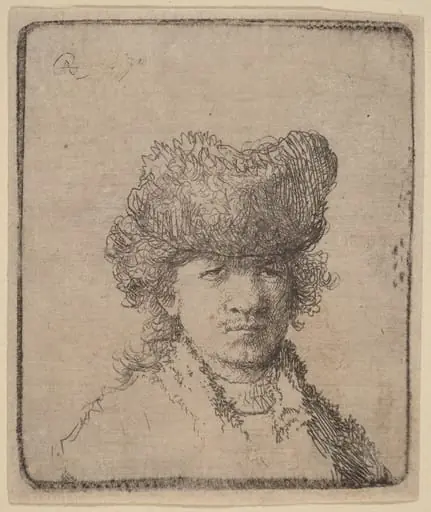 Self-Portrait in a Fur Cap
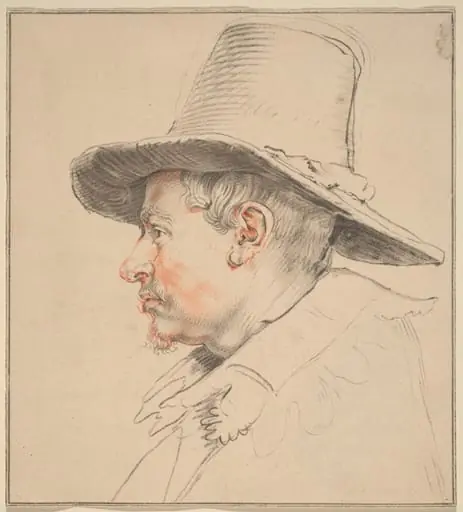 Salomon de Bray (formerly Jan van Goyen)
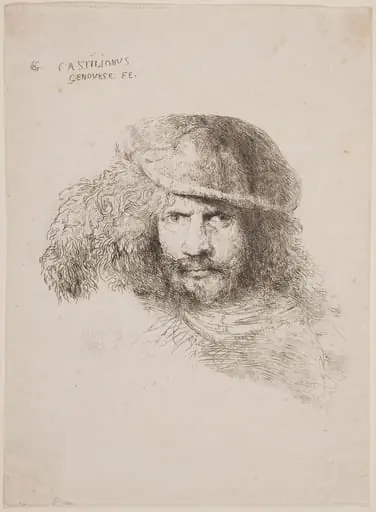 Head of a Young Man in a Feathered Hat (so-called Self-Portrait)
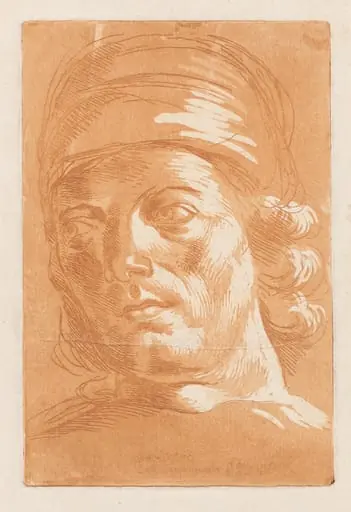 Head of a Man
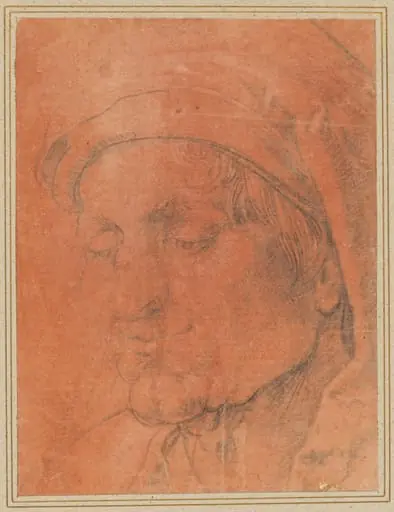 Head of a Man in a Cap
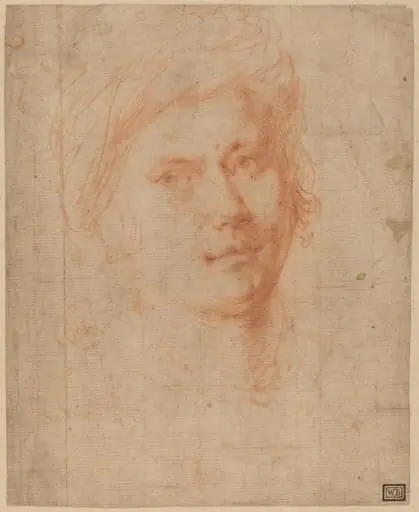 Head of a Youth
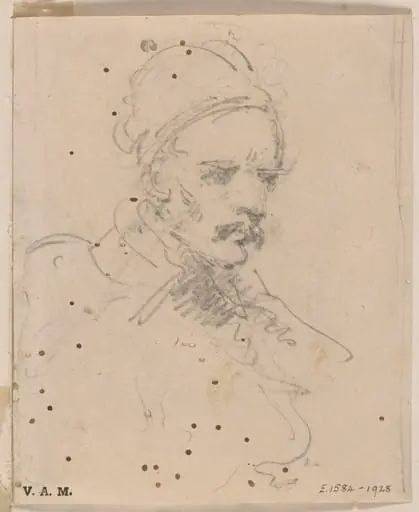 A moustachio'd man
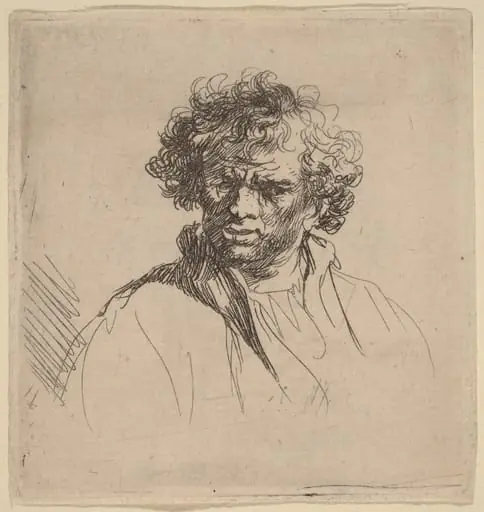 Curly-Headed Man with a Wry Mouth
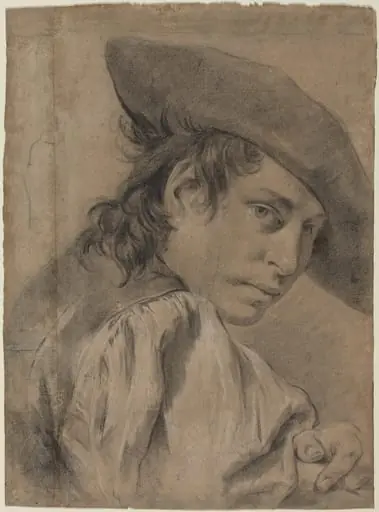 A Young Man in a Broad Hat
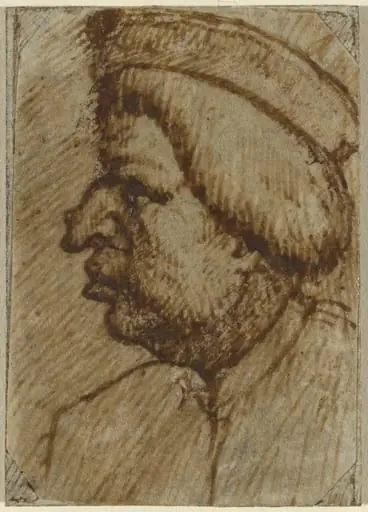 Profile of a Man
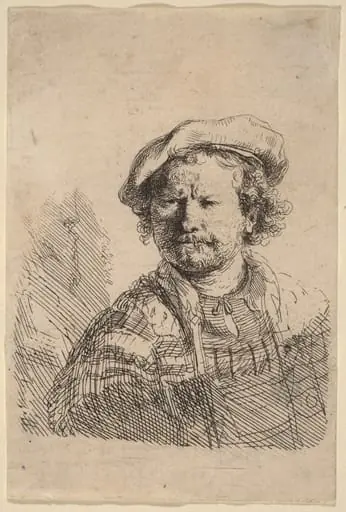 Self-Portrait in a Flat Cap and Embroidered Dress
 Self-Portrait in a Heavy Fur Cap