Artwork
Andrew Purviance Hazlehurst
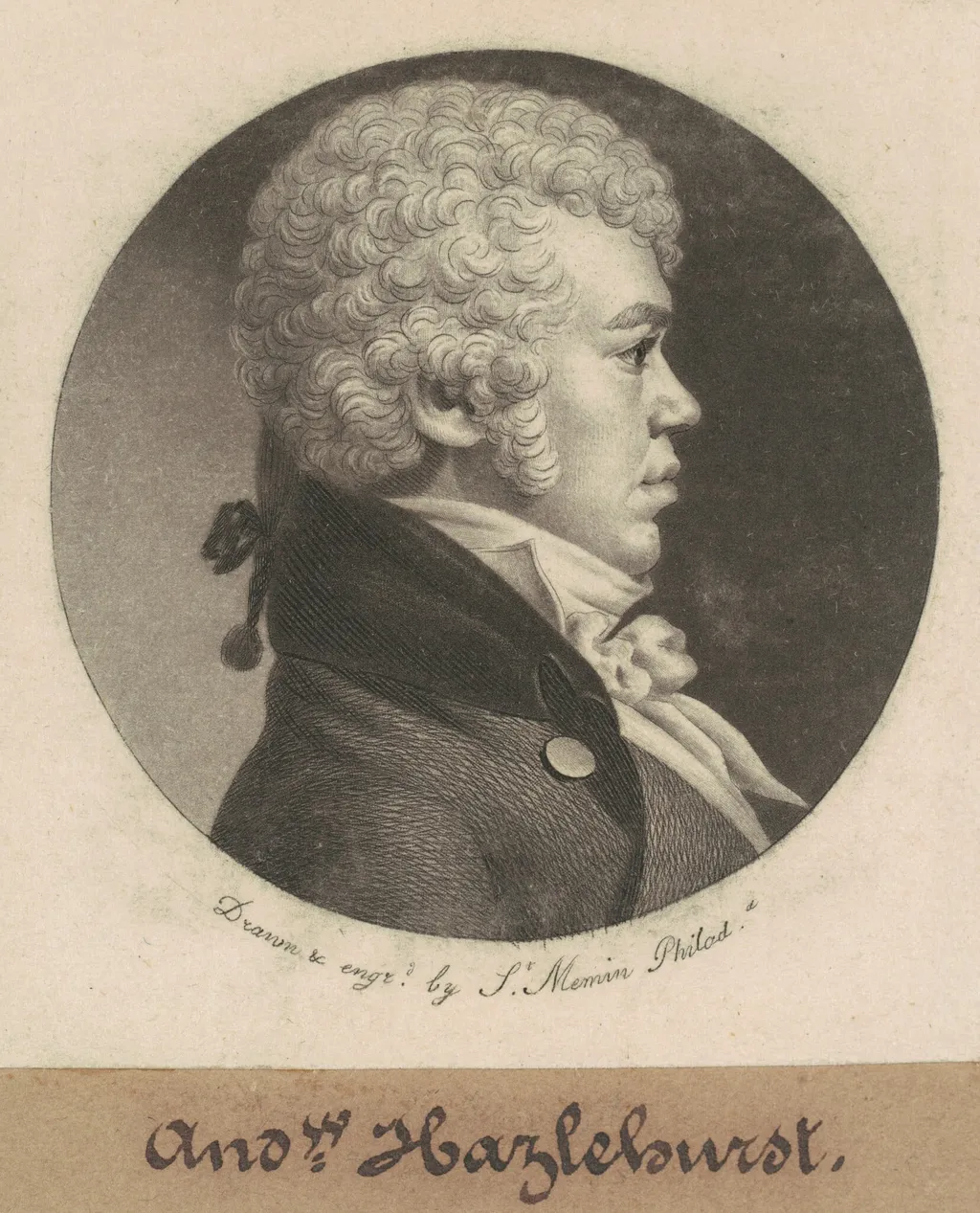
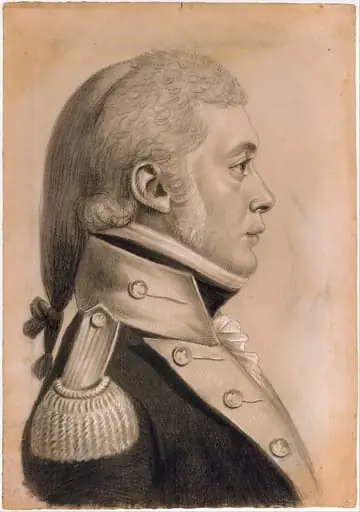
Andrew Purviance Hazlehurst is an ink print by the Romanticist artist Charles Balthazar Julien Févret de Saint-Mémin. It dates from 1800 and is held in the collection of the National Gallery of Art. This print, created in 1799 by Charles B.
About this work
Overview
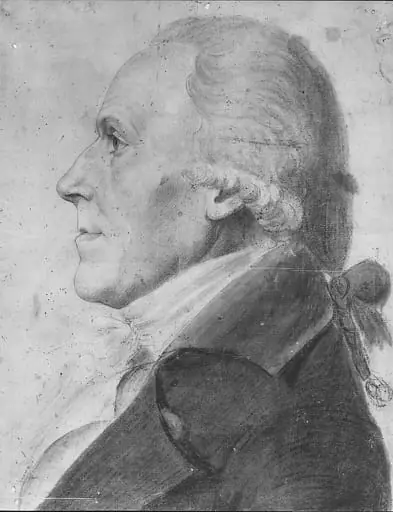
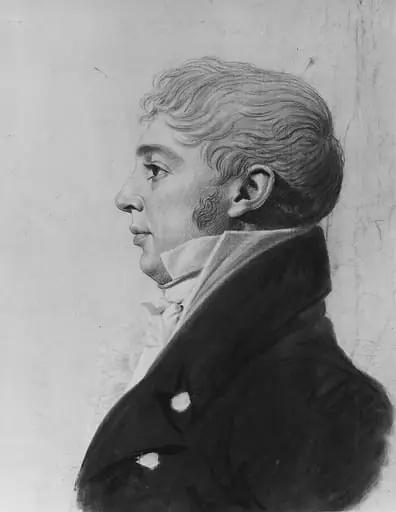
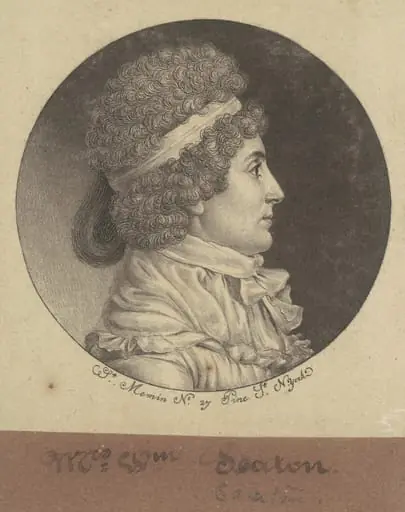
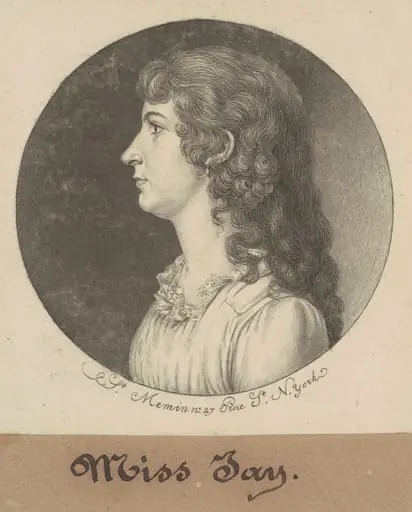
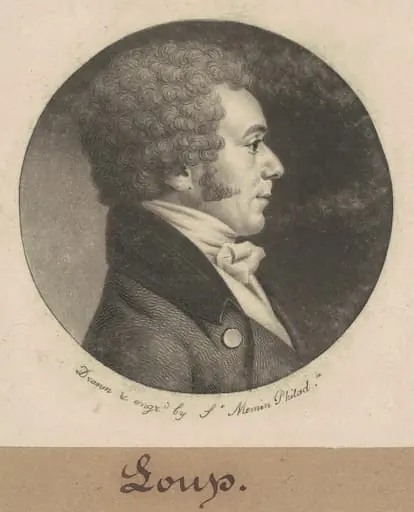
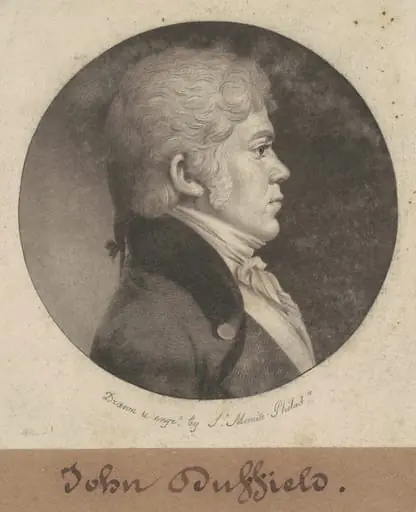
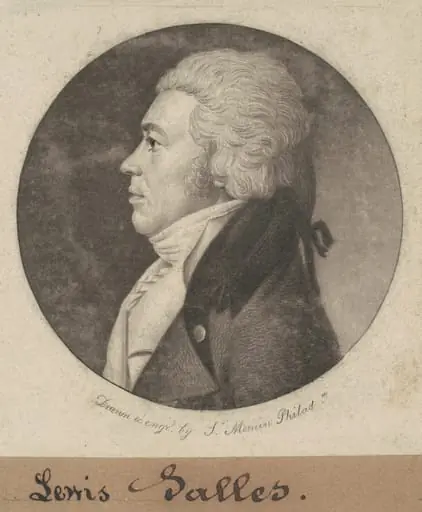
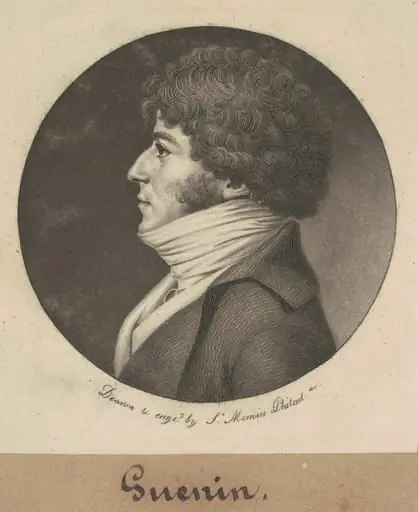
This print, created in 1799 by Charles B. J. Févret de Saint-Mémin, depicts Andrew Purviance Hazlehurst in profile. Executed in mezzotint and engraving on wove paper, it is mounted on a brown wove support. The work belongs to the Corcoran Collection and exemplifies the precision of early American portraiture through its fine linear detail and tonal gradation.
Subject & Meaning
The absence of background or adornment focuses attention on the sitter’s presence, reflecting the era’s preference for restrained, personal portraiture.
Hazlehurst, a figure of social standing in late 18th-century America, is portrayed with quiet dignity. The profile view emphasizes his facial structure and carefully rendered curls, suggesting an interest in individual identity rather than symbolic representation. The absence of background or adornment focuses attention on the sitter’s presence, reflecting the era’s preference for restrained, personal portraiture.
Technique & Style
Saint-Mémin employed mezzotint to achieve subtle tonal transitions and engraving for sharp, controlled lines. The combination allowed for rich texture in Hazlehurst’s hair and delicate modeling of his features. The use of black ink on light paper enhances contrast, while the meticulous handwork reveals the artist’s technical discipline and commitment to lifelike representation.
History & Provenance
Created during Saint-Mémin’s time in the United States, the print was made as part of a series of portrait studies of prominent Americans. It entered the Corcoran Collection in the 19th century and remained there until the collection’s dissolution. Its preservation reflects early institutional interest in documenting national figures through print media.
Context
In the late 1790s, mezzotint was a favored medium for portrait reproduction in America, valued for its ability to capture fine detail without requiring a press. Saint-Mémin, a French émigré, brought European engraving traditions to the U.S., influencing American portraiture through his methodical approach and focus on individual likeness.
Legacy
This work stands as an example of Saint-Mémin’s contribution to American print culture. His portraits, including this one, helped establish a visual record of early American elites. The technical rigor of his mezzotints influenced subsequent generations of engravers seeking to balance artistic expression with documentary precision.
Artist & collection

Artist
Charles Balthazar Julien Févret de Saint-Mémin
Charles Balthazar Julien Févret de Saint-Mémin (French pronunciation: ; 1770–1852) was a French portrait painter and museum director.