Artwork
H. Smith
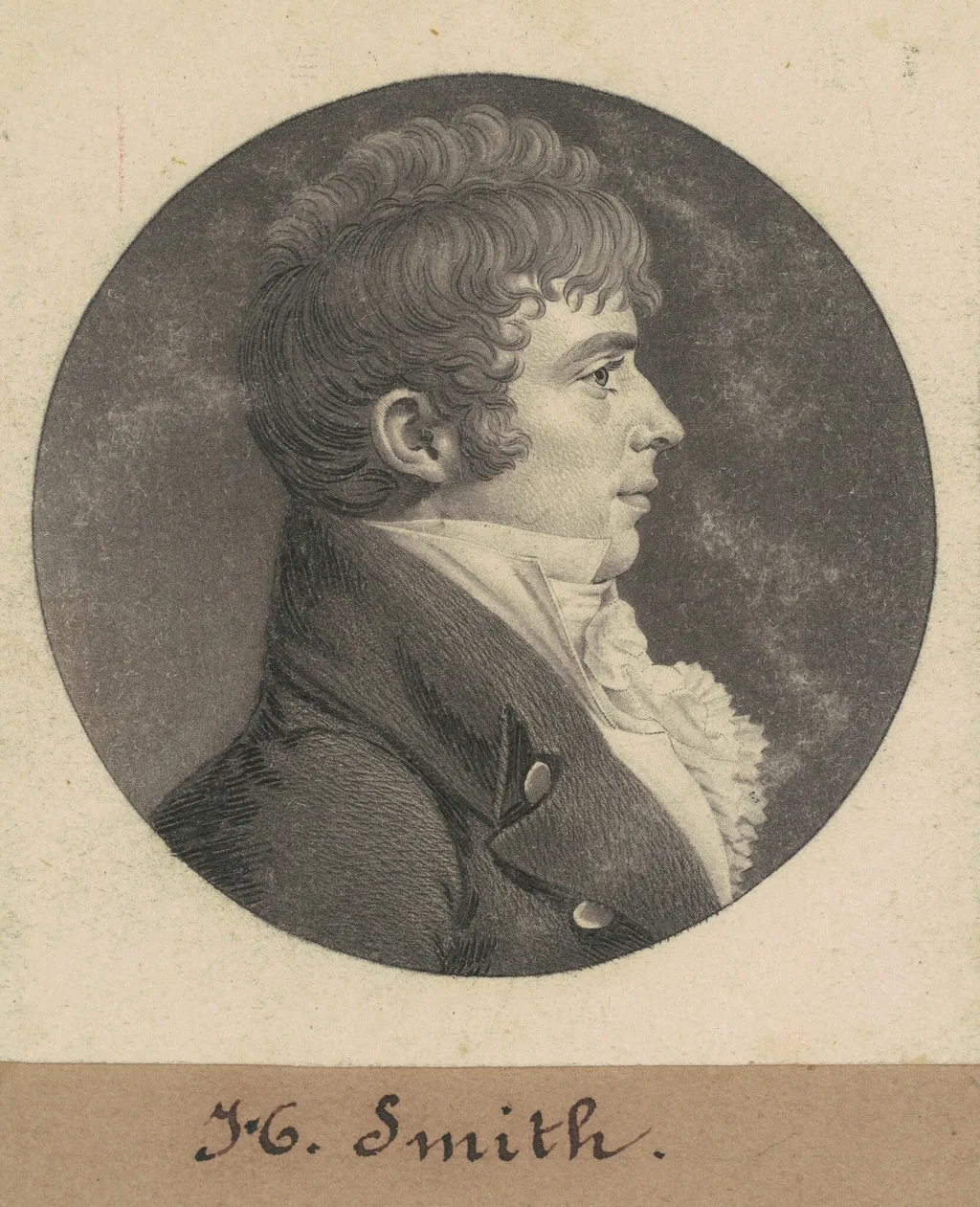
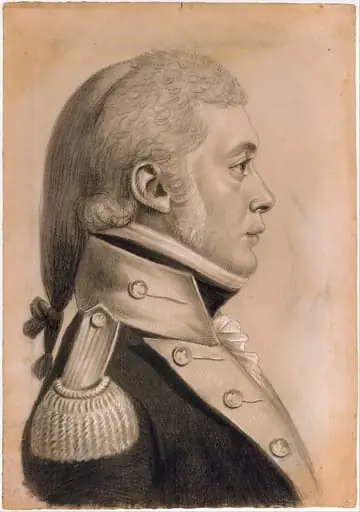
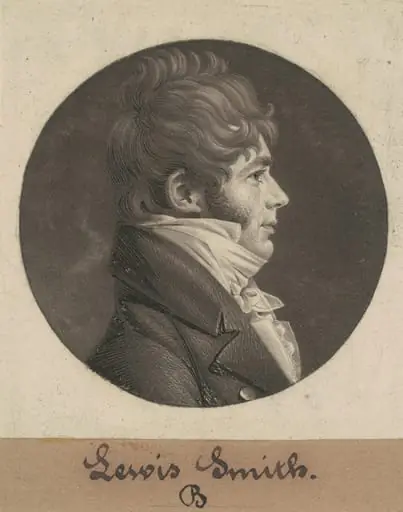
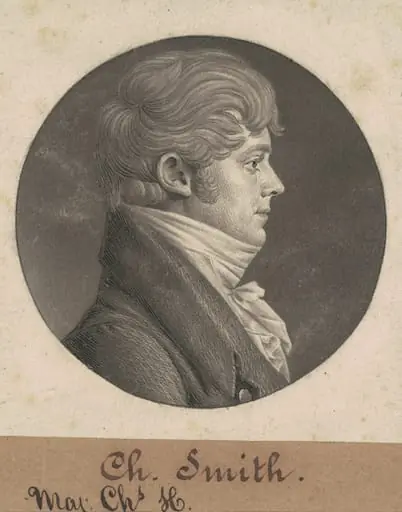
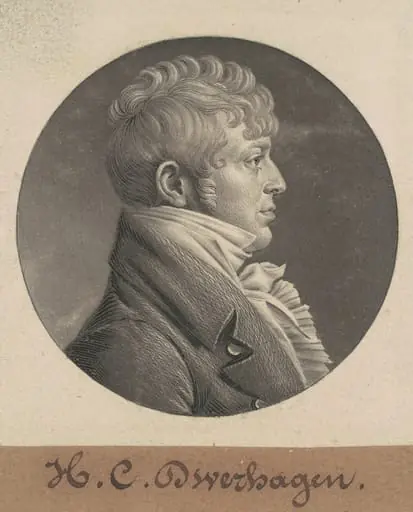
H. Smith is an ink print by the Romanticist artist Charles Balthazar Julien Févret de Saint-Mémin. It dates from 1809 and is held in the collection of the National Gallery of Art. This 1809 print by Charles B.
About this work
Overview
The image is mounted on a brown wove support, typical of the period’s presentation practices.
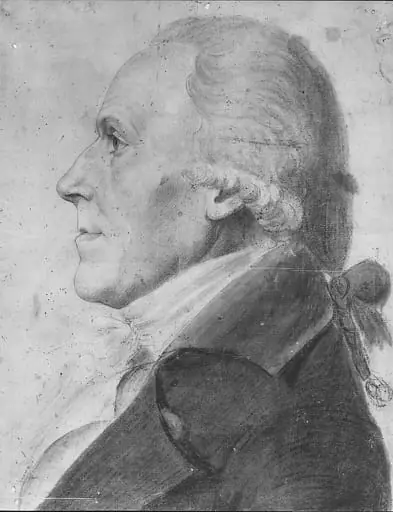
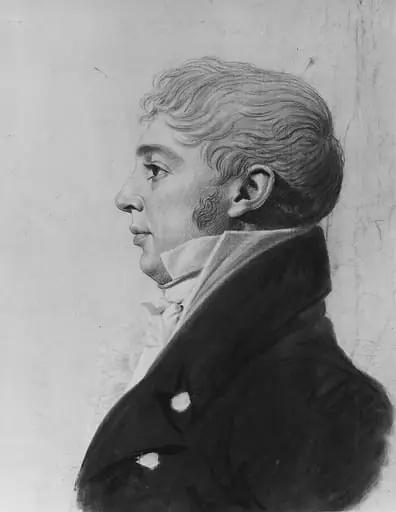
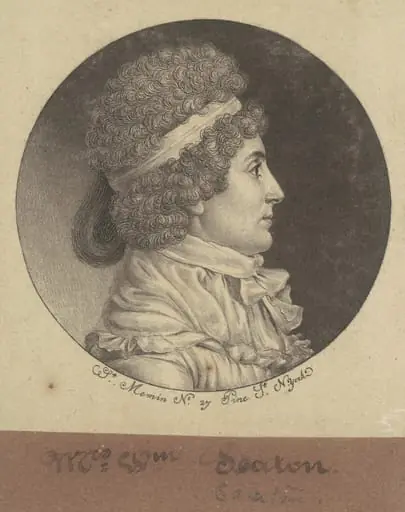
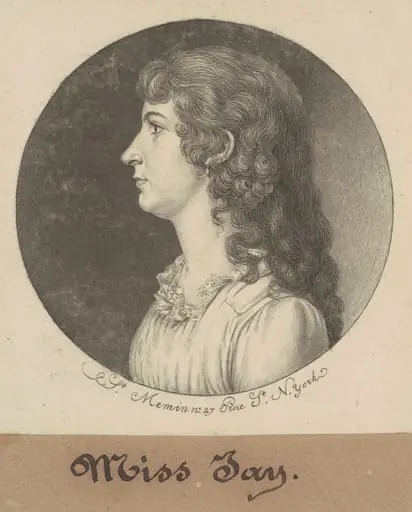
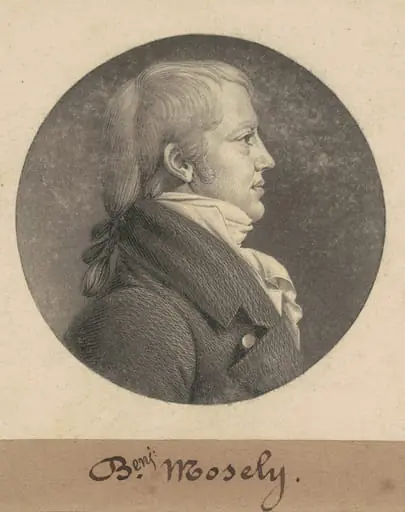
This 1809 print by Charles B. J. Févret de Saint-Mémin depicts H. Smith in portrait format, rendered in mezzotint and engraving on wove paper. The image is mounted on a brown wove support, typical of the period’s presentation practices. Part of the Corcoran Collection, it exemplifies Saint-Mémin’s precision in translating likeness through intaglio techniques, combining tonal depth with fine linear detail to capture the subject’s presence.
Subject & Meaning
The portrait presents H. Smith, likely a contemporary figure of modest social standing, in a formal half-length pose. The focus on facial expression and attire suggests an intent to convey individual identity rather than status or symbolism. The restrained composition and neutral background emphasize the sitter’s humanity, reflecting early 19th-century American portraiture’s shift toward personal representation over aristocratic grandeur.
Technique & Style
Saint-Mémin employed mezzotint to achieve subtle gradations of tone, particularly in the rendering of skin and fabric, while engraving added crisp definition to features like the collar and hair. The combination allowed for both atmospheric depth and sharp detail. The use of wove paper, a newer material at the time, provided a smooth surface that enhanced the clarity of the inked lines and textures.
History & Provenance
Created in 1809, the print entered the Corcoran Collection in the 19th century, where it remained until the collection’s dispersal in the 2010s. Its survival reflects the value placed on Saint-Mémin’s portraiture during his lifetime and the institutional interest in early American graphic arts. No earlier ownership records are widely documented, suggesting it was likely produced as a standalone portrait for private acquisition.
Context
Saint-Mémin, a French émigré, became a leading portraitist in the United States during the early 1800s, adapting European printmaking methods to American tastes. His work bridged the gap between hand-drawn likenesses and mass-produced images, catering to a growing middle class seeking affordable, detailed portraits. This piece aligns with his broader project of documenting individuals through precise, reproducible graphic techniques.
Legacy
Though H. Smith is not among Saint-Mémin’s most widely known works, it contributes to the understanding of his technical mastery and his role in shaping American portraiture. The print exemplifies how mezzotint and engraving were used to achieve lifelike results before photography, preserving the appearance of ordinary citizens with a level of fidelity uncommon in earlier graphic arts.
Artist & collection

Artist
Charles Balthazar Julien Févret de Saint-Mémin
Charles Balthazar Julien Févret de Saint-Mémin (French pronunciation: ; 1770–1852) was a French portrait painter and museum director.