Artwork
John Smith
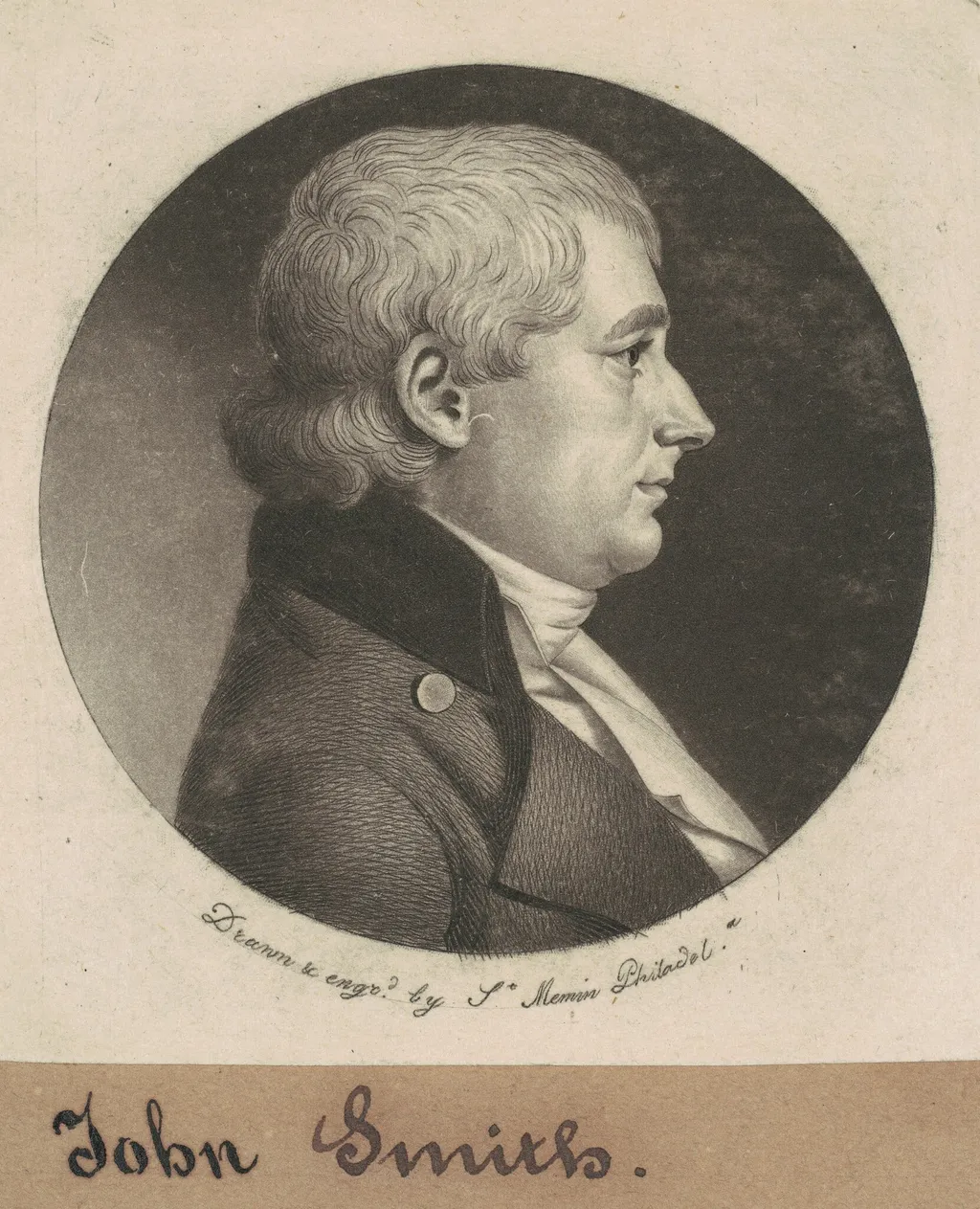
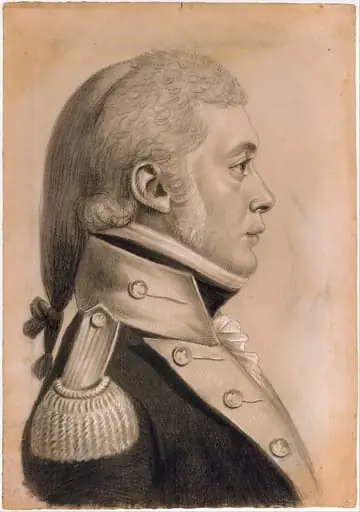
John Smith is an ink print by the Romanticist artist Charles Balthazar Julien Févret de Saint-Mémin. It dates from 1799 and is held in the collection of the National Gallery of Art.
About this work
Overview
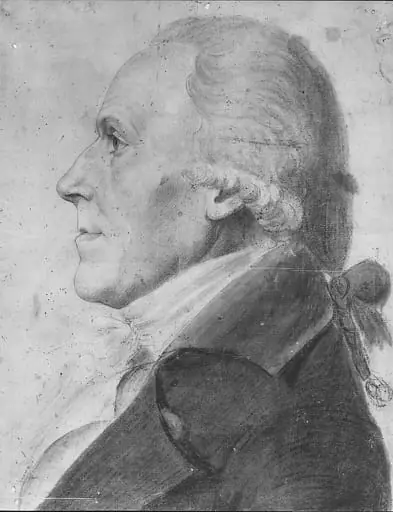
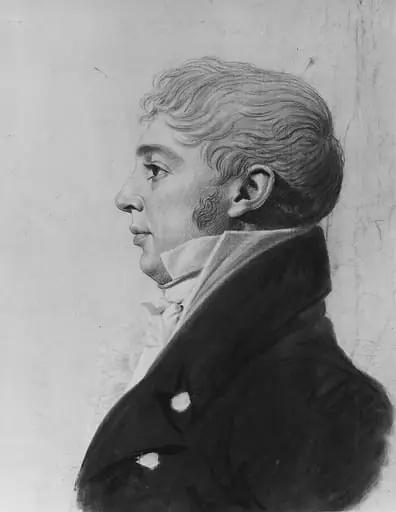
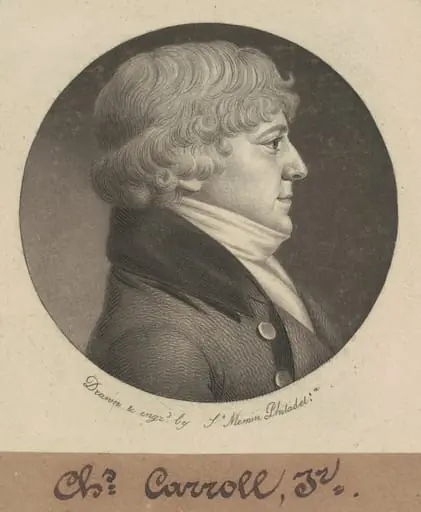
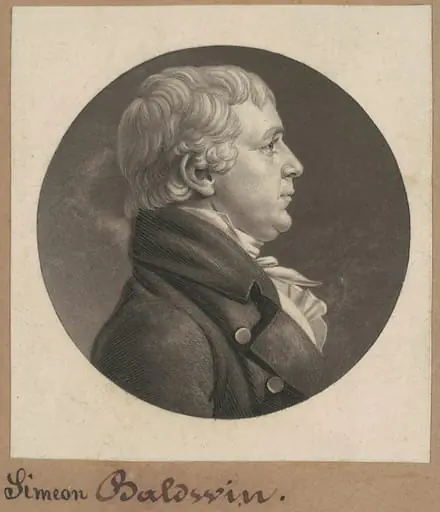
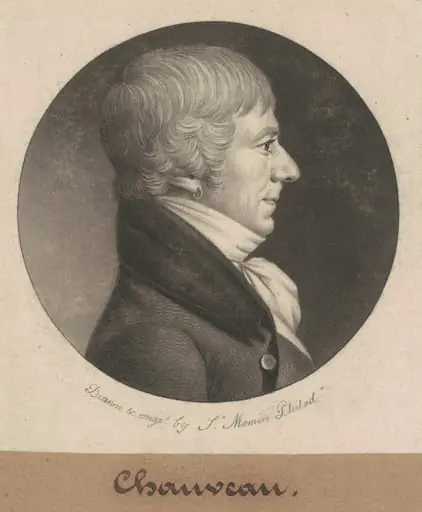
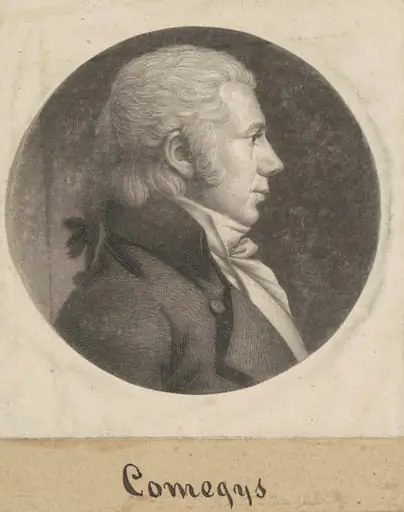
Created around 1805, this black-and-white print depicts John Smith in a formal pose. Executed as a mezzotint and engraving on wove paper, the image is mounted on a contrasting brown sheet. The composition centers the sitter against a dark field edged by a lighter border, emphasizing his facial features and attire.
Subject & Meaning
The portrait presents a man with a pronounced nose, a sharply defined chin, and abundant hair lifted upward. He is dressed in a high-collared coat and a cravat, attire that signals his social standing and the fashions of the early nineteenth century. The straightforward rendering underscores a focus on individual identity rather than allegorical content.
Technique & Style
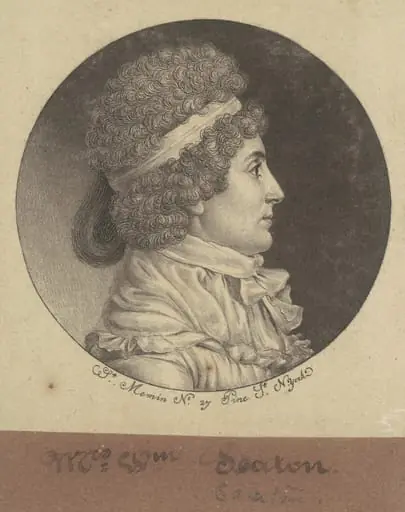
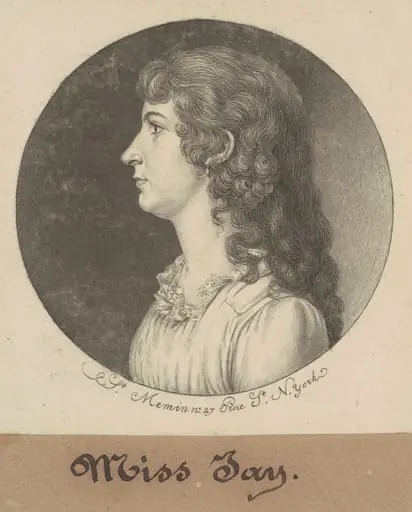
Charles B. J. Févret de Saint‑Mémin combined mezzotint’s tonal richness with fine engraving lines to achieve a detailed, realistic effect. The mezzotint areas provide soft gradations of shadow, while the engraved strokes delineate facial contours and clothing textures. The use of wove paper, both for the image and its mounting, contributes to a smooth surface that enhances the print’s clarity.
History & Provenance
The work originates from the period when Saint‑Mémin, a French émigré artist, produced portrait prints of notable figures in the United States. Though specific ownership records are scarce, the print’s mounting on brown wove paper suggests it was prepared for display or collection shortly after its creation, a common practice for prints intended for affluent patrons.
Context
At the turn of the nineteenth century, portrait prints served as a means of disseminating images of prominent individuals beyond painted commissions. Saint‑Mémin’s practice of merging mezzotint and engraving catered to a market that valued both the depth of tonal work and the precision of line, reflecting broader transatlantic artistic exchanges of the era.
Artist & collection

Artist
Charles Balthazar Julien Févret de Saint-Mémin
Charles Balthazar Julien Févret de Saint-Mémin (French pronunciation: ; 1770–1852) was a French portrait painter and museum director.