Artwork
Martha Lampley Levy
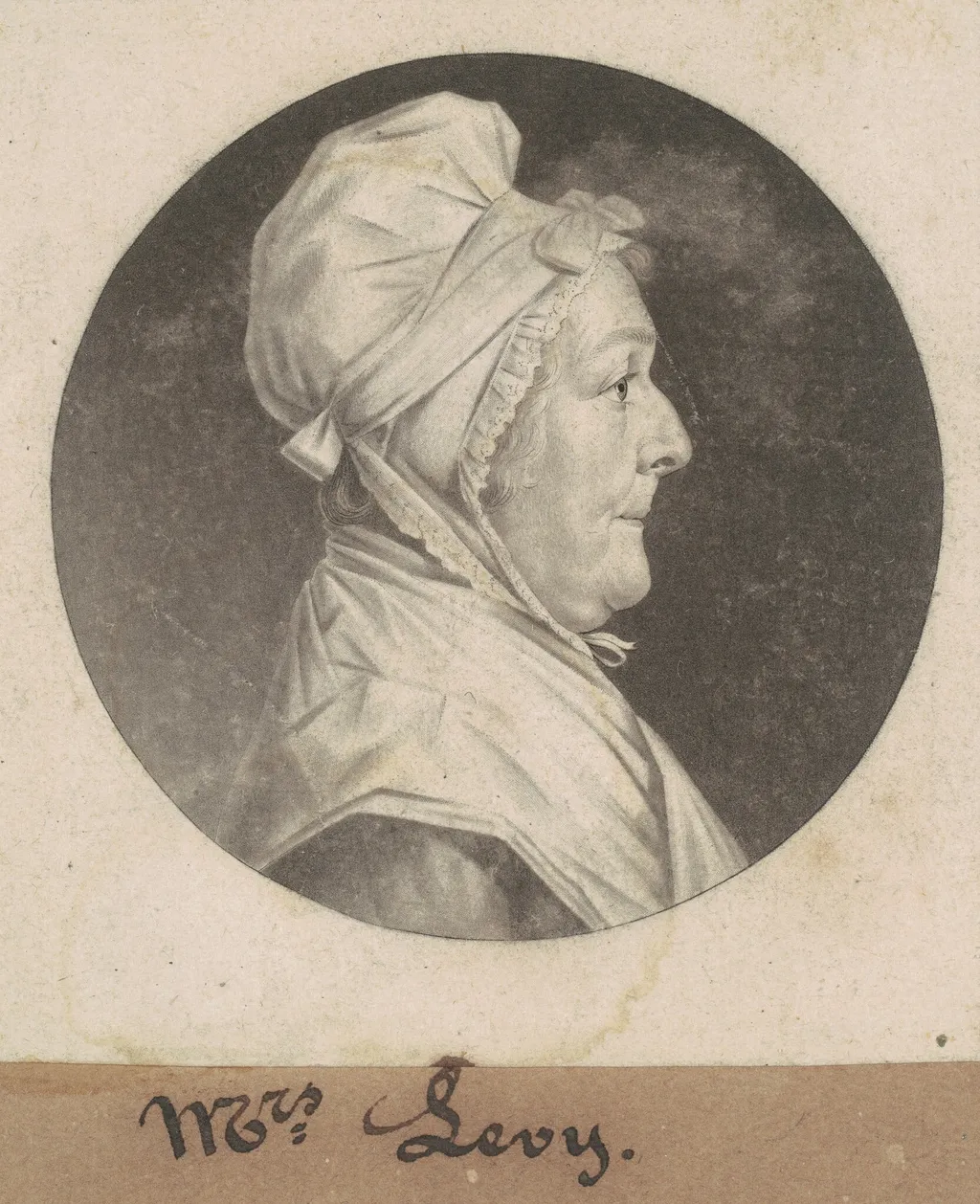
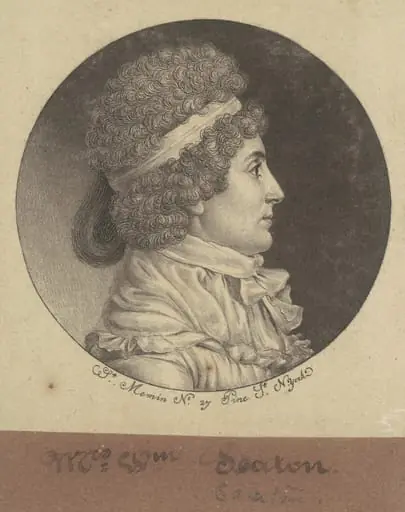
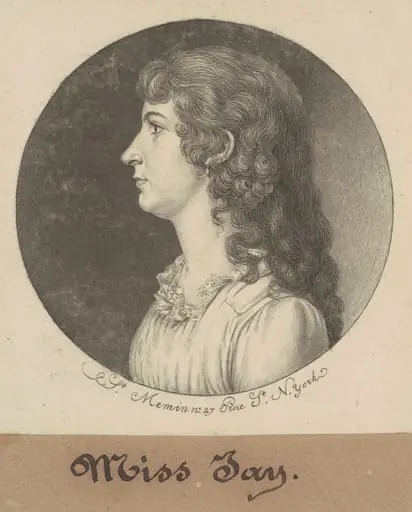
Martha Lampley Levy is an ink print by the Romanticist artist Charles Balthazar Julien Févret de Saint-Mémin. It dates from 1802 and is held in the collection of the National Gallery of Art.
About this work
Overview
The work belongs to the print medium, not painting, and reflects the artist’s skill in translating portraiture into tonal graphic form.
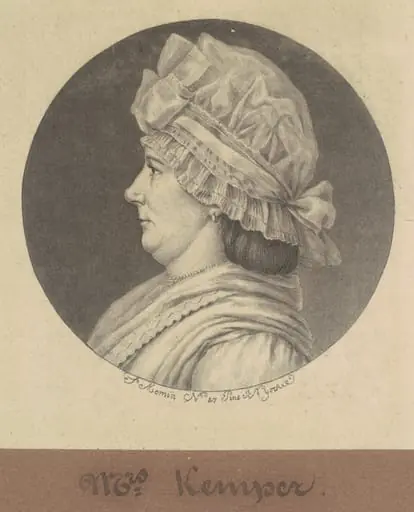
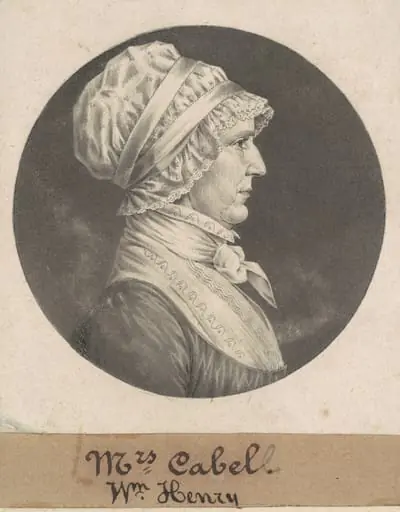
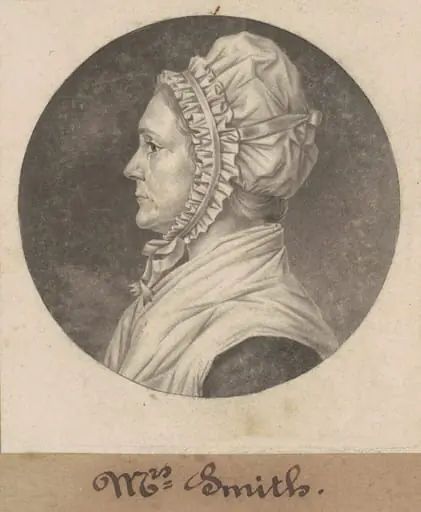
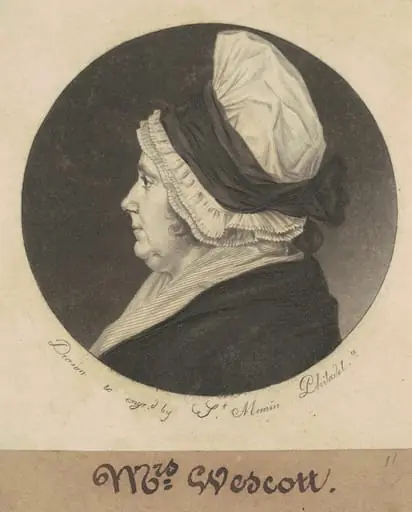
A portrait of Martha Lampley Levy, created by Charles Balthazar Julien Févret de Saint-Mémin, is rendered in mezzotint and engraving on wove paper, mounted to a brown wove support. The work belongs to the print medium, not painting, and reflects the artist’s skill in translating portraiture into tonal graphic form. The image captures a seated woman in late 18th-century attire, rendered with fine linear precision and subtle gradations of black ink.
Subject & Meaning
Martha Lampley Levy, wife of Samson Levy Sr., is depicted with composed dignity, her posture and gaze conveying quiet assurance. Her clothing and jewelry—elaborate lace collar, pearl earrings, and a brooch—signal social standing and personal refinement. The portrait was likely commissioned to affirm her identity within a prominent family network, emphasizing character over mere likeness.
Technique & Style
Saint-Mémin employed mezzotint to achieve rich, velvety shadows and delicate highlights, complemented by engraved lines that define texture in fabric and hair. The contrast between soft tonal transitions and sharp contours creates a lifelike presence. The composition is tightly framed, focusing attention on the face and upper body, a hallmark of his academic portraiture style.
History & Provenance
Created around 1795–1800 during Saint-Mémin’s time in the United States, the print was part of a series of portraits commissioned by American elites. The work was likely produced for private circulation rather than public display. Its mounting on brown paper suggests careful preservation, possibly within the Levy family’s collection before entering institutional holdings.
Context
Saint-Mémin, a French émigré artist, developed a distinctive method of portrait engraving in the U.S., combining European technique with American subject matter. His prints served as affordable alternatives to oil paintings for the emerging merchant class. Martha Lampley Levy’s portrait reflects this cultural moment—where personal identity and social aspiration were visually codified through print.
Legacy
The portrait stands as an example of Saint-Mémin’s influential role in early American graphic art. His mezzotints helped establish portraiture as a reproducible form accessible beyond the aristocracy. Though not widely known today, his works remain important records of individual and familial identity in post-Revolutionary America.
Artist & collection

Artist
Charles Balthazar Julien Févret de Saint-Mémin
Charles Balthazar Julien Févret de Saint-Mémin (French pronunciation: ; 1770–1852) was a French portrait painter and museum director.