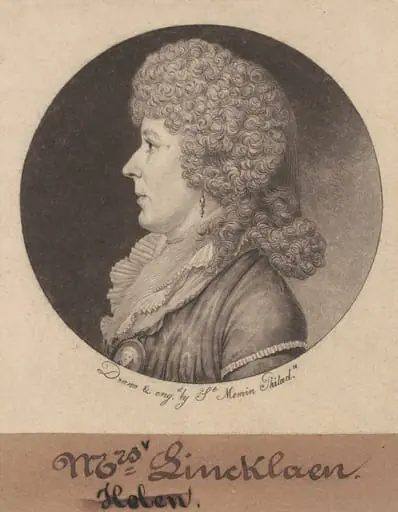
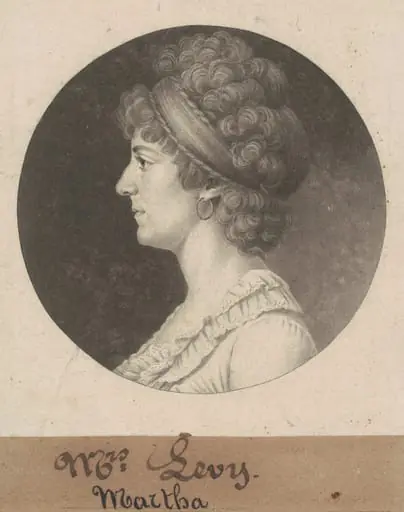
Artwork
Phoebe Harisson Cuming
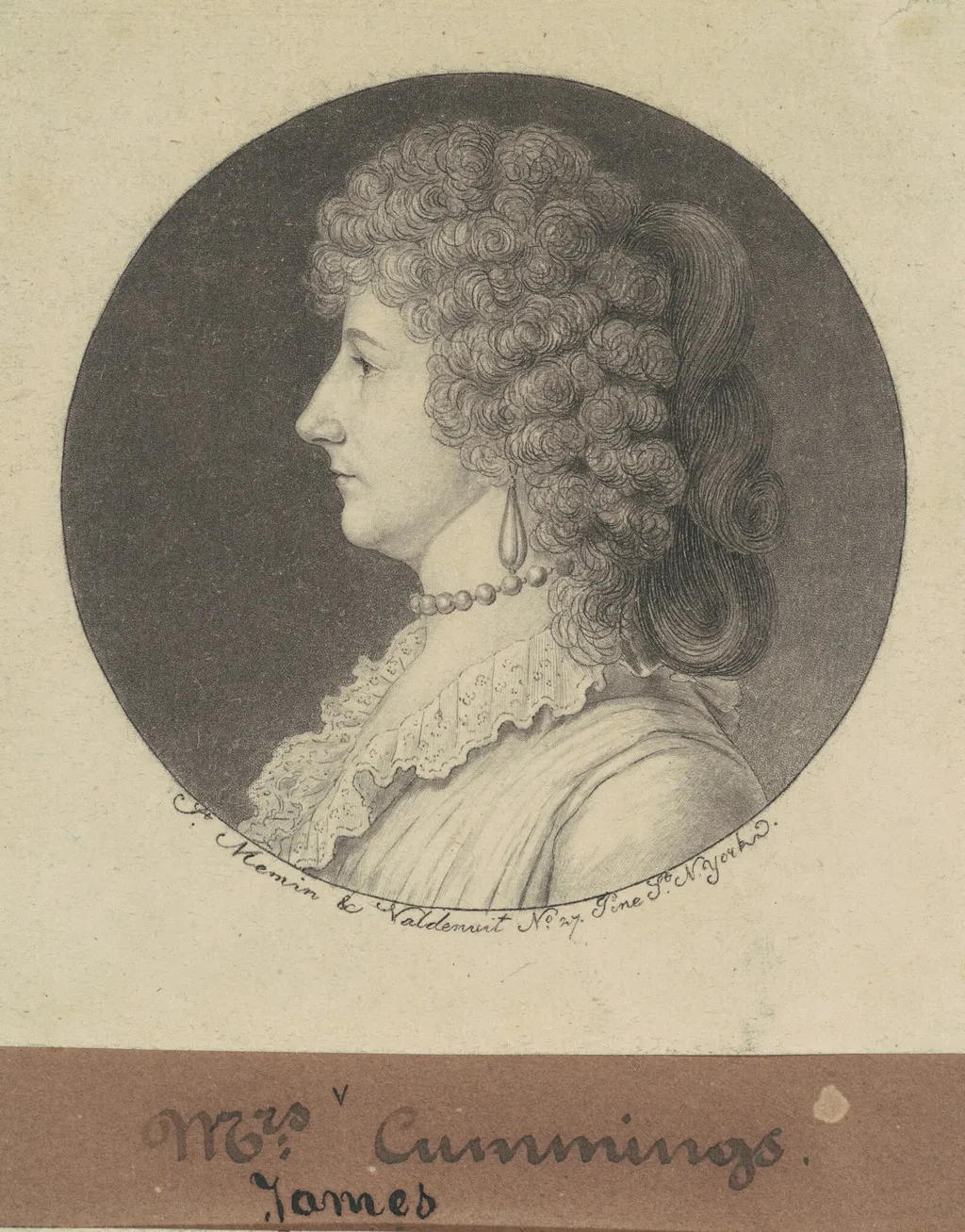
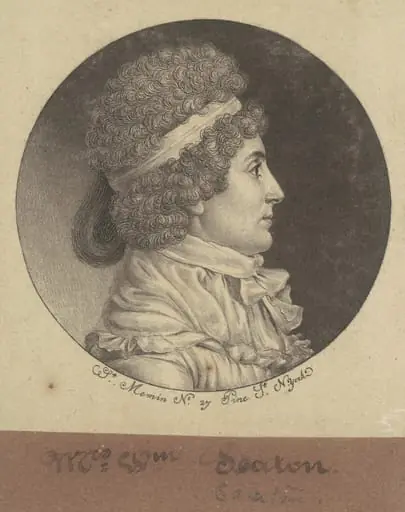
Phoebe Harisson Cuming is an ink print by the Romanticist artist Charles Balthazar Julien Févret de Saint-Mémin. It dates from 1797 and is held in the collection of the National Gallery of Art. Charles B.
About this work
Overview
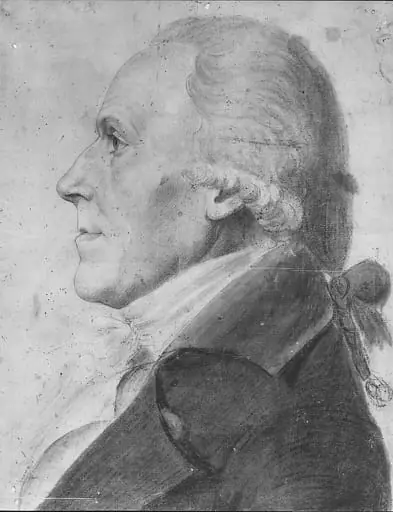
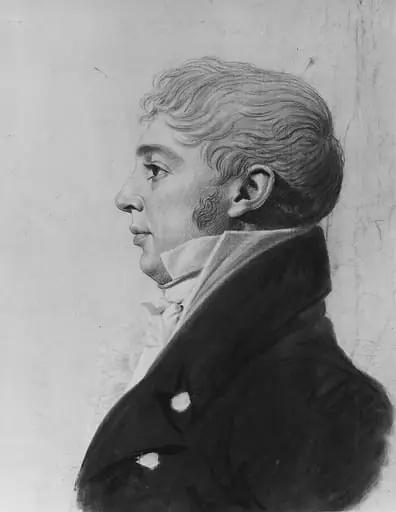
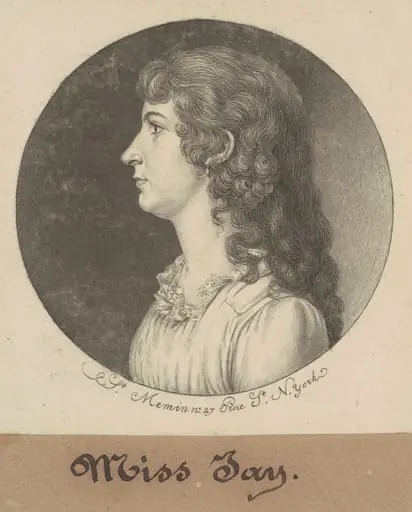
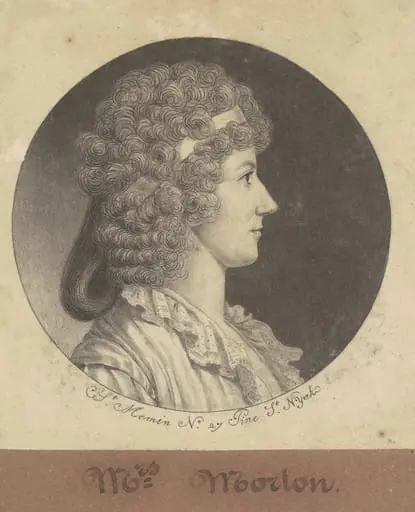
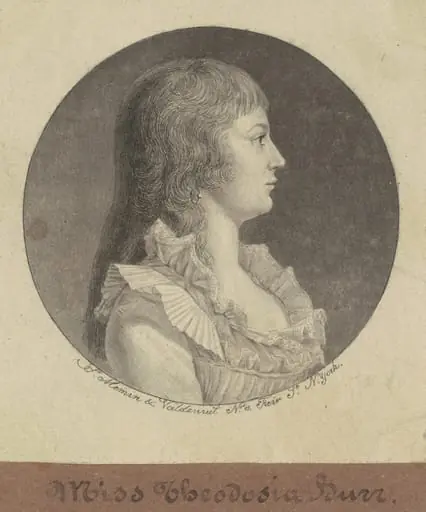
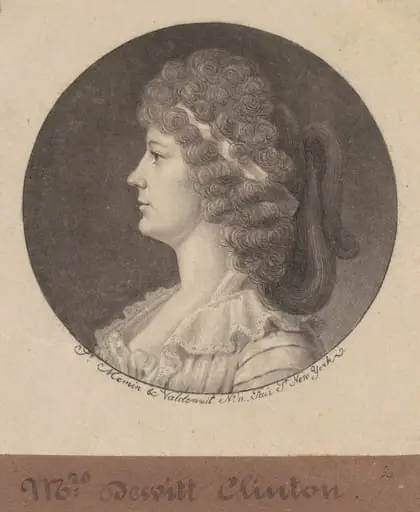
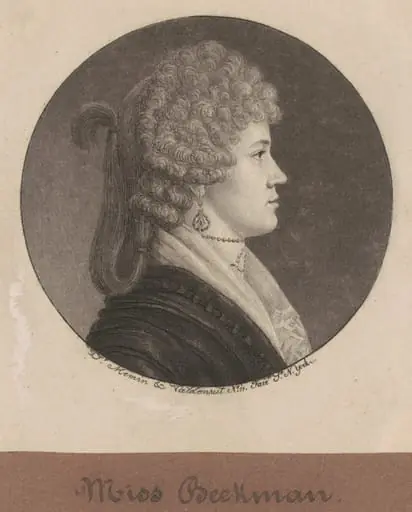
Charles B. J. Févret de Saint‑Mémin’s portrait of Phoebe Harisson Cuming is a black‑and‑white print executed in mezzotint and engraving on wove paper, later mounted on a brown wove backing. The image presents a single figure, rendered in a restrained, monochrome palette, and is held in the Corcoran Collection of the National Gallery of Art.
Technique & Style
The work combines mezzotint—a process that creates a rich, velvety tonal range by roughening a metal plate with a rocker and then smoothing areas to hold less ink—with fine engraving lines that define facial features. This dual approach yields soft, graduated shadows alongside crisp, delicate contours, giving the portrait a subtle three‑dimensionality within the limits of a single color.
Subject & Meaning
The sitter, identified as Phoebe Harisson Cuming, appears in a modest dress with her hair tightly pulled back, suggesting a genteel, perhaps domestic, identity. The lack of ornamental background focuses attention on her expression and attire, reflecting the early‑19th‑century emphasis on personal likeness and restrained elegance in portraiture.
History & Provenance
Created by Saint‑Mémin, a French‑born artist active in the United States during the early 1800s, the print entered the Corcoran Collection, now part of the National Gallery of Art’s holdings. Its acquisition reflects the institution’s interest in early American printmaking and the transatlantic exchange of artistic techniques.
Artist & collection

Artist
Charles Balthazar Julien Févret de Saint-Mémin
Charles Balthazar Julien Févret de Saint-Mémin (French pronunciation: ; 1770–1852) was a French portrait painter and museum director.