Artwork
Samuel Purviance Walker
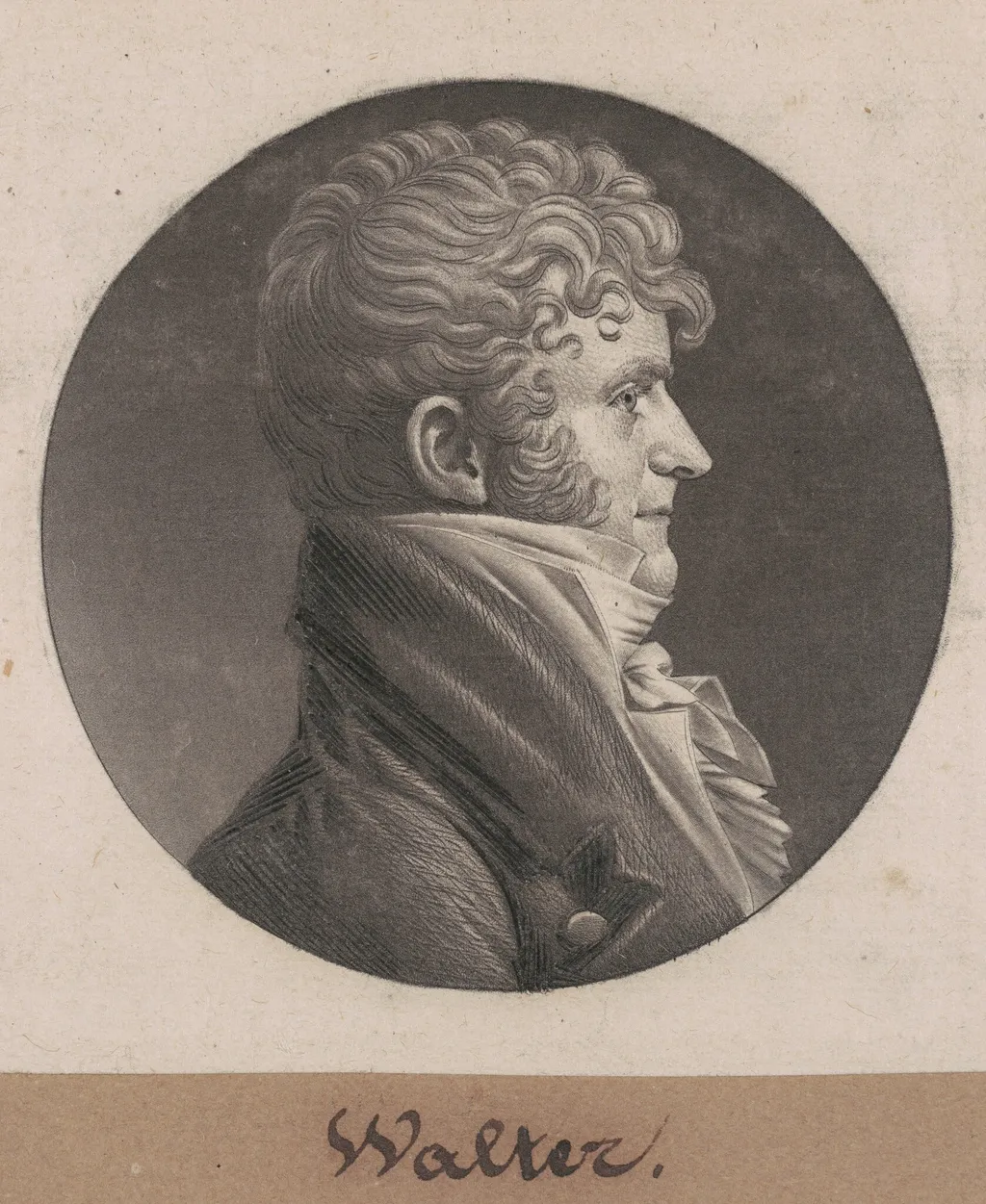
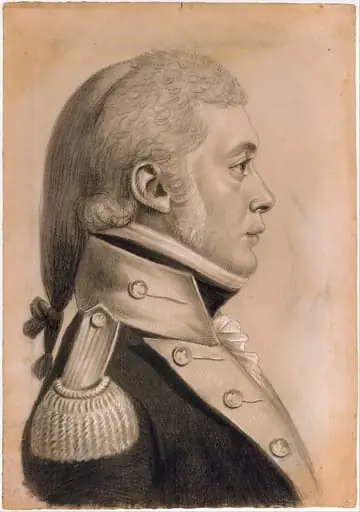
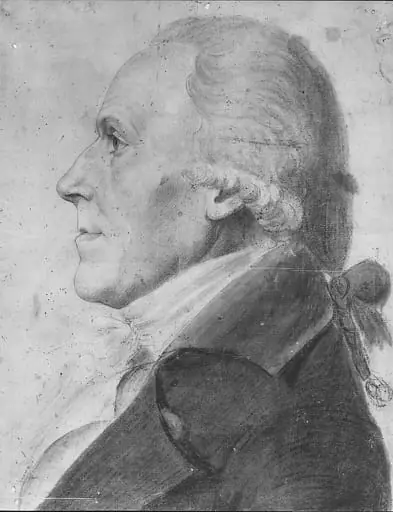
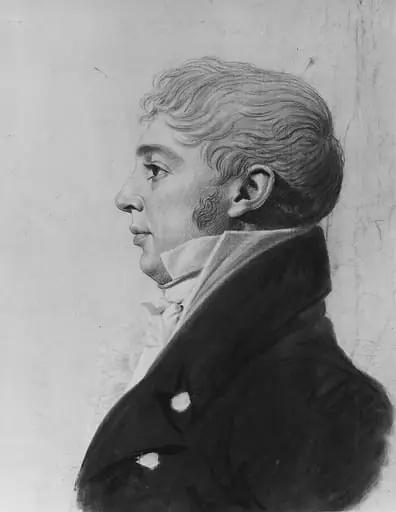
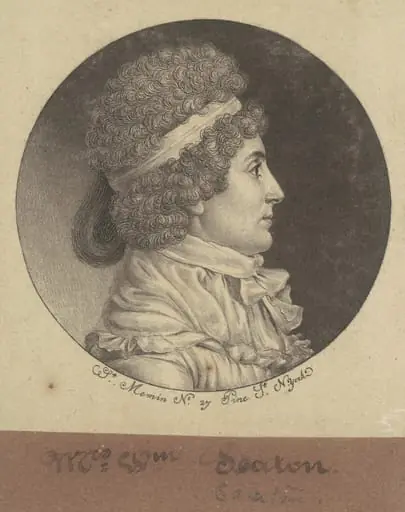
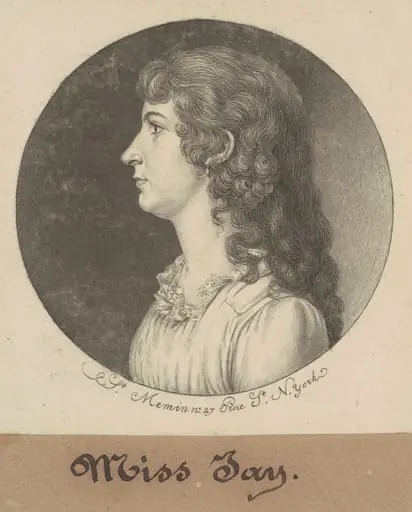
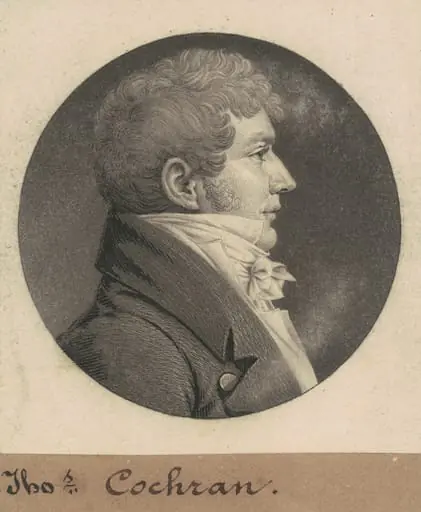
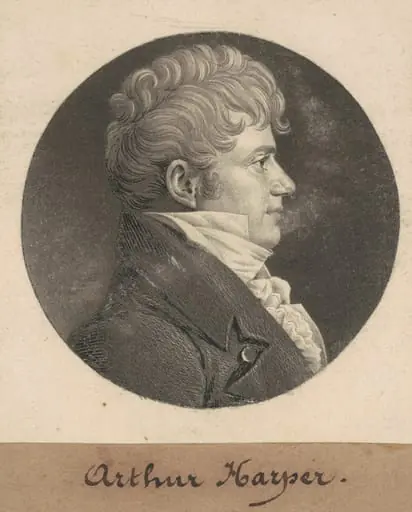
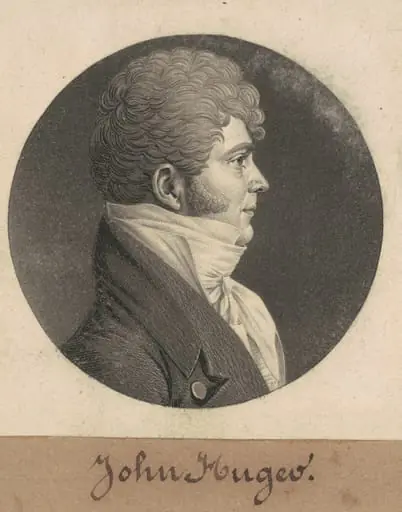
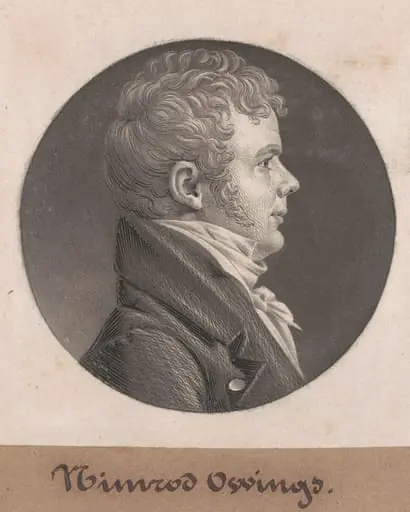
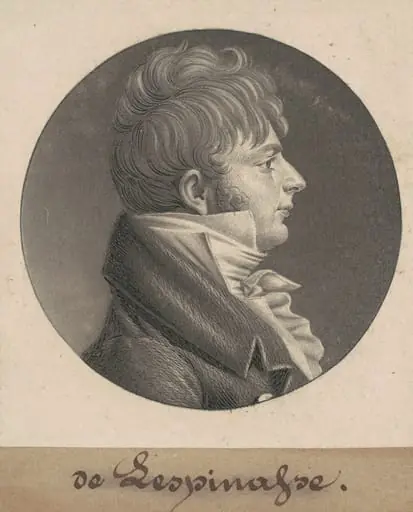
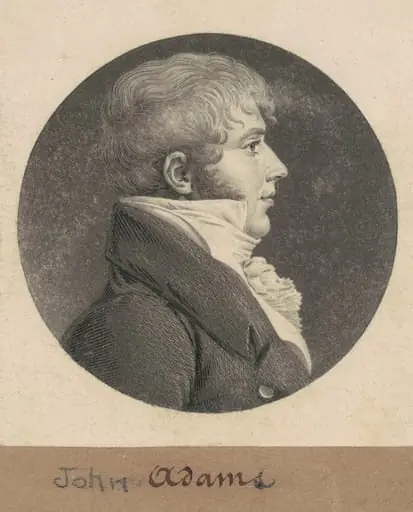
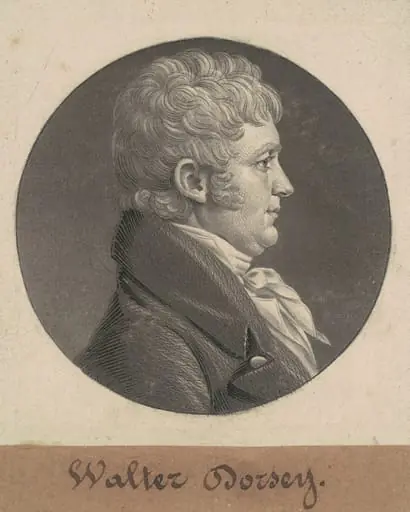
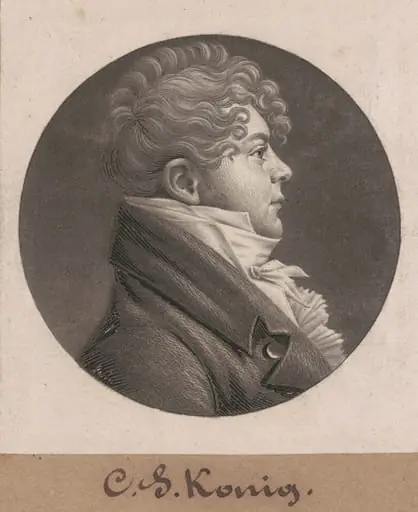
Samuel Purviance Walker is an ink print by the Romanticist artist Charles Balthazar Julien Févret de Saint-Mémin. It dates from 1803 and is held in the collection of the National Gallery of Art.
About this work
Overview
Created in 1803, this print portrays Samuel Purviance Walker seated upright, dressed in a dark coat. Rendered in black on wove paper that is mounted to a brown wove backing, the work combines mezzotint and engraving techniques. It belongs to the Corcoran Collection and is catalogued as a print.
Subject & Meaning
The portrait captures Walker with a side-lit face, the illumination highlighting his features against a subdued background. The composition emphasizes his stature and demeanor, presenting him as a figure of composure and authority.
Technique & Style
The artist employed mezzotint, a relatively new method in early‑American printmaking, using a rocked metal plate to produce a range of soft tonal gradations. Fine linear work in the background, achieved through delicate engraving, complements the broad, velvety shadows characteristic of mezzotint.
History & Provenance
The print was produced by Charles B. J. Févret de Saint‑Mémin, a French‑born artist active in the United States. It entered the Corcoran Collection, where it remains part of the institution’s holdings of early American portraiture.
Context
During the early 19th century, mezzotint was emerging in America as a means to reproduce portraits with subtle shading. Saint‑Mémin’s work reflects this technical innovation, aligning with contemporary efforts to document prominent individuals through reproducible print media.
Artist & collection

Artist
Charles Balthazar Julien Févret de Saint-Mémin
Charles Balthazar Julien Févret de Saint-Mémin (French pronunciation: ; 1770–1852) was a French portrait painter and museum director.