Artwork
Unidentified Man
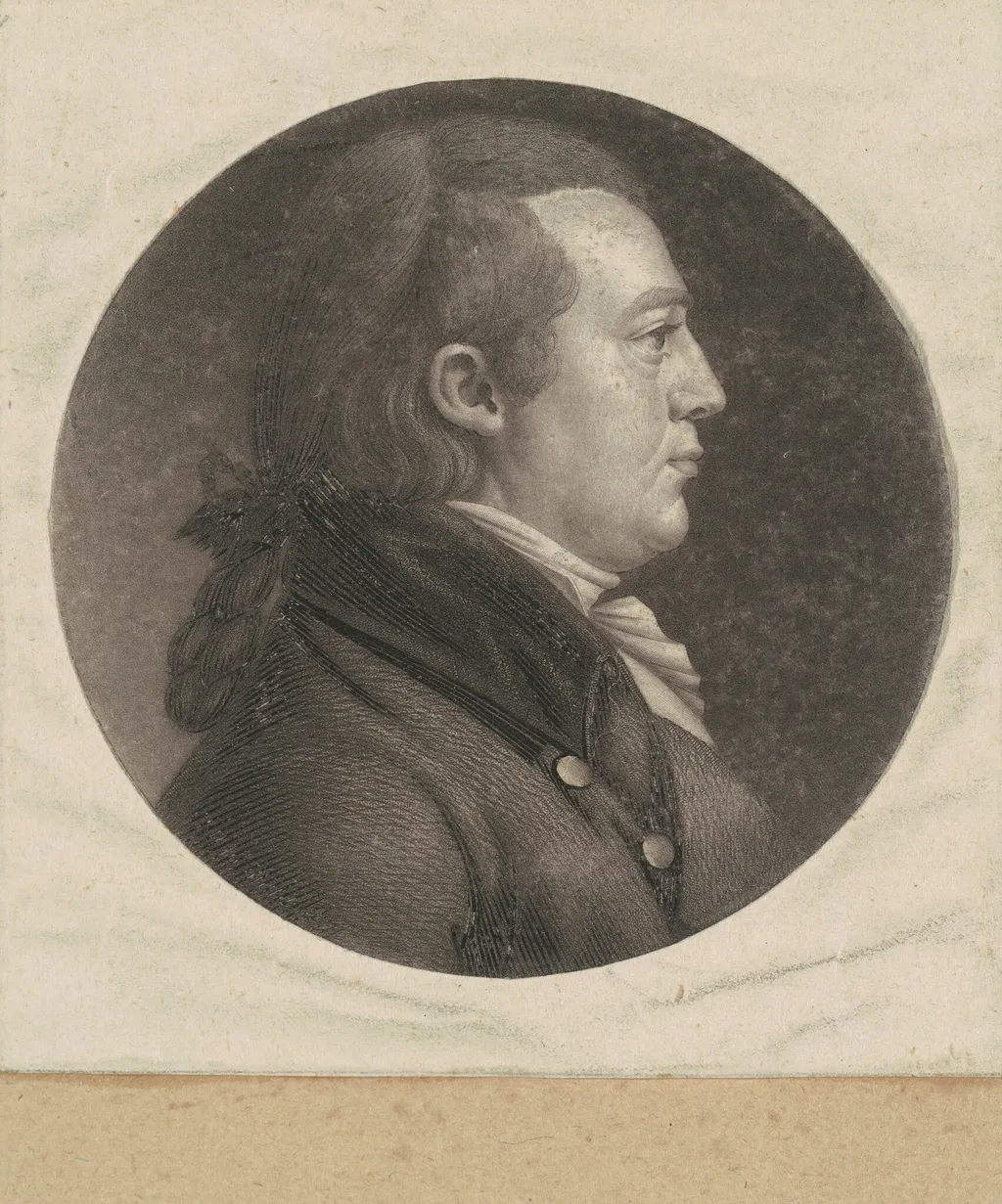
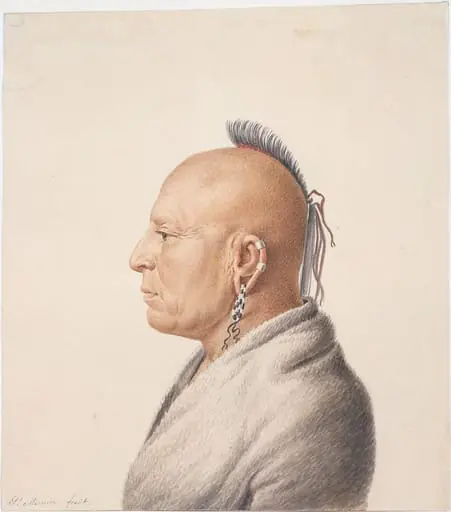
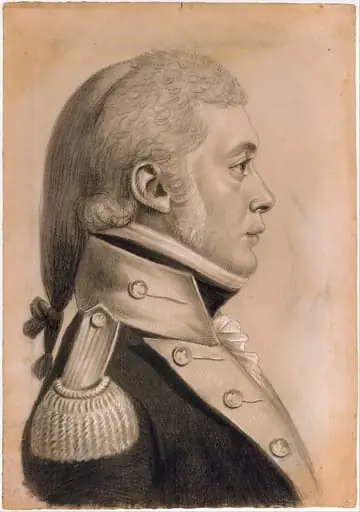
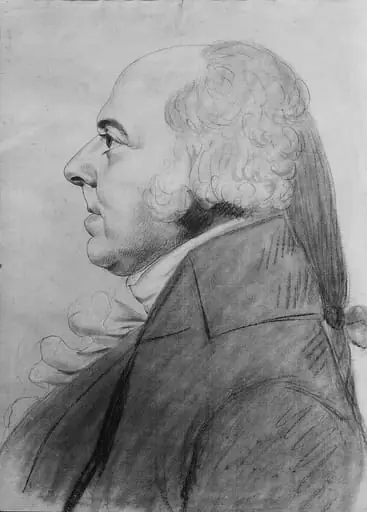
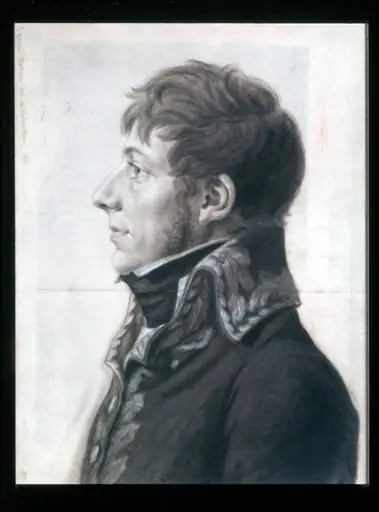
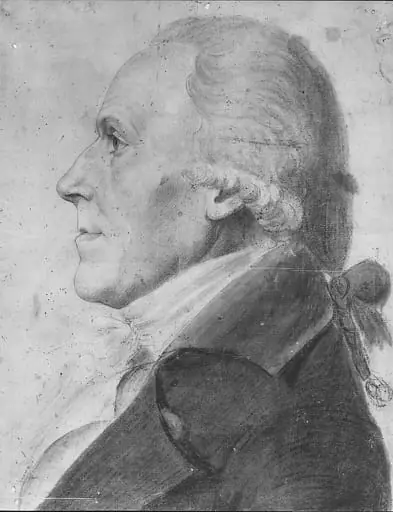
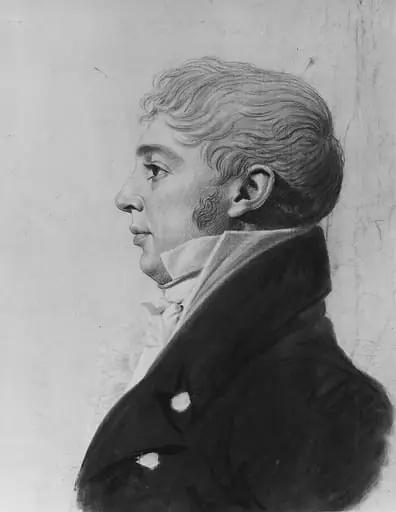
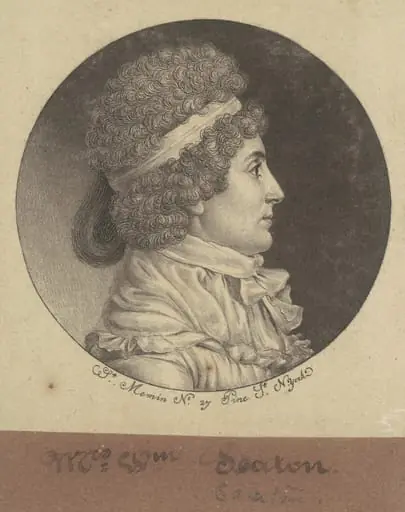
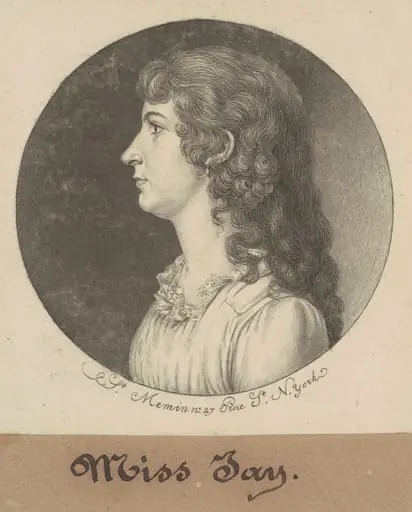
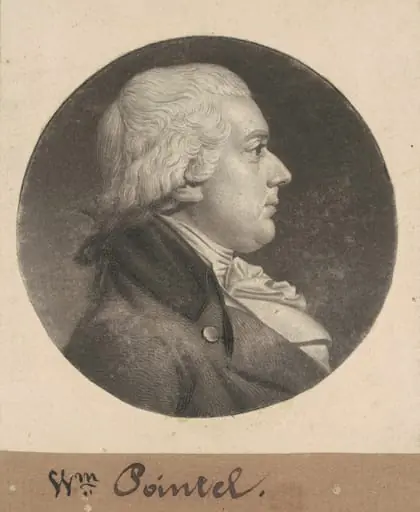
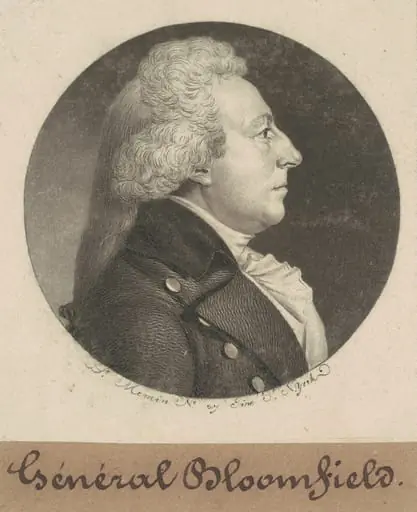
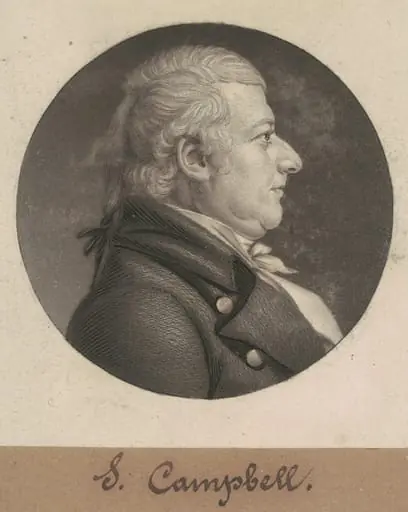
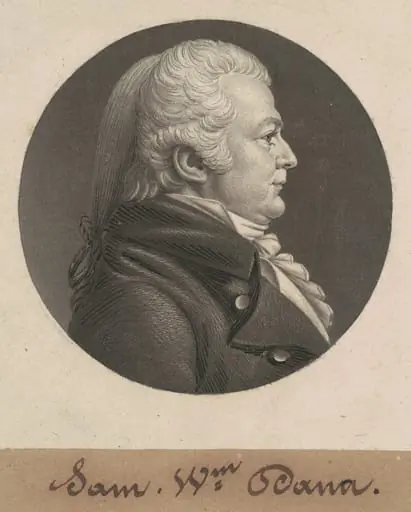
Unidentified Man is an ink print by the Romanticist artist Charles Balthazar Julien Févret de Saint-Mémin. It dates from 1800 and is held in the collection of the National Gallery of Art. Created around the turn of the nineteenth century, this mezzotint and engraving presents a solitary male figure in profile.
About this work
Overview
Created around the turn of the nineteenth century, this mezzotint and engraving presents a solitary male figure in profile. Rendered in black on wove paper that has been affixed to a brown backing, the image occupies a small circular format typical of the artist’s series of intimate portrait studies.
Subject & Meaning
The work focuses on the sitter’s head and upper torso, emphasizing the contours of his face. He is dressed in a dark coat complemented by a light cravat, attire that conveys a modest yet respectable bearing. The profile pose directs attention to the individual’s features, suggesting a study of character rather than narrative.
Technique & Style
Executed through mezzotint combined with engraving, the print achieves a rich tonal range despite its monochrome palette. Fine hatching and delicate gradations reveal the artist’s command of the medium, while the consistent circular composition links it to a broader set of similarly sized portraits produced in the same period.
History & Provenance
Attributed to Charles B. J. Févret de Saint‑Mémin, the piece belongs to a body of work created circa 1800. Though the sitter remains unidentified, the print has been preserved within collections that value the artist’s systematic approach to portraiture, illustrating his practice of producing multiple likenesses for private patrons.
Context
During the early nineteenth century, small circular prints served as portable, personal mementos, often exchanged among acquaintances. Saint‑Mémin’s series reflects this trend, employing a uniform aesthetic that allowed for efficient reproduction while maintaining a high level of detail, catering to the era’s taste for refined, individualized portraiture.
Artist & collection

Artist
Charles Balthazar Julien Févret de Saint-Mémin
Charles Balthazar Julien Févret de Saint-Mémin (French pronunciation: ; 1770–1852) was a French portrait painter and museum director.